Tüm Yazılar
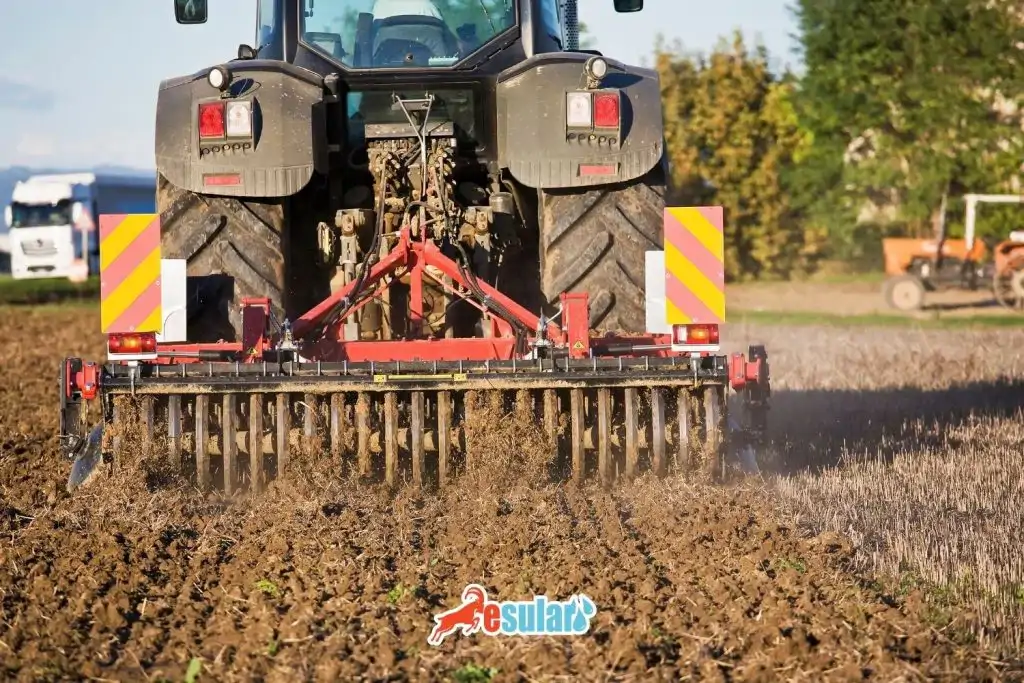
What is a Disc Harrow? What Does It Do?
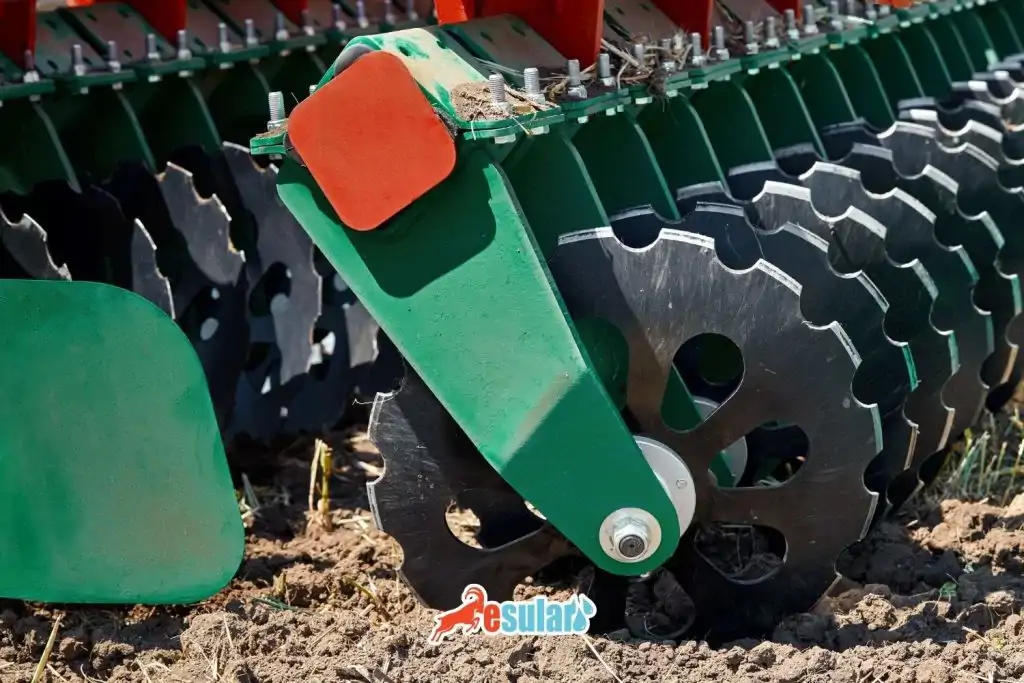
A disc harrow is a soil tillage tool used in the field of agriculture. It generally has a rotating structure consisting of steel discs. Discs are designed for the purpose of cutting, turning, and breaking the soil. Disc harrows are used by farmers in processes such as preparing fields, soil tillage, and pre-planting preparation. Among the main functions of disc harrows are aerating the soil, breaking clods, breaking stubble, shredding plant residues, and preparing the seedbed. After the crop harvest, it cuts the plant residues remaining in the field and mixes them into the soil, thus breaking down organic matter. This increases the nutritional value of the soil and provides a suitable environment for new planting. The number of discs and structures of disc harrows can vary. They are classified as light or heavy-duty disc harrows, which allows them to be preferred according to their intended use and field conditions. For example, heavy-duty disc harrows can be more effective in stony or hard terrains, while light-duty disc harrows may be preferred in small gardens or soft soils.
What are the Types of Disc Harrows?
Disc harrow types generally vary according to the number of discs and their intended use. Here are the general types of disc harrows and their features:
Light-Duty Disc Harrows:
- 20-disc harrows: Suitable for light tasks, used in smaller fields or gardens.
- 24-disc harrows: Ideal for medium-sized fields, may be sufficient to process a wide surface.
- 28-disc harrows: Used for larger fields, more comprehensive operations can be performed with a higher number of discs.
Heavy-Duty Disc Harrows:
- 20-disc harrows: Suitable for heavy tasks, may be more suitable for use in hard or partially stony terrains.
- 24-disc harrows: Can be used for heavy tasks in medium-sized fields.
- 28-disc harrows: Suitable for large and wide fields, ideal for performing deeper and more comprehensive operations.
Each type of disc harrow is selected according to the farmer's processing needs. As the number of discs increases and the type becomes heavier, it may be possible to process larger areas more deeply and effectively. Additionally, the topography of the field or garden, soil structure, and processing frequency are also important factors in the selection of a disc harrow.
How to Adjust a Disc Harrow?
Disc harrow adjustment may vary according to the intended use and soil conditions. Here are the general steps followed to adjust a disc harrow:
Mount the Disc Harrow: Mount the disc harrow to your tractor or agricultural vehicle and connect it appropriately. Position the disc harrow properly and check the connections firmly.
Tillage Depth Adjustment: The tillage depth of disc harrows determines how deeply the soil will be processed. The tillage depth can generally be adjusted depending on the disc harrow. Some disc harrows have levers or screw mechanisms for depth adjustment. To make this adjustment, operate the disc harrow on the soil and adjust it so that it processes at the desired depth.
Disc Angle Adjustment: The disc angle of disc harrows determines the way the discs cut and process the soil. Disc harrows usually have mechanisms to adjust the disc angle. Adjust the disc angle in a way that will process the soil in the best way and provide the desired processing effect.
Tractor Speed Adjustment: The speed of the tractor you pull the disc harrow with also ensures that you use the disc harrow effectively. The ideal speed should be adjusted to provide sufficient power and efficiency for processing the soil. Excessive speed can make it difficult to control the disc harrow and prevent effective processing.
Make Adjustments According to the Condition of the Area: Characteristics of the area such as soil structure, moisture level, and slope affect disc harrow adjustments. For example, while the tillage depth may be lower in wet or soft soils, the depth can be increased in hard or dry soils.
Test and Adjustment: After making the adjustments, put the disc harrow through a short test tillage and check the processing result. If you are not satisfied with the processing result, review the settings again and make the necessary corrections.
Disc harrow adjustment ensures you get the best results by practicing during use and adjusting according to soil conditions. Since every field or garden is different, it is important to find the most suitable settings through trial and error.
What is the Difference Between X-Type and V-Type Disc Harrows?
The differences between X-type and V-type disc harrows are as follows:
Turning Capability:
- X-type disc harrows have the capability to turn in both directions (right and left). This feature provides more maneuverability and makes it possible to perform more flexible operations in the field.
- V-type disc harrows, on the other hand, can only turn left. This situation may limit movement capability, especially in narrow areas or complex field conditions.
Working Angle Adjustment:
- In both types of disc harrows, the working angle can be adjusted. While the working angle in X-type disc harrows can be adjusted with hydraulic pistons, this adjustment is more limited in V-type disc harrows due to the fixed-connection chassis structure.
Power Loss and Load Transmission:
- X-type disc harrows minimize power loss in the tractor thanks to their patented features. Their flexible structures absorb loads and provide a continuous power transmission to the tractor. This situation provides significant advantages in terms of fuel savings and work efficiency.
- V-type disc harrows may lead to power loss due to the fixed connection structure. There may be interruptions during the transmission of loads to the tractor, which can negatively affect fuel consumption and work efficiency.
Soil Preparation Adjustment:
- The rear gangs of X-type disc harrows can be adjusted manually independent of the front. This feature provides a more precise seedbed preparation according to the soil structure.
- In V-type disc harrows, such an adjustment option is usually not available.
Working Width:
- X-type disc harrows have a wider working width depending on the spool width and number of discs. This allows wider areas to be processed in a shorter time.
Disc Diameter and Application Conditions:
- Light and heavy-duty disc harrows usually have different disc diameters. For example, larger disc diameters are preferred for stony terrains, while different disc types are used in cloddy or grassy soils.
These differences affect the selection of disc harrows according to the field conditions and needs of the farmers who will perform the operation. The advantages and disadvantages of each type are preferred by evaluating them according to the purpose of use.
Kategoriler
Etiketler