Wireless Battery-Powered Soil Moisture Sensor Usage: The Key to Water Management in Modern Agriculture
In modern agriculture, the efficient use of water resources is becoming more critical by the day. Especially for agricultural enterprises operating in arid and semi-arid regions, accurately determining the plant's actual water need is vital for both yield and costs. At this point, esular wireless soil moisture sensor stands out as an indispensable part of smart irrigation management.
What is a Soil Moisture Sensor and How Does It Work?
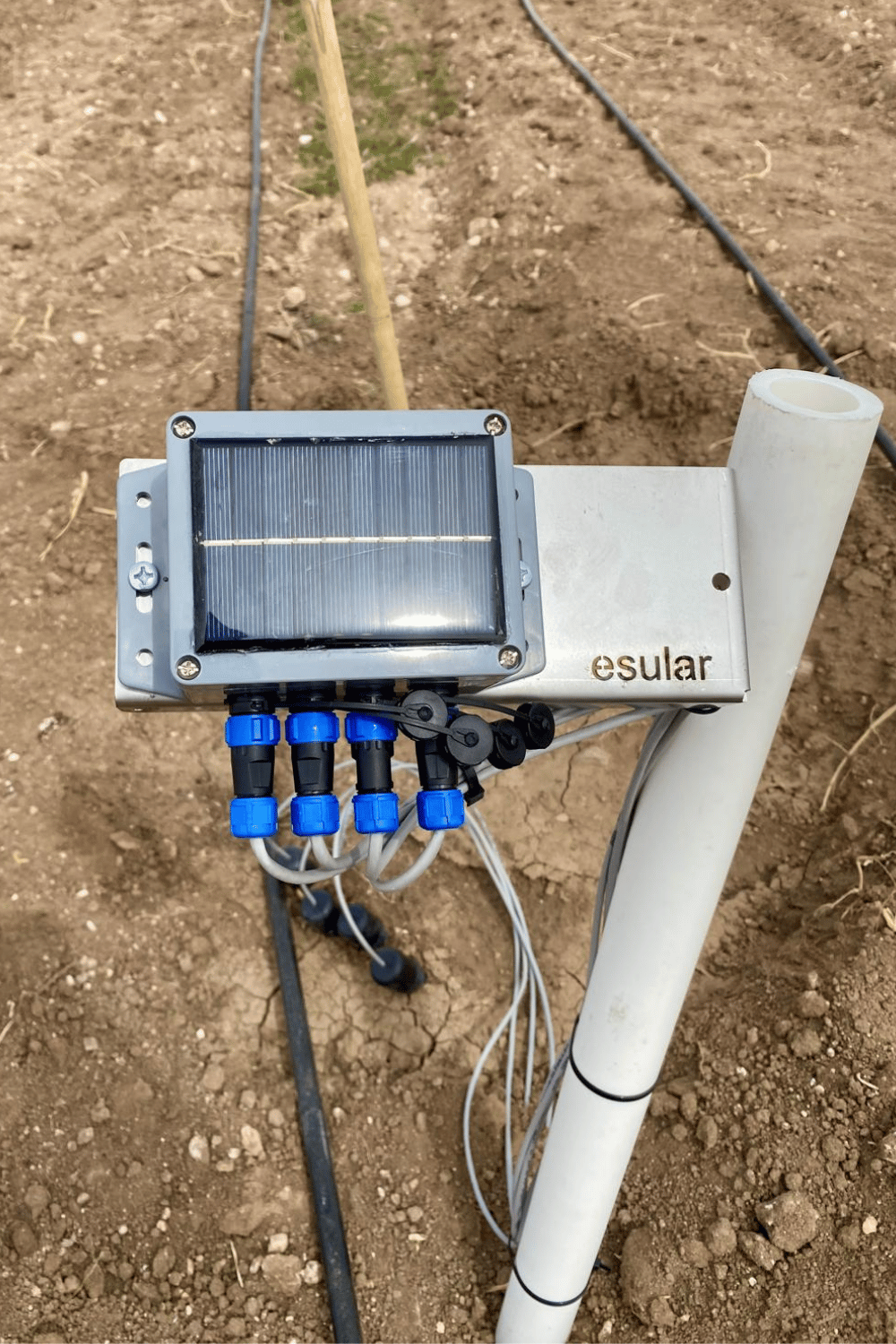
A soil moisture sensor is a smart device that measures the amount of moisture in the soil and makes this data usable in a digital environment. Sensors precisely measure moisture values at different depths through probes placed in the soil.
Esular wireless soil moisture sensor analyzes the dielectric property of the soil using capacitive, resistive, and TDA measurement techniques. This technique is based on the difference in electrical properties between dry soil and wet soil. The measured data is reliably transmitted up to a distance of 5-10 km with wireless LoRa/LoRaWAN technology.
Graduated Measurement System: Understand the Real Needs of Plant Roots
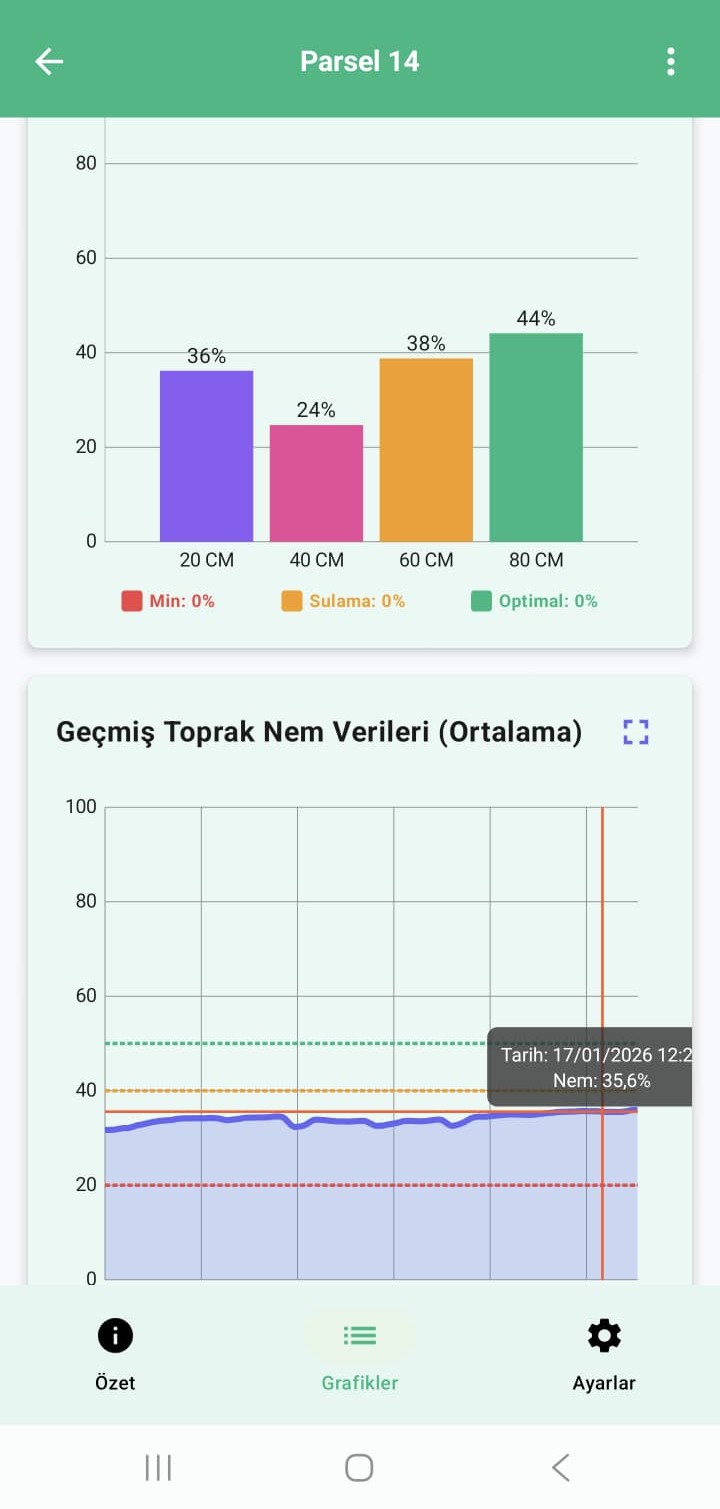
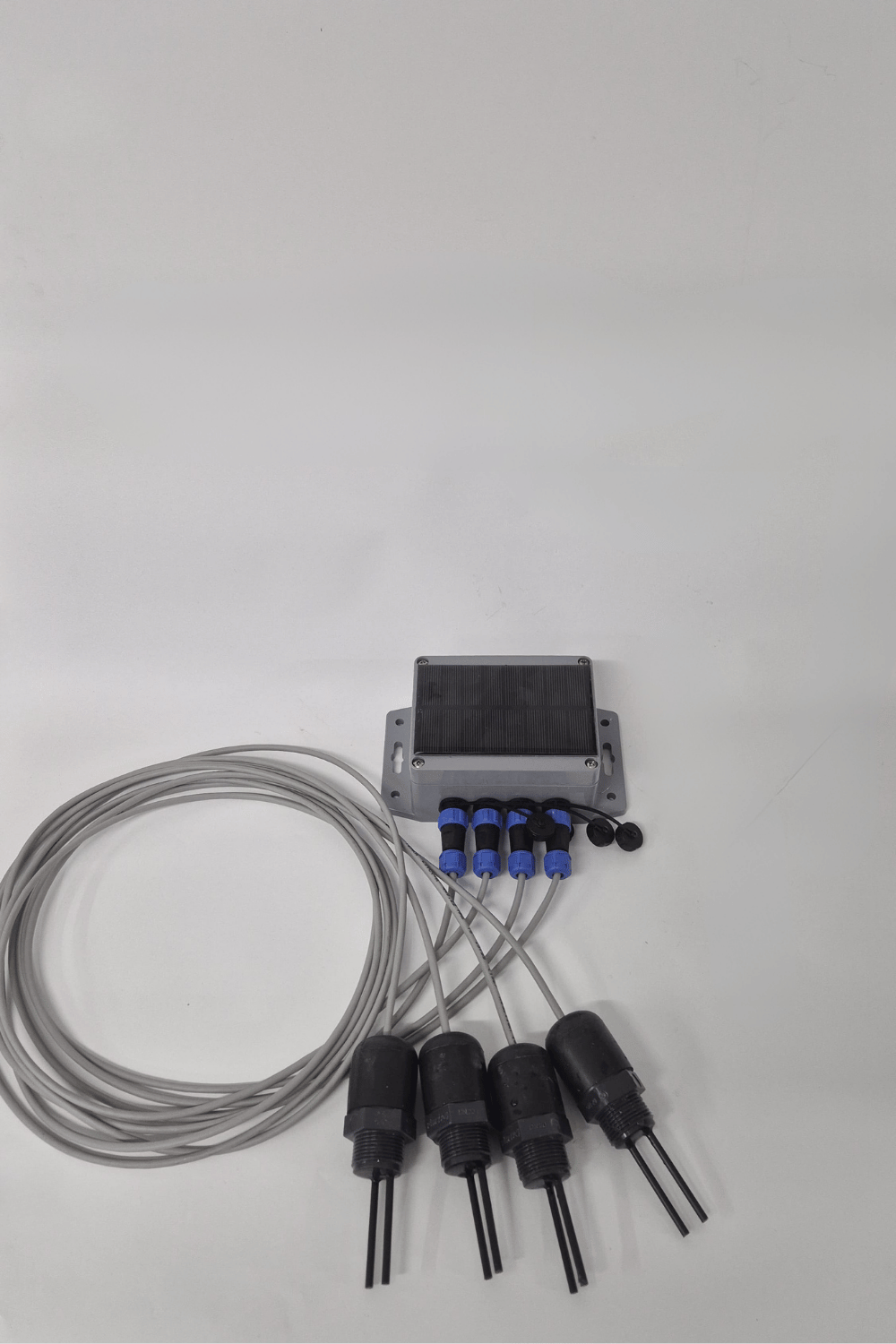
Plant roots take water and nutrients from different depths. Therefore, measuring only surface moisture is not enough. Esular wireless soil moisture sensor performs graduated measurements at 2, 3, or 4 different depths (30-60-90-120 cm) and tracks:
- Surface soil moisture
- Middle layer moisture status
- Deep root zone moisture level
separately. In this way, you can clearly see to what depth irrigation reaches, the moisture distribution in the root zone, and how much water the plants actually need.
Advantages of the Wireless Battery-Powered Soil Moisture Sensor
1. Energy Independence and Easy Installation
One of the biggest problems in agricultural lands is energy and cabling costs. Esular wireless soil moisture sensors completely eliminate this problem:
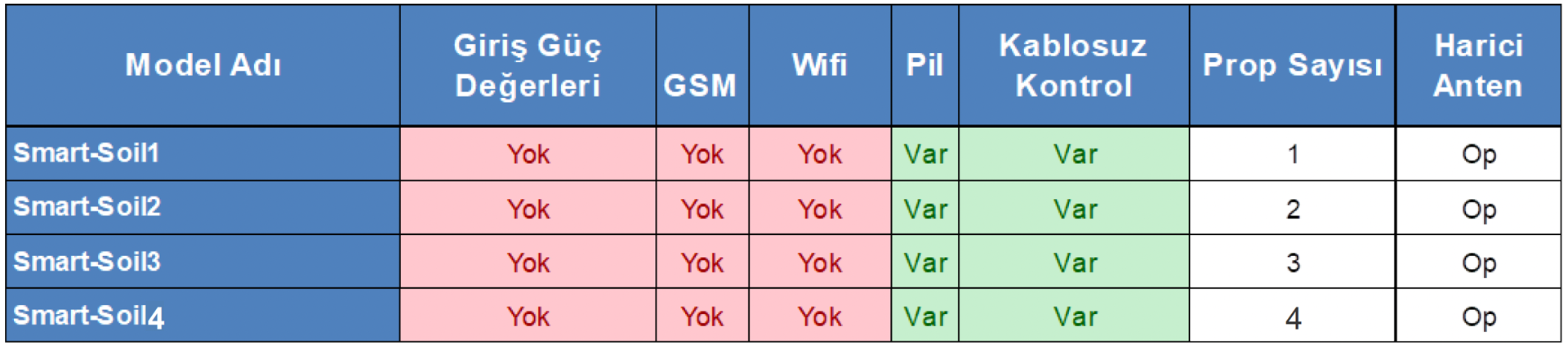
- Produces its own energy with a built-in solar panel
- Works uninterruptedly for up to 5 years with a 3.6V rechargeable lithium-ion battery
- Requires no cabling – installed in minutes with a "Plug and Play" logic
- Can be used even in remote agricultural areas without electricity infrastructure
2. Water and Energy Savings
The most obvious benefit of using a wireless soil moisture sensor is water savings. Unnecessary and excessive irrigation:
- Depletes water resources
- Increases electricity costs
- Degrades soil structure
- Leads to oxygen deficiency in the plant root zone
- Causes leaching of nutrients
In field applications conducted with the Esular system, an average of 30-50% water savings and accordingly up to 40% electricity savings were achieved.
3. Yield Increase and Plant Health
Every plant's critical irrigation period and water need are different. Insufficient or excessive irrigation:
- Leads to yield losses
- Leads to a decrease in product quality
- Leads to a decrease in resistance against diseases and pests
By irrigating according to the real needs of the plant with the wireless soil moisture sensor, you can achieve healthy and productive production.
4. Remote Monitoring and Control
Thanks to the Esular mobile application:
- Follow all sensor data instantly from your phone
- Receive automatic alarms at threshold values you set
- Analyze and compare historical data
- Make your irrigation decisions based on data
- Manage remotely without being in your field
Fertilizer Management with EC (Electrical Conductivity) Measurement
Esular wireless soil moisture sensor also performs EC (Electrical Conductivity) measurement in addition to moisture measurement. The EC value shows:
- Salt concentration in the soil
- Fertilizer density
- Nutrient level
However, an important point to note: the soil must be moist for EC measurement. EC measurement cannot be taken in dry soils. The sensor, which measures in µs/cm, can be used safely in open field, greenhouse, and garden conditions thanks to its long-lasting carbon electrodes. This way, you can also make your fertilization decisions based on data and prevent unnecessary fertilizer use.
Esular Wireless Soil Moisture Sensor Usage Areas
Open Field Applications
- Precision irrigation management in grain farming
- Graduated moisture tracking in orchards and vineyards
- Root zone moisture control in hard-shelled fruits such as pistachios and walnuts
- Optimal irrigation planning in vegetable cultivation
Greenhouse and Protected Cultivation
- Moisture control in greenhouse soil and pot mixes
- Substrate moisture tracking in soilless farming systems
- Moisture management in the rooting stage of seedling and sapling production
- Growing medium optimization in controlled environment agriculture
Landscape and Green Area Management
- Irrigation management according to zones in golf courses
- Water-saving irrigation in parks and gardens
- Central monitoring in municipal green area projects
- Precise moisture control in turf areas
Technical Specifications of the System
Esular wireless battery-powered soil moisture sensor has been developed in accordance with industry standards:
- Communication: LoRa/LoRaWAN protocol, EU-868 MHz frequency
- Range: 5-10 km wireless data transmission
- Battery Life: Up to 5 years (unlimited with solar panel)
- Protection Class: IP68 – completely waterproof
- Measurement Interval: Every 5 minutes (adjustable)
- Number of Probes: 2, 3 or 4 (depending on the model)
- Measurement Parameters: Moisture (%), EC (µs/cm), Temperature (°C)
Installation and Usage: Step by Step
1. Sensor Placement
Place the sensor at a representative point. Choose an area close to the tree/plant root line where irrigation pipes are ineffective. Prefer a location where the soil type is homogeneous.
2. Placing Probes into the Soil
Carefully insert the probes to the desired depths (30-60-90 cm). Make sure there are no gaps between the soil and the probe. Compact the soil slightly before the first measurement.
3. Central Unit Installation
Mount your central unit (gateway/control device) at a suitable point. Ensure that the GSM signal and communication with the sensors are good.
4. Mobile Application Setup
Download the Esular mobile application, register your system, and define the sensors. Set your threshold values and alarm settings.

Esular Ecosystem: Tam Entegre Akıllı Tarım
Your wireless soil moisture sensor can work integrated with other products within the esular smart agriculture ecosystem:
Integration with Smart Valve Control Units
Wireless Smart Valve Control Unit with soil moisture data according to automatic irrigation. When the moisture falls below the level you set, the valve opens automatically, and closes when the target moisture level is reached.
Pump Control Systems
Wireless Pump Control System with GSM F-Series manage your pump remotely, benefit from the night tariff, and save energy.
Weather Station Integration
Combine soil moisture data with meteorological data such as air temperature, humidity, precipitation amount, and wind speed to calculate reference evapotranspiration (ETo) and further optimize your irrigation planning.
Real User Experiences
Mr. Mehmet, who operates a walnut orchard in Eskişehir, achieved a 45% reduction in water consumption after starting to use the esular wireless soil moisture sensor. "I used to irrigate based on estimates; sometimes it was too little, sometimes too much. Now I track the moisture from my phone and irrigate at the exact right time," he says.
Ms. Ayşe, a greenhouse tomato producer in Antalya, states that she reduced fertilization costs by 30% thanks to EC measurement: "I can see the nutrient status of the soil; unnecessary fertilizer use has been eliminated."
Frequently Asked Questions
How long does the soil moisture sensor last?
Esular sensors can work uninterruptedly for 5 years or more with solar panel support. Thanks to carbon electrode technology, the probes are long-lasting.
How many sensors do I need?
This depends on your field size, soil homogeneity, and plant type. Generally, 1-2 sensors are sufficient for 5-10 decares. More sensors may be needed in heterogeneous soil structures.
In which soil types do the sensors work?
Esular sensors provide precise measurements in all soil types, including clay, sandy, loamy, and mixed. Installation in stony soils requires care.
Conclusion: Time to Switch to Smart Agriculture
In today's world, where water resources are decreasing, energy costs are increasing, and sustainable agriculture is gaining importance, using a soil moisture sensor has become a necessity, not a luxury. Esular wireless battery-powered soil moisture sensor offers an ideal solution for agricultural enterprises of all sizes with its easy installation, long battery life, precise measurement technology, and affordable price.
If you want to optimize water management, reduce costs, and increase yield in your field, greenhouse, or garden, it is time to start using smart farming technologies. As Esular, we are by your side in the digital transformation of agriculture.
💡 Would You Like to Get Information About Smart Agriculture Solutions?
Contact us for detailed information about our custom system design, installation, and training services for your field or greenhouse. Our expert team is here to offer the most suitable solution for your needs.
📞 Contact: esular.com/contact
🌐 Web: esular.com
🛒 Store: store.esular.com
Note: The prices and campaigns mentioned in this article belong to the publication date. For current prices and stock status, please visit store.esular.com.