Mushroom Cultivation: The Rising Value of Modern Agriculture
Mushroom cultivation is a massive industry growing rapidly worldwide for both commercial and medicinal purposes. Unlike traditional agricultural methods, mushrooms do not photosynthesize because they do not contain chlorophyll and they obtain their nutrients from the organic matter (substrate) they grow on. This unique biological structure makes mushroom cultivation an extremely sensitive process that must be controlled. Establishing a successful mushroom farm and obtaining a sustainable yield requires millimetric monitoring of every single parameter in the environment.
Mushroom cultivation aims to provide optimum growth and yield in a controlled environment. While indoor cultivation allows for year-round production thanks to climate control systems, outdoor cultivation relies on natural seasonal cycles. However, to compete in the modern market, greenhouse automation and smart air conditioning systems are no longer a luxury, but a necessity. In this article, we will detail the 8 fundamental factors that determine yield in mushroom cultivation and how these factors can be optimized with Esular technologies.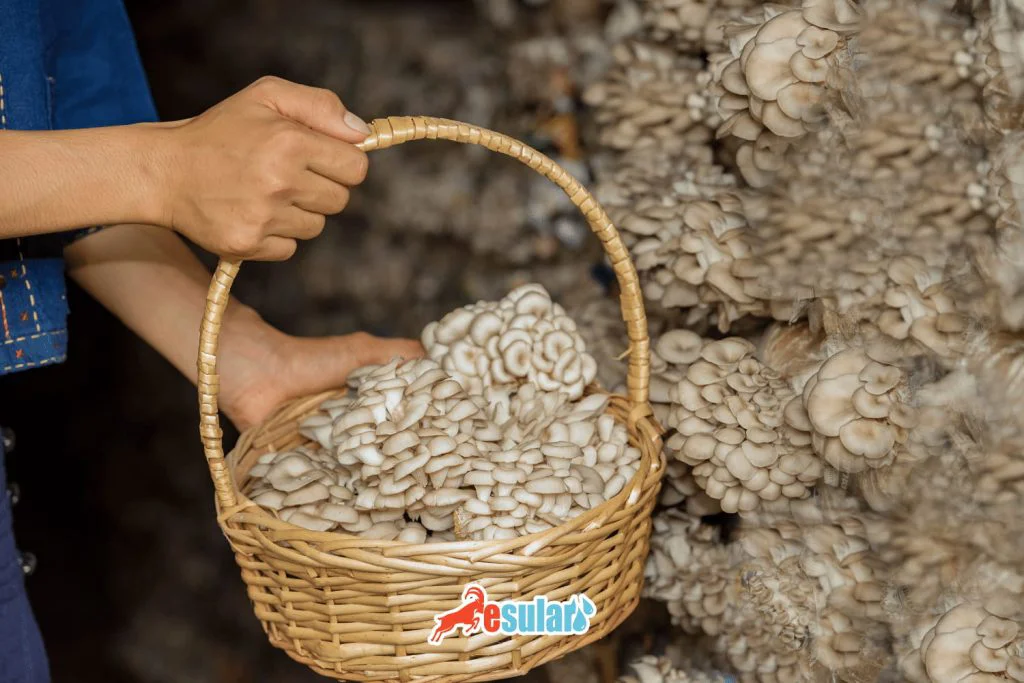
Industrial Importance of Mushroom Cultivation:
- Increasing demand due to high nutritional value and medicinal properties.
- High yield per unit area with low space requirements.
- Allowing the recycling of agricultural wastes (straw, sawdust, etc.).
- The existence of closed systems offering year-round production opportunities.
Understanding the Life Cycle of the Mushroom
Before moving on to the factors affecting the cultivation of mushrooms, knowing the four basic stages in the development process of the mushroom is critical in terms of correctly determining intervention times. Each stage has different environmental requirements.
- Spores: These are the seeds of mushrooms. They start to germinate at appropriate humidity and temperature.
- Hyphae: These are thin, filamentous structures formed by the germination of spores. They go out in search of nutrients.
- Mycelium: It is the network structure formed by the coming together of hyphae. This stage can be compared to the root structure of plants.
- Hyphal Knot: It is the stage where the mycelium condenses to form mushroom primordia.
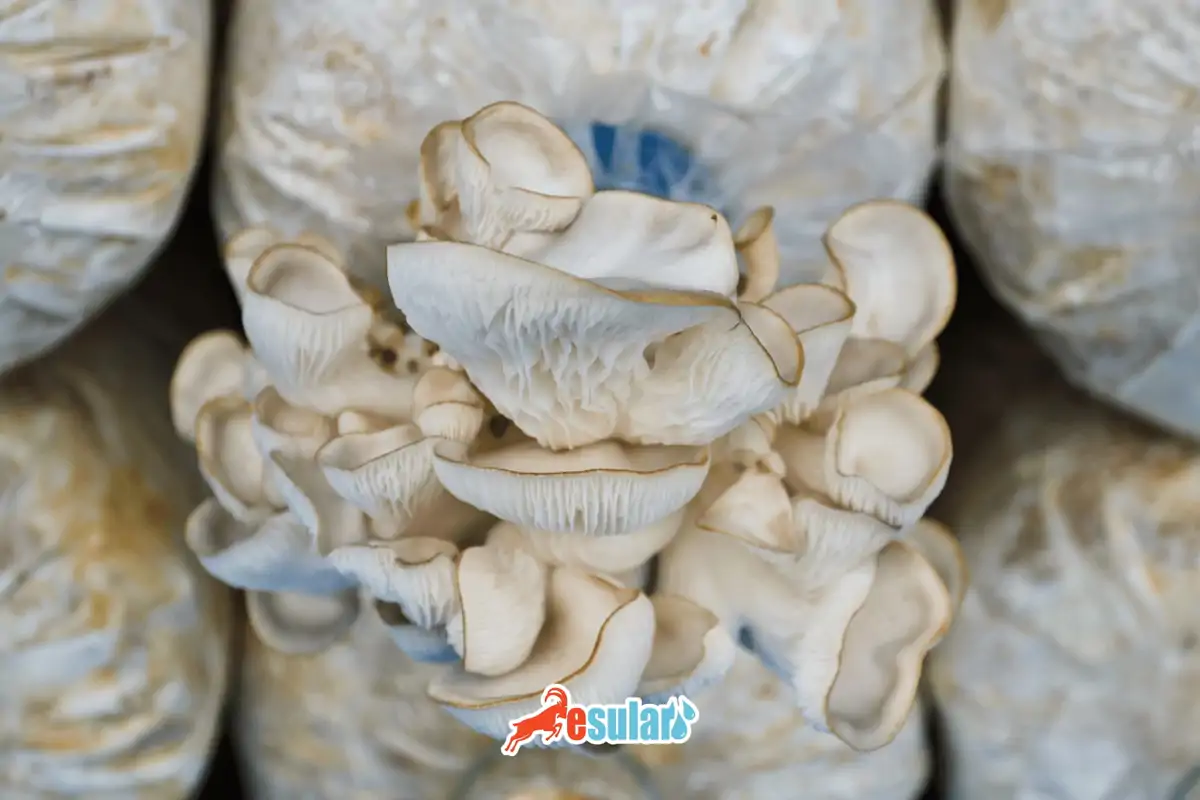
The most exciting point of this cycle is the initial mushroom formation stage, known colloquially as "baby mushrooms." In this process, the mushroom produces special enzymes to develop the fruiting body. It is at this point that the control of environmental factors directly determines the quality of the product.
8 Critical Factors in Mushroom Cultivation
For a successful production process, each of the following eight factors must be meticulously managed according to the mushroom species and growth stage.
#1: Temperature Control
Temperature is one of the most critical variables in mushroom cultivation. The vegetative growth (mycelial development) and generative growth (fruiting) stages of mushrooms require different temperature values. Generally, the ideal temperature range for mushroom cultivation is between 18-23°C (65-75°F). However, this range may flex depending on the genetics of the species being cultivated.
Consequences of temperature imbalances:
- High Temperatures: Cause the growing environment to dry out quickly, mycelia to die, and harmful bacteria to multiply rapidly. In mushrooms like Shiitake and Nameko, it leads to elongation of stems and reduction in cap diameter.
- Low Temperatures: Slow down growth, cause the environment to remain excessively humid, and trigger mold formation.
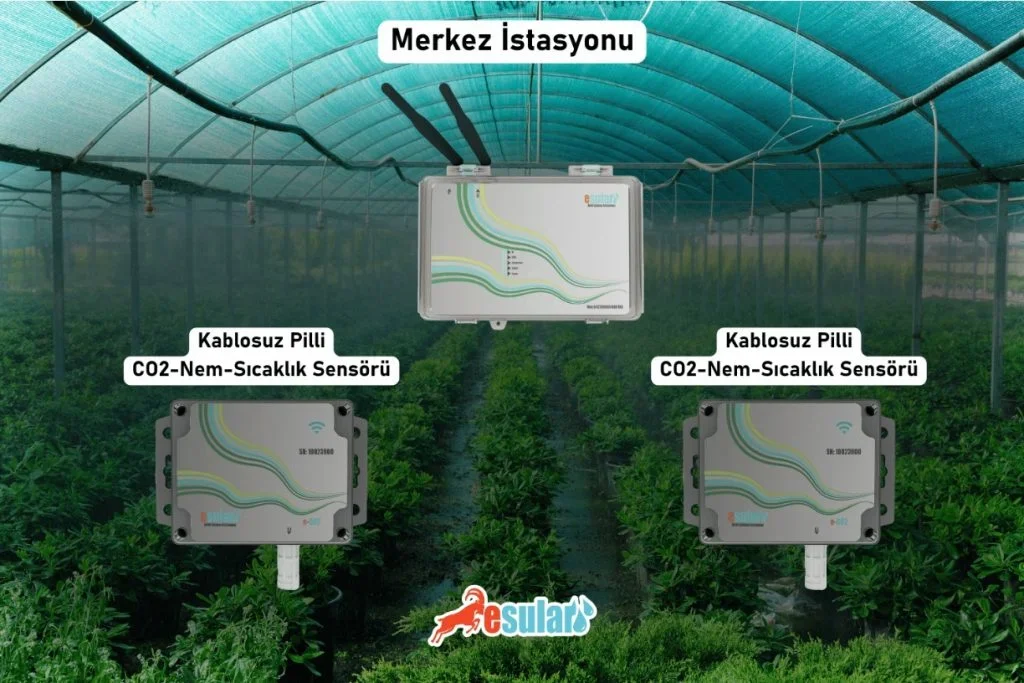
For example, Oyster mushrooms (Pleurotus florida) take on a brownish color at low temperatures such as 10-15°C, while they achieve the desired pale white color at 20-25°C. To maintain this delicate balance, the use of wireless smart greenhouse sensors is of vital importance.
#2: pH Balance
Most mushroom species show the best development in neutral or slightly acidic environments. The pH level of the substrate directly affects nutrient absorption and the rate of mycelial colonization. The ideal pH range is usually between 6.0 and 7.0.
When the pH level is too low (acidic), mycelial growth weakens. When the pH is too high (alkaline), mold and competing microorganisms can invade the environment. For pH measurement, wireless pH sensors that provide continuous data should be preferred instead of manual strips.
#3: Light Requirements
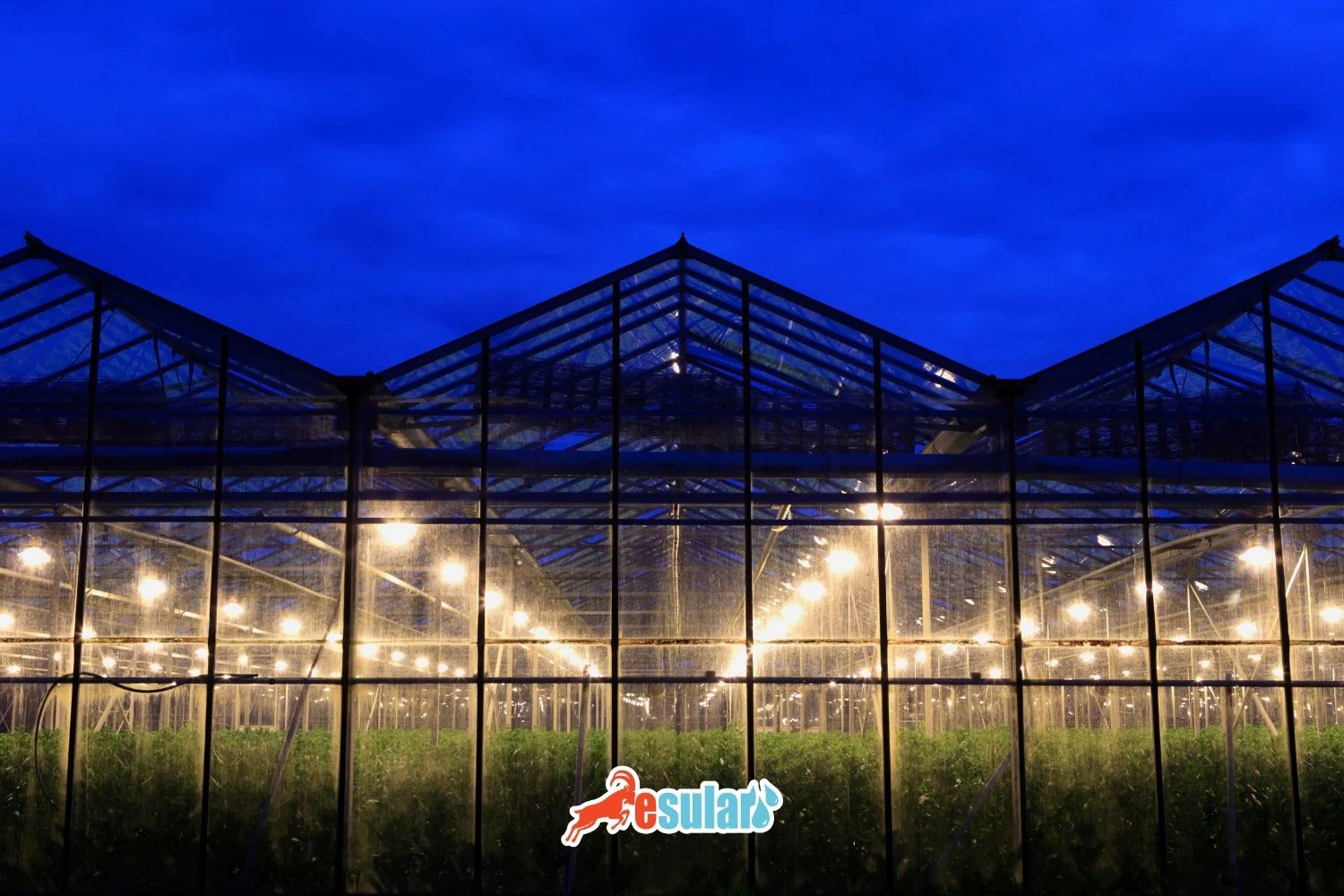
Since mushrooms do not photosynthesize, they do not need light during the growth period. However, in the stage of fruiting body formation, light acts as a trigger. The intensity and duration of light determine the color and form of the mushroom.
Effects of Light Intensity:
- Mushrooms grown under bright and intense light become darker (brown, gray) in color.
- Those grown in environments below 100 lux remain pale yellow or white.
- Giving light at an intensity of 200 lux for 8-12 hours a day during primordial cell formation is ideal.
In artificial lighting, blue-toned LED lamps with a wavelength of 450 nm are generally preferred. Light management is an aesthetic element that increases the market value of the product.
#4: Relative Humidity and Ventilation
Mushrooms develop in environments with 85-95% relative humidity (RH). Water constitutes more than 90% of the mushroom's fruiting body; therefore, a decrease in ambient humidity causes the product to dry out and its development to stop.
Points to Consider in Humidity Management:
- High Humidity (95%+): Leads to bacterial spotting and, if ventilation is inadequate, to decay.
- Low Humidity (below 80%): Causes caps to crack and yield loss.
- Ventilation: It is essential to provide fresh air circulation while maintaining ambient humidity to prevent carbon dioxide accumulation.
To ensure this balance, greenhouse humidity control techniques and high-precision humidity sensors should be used.
#5: Carbon Dioxide (CO2) Management
Carbon dioxide concentration is a signal that determines in which direction the mushroom will develop. CO2 levels in mushroom cultivation should be changed dramatically according to the growth stage.
- Spawn Run (Colonization) Period: CO2 levels should be kept high between 10,000 and 20,000 ppm. This accelerates mycelial growth.
- Fruiting Stage: CO2 levels should be reduced to between 800-1,500 ppm. In species like oyster mushrooms, it may be necessary to go below 600 ppm during harvest.
High CO2 levels during the fruiting stage cause the formation of mushrooms with long stems and small caps (form deformity). For continuous monitoring, wireless CO2 sensors should be used.
#6: Oxygen (O2) Requirement
Mushrooms, unlike plants, take in oxygen and give out carbon dioxide (they respire). Especially during the fruiting stage, the respiration rate increases. If sufficient oxygen is not provided, mushroom growth slows down and the desired fruiting bodies do not form.
However, excessive oxygen intake (uncontrolled ventilation) can lead to the drying out of the mycelium and disruption of the humidity balance in the environment. This situation can also pave the way for harmful mold spores to enter the environment. The balance of oxygen and CO2 should be managed with smart ventilation automation.
#7: Electrical Conductivity (EC)
Although there are fewer studies on EC levels in mushroom cultivation, it is known that high EC values in the casing layer, which is the final layer of the substrate, suppress fruiting. Keeping the salinity rate (EC) under control allows water to be absorbed more easily by the mycelia. Wireless EC sensors for monitoring EC levels are indispensable for modern farms.
#8: Substrate Quality and Hygiene
The quality of the substrate (straw, sawdust, compost, etc.), which is the nutrient source of the mushroom, is the cornerstone of yield. Sterilization or pasteurization of the substrate is necessary for the elimination of competing mushrooms and pathogens. In addition, the water-holding capacity of the substrate must meet the water needed by the mushroom throughout its life cycle.
The hygiene factor is the "make or break" point in mushroom production. The slightest contamination can lead to the loss of products in the entire production room. Therefore, entrances and exits must be controlled and the environment must be continuously disinfected.
Digital Transformation in Mushroom Cultivation with Esular
Mushroom cultivation is a process with a very low margin for error. Controlling these 8 factors manually with traditional methods is both labor-intensive and risky. Esular transforms mushroom farms into smart businesses with its IoT-based solutions.
Recommended Esular Products for Mushroom Cultivation:
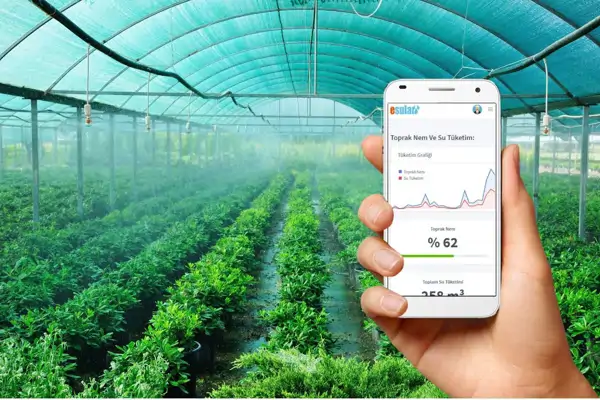
Thanks to Esular's cloud-based management software, you can follow the data in your mushroom farm from your smartphone no matter where you are in the world, and receive instant notifications when critical thresholds are exceeded. This not only increases yield but also reduces your operating costs by providing energy and water savings.
What is the advantage of automation in mushroom cultivation?It minimizes human errors, maintains ideal conditions regardless of day or night, and reduces the risk of disease. For more information, you can examine our article on the benefits of automation.
Conclusion: Mushroom Farms of the Future
Mushroom cultivation is an art where biological knowledge merges with technological precision. Producers who correctly manage the 8 fundamental factors such as temperature, pH, light, humidity, CO2, oxygen, EC, and substrate quality stand out in the market with high-quality and standard products. Agriculture 4.0 technologies offer a sustainable and profitable production model by simplifying this complex process.
As Esular, we stand by our farmers at every stage of agricultural production. You can contact us to modernize your mushroom production facility, guarantee your yield with digital data, and meet our smart sensor solutions. The agriculture of the future is being shaped by today's technology.
For more information and professional solutions:
- Esular Smart Agriculture Solutions: About Us
- Our Product Catalog: Esular Products
- Technical Support and Consultancy: Contact
Don't forget to subscribe to our blog newsletter to be informed about up-to-date information on mushroom cultivation and other agricultural technologies!