Tüm Yazılar


Agricultural Products Grown in the Central Anatolia Region
The Central Anatolia Region is one of the regions with the highest agricultural potential in Turkey. This region, which has hosted many civilizations throughout history, is also very rich in terms of agriculture. The fact that Central Anatolia is referred to as the "granary" emphasizes its importance in agricultural production and its role from past to present. The fertile plains, high plateau flats, and important water resources in the region offer a favorable environment for agriculture. In particular, the Konya Plain is one of the largest and most fertile agricultural lands in Turkey and is a center where major cereals such as wheat are grown.
Additionally, the Upper Sakarya Section hosts large cities such as Eskişehir and Ankara and draws attention with its diversity in agricultural production. The Middle Kızılırmak Section includes the vast Kızılırmak plateau and is a region where products such as sugar beet and sunflower are grown. In the Central Anatolia Region, agriculture forms the basis of the economy and is a source of livelihood for many farmers. The awareness level of farmers in the region regarding agriculture is high, and the use of modern agricultural techniques is increasing. However, natural factors such as drought can sometimes negatively affect agricultural production. For this reason, it is important to develop irrigation systems and consider issues such as climate change.
Central Anatolia Region
The Central Anatolia Region is located in the geographical center of Turkey and is the largest region of the country in terms of surface area. It includes important cities such as Ankara, Konya, Kayseri, Nevşehir, and Aksaray. The region, which is under the influence of a continental climate, has a weather regime that is hot and dry in summers and cold and snowy in winters. These climate conditions are one of the important factors determining agricultural activities. The soil structure is generally fertile and suitable for agriculture. Especially its wide plains and flats offer suitable areas for agriculture. Since irrigation possibilities are limited, dry farming is more common, but with the development of irrigation systems, irrigable agriculture is also gaining importance. Population density is more pronounced in the large cities of the region. Agriculture, industry, and service sectors hold an important place in the region's economy. While agriculture maintains its importance as a source of livelihood, especially in rural areas, the industry and service sectors have developed in large cities.
What are the Grain Products Grown in the Central Anatolia Region?
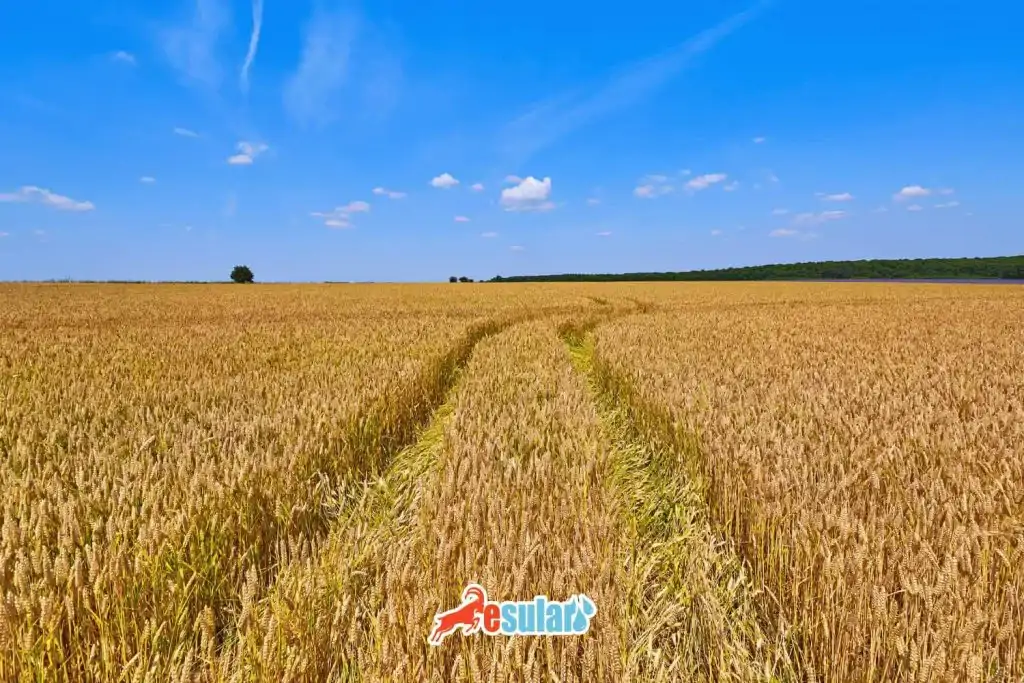
- Wheat: Wheat, one of the most important grain products of Central Anatolia, is intensively grown in the wide plains and flats of the region. Especially the Konya Plain is one of the main production centers of wheat. Bread and durum wheat varieties are generally grown in this region.
Barley: In addition to wheat, barley is also an important grain product in the Central Anatolia Region. Barley production is generally concentrated in provinces such as Konya, Ankara, and Yozgat. Barley is used as animal feed as well as in the beer industry.
Rye: Rye cultivation is carried out in some parts of Central Anatolia. Especially in the northern provinces, the sowing and production of rye can be seen. Its resistance to cold is effective in rye being preferred in these regions.
Oats: Oat production is carried out in some parts of Central Anatolia. Oats are grown especially for use in the feed industry. Depending on the soil structure and climate conditions, oat sowing is more common in certain regions.
Grain production in the Central Anatolia Region is generally concentrated in areas with wide plains and flats. Since irrigation possibilities are limited, agriculture is generally carried out in the form of dry farming. Grains such as wheat, barley, rye, and oats provide significant contributions to the region's economy and form the basis of the agricultural sector.
Legumes Grown in the Central Anatolia Region
Chickpea: Chickpea, one of the important legume products of Central Anatolia, is generally grown intensively in provinces such as Konya, Yozgat, and Ankara. Chickpea, which is a nutrient source rich in protein, is used both in human nutrition and as animal feed.
Bean: Another type of legume widely grown in the region is the bean. Especially in wide agricultural areas such as the Konya Plain, various bean varieties are successfully produced. Beans are a nutritious food source with high protein and fiber content.
Lentil: One of the legumes that holds an important place in the Central Anatolia Region is the lentil. Lentils, grown intensively in provinces such as Konya, Yozgat, and Kayseri, are known for their high protein content and are used both in human nutrition and as animal feed.
Broad Bean: Broad bean, one of the typical agricultural products of Central Anatolia, is widely grown especially in provinces such as Konya, Ankara, and Eskişehir. Broad bean is an important part of a healthy diet and is rich in protein, fiber, and vitamins.
These legumes grown in the Central Anatolia Region provide significant contributions to the region's agricultural diversity and economy. Additionally, these products constitute important sources for a healthy diet.
Vegetables and Fruits Grown in the Central Anatolia Region
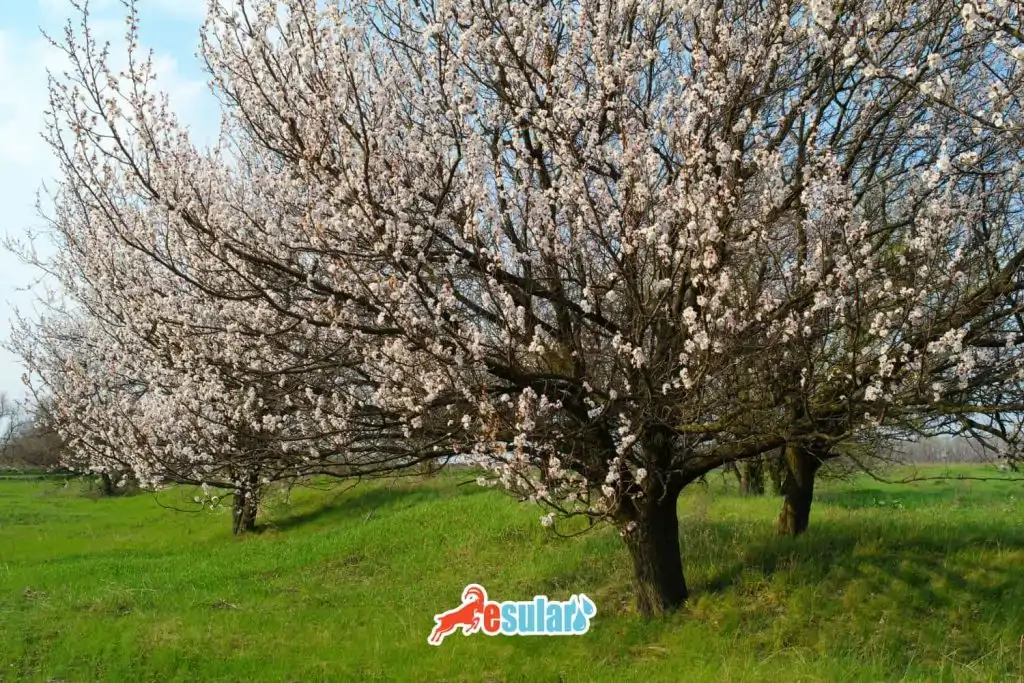
In this region, various vegetables and fruits are grown along with wide agricultural lands and favorable climate conditions. The agricultural products produced in the region not only meet the needs of Turkey but are also exported and presented to international markets. In particular, fruits such as apples, pears, cherries, apricots, and grapes stand out in the region's agricultural production. Apples are grown intensively especially in provinces such as Niğde, Aksaray, and Isparta, while pears are grown intensively in Niğde and Isparta. Cherry production is quite common in regions such as Isparta and Kayseri. Apricots hold an important place in the region, primarily in Malatya and Kayseri. Grapes are provided from provinces such as Nevşehir and Kayseri. Among vegetables, tomatoes, peppers, eggplants, zucchini, cucumbers, cabbage, spinach, peas, leeks, and other greens are widely grown in provinces such as Konya and Ankara. These products strengthen the agricultural potential and economy of the Central Anatolia Region, increasing its competitiveness in both local and international markets.
Other Agricultural Products Grown in the Central Anatolia Region
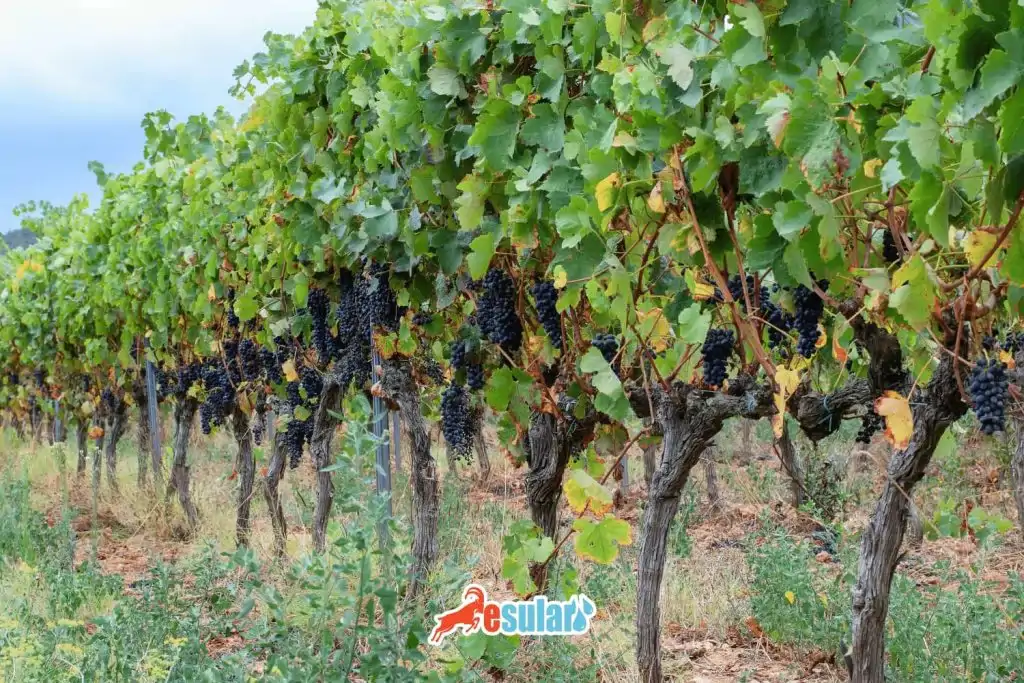
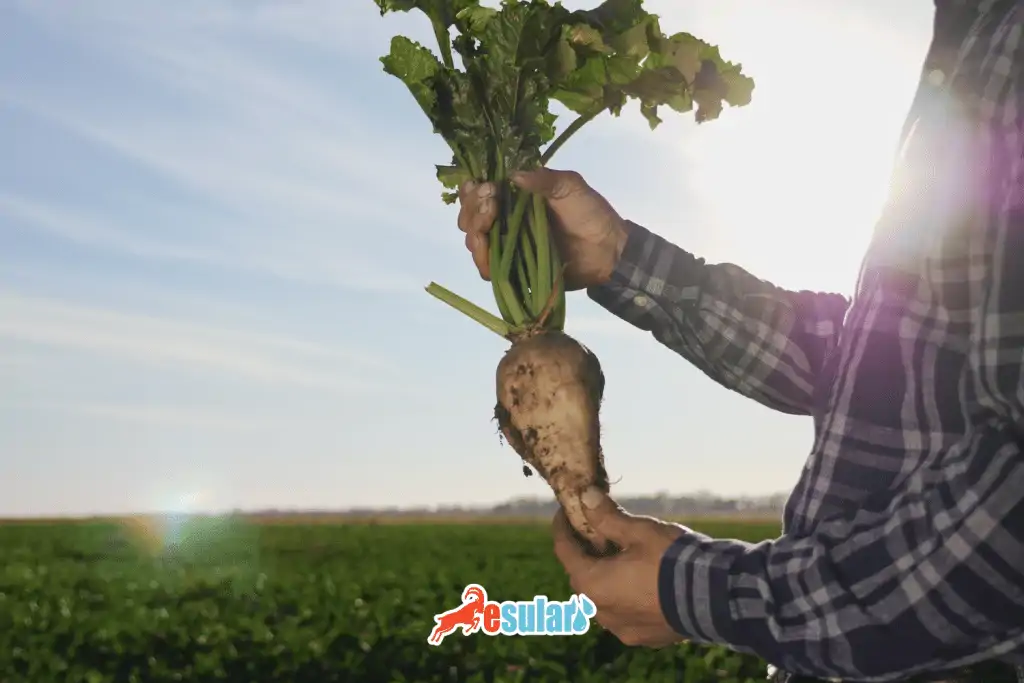
The Central Anatolia Region is a region where agriculture forms the economic basis. In addition to grain and legume products, agricultural products such as sugar beet, sunflower, almonds, and potatoes are grown throughout the region. Sugar beet cultivation is quite common especially in regions where irrigation possibilities are intensive, such as Konya, Eskişehir, and Aksaray. Potato production is concentrated in regions such as Niğde and Nevşehir, in the fertile soils of volcanic lands. Viticulture is also common in the region and fruits such as melons and watermelons are grown, primarily grapes. Sunflower production occurs in irrigable areas, while poppy sowing is concentrated especially in the regions of Central Anatolia close to the Aegean, particularly around Afyonkarahisar. The rich agricultural potential of the Central Anatolia Region provides significant contributions to the region's economy and agricultural sector, and at the same time, it holds a strategic position in terms of agriculture throughout the country with its diversity.
What are the Agricultural Challenges Experienced in Central Anatolia?
Although the Central Anatolia Region has an important role in Turkey's agricultural production, it faces various challenges. The agricultural problems experienced in this region can threaten the sustainability of both the farmers and the region's economy.
- Firstly, the use of agricultural lands for purposes other than intended is an important problem. The decrease in fertile agricultural lands occurs along with the increase in new settlement areas and industrial facilities.
- Land partitioning through inheritance is also one of the agricultural problems in the region. Agricultural lands divided into small pieces make the application of modern agricultural techniques difficult.
- The insufficient training of farmers regarding the use of modern agricultural techniques can negatively affect productivity and product quality.
- The effective and efficient use of water resources is also an important issue. The arid climate of the Central Anatolia Region brings with it an important need for agricultural irrigation. However, the unplanned and excessive use of water resources can lead to water scarcity and pollution of irrigation water.
In some regions, the fertility of the soils is low. Factors such as soils containing insufficient nutrients or salinity negatively affect agricultural production. This situation can prevent farmers' efforts to conduct productive agriculture.
The marketing of their products is also an important challenge. This situation can cause farmers to experience difficulties in selling their products at appropriate prices.
- This region carries the characteristics of a continental climate. Especially the high temperatures and drought experienced in the summer months negatively affect agricultural production.
- Finally, environmental problems such as environmental pollution and soil erosion also threaten agricultural production.
What Can Be Done to Cope with Agricultural Challenges?
Land Consolidation: Land consolidation can be applied to combine agricultural lands divided into small pieces and create larger and more regular lands. This allows for more effective use of modern agricultural machinery and an increase in agricultural productivity.
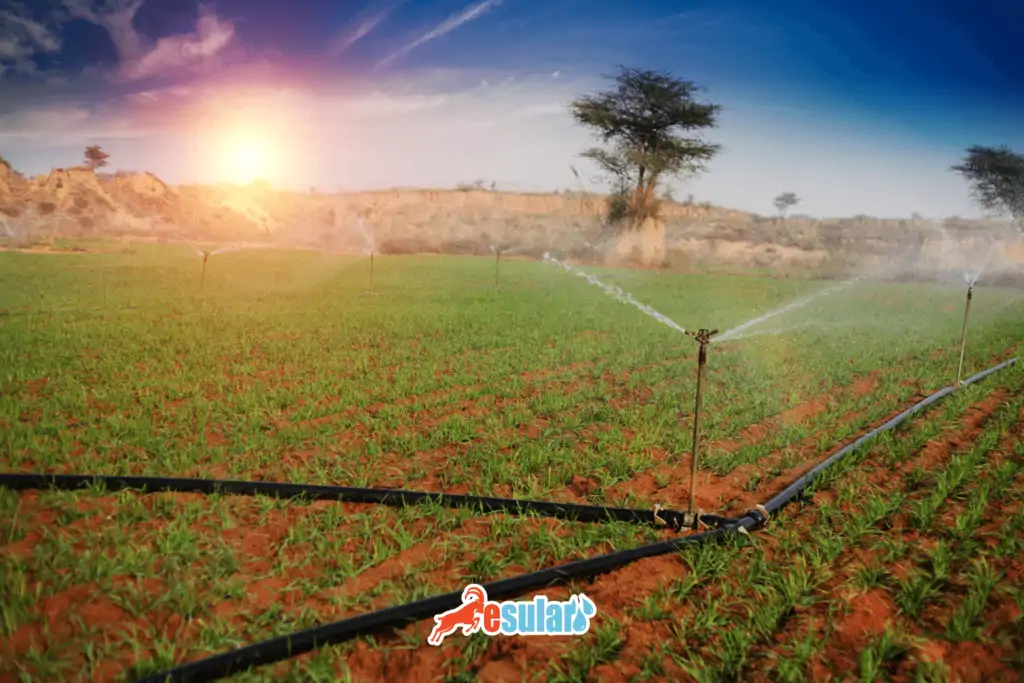
Smart Irrigation Systems: More efficient use of water can be ensured by using smart irrigation systems based on advanced technology. These systems adjust the amount of irrigation by continuously monitoring the moisture level of the soil. In this way, both water and labor are saved. You can contact us to get more information on this subject. https://esular.com/esular-hizmetlerimiz
Pressurized Irrigation Systems: Pressurized irrigation systems, which are more efficient than traditional irrigation methods, can be used.
Prevention of Non-intended Use of Agricultural Areas: Strict urbanization and land use policies can be created to prevent the use of agricultural lands for purposes such as housing, industry, or infrastructure.
Training and Consultancy Services: Training and consultancy services can be offered to farmers on modern agricultural techniques, water management, and environmental protection.
Environmental Protection Measures: It is necessary to prevent the excessive use of chemical fertilizers and pesticides, encourage organic farming, and take soil protection measures for erosion control. In this way, long-term sustainability of agriculture can be ensured by preventing environmental destruction.
Climate Change Adaptation Efforts: It is necessary to develop seed varieties resistant to climate change, teach farmers strategies for coping with climate change, and strengthen meteorological information and early warning systems.
Updating Agricultural Policies: The agricultural sector can be supported with steps such as providing financial support to farmers, expanding agricultural insurance, and strengthening marketing cooperatives.
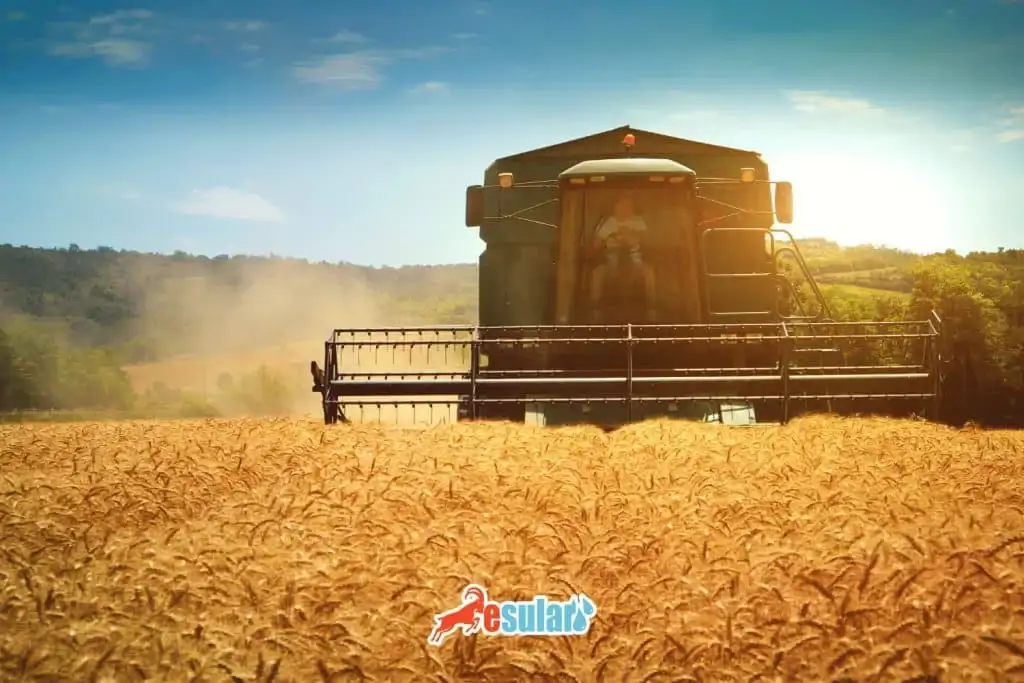
Use of Innovative Agricultural Technologies: For example, the agricultural sector can be made more efficient with innovations such as monitoring agricultural lands from the air with drone technology, optimizing agricultural decisions with data analytics, and using robotic agricultural machinery.
These measures can contribute to the solution of agricultural problems in the Central Anatolia Region and reduce the challenges experienced by farmers in the region. However, cooperation and coordination between the public, private sector, and non-governmental organizations are important for these measures to be successful.
Kategoriler