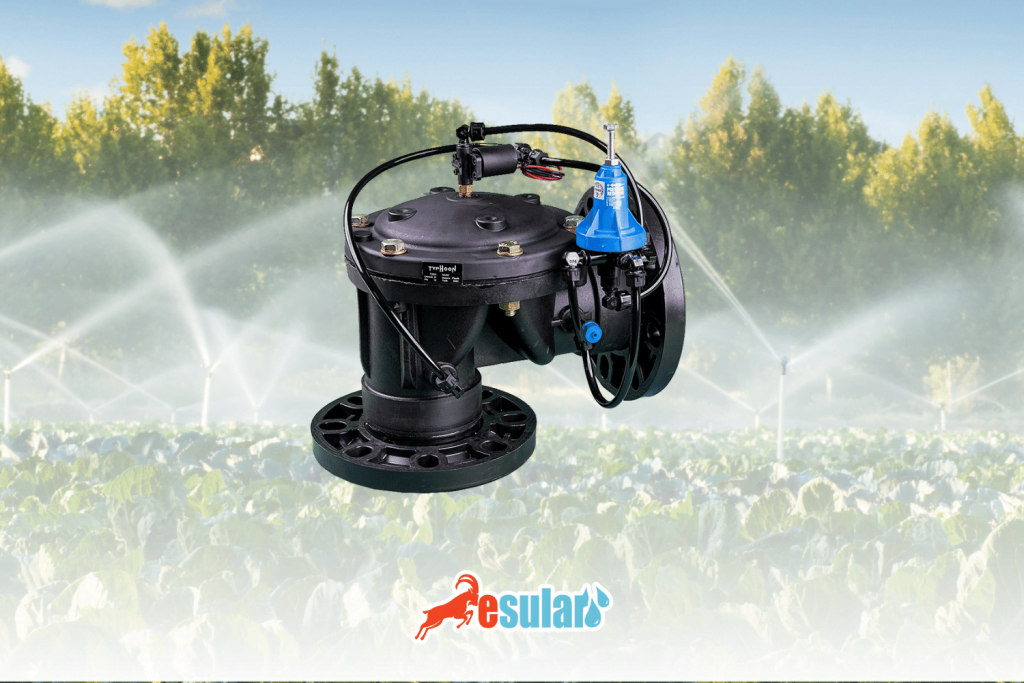
Solenoid valves are electromechanical devices that control the flow of fluids (liquid or gas) by converting electrical energy into mechanical energy. These valves start working when they receive an electrical signal. The electrical signal is transmitted to the solenoid coil, and this coil acts as an electromagnet, creating a magnetic field. The resulting magnetic field moves the metal core (plunger) inside the valve. The movement of the core changes the position of the orifice (hole) inside the valve. When the core moves up, the orifice opens and allows fluid passage; when the core moves down, the orifice closes and prevents fluid passage.
In normally closed (NC) valves, the valve remains in the closed position when the electrical energy is cut off. When energy is applied, the magnetic force pulls the core up, and the orifice opens, allowing fluid passage. In normally open (NO) valves, the valve remains in the open position when the electrical energy is cut off. When energy is applied, the magnetic force pushes the core down, and the orifice closes, preventing fluid passage. In pilot-controlled solenoid valves, the solenoid coil controls the pilot valve rather than the main valve mechanism directly. The pilot valve changes the pressure on the main valve, causing the main valve to open and close. When the electricity is cut off, the coil loses its energy and the magnetic field disappears. In the absence of a magnetic field, the spring inside the valve pushes the core back to the original position of the orifice. In this way, normally closed valves close and normally open valves open.
Solenoid valves regulate the flow of fluids by operating with electrical signals. The electric current applied to the coil creates a magnetic force, and this force moves the core inside the valve. This movement ensures the opening or closing of the valve, thus controlling the passage of the fluid. When the electricity is cut off, the valve returns to its original position, providing reliable and automatic control.