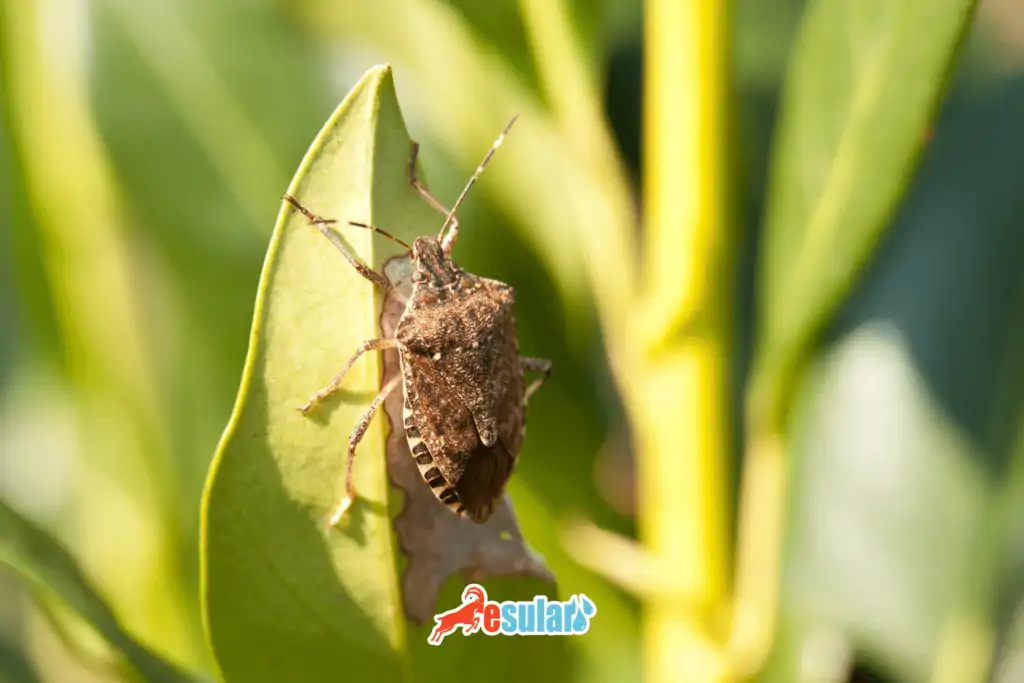
Brown marmorated stink bug (Halyomorpha halys), is a species originating from Far Eastern countries such as China, Japan, Korea, and Taiwan. The brown marmorated stink bug, which has 300 hosts, is a harmful, invasive species that causes serious losses in agricultural production. It jumped from its homeland to North America in the 1990s and began to be seen in Europe in the 2000s. This harmful organism, detected in Georgia in 2016, caused an outbreak in 2017, leading to serious economic losses.It was first detected in Turkey in 2017 in Artvin’s districts Kemalpaşa and Hopa.One year later, it formed a population in these areas. In the following year, it expanded to new districts and provinces. The brown marmorated stink bug, spreads from one country to other countries through plant materials, transportation vehicles, the flight of adults, and commercial activities. The brown marmorated stink bug does not have a harmful effect on human health. However, since it prefers sheltered areas such as houses and warehouses for overwintering especially at the end of the summer season, it causes physical discomfort.
Appearance of the Brown Marmorated Stink Bug
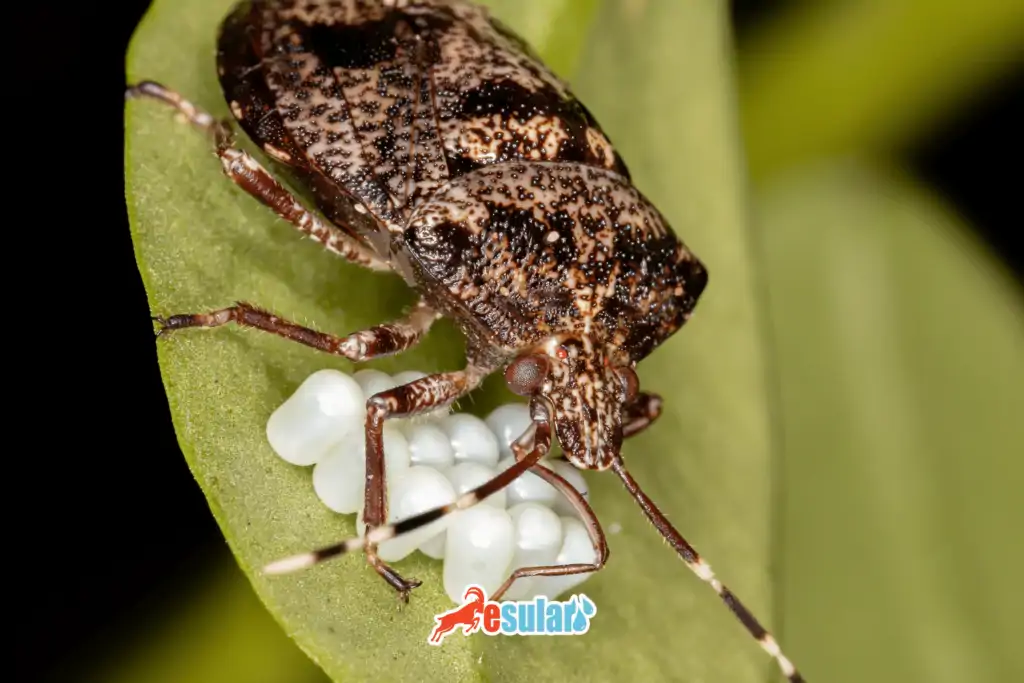
The brown marmorated stink bug is also known by the public as the fart bug. Adults are 12-17 mm in size. The brown marmorated stink bug is a species spotted in shades of brown. It has pale-colored eggs approximately 1-3 mm in diameter and 1.6 mm in length. They mostly lay their eggs on the underside of leaves in clusters of 14-28. Eggs that undergo five nymphal stages reach adulthood.
Damages of the Brown Marmorated Stink Bug
The brown marmorated stink bug is an invasive, polyphagous species. It damages many vegetable, fruit, and cereal products. These are: pepper, tomato, apple, hazelnut, pear, peach, kiwi, apricot, cotton, and rice. They cause damage in two ways: directly and indirectly. It creates direct damage to the plant it hosts. It causes indirect discomfort to people in the areas where it gathers for overwintering. It has a sharp sucking mouth structure. It causes damage by sucking on many fruits and vegetables with its adults and nymphs. It initially creates small necrotic areas in the fruits it feeds on. It causes the main damage during the ripening process of the fruits. Especially in products such as apples, pears, peaches, and nectarines, the damage occurring throughout the production period causes deep necrosis in fruits, shape deformities, and rot-like tissue losses that expand within the fruit. Soybean and corn kernels lose their seed properties due to the pest. It causes empty, deformed, and spotted fruit formation in hazelnuts. It leads to loss of yield and quality. The pest feeds on many host plants in the pre-maturation period. The damage caused by this species becomes more evident as harvest time approaches.
Transmission Routes of the Brown Marmorated Stink Bug
With Production Materials: Can be transported with eggs and nymphs found on seedlings and saplings, which are plant production materials.
With Fresh Fruits and Vegetables: Can be transmitted with eggs, nymphs, and adults on vegetables and fruits transported during shipment.
Through the Flights of Adults: Adults with high flight capacity can fly an average of 2 km within 24 hours.
During the Import Process: Adults gathered on products and transport materials stored for long periods during the overwintering period can be transmitted during import procedures.
Brown Marmorated Stink Bug in the House
The spreading methods of the brown marmorated stink bug occur through plant materials, transportation vehicles, the flight of adults, and import processes. Therefore, it is important to identify pest areas and prioritize internal quarantine measures. The pest prefers sheltered areas, especially houses and warehouses, for overwintering at the end of the summer season. For this reason, control in overwintering sites is of great importance. Mechanical control (collection and destruction of adults) to be carried out before leaving the overwintering sites in the spring is important. Chemical control can also reduce the population during the year.
Does the Brown Marmorated Stink Bug Harm Humans?
The brown marmorated stink bug does not pose any danger to human health. At the end of the summer season, they generally prefer sheltered areas such as houses and warehouses for overwintering. Therefore, it can cause physical discomfort.
How to Eradicate the Brown Marmorated Stink Bug? Brown Marmorated Stink Bug Pesticide
Chemical control can be applied in agricultural areas infested by the pest. In biotechnical control, pheromone traps can be utilized. Our Ministry has been fighting the brown marmorated stink bug since 2018. For this purpose, it has continued its research studies by distributing pheromone traps to Provincial Directorates to identify infested areas. Posters and brochures introducing the pest have been prepared to raise public awareness. Additionally, the Technical Instruction for Agricultural Control of the Brown Marmorated Stink Bug has been created. Plant protection products have been licensed for chemical control. Mass production studies of the egg parasitoid Trissolcus japonicus, which will be used in the fight against the pest, have been completed. Mass release into the region began in June 2023.