There are so many cactus species that there are very different types of cacti that you might be surprised. Cacti being this numerous is the clearest indicator of how open our world is to changes. You can get information about different types of cacti by browsing our list.
Acanthocalycium
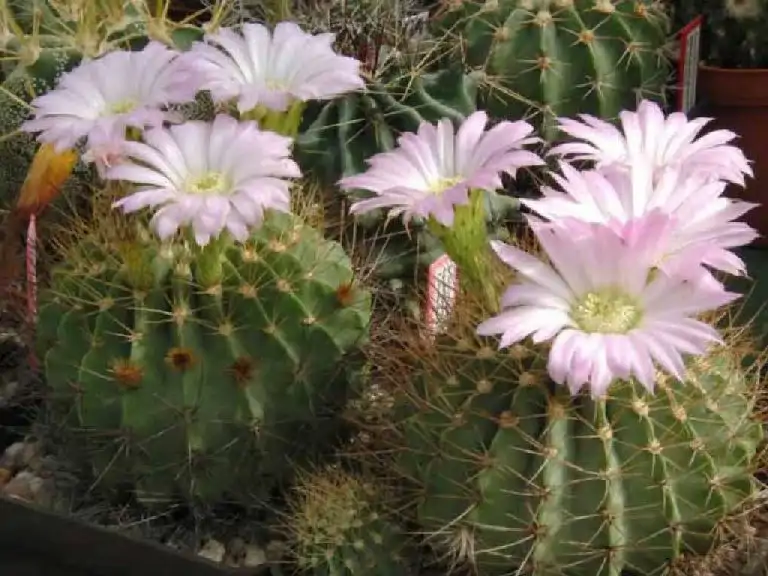
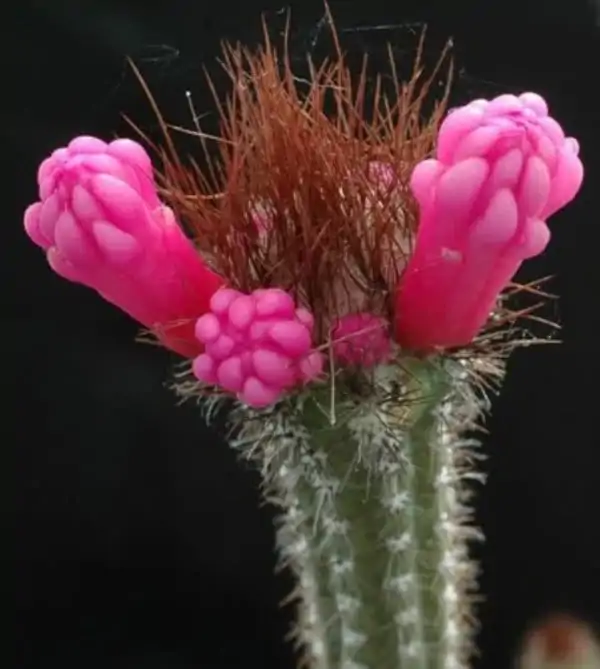
Acanthocalycium is a cactus genus consisting of various species from Argentina. The taxon name comes from the Greek akantha and calyx, referring to the spines on the flower tubes. These plants are spherical for growing with numerous ribs on spiny stems
Aporocactus
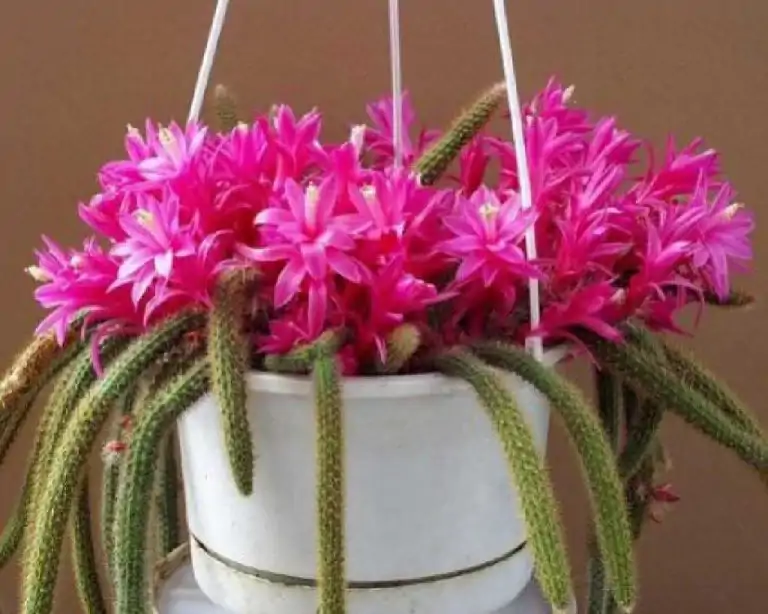
Aporocactus flagelliformis (syn. Disocactus flagelliformis), which is the rattail cactus, is a species of Cactaceae and is the most cultivated species in its genus. Due to its ease of cultivation and attractive flower displays, it is generally grown as an ornamental potted plant.
Acanthocalycium
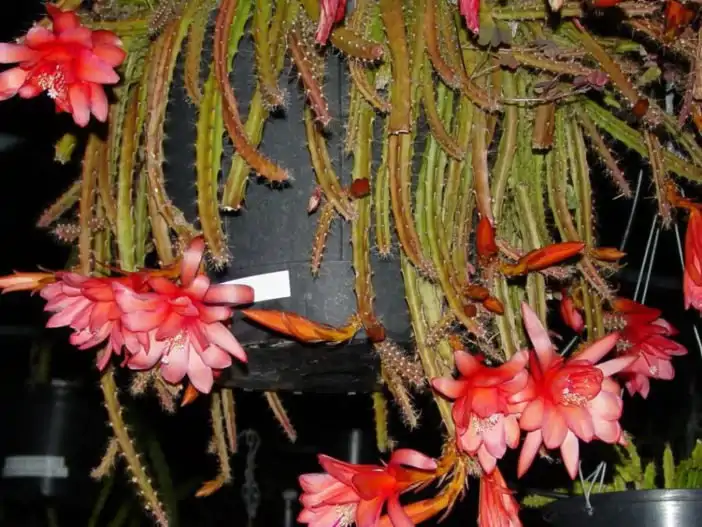
Aporophyllum 'Edna Bellamy' is a hybrid between Disocactus (formerly Aporocactus) and Epiphyllum. It is an easy-to-grow cactus with almost rope-like angled stems having a few strong spines. It blooms very profusely. The flowers are 5 cm in diameter, very abundant, and have light red and peach tones. They can stay open for 3 to 4 days.
Ariocarpus
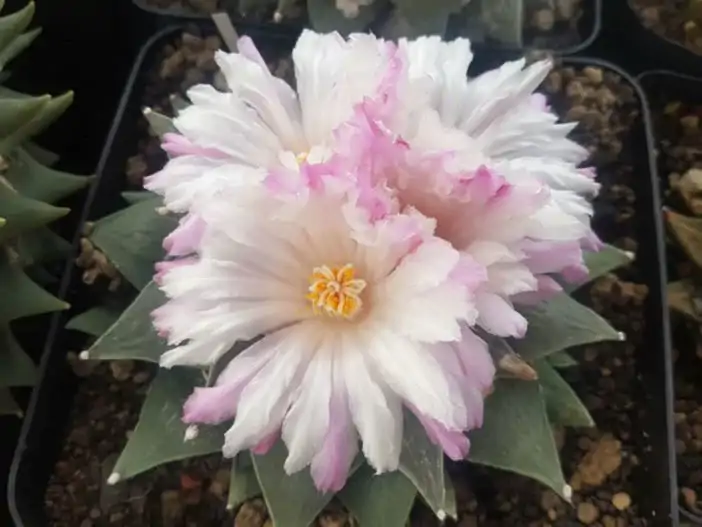
Ariocarpus retusus var. furfuraceus is a slow-growing, solitary, geophytic cactus where the tubercles extend slightly above ground level. It differs from the standard form of Ariocarpus retusus only for its equilateral triangular tubercles; all other characteristics show they are clearly distinct. The stem is gray-green, flattened, spherical, rounded at the top, up to 12.5 cm long and up to 10 inches in diameter at 25 cm. The flowers are diurnal, white to pinkish, up to 2 cm long and up to 2 cm long.
Arrajadoa
Astrophytum
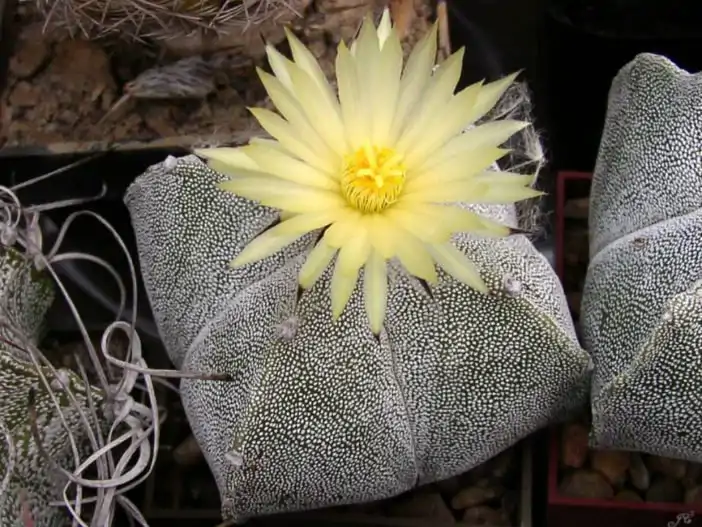
Astrophytum myriostigma var. quadricostatum is a form of Astrophytum myriostigma with 4 ribs instead of 5. The stem is up to 90 cm long and 10 cm in diameter. The flowers are pale yellow, up to 5 cm long, and are seen in spring and summer.
Austrocylindropuntia
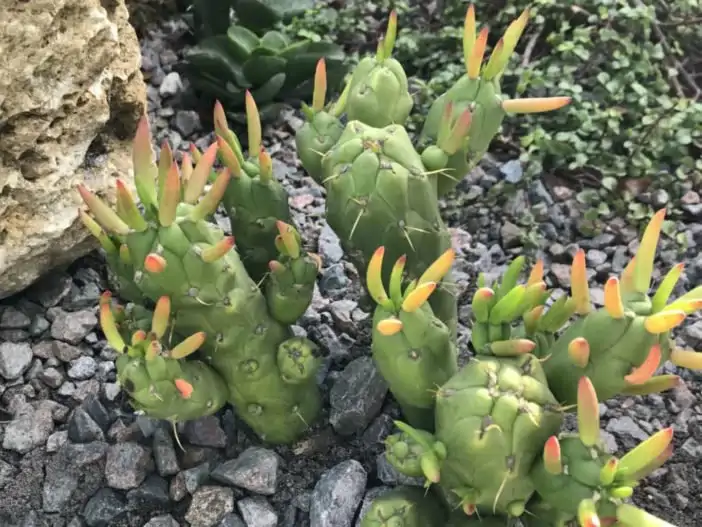
Austrocylindropuntia subulata 'Gumby', also known as Opuntia 'Gumby', is the dwarf, monstrose form of Austrocylindropuntia subulata. An unusual and rare cactus with cylindrical, green stems with yellow spines and spike-like green leaves. Unlike A. subulata, this form does not grow as large and freely branching lateral arms.
Rebutia
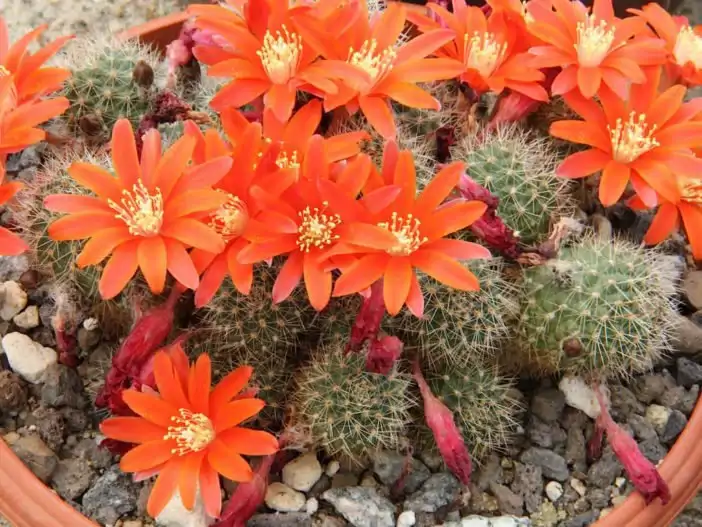
Rebutia fiebrigii is a small cactus, solitary at first, then offsetting to form a compact mound. Stems are rounded, slightly elongated, up to 6 cm in diameter, with short white spines and light green tubercles. It is a free-flowering species. Flowers are produced curving upwards halfway up the stems. They are yellow, bright orange, or vermillion red, funnel-shaped, 4 cm long and 4 cm (1.6 inches) in diameter.
Aztekium
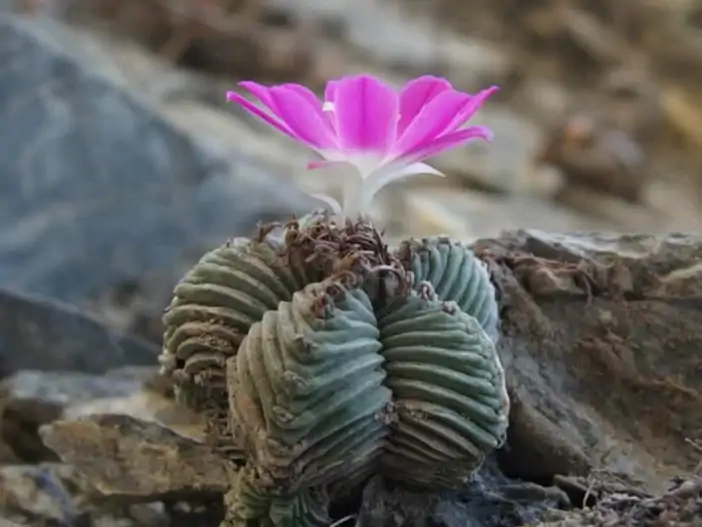
Aztekium valdezii is a small cactus, solitary or branched from the base and up to 6 cm long. The stem is star-shaped when viewed from above, greenish-gray, and spherical with a diameter of 6 cm (2.4 inches). Spines are 0.4 inches (1 cm) long, flattened, curved, and bend toward the top of the plant and are found only on the upper half of the stem. Flowers are funnel-shaped, dark pink or red and the proximal third is white, 2 cm long and 1 inch (2.5 cm) in diameter. They bloom in late spring and early summer.
Cereus
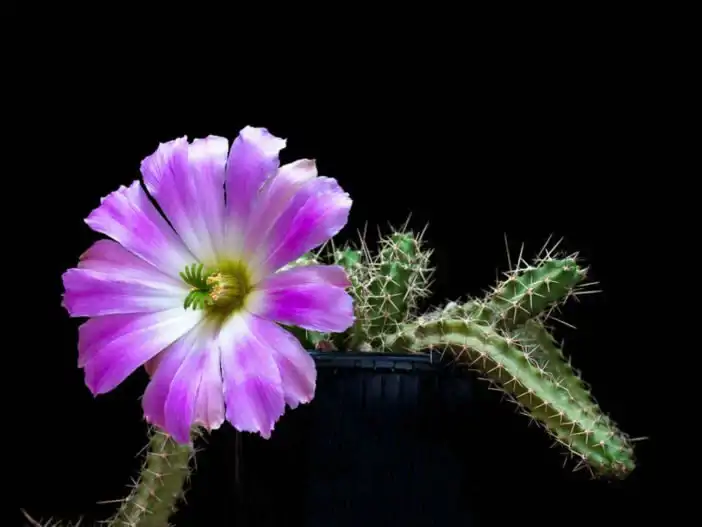
Echinocereus pentalophus subsp. procumbens mostly with thinner, semi-prostrate stems than Echinocereus pentalophus subsp. pentalophus. It grows 8 inches (20 cm) tall and spreads up to 3.3 feet wide. Its stems are branched, dark green to reddish-purple, and up to 0.8 inches (2 cm) in diameter. They have 4 to 5 ribs with 4 to 8 spines, one of which is slightly longer and more central. Flowers are bright pink or magenta, up to 15 cm in diameter, and are seen in late spring.
We will continue to add new cactus species to our list.