Chestnut cultivation is an agricultural activity with both economic and ecological importance in Turkey and worldwide. In our country, chestnut production, which is widely carried out especially in the Black Sea region, is a part of the cultural heritage of the region. Chestnut, which has high nutritional value, is very rich in terms of protein, carbohydrates, and vitamins. Both consumed in the domestic market and is a product that brings income in foreign trade. At the same time, it ensures ecological balance by protecting biodiversity in natural ecosystems. With the nutritional value and commercial importance it provides, chestnut is an important agricultural product that supports ecological balance while increasing agricultural diversity. For this reason, chestnut cultivation both contributes to local economies and protects ecosystems as a part of sustainable agriculture.
What is Chestnut?
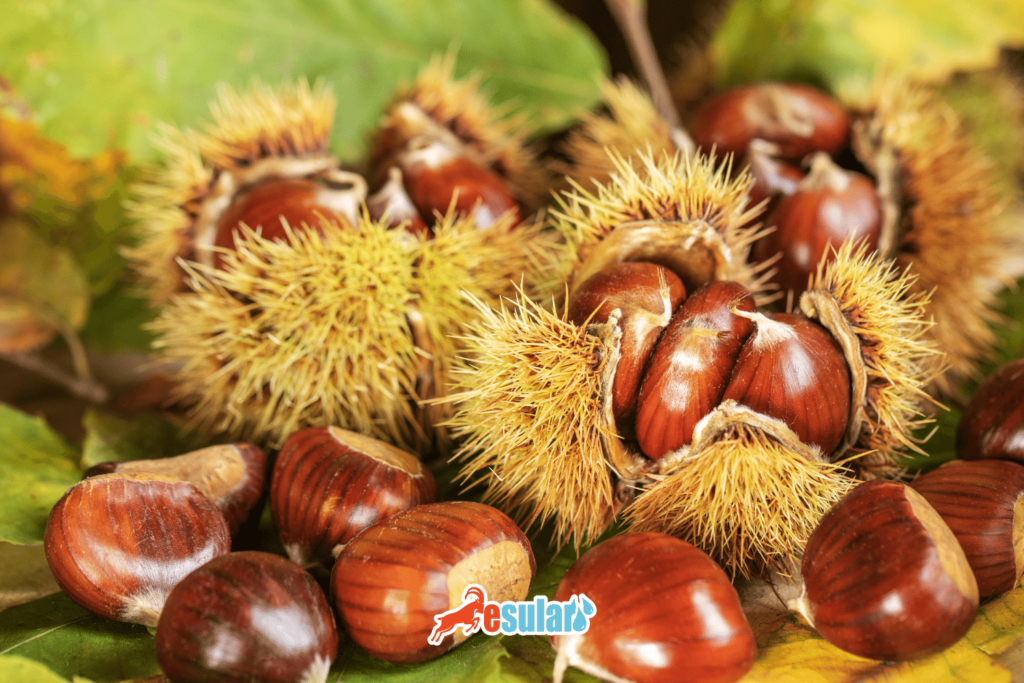
Chestnut is a tree species that blooms in the winter season and is called a winter fruit. The fruit of the tree, the chestnut, contains a soft, nutritious inner part within its hard outer shell. This inner part can usually be consumed by cooking or boiling. At the same time, it is also known as a nut used in meals or pastry making.
Chestnut Climate Requirements
Chestnut generally grows in temperate climates. Although it is resistant down to -30 degrees in winter, it has a sensitive structure against extreme summer heat and spring frosts. These extreme heats can lead to the emptying of the inner parts, especially during the fruit ripening process. The annual amount of precipitation is very important for chestnut cultivation. Generally, if the annual precipitation is below 600 mm, it may need to be supported with irrigation methods. In regions receiving between 600 and 1600 mm of annual precipitation, chestnuts can grow without the need for irrigation.
Where Does Chestnut Grow?
In Turkey, it is observed that the chestnut, which is frequently grown especially in the Marmara, Black Sea, and Aegean regions, develops most productively in the Aegean Region. Approximately 70% of the chestnut produced in Turkey is grown in the Aegean Region. The climate and soil structure of this region have especially suitable conditions for chestnut cultivation. However, with proper care and management, chestnut cultivation can also be carried out in different regions.
In Which Soils Does Chestnut Grow?
Chestnut trees generally prefer deep, well-drained, humus-rich, and loamy soils. The pH level of the soil should be between 6 and 7. Well-drained soils prevent the roots from holding water and being damaged, while humus-rich soils meet the nutritional needs of the tree. Especially soils of volcanic origin and rich in potassium provide an important advantage for chestnut cultivation. These types of soils allow the roots of the chestnut to spread and develop healthily.
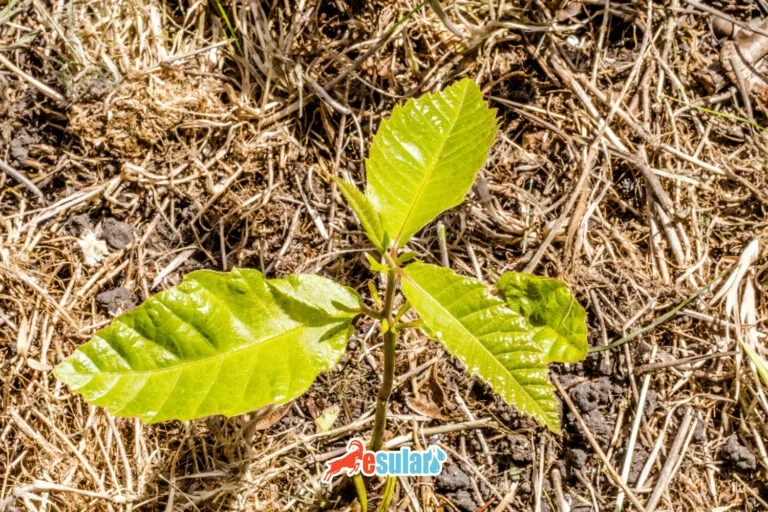
Planting Chestnut Saplings
The planting of chestnut saplings is generally preferred in the spring or autumn seasons, depending on the climate and local weather conditions of the region. The most suitable time for sapling planting is when the risk of frost decreases in the spring or when the soil is still warm while air temperatures drop in the autumn. The land should be in an area exposed to sunlight and wind, but at the same time carrying no risk of frost. Chestnut trees generally love the sun. The slope and altitude of the land can also be important for planting; a location sheltered from strong winds can support the healthy growth of saplings. These features should be considered in the selection of the planting area to ensure the healthy and productive growth of chestnut saplings.
It is important to moisten the roots of the saplings well and soak them in water before planting. Saplings are generally planted at intervals of up to 6 meters. This interval is determined by considering the development of the saplings and the width that adult trees will create. Regular irrigation and maintenance of the saplings after planting help the roots settle and adapt to the new environment. Regular irrigation is important for the development of saplings, especially in the first months after planting. In this way, chestnut saplings planted under suitable conditions and with correct care can grow healthily and turn into productive trees.
How Should Chestnut Irrigation and Maintenance Be Done?
The irrigation need for chestnut trees generally depends on the precipitation regime of the region, the soil structure, and the growth status of the tree. Irrigating the trees 2-3 times during drought periods or in the first months after planting can be beneficial for their healthy development. Nevertheless, depending on the drought, irrigation of mature chestnut trees is not highly recommended.
Pruning the Chestnut Tree
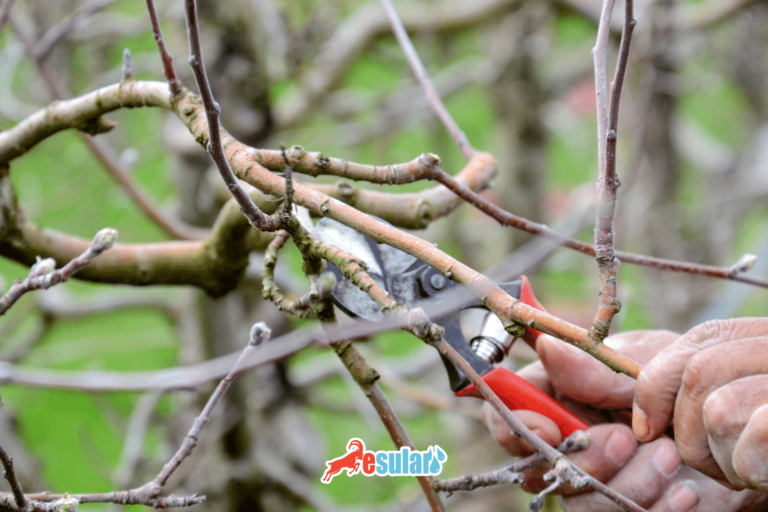
The purpose of pruning is to maintain the health and structural integrity of the tree, increase fruit yield, or regulate the aesthetic appearance of the tree. Chestnut trees are generally pruned in the spring or summer months.
There are some points to be considered during the pruning process. Diseased, dried, or damaged branches of the tree should be cut, and in addition, branches remaining in the inner part of the tree that do not receive light should also be removed. This ensures the ventilation of the inner parts of the tree. It is important not to damage the main trunk of the tree while pruning. Excessive pruning should not be done on chestnut trees, because the trees naturally usually require little maintenance. Pruning should be done according to the need.
Chestnut Harvest
Chestnut harvest takes place in the autumn. When the fruits begin to ripen, they are usually harvested in September and October. Harvesting is more productive when done during the full ripening period of the fruits. Ripe chestnut fruits are collected for harvest. They are generally considered ripe when their shells begin to crack and turn a dark color. After the fruits are collected, their shells can be opened and the soft part inside can be removed. It is important to collect and store the fruits with care during harvest. Fruits should be collected carefully by hand or with special tools, and damage to them should be prevented. During storage, keeping the fruits in a cool and dry environment prevents them from spoiling.
How Many Years After Planting Does a Chestnut Tree Bear Fruit?
Chestnut trees generally start bearing fruit between 3 to 5 years after their planting. However, this period may vary depending on various factors. Factors such as the species of the tree, the conditions in which it is grown, soil quality, level of care, and climate can affect the fruit-bearing period.
How Much Product Does 1 Chestnut Tree Give?
On average, a mature chestnut tree can yield between 50 to 200 kilograms of fruit annually. However, this amount is specific to a particular year or condition. In some years, the tree may yield more fruit, and in some years, less. Additionally, maintenance practices such as the health of the tree, fertilization, irrigation, and pruning can also affect the yield.
Also, different chestnut varieties can have different productivity levels. Some varieties yield more fruit, while some may be less productive. For this reason, it is difficult to give an exact number regarding the productivity of a chestnut tree.