Tüm Yazılar

Dragon Fruit Cultivation

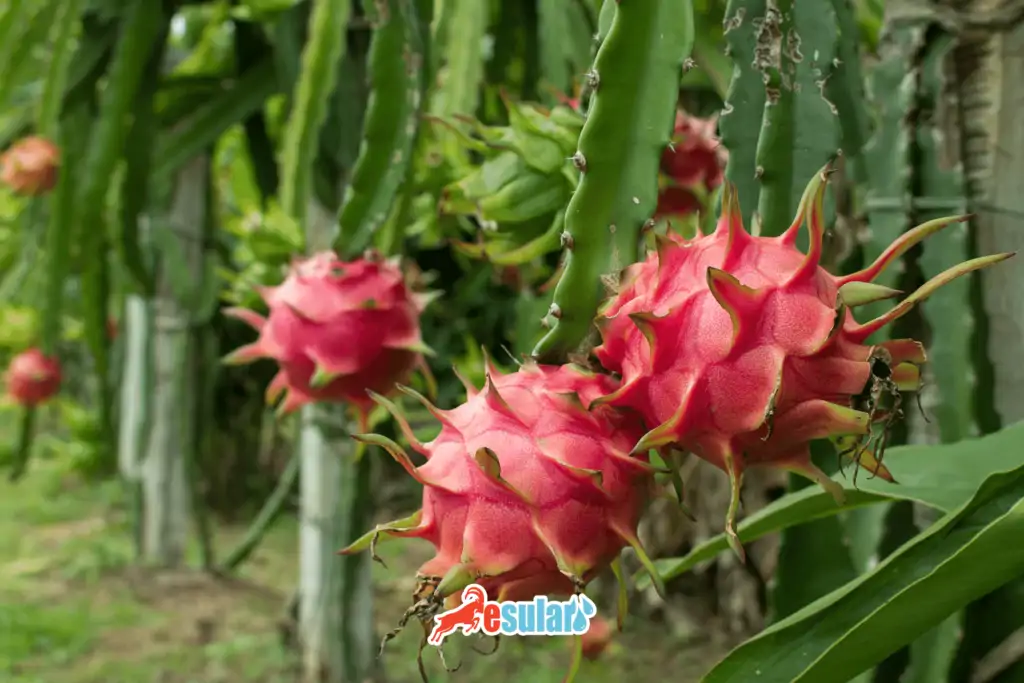
Dragon fruit is also known as pitaya or dragon fruit, which is a tropical fruit. This fruit generally grows in tropical and subtropical regions. This fruit has a scaly and brightly colored outer skin, while the inside has soft and sweet flesh. It can generally be in white, pink, or red colors.

What Are the Benefits of Dragon Fruit? How to Consume Dragon Fruit?​​​

Pitaya stands out as a tropical fruit that draws attention with its eye-catching color and nutritious content. This fruit, containing a high rate of Vitamin C, can strengthen the immune system and protect the body against infections. At the same time, being rich in antioxidants can reduce cellular damage by fighting free radicals in the body, show a protective effect against cancer, and reduce signs related to aging. The fiber content of this fruit can support digestive health, regulate the digestive system, and help with weight control. Additionally, it has been shown in certain studies that it can help keep blood sugar in balance and support skin health. This fruit can provide a general health contribution with its healthy nutrient content and offers a nutritious option with various usage forms.

This fruit can be consumed fresh by being chopped or peeled. It can be eaten directly with the help of a fork or used to add color and flavor to fruit salads. It can be a preferred ingredient in smoothies or fruit juices. Additionally, it can be used as a natural sweetener in making ice cream or in dessert recipes. Pitaya fruit offers a delicious choice in various dishes or desserts.

how to eat dragon fruit

Where Does Dragon Fruit Grow?

This fruit is a fruit that grows in tropical and subtropical regions. It is generally grown in Asia, Central and South America, and in some regions in Africa. It is found in abundance especially in countries such as Mexico, Vietnam, Thailand, Colombia, and Indonesia. This fruit prefers hot and humid climate conditions; however, some species can also adapt to drier and subtropical climates. This fruit can generally be found in local markets in these regions or in places that sell tropical fruits.

Does Dragon Fruit Grow in Turkey?

Dragon fruit is farmed in Turkey, especially in the Mediterranean Region and some other regions. The hot climate and suitable soil structure of the Mediterranean Region offer favorable conditions for the growth of pitaya fruit. In this region, the farming of this fruit is carried out in provinces such as Antalya, Mersin, and Adana. Dragon fruit cultivation can also be done in other regions of our country when suitable conditions are provided. However, the regions where its farming is more commonly done are generally located in the Mediterranean Region. 

How to Grow Dragon Fruit?

Pitaya cultivation is a process that includes stages of providing suitable climate conditions, soil preparation, sapling selection, regular maintenance, and harvest. Observing the needs of the plant during the growth process and performing the necessary maintenance is important for successful cultivation. In our country, this fruit is generally grown in greenhouses. The greenhouse environment helps the plant grow more successfully by providing the temperature, humidity, and controlled climate conditions it needs. Especially in regions with cold or variable climates, growing dragon fruit in greenhouses is a safer option. The greenhouse can provide a more regular and efficient production by keeping the ripening process of the plant under control.

dragon fruit

What Are the Climate Requirements for Dragon Fruit?

Pitaya prefers hot and humid climate conditions. Temperatures between 20 and 30 degrees are most suitable for optimum growth and yield. High humidity can be beneficial for the plant, but excessive humidity can affect quality during fruit ripening. Sunlight is necessary for the healthy development of the plant; abundant sunlight positively affects the growth and fruit yield of the plant. Pitaya fruit is generally grown in tropical and subtropical regions and prefers the climate conditions of these regions. Therefore, providing suitable climate conditions is critical for the healthy growth and efficient fruit yield of the plant.

How to Plant Dragon Fruit?

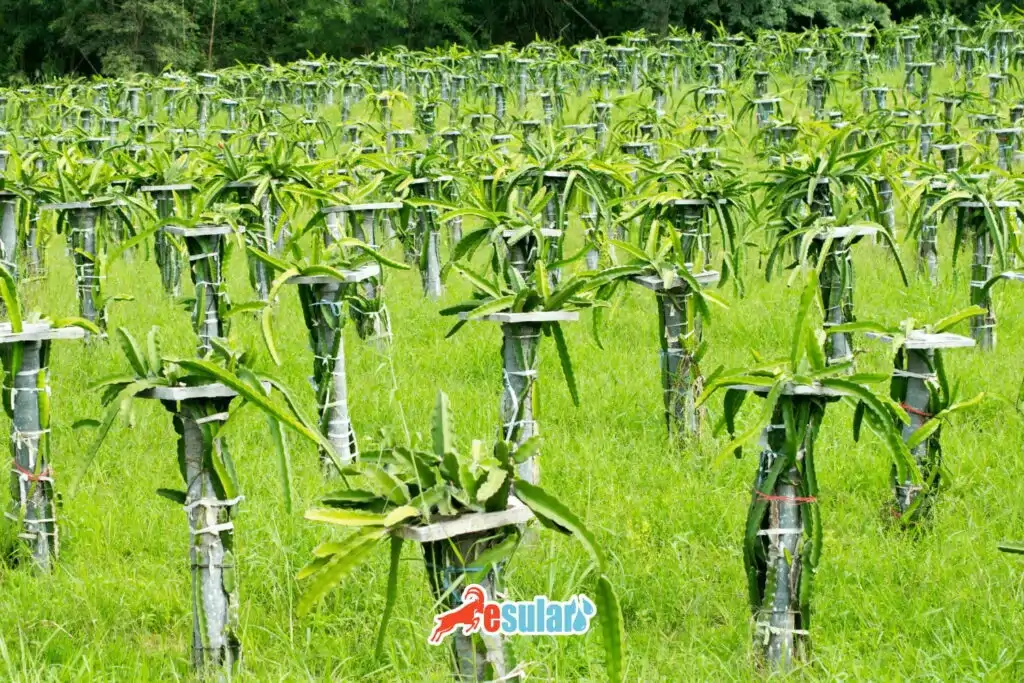
Sapling planting requires a process involving the following steps: First of all, suitable sapling selection is important. Then, the area to be planted is determined and soil preparation is made. The soil should be in a structure that provides good drainage and is rich in organic matter. Before planting, the roots of the saplings can be watered. Suitable intervals and depths should be considered while preparing the planting holes. The saplings are placed in the holes and fixed by covering their roots with soil. Then, the top of the soil is lightly compacted and irrigation is performed. During the planting of this fruit, a location that receives sunlight and provides good drainage should be preferred.

dragon fruit tree

What Are the Pests of Dragon Fruit?

The main pests of dragon fruit are; fruit fly, aphids, scale insects, and fungi. These pests can damage the leaves, fruits, or roots of the plant. Fruit flies can damage the inner part of the fruits, and this situation can lower the quality of the fruit. Aphids, on the other hand, can disrupt the nutritional balance of the plant by feeding on the leaves of the plant. Scale insects can also cause damage to the roots and affect the nutritional system of the plant. For the control of pests, it is important to intervene with suitable pesticides or natural control methods. In this way, the effect of pests can be minimized and healthy plant growth can be ensured.

Irrigation of Dragon Fruit

Since this fruit is a species belonging to the cactus family, it is resistant to water. Irrigation can be done as the soil dries, but this water must be given carefully to the soil, not to the body of the plant. Thus, the water can reach the roots of the plant and meet the water requirement. This method ensures the healthy development of the plant and more efficient use of water. In some studies, for dragon fruit irrigation; it is stated that 4 liters per plant per day, 2 liters per plant per week in the cold period, 5 liters in the hot period, 2.5 liters per week in the winter months, and 5 liters in the summer months can be given. Irrigation programs organized in this way can help achieve healthier growth and yield by better meeting the requirements of the plant.


When is Dragon Fruit Harvested?

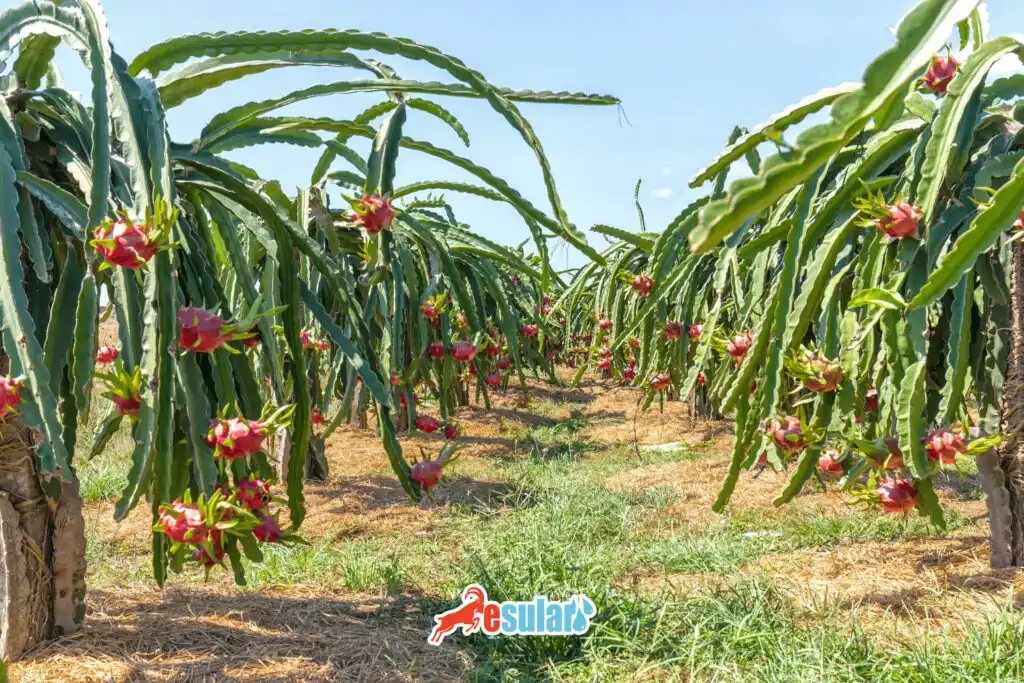
Dragon fruit harvest generally depends on the ripening period of the fruit. The ripening process may vary depending on the variety of the fruit and growing conditions. This fruit's skin color generally becomes brighter and more vivid when it ripens. Additionally, the fruit softens slightly and has a flexible texture when you press it lightly with your fingers. Fruits can be picked by hand or collected by cutting from the fruit stalk. Ripened fruits can be used immediately for consumption or stored appropriately.

dragon fruit harvest

How Many Years After Does a Dragon Fruit Tree Start Bearing Fruit?

A dragon fruit tree can generally start flowering and forming fruit within 2 to 3 years. However, this period may vary according to varieties and growing conditions. More mature and well-cared-for trees may bear fruit earlier, while young and newly planted trees may take a little more time.

Yorumlar

Daha Fazla İçerik İster misiniz?

Akıllı tarım hakkında en güncel içerikleri takip edin.