Frequently Asked Questions About Soil Moisture Sensors
In modern agriculture, water management is one of the most critical factors for a successful harvest. Soil moisture sensors help farmers understand the actual water needs of their plants, providing both yield increase and water savings. In this article, we answer the most frequently asked questions about soil moisture sensors.
1. What is a Soil Moisture Sensor and How Does It Work?
A soil moisture sensor is a smart device that measures the amount of water in the soil and transmits this information digitally. The sensor detects the moisture level in the soil using electrical conductivity or capacitance change methods.
The working principle is quite simple: As the amount of water in the soil increases, electrical conductivity also increases. When sensor probes are placed in the soil, the moisture rate in the soil is determined by measuring the changes in electrical resistance between the probes. These data are transmitted wirelessly to the central system, and the farmer can monitor the moisture status of their field instantly.
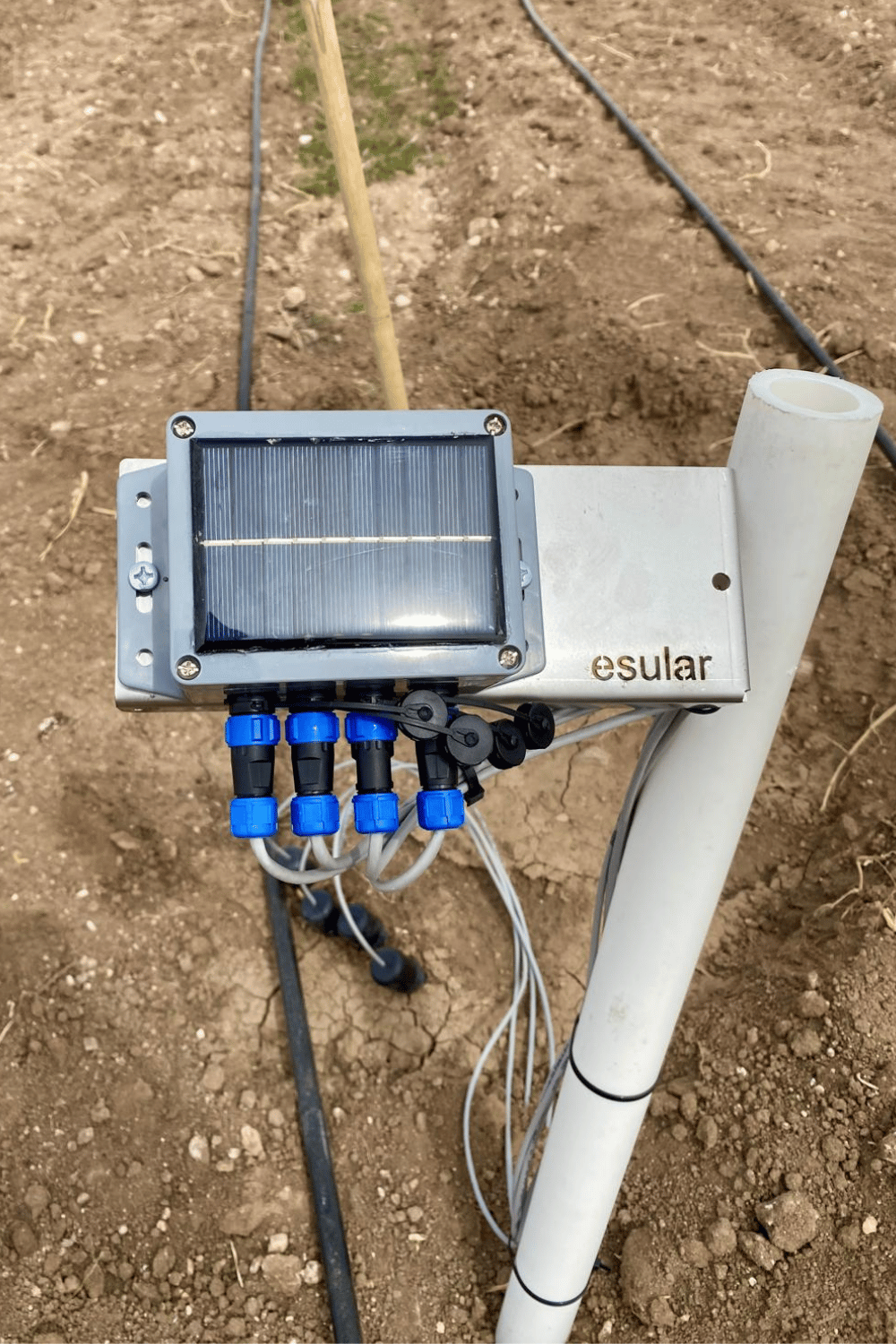
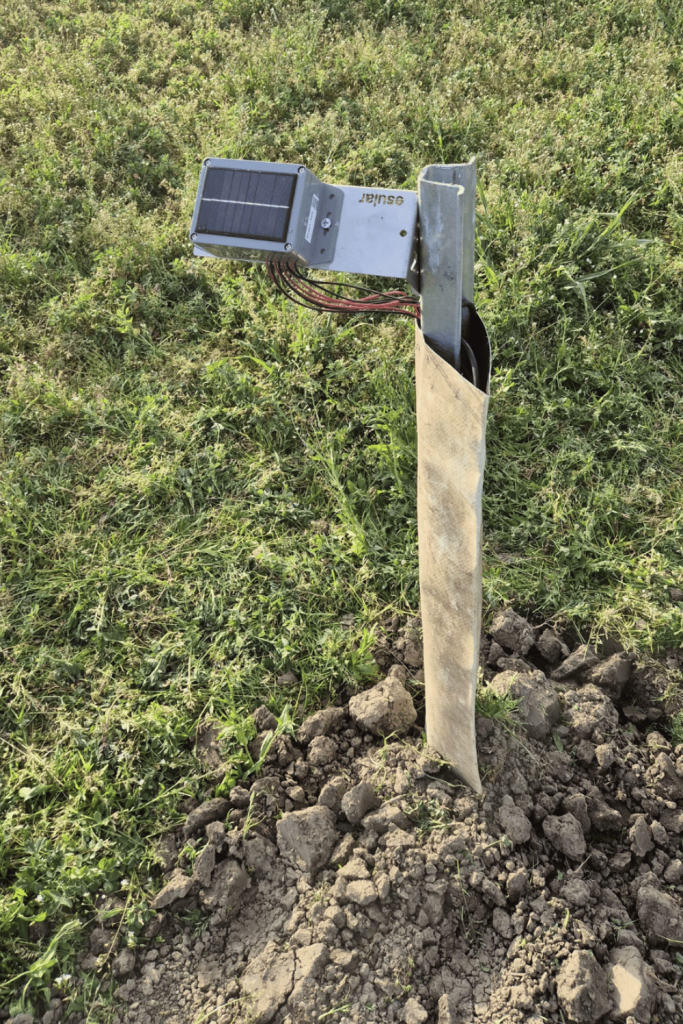
Esular wireless soil moisture sensors can transmit data up to 5 kilometers using LoRa technology. In this way, installation can be done easily even in large agricultural lands without pulling cables.
2. Why Should I Use a Soil Moisture Sensor?
There are many advantages to using a soil moisture sensor:
Water Savings: Water consumption is significantly reduced because unnecessary irrigation is not performed. An average of 30-40 percent water savings is achieved.
Yield Increase: Since plants are irrigated exactly when they need it, they grow healthier and yield increases. Both under-irrigation and over-irrigation cause plant stress. Irrigating the right amount at the right time increases product quality and quantity.
Labor Savings: Since it does not require manual control, labor costs decrease. Instead of touring the field to check moisture, you can see all the data from your phone.
Energy Savings: Since pumps only run when needed, electricity consumption decreases. You get rid of unnecessary pump operating costs.
Reduction in Disease Risk: Fungal diseases caused by over-irrigation are prevented. Plant health is protected because the soil moisture level is under control.
3. How to Install a Wireless Soil Moisture Sensor?
The installation of Esular wireless soil moisture sensors is quite practical and does not require special technical knowledge:
Step 1 – Determining the Installation Point: A representative point in the field is selected. This point should be an area that reflects the general condition of your field. Very dry or very wet areas should be avoided.
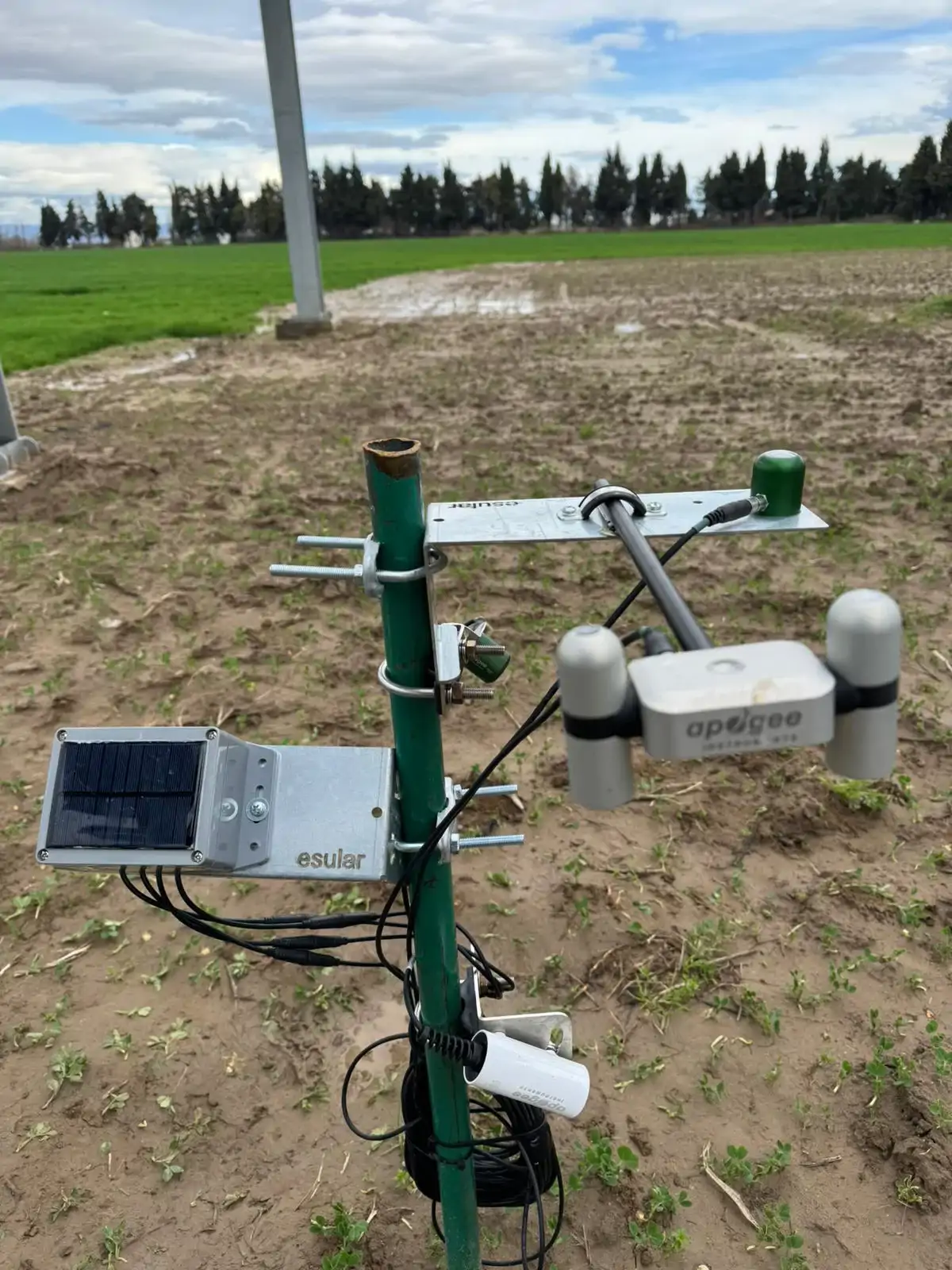
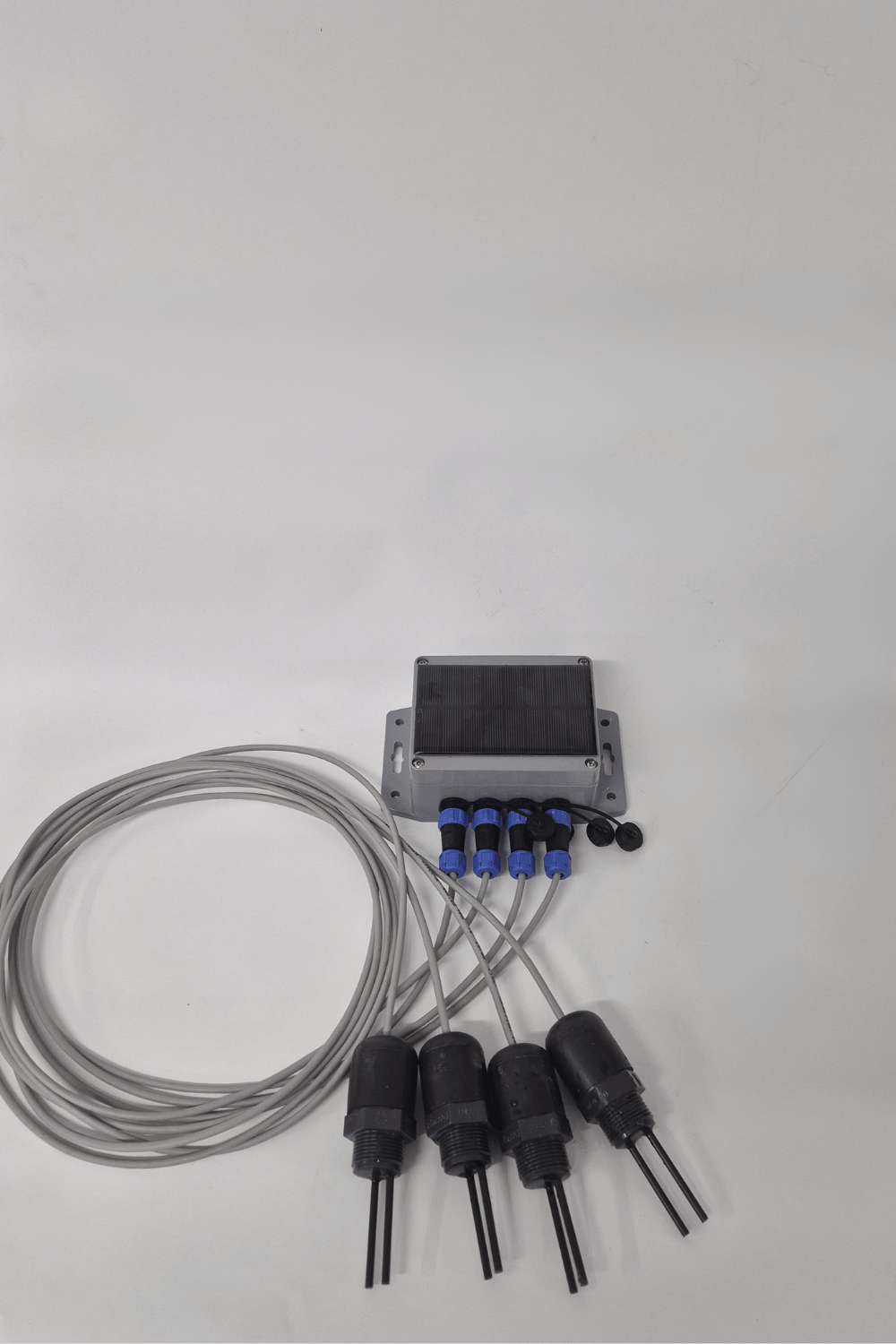
Step 2 – Placing the Sensor: Soil moisture sensor probes are placed at the depth where the plant root zone is located. Esular sensors can measure depth in 1 to 4 levels. Placement should be made according to the recommended root depth for each plant species.
Step 3 – System Activation: The sensor is paired with the central control unit or gateway. This process is completed within a few minutes. Thanks to Esular’s user-friendly interface, it does not require technical knowledge.
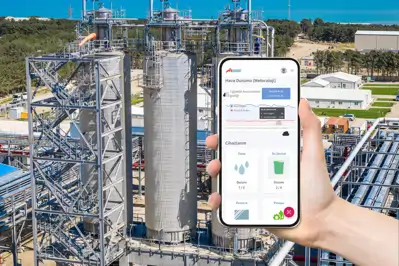
Step 4 – Mobile Application Installation: The Esular mobile application is downloaded to your smartphone, and sensor data starts to be tracked instantly.
Thanks to its wireless structure, it does not require electrical infrastructure. Solar panel models produce their own energy and work for years without requiring maintenance.
4. How Much Water Savings is Achieved with a Soil Moisture Sensor?
Researches and real field applications show that an average of 30-45 percent water savings is achieved with smart irrigation systems equipped with soil moisture sensors.
The amount of savings depends on many factors:
Product Type: While higher savings rates are seen in vegetable production, the rate may be slightly lower in fruit trees.
Soil Structure: Since the water holding capacity is low in sandy soils, the use of sensors is more critical and the savings rate increases.
Climate Conditions: Since the risk of water stress is high in hot and arid regions, correct irrigation timing is vital.
For example, it has been proven with real projects that 15,000 tons of water are saved annually in a 10-decare tomato greenhouse. This means both a contribution to the environment and a significant cost reduction.
5. At What Depths Does the Soil Moisture Sensor Measure?
Esular soil moisture sensors are offered in different configurations:
Single-Level Sensors: Performs single-point measurement at 30 cm depth. Ideal for vegetable gardens and shallow-rooted plants.
Two-Level Sensors: Measures at 30 cm and 60 cm depths. It allows you to track the surface and deep root zones separately.
Three-Level Sensors: Measures at 30, 60, and 90 cm depths. Recommended for large fruit trees and deep-rooted plants.
Four-Level Sensors: Offers the most detailed profile analysis by measuring at 30, 60, 90, and 120 cm depths.
Multi-level measurement allows you to understand the water movement in the soil. For example, even if the surface soil is wet, there may be drought in the deeper layers. This situation cannot be detected with surface measurement alone.
6. What is EC (Electrical Conductivity) Measurement and Why is it Important?
EC (Electrical Conductivity) is a parameter that shows the concentration of dissolved salts and nutrients in the soil. It is measured in units of µS/cm (microsiemens/centimeter).
Benefits of EC Measurement:
Fertilization Control: You prevent excessive or insufficient fertilization by monitoring the nutrient level in the soil instantly. It is especially critical for farmers who perform fertigation (mixing fertilizer into irrigation water) in greenhouses.
Salinity Detection: High EC values indicate salt accumulation in the soil. Salinity is a major problem, especially in arid regions and areas where low-quality water is used.
Irrigation Water Quality: You can monitor the effects of the irrigation water you use on the soil.
Important Note: The soil must be moist for EC measurement. Healthy EC measurement cannot be made in dry soils. Esular sensors provide holistic information about soil health by performing both moisture and EC measurements simultaneously.
7. How Long is the Soil Moisture Sensor Battery Life?
Esular wireless battery-powered soil moisture sensors are designed with low energy consumption technology. Battery life varies according to the way of use:
In Standard Use: Sensors that measure once an hour offer a battery life of 3-5 years. Battery replacement is not required during this period.
In Intensive Use: If a measurement is made every 15 minutes, the battery life is approximately 2-3 years.
Solar Panel Models: Models with a combination of internal solar panel and rechargeable lithium-ion battery do not require battery replacement as they are constantly charged. These models are especially preferred in open fields.
3.6V lithium-ion batteries are used as battery technology. These batteries can operate in a wide temperature range and are long-lasting. The battery level can be tracked via the mobile application, and you can receive a low battery warning.
8. Which Plants are Soil Moisture Sensors Used For?
Soil moisture sensors can be used in almost all plant species. Most common areas of use:
Fruit Orchards: Stone and pome fruits such as apple, pear, cherry, apricot, peach. Citrus orchards (orange, tangerine, lemon). Vineyards and olive groves.
Vegetable Production: Greenhouse vegetables such as tomatoes, peppers, eggplants, cucumbers. Open field vegetable production (lettuce, cabbage, broccoli). Agricultural products from cucurbits such as melon, watermelon.
Industrial Plants: Cereal products such as cotton, corn, wheat. Oilseeds such as sunflower and canola.
Greenhouse Cultivation: Substrate moisture measurement in soilless agriculture (cocopeat, perlite) systems. Potted plants and seedling production.
Each plant species has different water needs. The Esular system allows you to create customized irrigation strategies according to the plant type.
9. Does the Soil Moisture Sensor Require Maintenance?
Esular soil moisture sensors are designed to require minimum maintenance:
Sensor Probes: Since long-lasting carbon fiber tips are used, the risk of rusting and deterioration is minimum. It can work underground for years without problems. Care should be taken during soil movements (plow, disc harrow, etc.) and sensors can be temporarily removed.
IP68 Waterproofing: Sensors have a completely waterproof protection class. Rain, irrigation water, and soil moisture do not damage the sensor.
Battery Control: The system gives an automatic warning when the battery level is low. Battery replacement is very simple and does not require special tools.
Software Updates: The Esular system supports wireless software updates (OTA – Over The Air). New features and improvements are automatically uploaded to your system.
There is no need to remove the sensors at the end of the season. It can stay in the soil during the winter season and is not damaged by frost.
10. What is the Range of the Wireless Soil Moisture Sensor?
Esular wireless soil moisture sensors use LoRa (Long Range) technology. Thanks to this technology:
In Open Field: Data transmission is possible up to 5-10 kilometers. You can place sensors in the entire area even in large agricultural lands.
In Environments with Obstacles: Even if there are obstacles such as trees and buildings, a range of 2-3 kilometers is provided.
In Greenhouse Conditions: Although metal and concrete structures weaken the signal, a distance of 500-1000 meters is safely covered.
If there is a need to increase the range, repeater devices can be used. In this way, uninterrupted coverage is provided on larger lands.
LoRa technology is much more advantageous in agricultural applications compared to GSM and WiFi with its low energy consumption and high penetration feature.
Esular Wireless Soil Moisture Sensor Products
Esular offers a wide range of soil moisture sensor products for different agricultural applications. All our products work wirelessly, are easy to install, and are long-lasting.
https://store.esular.com/kablosuz-pilli-toprak-nem-sensoru-1
Why Should You Choose Esular Soil Moisture Sensors?
Esular is one of Turkey's leading domestic manufacturers in the field of agricultural automation. Reasons for choosing our soil moisture sensors:
Domestic Production and Technical Support: All our products are manufactured in Turkey. We offer technical support and service in Turkish.
Easy Integration: It can be easily integrated into your existing irrigation system. When used together with wireless valve control units, you get a fully automatic irrigation system.
Modular Structure: You can expand the system according to your needs. You can enrich your system with additional modules such as weather station, pump control, and fertigation system.
Mobile and Web Access: Track your fields from anywhere in the world. Get instant notifications with iOS and Android applications.
Data Analysis and Reporting: Analyze historical data, measure your irrigation efficiency. Make season comparisons.
Other Esular Smart Agriculture Products
Soil moisture sensors are just one part of an integrated smart irrigation system. Esular offers a complete agricultural automation ecosystem:
Wireless Valve Control Units: Perform automatic irrigation based on soil moisture sensor data. Solar-powered and battery-powered options are available.
Climate and Meteorology Stations: Monitor all weather parameters such as temperature, humidity, wind, and precipitation.
Control your pumps remotely, save energy.
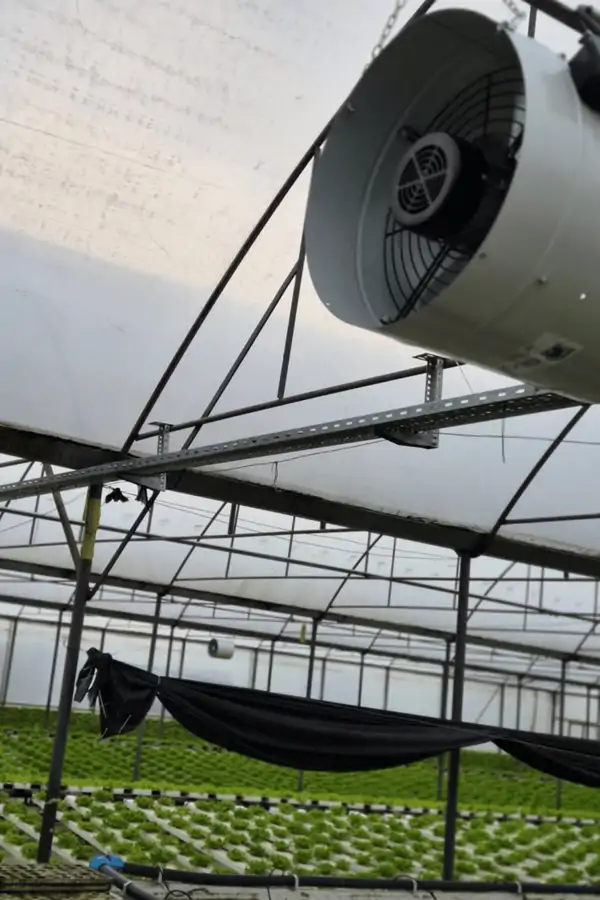
Greenhouse Climate Control Systems: Automatically manage greenhouse climate parameters. Optimize humidity, temperature, and CO2 levels.
Conclusion: Switch to Smart Farming with Soil Moisture Sensors
Soil moisture sensors are an indispensable part of modern agriculture. In today's world where water resources are limited, we know that every drop of water is valuable. Thanks to smart irrigation technologies, you can both protect the environment and increase your agricultural productivity.
With Esular wireless soil moisture sensors:
- Achieve 30-45 percent water savings
- Increase product quality and yield
- Reduce labor and energy costs
- Protect the health of your plants
- Practice sustainable agriculture
You can contact Esular for more information and solutions specific to you. Our expert team will design the most suitable system according to the needs of your fields.
Price Warning: The prices mentioned in this article are the list prices on the date the content was published. For current prices and campaigns, please visit the product pages. Prices may vary.
Would You Like to Get Information About Smart Irrigation Systems?
The Esular expert team will help you determine the most suitable soil moisture sensor and smart irrigation solutions for your field.
📞 Phone: 0312 222 44 55
📧 E-mail: [email protected]Examine the Products
Last Update: October 2025
Related Content:
- 📖
- 📖
- 📖
- 📖