Tüm Yazılar

Grey Steppe Cattle

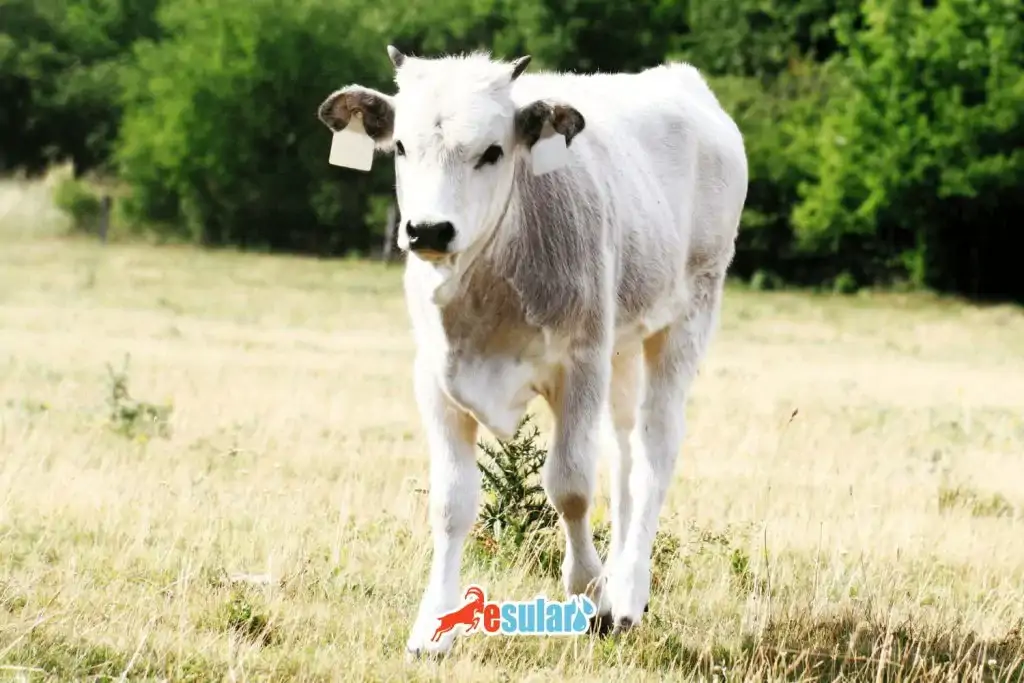
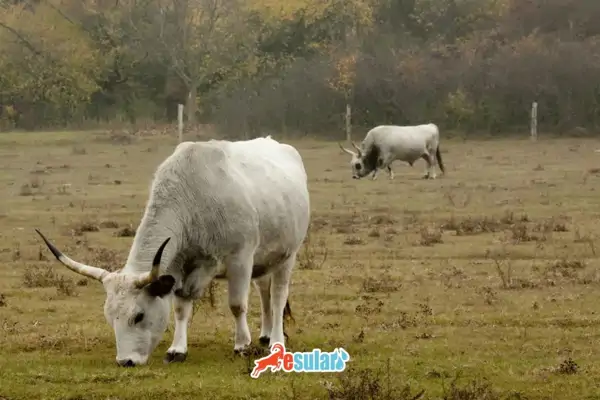
Grey steppe cattle is an important breed that adds great value to Turkey’s rich biological diversity and agricultural heritage. It is widely found in the Thrace, South Marmara, North Aegean, and Central Anatolia regions of our country and enriches the natural life of these regions. Grey cattle, which find suitable living spaces for themselves in forests and rugged terrains, have adapted perfectly to Turkey’s climate and environmental conditions. This large and durable cattle species stands out with its noble and agile structure. The physical appearance of grey cattle is eye-catching, with color tones ranging from light silver to dark ash. Their strong hooves, long horns, and robust body structures make them powerful both in terms of survival in nature and efficient animals in the agricultural field. These large animals are one of the cornerstones of Turkish agriculture and have provided milk and meat to our farmers for centuries. Characteristics such as health and endurance make grey cattle one of the animals that provide a unique contribution to Turkey’s agricultural diversity.

Characteristics of Grey Steppe Cattle

Some prominent characteristics of this breed are as follows;

  • Color and Appearance: Grey cattle generally have a color ranging from light silver to dark ash. Males are darker in color than females. Bulls have a dark ring around their eyes like glasses, and the insides of their ears are covered with black hairs.

  • Horns: Both males and females have horns. The horns are long and usually curved upwards. Their length ranges from 8 to 46 cm.

  • Body Structure: They have a robust body structure. The bodies of grey cattle are sturdy, and the area between the rump and the tailhead is quite narrow.

  • Weight: Live weights vary according to gender. It can reach up to approximately 470 kg in males and up to 375 kg in females.

  • Reproduction and Lactation: Calving ease and herd calving rate are high. The lactation period is an average of 220 days, and milk yield varies between 1095 and 2965 liters.

  • Nutrition and Endurance: Grey cattle can utilize low-quality feed well and can easily adapt to environmental conditions. They are resistant to sudden climate and feed changes, adverse natural conditions, diseases, and parasites.

These characteristics define the general appearance, physical features, and adaptation capabilities of grey cattle.

boz-irk-sigir-ozellikleri

Grey Steppe Milk Yield

In general, the milk yield of grey steppe cattle is lower than other dairy cattle breeds. However, this yield can be increased with efficient feeding and management. The lactation period is around an average of 220 days and milk yield generally varies between 1095 and 2965 liters. The milk fat ratio is usually around 3.93%. Breeders who want to increase the milk yield of grey steppe cattle generally implement a healthy dairy cattle program. This program includes feeding with a balanced ration, regular health checks and vaccinations, hygienic milking conditions, and suitable cattle housing conditions. Along with these measures, it is possible to increase the milk yield of grey steppe cattle.

Where is the Grey Steppe Cattle Breed Found?

The distribution area of grey cattle includes Turkey’s Thrace, South Marmara, North Aegean, and the western regions of Central Anatolia. Therefore, this breed, which has adapted to the climate and environmental conditions in these regions, has a structure that can meet its nutritional needs with poor quality food. Although their numbers have decreased, the natural habitats of grey cattle are generally forest interiors and rugged terrains in mountainous regions. They have the ability to feed and reproduce in these areas without human intervention. Thanks to their advanced digestive systems, they can effectively digest low-quality feed. Additionally, grey cattle, which can quickly adapt to changing climate and feed conditions, are known for their resistance to adverse natural conditions, hunger, malnutrition, diseases, and parasites.

boz-inek

Grey Steppe Breed Yield Characteristics

The characteristics of the grey steppe cattle breed are as follows:

  • Live Weight: An average of 470 kg in males and an average of 375 kg in females.
  • Withers Height: Approximately 126 cm in males and approximately 118 cm in females.
  • 12-Month Live Weight: An average of 292 kg in males and an average of 167 kg in females.
  • Calf Birth Weight: Approximately 24 kg in males and approximately 22 kg in females.
  • Live Weight Gain: An average of 1062 grams per day.
  • Carcass Yield: 57.3%.
  • Age at First Calving: Between 30-36 months.
  • Calving Ease: Very easy.
  • Herd Calving Rate: 86.5%.
  • Lactation Period: Average of 220 days.
  • Milk Yield: Varies between 1095-2965 liters.
  • Milk Fat Ratio: 3.93%.
  • Rump Height: Approximately 130 cm in males and approximately 127 cm in females.
  • Body Length: Approximately 123 cm in males and approximately 138 cm in females.
  • Chest Girth: Approximately 187 cm in males and approximately 166 cm in females.

These characteristics provide important information about the general performance and breeding features of the grey steppe cattle breed.

Yorumlar

Daha Fazla İçerik İster misiniz?

Akıllı tarım hakkında en güncel içerikleri takip edin.