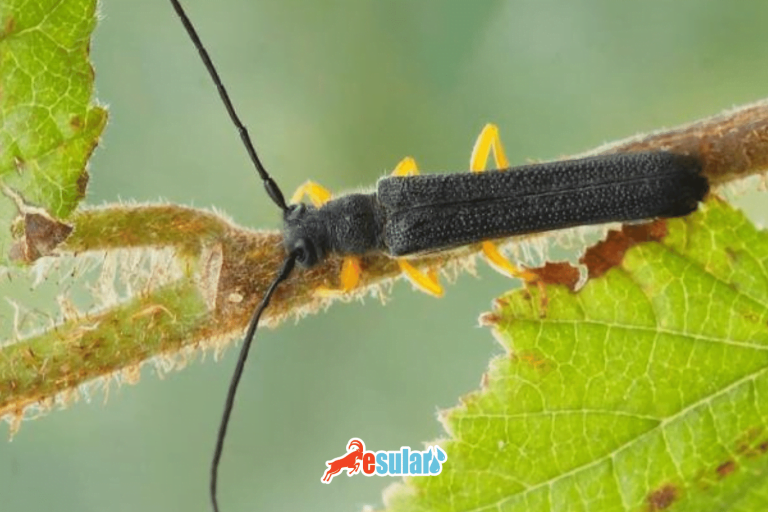
The Hazelnut Longhorn beetle is a black insect species with an average length of 11-15 mm and a width of 3-4 mm. Its legs are yellow and its antennae are close to the length of its body. The larvae of the longhorn beetle, also known locally as "uçkurutan" or the dracula beetle, can cause great damage to hazelnuts if precautions are not taken. It is frequently seen in the Black Sea region, where hazelnut production is common. Although the main host of the longhorn beetle is hazelnut, the insects can also damage walnut, hornbeam, alder, poplar, ash, and elm trees.
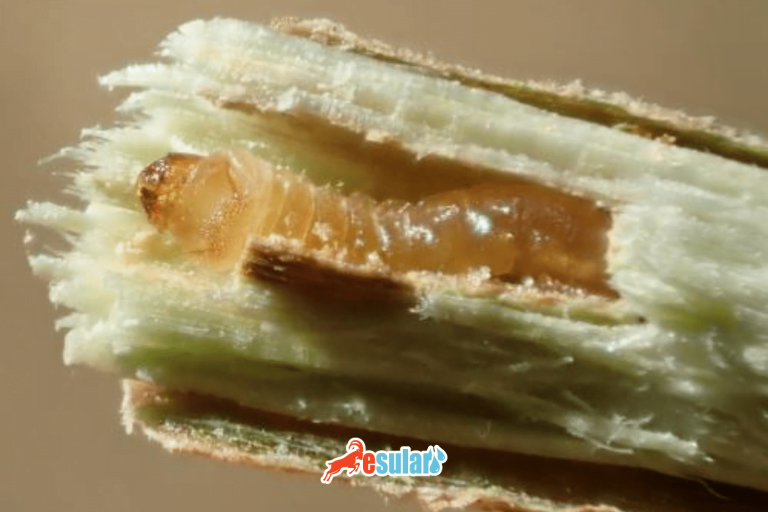
Larvae are 20-25 mm in length and wax-yellow in color. Adults emerge gradually in May and June. They start flying especially in the evening hours. After mating, female individuals prepare nests in the bark of hazelnut trees to lay eggs and deposit their eggs in these nests. The larvae hatching from the eggs open galleries 45-50 cm long into the inner parts of the shoots. These larvae, which feed on the shoots, become adults the following year.
Damages of the Hazelnut Longhorn Beetle
Especially during the green hazelnut period, female beetles lay their eggs in the hazelnut shells. Larvae hatching from the eggs feed on the inner part and open galleries inside the hazelnut. These galleries cause the hazelnuts to fall or their quality to decrease. Consequently, while the hazelnut yield on the trees decreases, the quality is also significantly affected. Larval galleries inside the hazelnut reduce the commercial value and decrease their marketability. In addition, hazelnut longhorn beetle damage can also cause economic losses. Hazelnut growers can use chemical, biological, cultural, and physical methods to combat this pest. However, it is important to consider a combination of these methods for effective control. In this way, the control of pests and the protection of hazelnut production are ensured.
Hazelnut Longhorn Beetle Control Methods
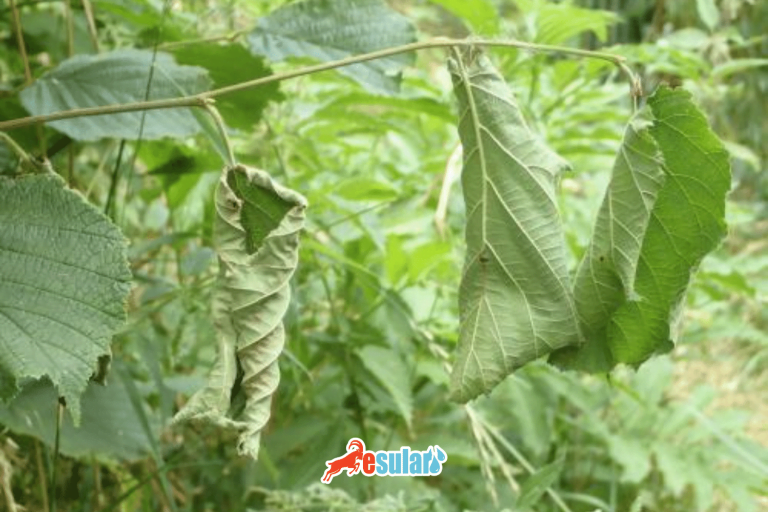
Cultural measures: In young shoots, especially during the period from mid-July until leaf fall, all terminal shoots that show a tendency to dry out should be cut and removed from the environment.
Chemical control: The goal in chemical control with this pest is to prevent adults from laying eggs. Therefore, the spraying time should be planned according to the emergence time of the adults. In this period, all shoots are checked in 10 randomly selected bushes, and if more than 5 damaged shoots are found in an average bush, spraying is performed there. If the damage rate is low, mechanical control will be sufficient. Points to be considered while spraying are as follows;
Pesticides should not be used during the flowering period.
Spraying should be done in windless, cool weather and using necessary protective equipment.
Depending on the type of pesticide, at least 90 days should usually be left between spraying and harvest.
Animals should not be grazed in sprayed orchards for 1 week.
In areas where beekeeping is practiced, hives should be moved to another region for a period of time.