How the Historic Drought in the Panama Canal Affects the Global Economy
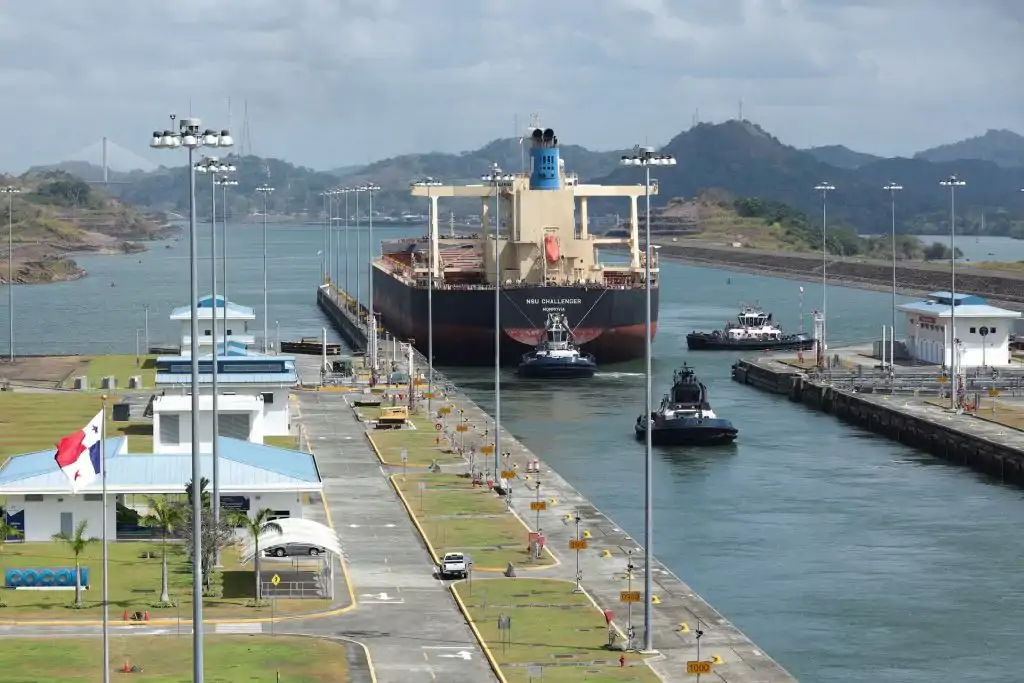
The historic drought in the Panama Canal has deeply affected the global economy. The Panama Canal, which is the world's most important waterway, is going through a difficult process due to the historic drought. 200 ships carrying goods worth millions of dollars are stranded in the canal due to the historic drought. Due to the decrease in water levels, the canal management had to impose restrictions on ship traffic. This situation may lead to a slowdown in trade and an increase in commodity prices worldwide. The canal's transit restrictions may cause disruptions in global supply chains and logistical problems. These developments may affect the balance of international trade and cause economic fluctuations.
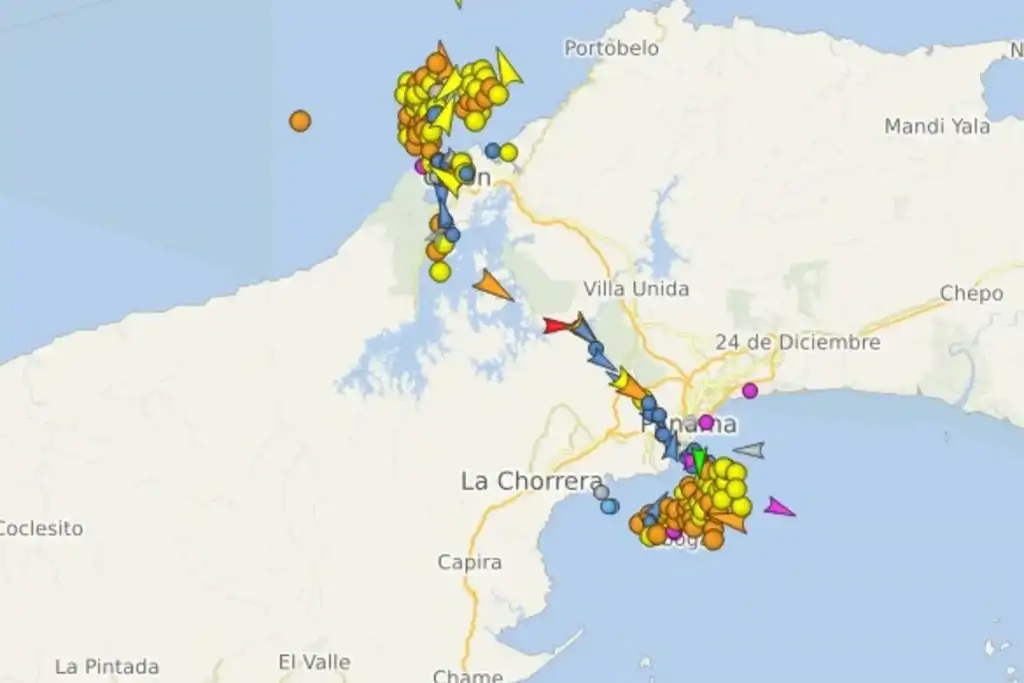
The Panama Canal, where approximately 6 percent of the world's maritime transport takes place, is currently experiencing serious problems due to drought. The disruption of tanker traffic in the Panama Canal affects approximately 170 countries worldwide. The falling water levels due to drought have led canal authorities to limit the loads carried by cargo ships. The Panama Canal management, in order to protect water resources, restricted the daily number of transits in addition to the amount of cargo carried by ships. The canal management decided to implement restrictions on ship transits until September 2nd, as a result of water reservoir levels dropping due to decreasing rainfall in the reservoirs. The image below shows a visualization of the ships waiting in the panama canal. The decrease in water level affected the carrying capacities of ships using the canal, and this situation caused price increases in the transportation sector. The 20-day wait of ships around the Panama Canal is expected to affect market prices in the USA due to delays in this waterway where approximately one-third of maritime trade from Asia to America is carried out. These restrictions in the operation of the Panama Canal have led to an increase in transportation costs and will therefore also affect the global supply chain. These disruptions in the traffic of the canal, which serves as a bridge between the Atlantic Ocean and the Pacific Ocean and is located in the Panama territory positioned at the southernmost part of Central America, affect critical industrial areas especially such as energy products and raw materials. These effects on the global economy may lead to fluctuations in supply chains and increases in commodity prices. The drop in water levels of the Panama Canal has caused a significant change in global trade and transportation dynamics. Panama Canal Administrator Ricaurte Vásquez Morales, in a statement to the Wall Street Journal, emphasized that there has been a decrease in rainfall in the region over the last 20 years and stated, "We have to fight the climate crisis at a time when our capacity has reached its peak." Morales warned that similar restrictions could be continued in the coming months.
The drought crisis in the Panama Canal appears not only as a regional issue but also as a situation affecting the balance of global trade, logistics, and the environment. To overcome this challenge, steps such as more effective management of water resources based on sustainability principles, the use of alternative energy sources, and the creation of infrastructures resistant to climate change must be taken. Such solutions for climate change and environmental problems faced not only by the Panama Canal but by the entire world are of vital importance for a sustainable future in the long run.