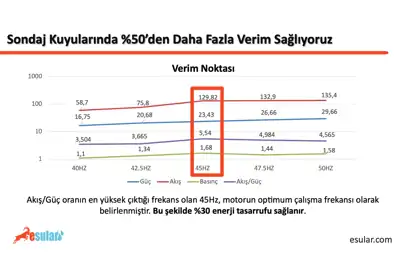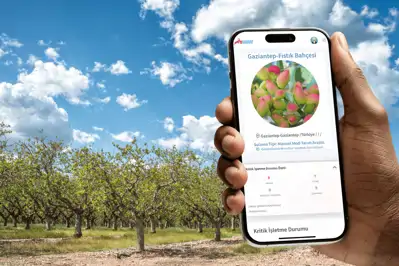
Introduction: The Future of Agriculture and Water Management
The rapid increase in the world population and the threat of drought created by climate change have initiated a period where every drop of water in agricultural production is of vital importance. While traditional irrigation methods cause water waste and deterioration of the soil structure, smart irrigation systems stand out as the savior of modern agriculture. These systems are not just a valve opening and closing mechanism; they are a digital ecosystem where the internet of things (IoT), artificial intelligence, and precision sensor technologies combine. As Esular, we lead the sustainable use of water resources while increasing efficiency by ensuring that water is used in the right amount and at the right time in agricultural lands.
Smart irrigation systems minimize evaporation and infiltration losses by delivering the water the plant needs exactly to the root zone. In this article, we will examine in depth how smart irrigation technologies work, the economic advantages they offer to farmers, and the transformation in modern agriculture. Learning more about smart farming systems is the first step of this transformation.
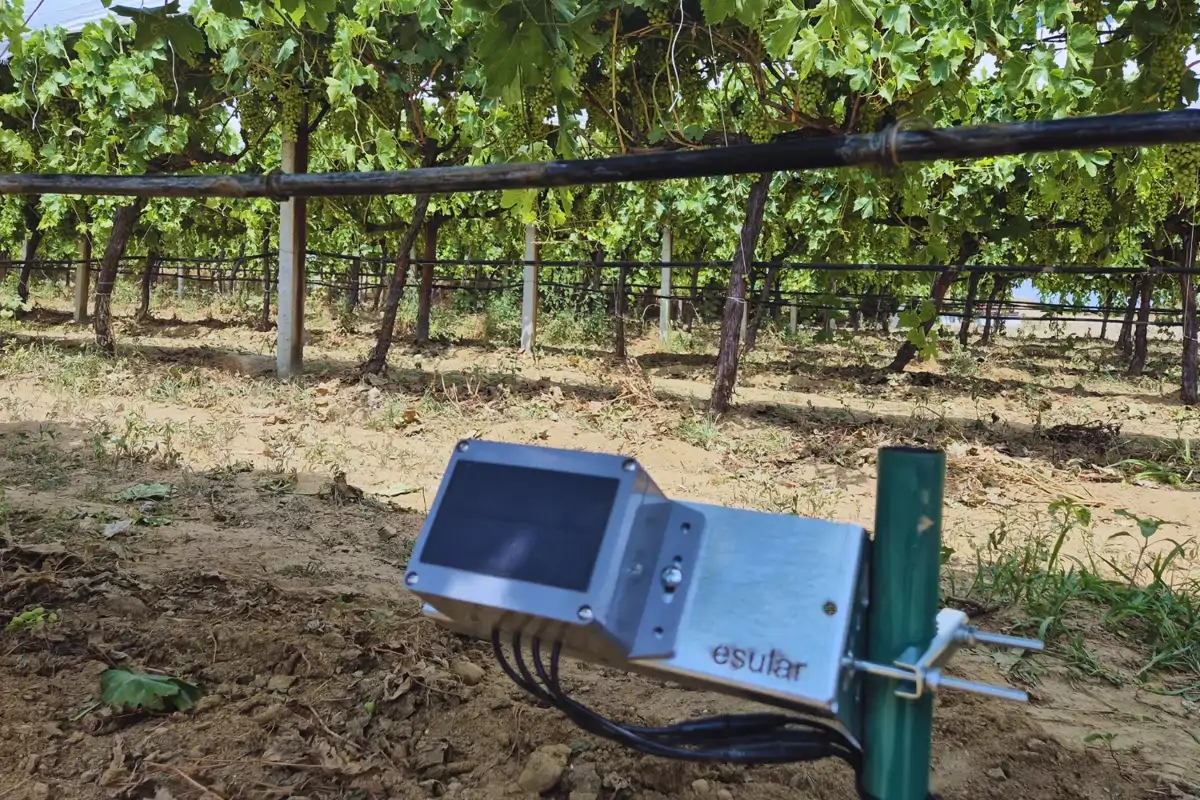
Representing the pinnacle of agricultural innovation, these systems are a perfect combination of sensor technology and automation. Ensuring that water is used in the right amount and at the right time in agricultural lands not only protects plant health but also helps us preserve our underground water resources for future generations.
What Are Smart Irrigation Systems?
Smart irrigation systems are an innovative technology aimed at using water resources more effectively and sustainably in the field of agriculture. These systems optimize irrigation processes in agricultural lands by bringing together sensor technology, data analytics, and automation. Unlike traditional timer-based systems, smart systems have the ability to make decisions based on environmental conditions.
Core Components of the System:
- Soil Moisture Sensors: Instantly measures the amount of water at different depths of the soil.
- Meteorological Stations: Collects air temperature, humidity, wind speed, and precipitation data.
- Control Units: The brain center that processes data from sensors and sends commands to valves.
- Wireless Communication Modules: Enables the transmission of data over long distances with LoRa or GSM technology.
Sensors provide real-time data by continuously monitoring soil moisture, weather conditions, and plant needs. This data allows smart irrigation systems to automatically adjust irrigation processes, ensuring that water resources are used without being wasted. For farmers, this means being able to manage the entire process from their smartphones without going to the field. Wireless battery-powered soil moisture sensor technology is one of the most critical parts of these systems.
The Relationship Between Precision Agriculture and Smart Irrigation
Precision Agriculture aims to optimize resource use by using variable rate application technologies. Smart irrigation is the most important pillar of precision agriculture. The water-holding capacity of every point in the soil can be different. Smart systems divide the field into zones (zonal irrigation), ensuring that each zone is given exactly the amount of water it needs. This ensures homogeneous plant development and maximum yield increase.
How Does a Smart Irrigation System Work?
The working mechanism of smart irrigation systems is based on the principle of transforming complex data into simple and effective actions. The system works with a closed-loop control mechanism. The process takes place in these steps:
- Data Collection: Sensors placed in the field (moisture, temperature, EC) collect data.
- Data Transmission: Collected data is transmitted to the central control unit over wireless networks.
- Analysis and Decision: The software analyzes the incoming data according to the plant species and growth stage. For example; when soil moisture falls to the determined 'lower threshold' value, the system makes an irrigation decision.
- Action: The control unit opens the irrigation valve of the relevant zone via wireless smart valve control units.
- Feedback: When the soil moisture reaches the 'field capacity' level, the valve is automatically closed.
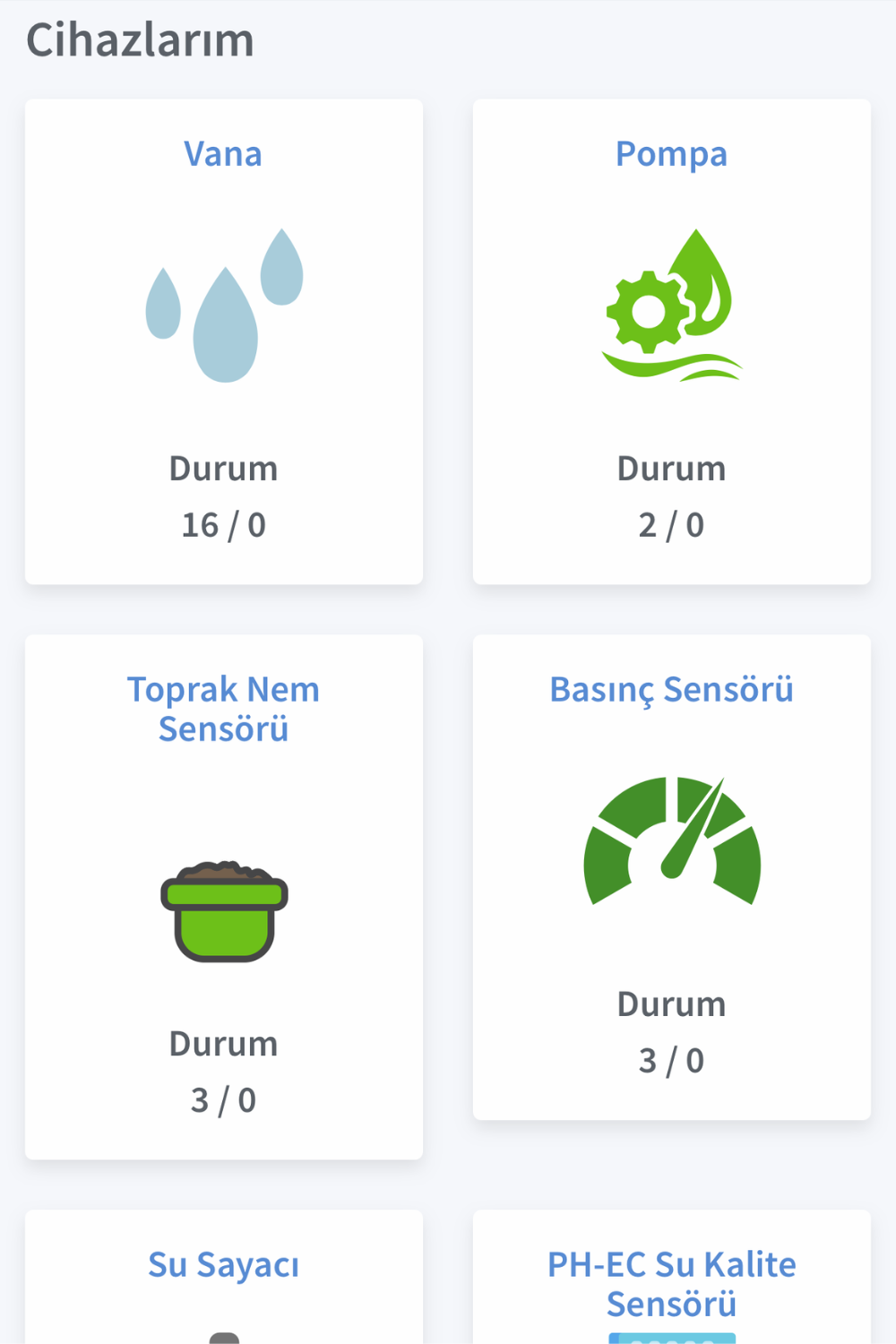
This technology offers significant advantages to farmers by making agricultural processes more sustainable and effective. Water from water sources is distributed to agricultural lands in the right amount and at the right time according to determined criteria. Thus, smart irrigation systems provide farmers with water savings, energy efficiency, and yield increase, offering an environmentally friendly irrigation management.
Evapotranspiration (ET) Tracking
Advanced smart irrigation systems calculate not only soil moisture but also the Evapotranspiration (ET) value, which expresses the total amount of water the plant loses through transpiration and the soil loses through evaporation. This calculation is made using scientific formulas such as Penman-Monteith, and the irrigation program is updated every day based on this data.
Differences Between Automatic Irrigation Systems and Smart Irrigation
Many people confuse automatic irrigation systems with smart irrigation systems. However, there are major technological differences between them. An automatic irrigation system is usually based on a simple timer. For example, it opens the valve at 08:00 every morning and closes it 30 minutes later. This system cannot know whether it rained that day or if the soil is already wet.
Smart Irrigation Systems, on the other hand:
- Predict the weather and postpone irrigation when rain is expected.
- Measure soil moisture; if the soil is saturated, it does not start irrigation.
- Adjust the amount of water according to the phenological stage of the plant (flowering, fruit setting, etc.).
- Detect leaks and pipe bursts in the system via pressure sensors and give an alarm.
Although automatic irrigation systems save time for farmers and gardeners, they cannot fully prevent water waste. Smart systems, however, aim for the highest efficiency while automating irrigation processes without user intervention. For a more detailed analysis, you can examine our article on the working principle of automatic irrigation systems.
What Are Modern Irrigation Systems?
Modern irrigation systems offer a more effective, efficient, and sustainable approach compared to traditional methods (flood irrigation, etc.) in agriculture and garden irrigation applications. The main purpose of these systems is to deliver water to the plant with minimum loss.
1. Drip Irrigation Systems
It is the most popular method that minimizes water losses by providing water directly to the root zones of the plants. It ensures precise distribution of water to targeted areas using specially designed pipes and dripper nozzles. When integrated with automatic liquid fertilization systems, plant nutrients are also delivered directly to the root along with water (fertigation).
2. Subsurface Drip Irrigation System
It ensures that water is delivered to the root zones of the plants by being transported through pipes under the soil. This system completely eliminates surface evaporation. In addition, it does not hinder mechanical operations on the field (tractor plowing, etc.). Subsurface irrigation is the most efficient solution in regions where wind disrupts water distribution.
3. Pivot and Center Pivot Irrigation
In large agricultural lands, it is irrigation carried out through metal arms rotating around a center. With the center pivot digitalization solutions offered by Esular, these massive machines can be made smart, and water distribution can be taken under 100% control.
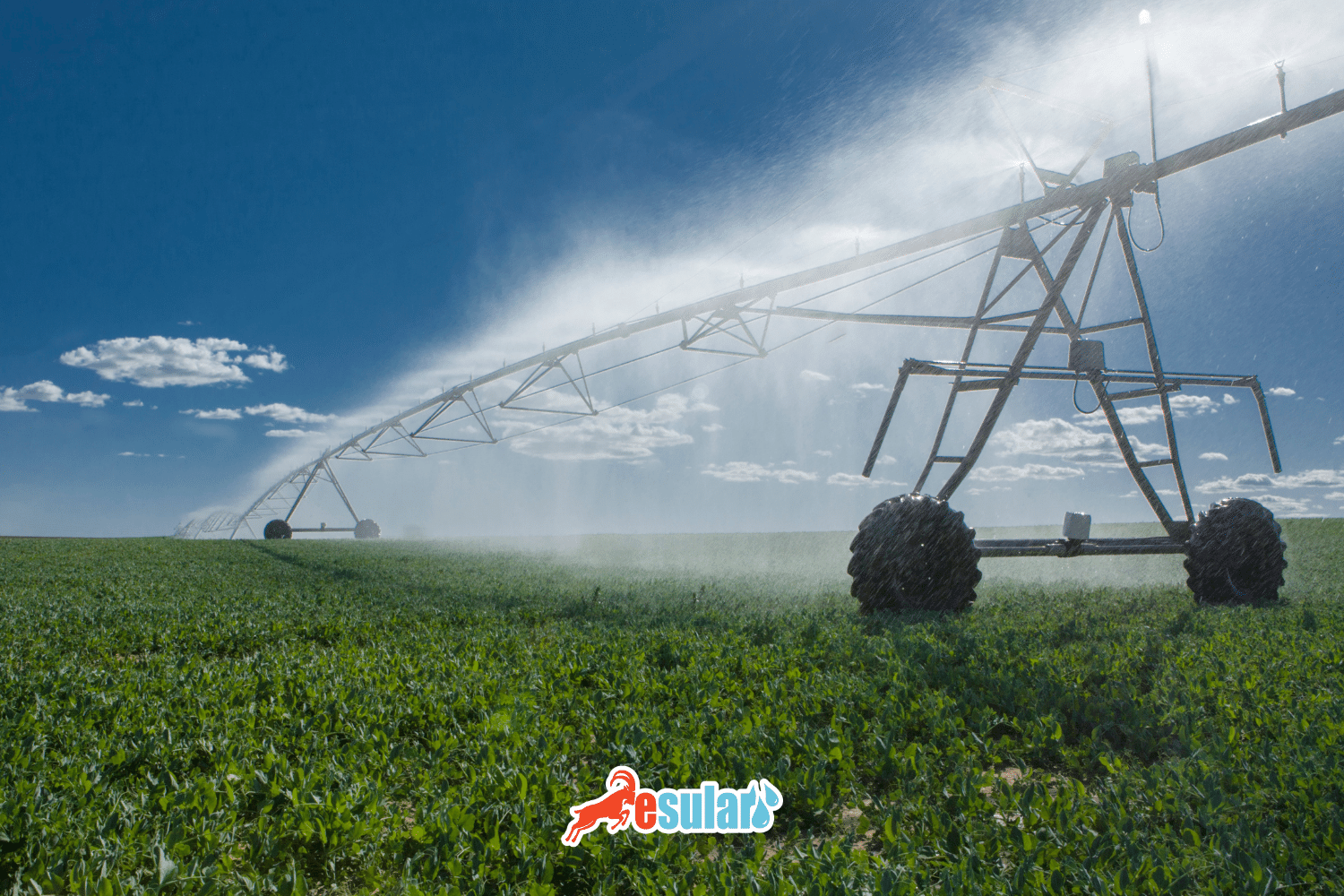
Modern irrigation systems are used to provide water savings, increase energy efficiency, and optimize agricultural productivity. You can follow our social accounts to be informed about our work on modern agricultural applications.
Solar Energy Systems in Irrigation
Irrigation in the agricultural sector is not only about water use but also a serious energy cost. In areas where electricity infrastructure is non-existent or costly, solar energy irrigation systems come into play. These systems operate irrigation pumps by generating electricity from sunlight through photovoltaic panels.
Advantages of Solar-Powered Systems:
- Zero Operating Cost: Sun is free, no monthly electricity bill comes.
- Off-Grid Use: Offers the opportunity to farm in remote lands where grid electricity is not available.
- Carbon Footprint: Provides an environmentally friendly production model by reducing the use of fossil fuels.
- Long Life: Panels can produce energy efficiently for 20-25 years.
The solar-powered automatic irrigation control units we offer as Esular can manage valves wirelessly in the middle of the field by generating their own energy. This is an important step contributing to a greener and smarter future for modern agriculture.
Smart Drip and Subsurface Irrigation Integration
Smart drip irrigation systems combine with the integration of sensor technology and automation to respond more precisely to the needs of plants. In these systems, the flow rate of each dripper can be controlled or precise line-based adjustments can be made.
Smart Subsurface Irrigation Systems, on the other hand, work integrated with sensors that measure moisture under the soil (for example, at 30cm, 60cm, and 90cm depths). In this way:
- It is monitored whether water leaks below the root zone (deep percolation loss).
- Plant health is protected by monitoring the salinity rate (EC) under the soil.
- Weed growth is minimized because the surface remains dry.
These systems contribute to the most effective use of water resources while increasing agricultural productivity. You can find more technical details about subsurface drip irrigation on our blog.
Smart Solutions and Yield Increase for Farmers
Innovative agricultural solutions offered for farmers provide not only water savings but holistic business management. Data analytics solutions supported by sensor technology allow farmers to make informed decisions by monitoring soil health, plant growth, and weather conditions in agricultural lands in real-time.
Economic Gains:
- Labor Savings: There is no need to walk around the field to open and close valves.
- Energy Savings: Since unnecessary irrigation is not done, pumps work less, and electricity bills decrease.
- Fertilizer Efficiency: Controlled delivery of water prevents fertilizer from being washed away and lost.
- High Yield: Product quality and quantity increase because the plant does not enter stress.
Thanks to smart farming applications, farmers can optimize equipment use and lower production costs. To find the most suitable irrigation method, having soil analysis done and using professional soil moisture sensor packages is very effective.
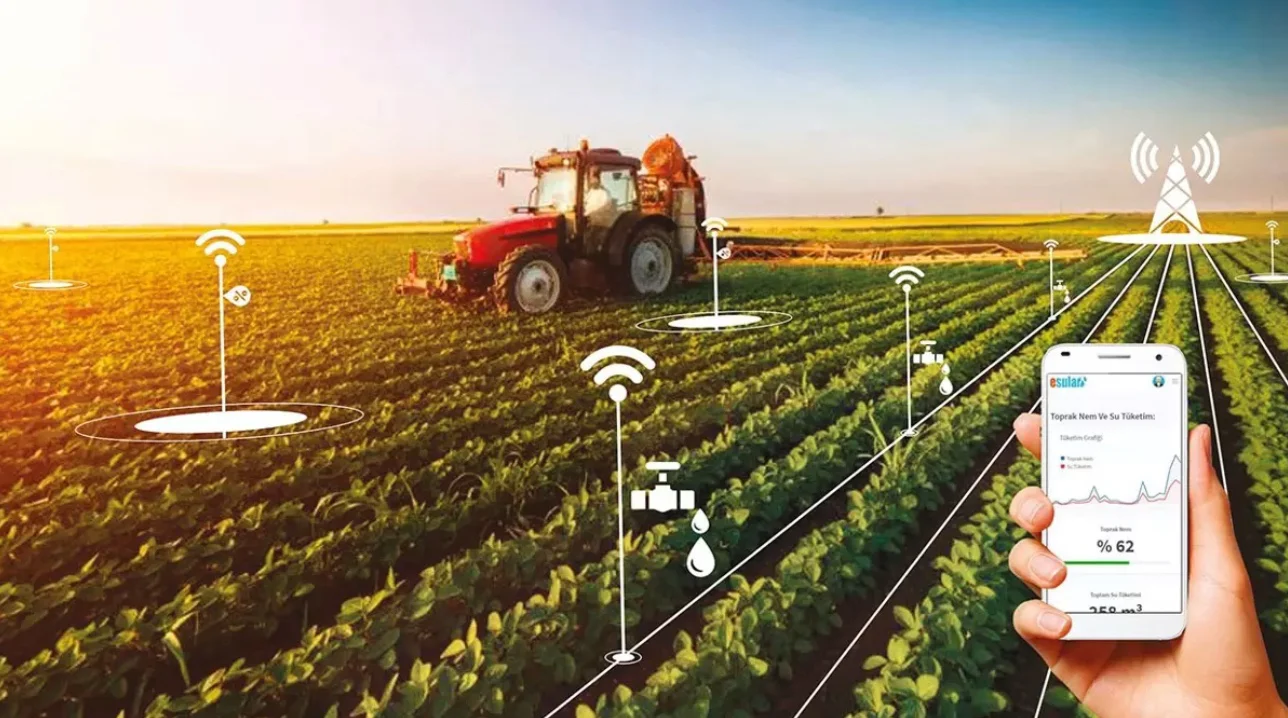
Innovations such as high-yield seed technologies, smart spraying systems used in combating plant diseases, and remote monitoring solutions offer farmers a more sustainable agricultural model. In this way, farmers can resist the challenges of future agriculture in a more prepared manner.
Technical Details: Irrigation Timing and Calculations
The success of a smart irrigation system depends on the correct interpretation of data. The basic parameters used for irrigation timing in agriculture are as follows:
Smart systems keep the moisture level between 100% of the FC (Field Capacity) and a safe 'Management Allowed Depletion' (MAD) level above the WP (Wilting Point). In this way, the plant neither enters water stress nor experiences root rot due to excessive water.
Sample Irrigation Requirement Table
These values vary according to the region and air temperature. Esular's agricultural meteorological stations calculate these data on-site to create the most accurate irrigation program.
Installation and Maintenance of Smart Irrigation Systems
The installation of a smart irrigation system requires professional planning. The process consists of these stages:
- Field Analysis: The slope of the land, soil structure, and the flow rate of the water source are measured.
- Project Design: Pipe diameters, valve placements, and sensor locations are determined with CAD software.
- Hardware Installation: The control unit, solar panels, and wireless valves are mounted.
- Software Integration: A digital map of the field is created via the Esular mobile application, and lower-upper moisture thresholds are entered.
Periodic maintenance should not be neglected for the system to be long-lasting. Cleaning the filters, calibration of sensor tips, and checking battery status are critical for the accuracy of the system. The Esular installation guide offers detailed step-by-step instructions on this subject.
Conclusion: Invest in the Future
Smart irrigation systems are not just a technology choice, but a strategy to guarantee the future of your agricultural business. In a world where water resources are decreasing, the only way to increase efficiency is data-driven management. With the local and national solutions we offer as Esular, we increase the competitiveness of our farmers in the global market, protect nature, and build a more profitable agricultural model.
If you also want to start the digital transformation in your field and reduce your water and energy costs, contact Esular's expert team. Let's bring all the opportunities offered by modern agriculture to your field.
Next Steps
- Examine our products: Smart Irrigation Central Stations
- Get free consultancy: Contact Us
- Read other articles on our blog: What is Smart Farming?