Chard cultivation can be successfully carried out in a wide geography thanks to the plant's durability and adaptability. Chard is a leafy vegetable that is highly valuable for health and can be easily grown. Generally used in salads, soups, or cooked dishes, this plant is known for its rich nutritional content. Chard cultivation can be successfully achieved with correct soil preparation, appropriate irrigation methods, and regular maintenance. In this process, the plant should be managed by considering its various growth stages and needs. In both commercial and home garden applications, chard cultivation is an ideal option for those who want to obtain healthy and delicious products. This text aims to offer basic information for those who want to start chard cultivation.
In Which Climate and Soil Does Chard Grow?
Chard shows similar climate requirements to red beets and is resistant to drought thanks to its strong root system. However, it is important for the plant to get used to drought from the germination period onwards; otherwise, sudden droughts can cause damage. Chard, which is quite tolerant of heat, can be grown in a wide region extending from North Africa to Northern Europe. Leaf development is better and yield increases during periods of high humidity; its leaves utilize sprinkler irrigation and night dews efficiently. In terms of soil requirements, chard is not selective and can grow in any type of soil, but deep-textured, humus-rich clay soils give the best results. It is ideal for the soil pH to be between 6.5-7. Chard likes humus-rich soils but does not like fresh farm manure; therefore, it is recommended to be grown with preceding crops such as cabbage group vegetables, tomatoes, and cereals.
When is Chard Planted?
Chard is generally planted in spring or autumn. Planting time may vary depending on climate conditions and the region. If planting is to be done in spring, soil preparation is usually done in autumn and seeds are planted in spring. If autumn planting is preferred, the soil is prepared before autumn and seeds are usually planted in early October. In regions where the climate is hot or if planting is to be done in summer, seeds are usually planted in late spring or early summer. Appropriate temperature and humidity conditions are important for the germination and growth process of chard seeds. Considering these factors when choosing the planting time is important for healthy growth and a productive harvest.
Fertilization in Chard Cultivation
Fertilization in chard cultivation is a critical step to achieve healthy growth and abundant yield. Correct fertilization methods should be applied to increase the nutrient value of the soil and provide the minerals the plant needs. Ideally, the fertilization program should be determined based on soil analysis results. Organic fertilizer application can be made to deep-plowed soil in autumn or can be enriched with organic fertilizers before spring. In addition, a balanced mineral fertilizer containing nitrogen (N), phosphorus (P), and potassium (K) should be used according to the plant's needs during the growth period. Especially mineral fertilizers mixed into the soil depth before planting encourage root development and optimize the plant's nutrient uptake. The fertilization process should be repeated at regular intervals to ensure that the chard grows healthily and homogeneously and should be adjusted according to the growth stages of the plant.
Irrigation in Chard Cultivation
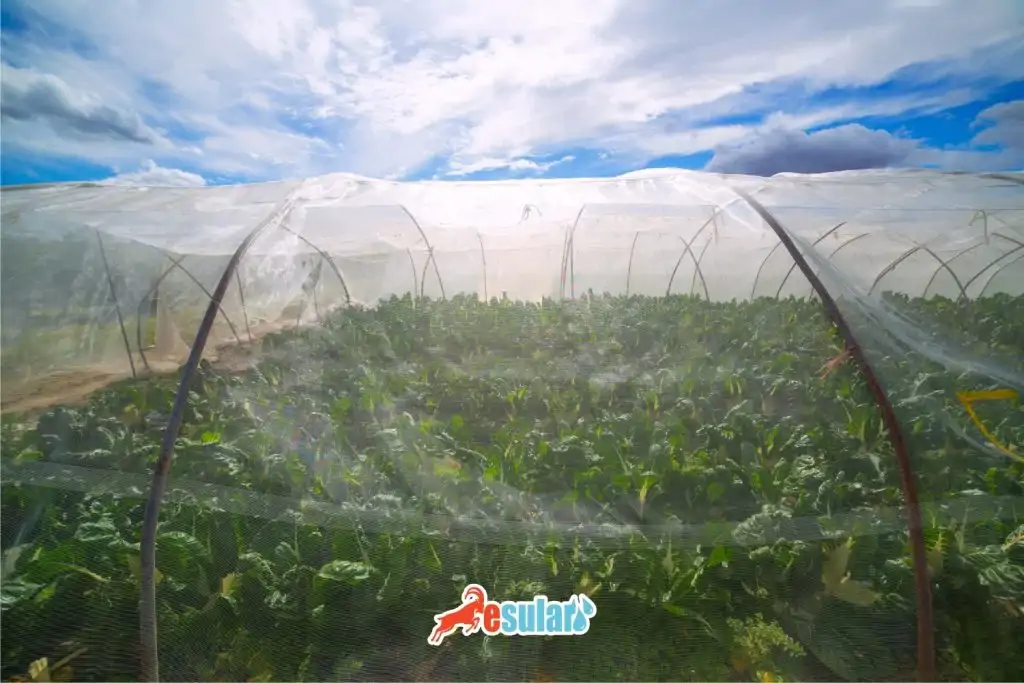
The amount and frequency of irrigation should be adjusted depending on the soil type, climate conditions, and the growth stage of the plant. Generally, the chard plant should be irrigated at regular intervals and irrigation should be done before the soil surface dries out slightly. Especially in hot weather and dry periods, the need for irrigation increases, but water accumulation should be avoided because this can cause root rot. Drip irrigation or sprinkler systems can be preferred as the irrigation method. Drip irrigation provides water savings and ensures effective nutrition of the plant by giving water directly to the root zone. The irrigation process should generally be done in the early hours of the day, especially in the morning or late in the evening. In these time slots, the evaporation loss of water is lowest, so the plant can absorb the water more efficiently.
How Many Months Does Chard Take to Grow?
Chard can usually reach maturity to be harvested within 60 to 70 days after being planted. This period may vary slightly depending on factors such as planting time, climate conditions, and growing conditions. For example, in cooler climates or low-temperature conditions, the growth period may be longer, but usually, a suitable time for harvest is expected between 2 to 3 months.
Harvest in Chard Cultivation
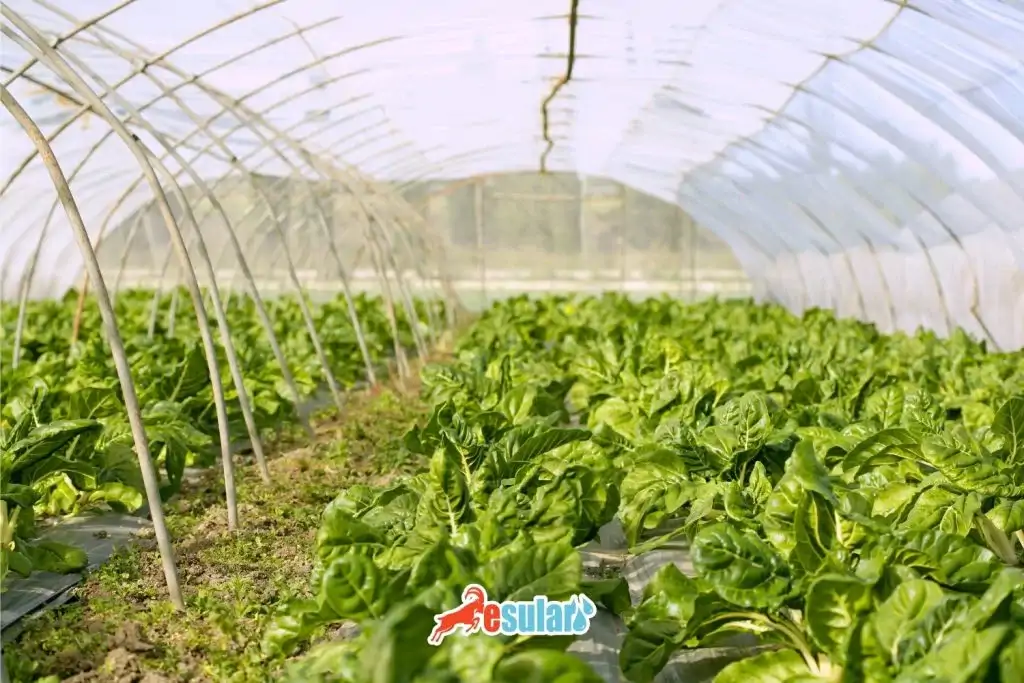
Chard harvest is done depending on the growth period of the plant and the preferred leaf size. Generally, the chard plant reaches maturity to be harvested approximately 60-70 days after being planted. Harvest time is when the leaves reach the desired size and flavor. When harvesting, leaves are collected by cutting approximately 2-3 cm above the root part of the chard plant. This method encourages the plant for re-growth and makes more harvests possible. Chard leaves can usually be used immediately for fresh consumption or stored appropriately. Harvested leaves are washed in a clean environment and, if necessary, kept fresh by dipping in cold water. The leaves can then be used in salads, soups, or cooked dishes. Chard is a vegetable that can be harvested continuously; as leaves are collected, the plant continues to grow and produce new leaves. Therefore, regular harvesting of the leaves ensures that the plant remains healthy and productive.
How is Chard Seed Produced?
Chard seed production is a process based on the biological characteristics and flowering mechanisms of the plant. While the first year is usually reserved for plant development, the most suitable plants for seed production are usually selected in the second year. When the chard plant starts flowering, seed formation begins from the flowers along with the pollination process. Ripened seeds are usually collected after the flower heads turn brown and dry. Drying the seeds and storing them in appropriate conditions is of critical importance to preserve seed quality. Collecting seeds in autumn is usually the most suitable time, because the flowering and seed formation of the plants take place in the summer months. Chard seed production should be carefully planned in accordance with the natural cycle of the plant and managed according to the environmental needs of the plant.