How is Pepino Cultivation Done?

24 Ocak 2026 Çağla Altıntaş 5 görüntülenme
Tüm Yazılar

How is Pepino Cultivation Done?

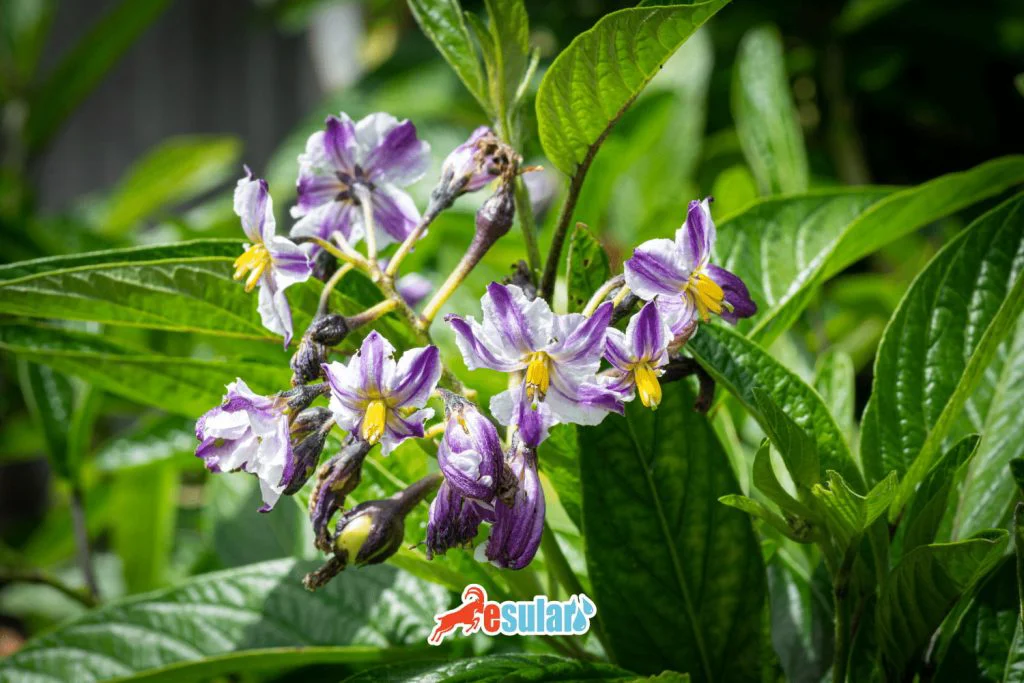
Pepino cultivation has become an important agricultural activity in many countries with increasing interest in recent years. The pepino plant belongs to the Solanaceae family and is becoming increasingly well-known in our country. With the increase in consumption, pepino cultivation is gaining popularity among our farmers. The plant, also known as Solanum muricatum, spread to the world from the South American region. Today, leading countries in pepino production include New Zealand, Chile, and Colombia. There are different varieties of pepino fruits. Among the most preferred varieties in our country are; Schmidt, Kawi, Suma, Asca, Lincoln Gold, Miski, and Comeraya. For pepino cultivation in Turkey, the Miski variety is generally preferred.

Where Does Pepino Grow?

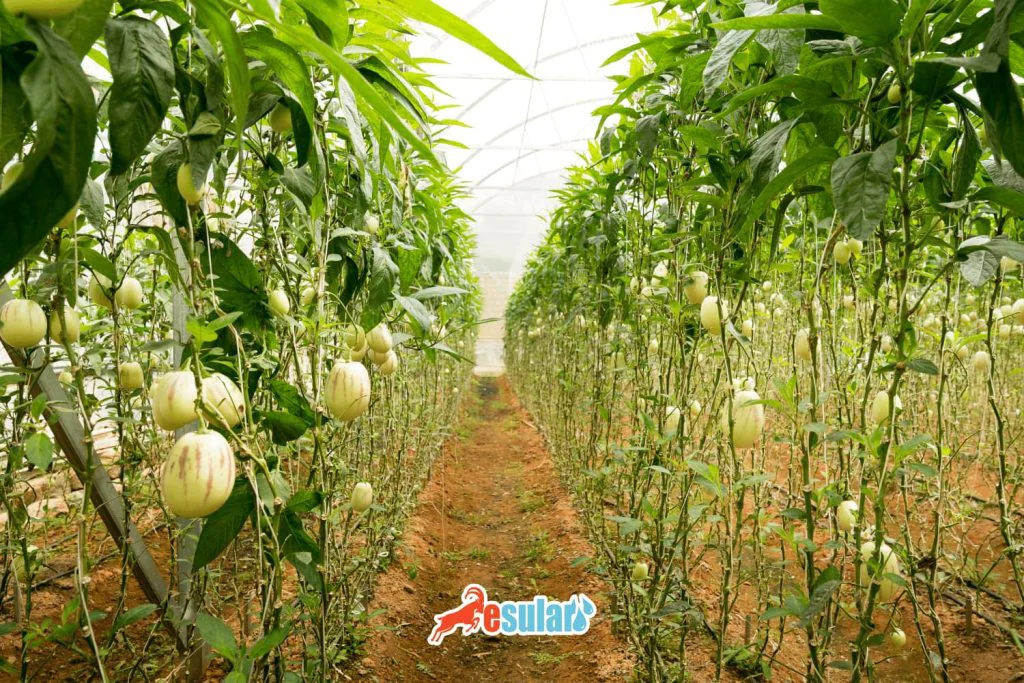
Pepino grows naturally in South American countries such as Peru, Colombia, and Chile. However, today it is also cultivated in different regions around the world. In Turkey, pepino is grown especially in regions with suitable climates such as Erzincan, Malatya, and Antalya. Interestingly, since pepino is generally a plant that loves temperate climates and the sun, it is successfully grown in regions with a Mediterranean climate. Pepino cultivation is increasingly gaining popularity in these regions.

pepino-nedir

Climate and Soil Structure in Pepino Cultivation

The pepino plant generally likes temperate climates and is not resistant to cold. The most suitable temperature range for cultivation is between 10 and 25 degrees. Additionally, the difference between night and day temperatures is preferred to be low. In terms of soil structure, the pepino plant is not very selective. However, well-drained, fertile, and organic matter-rich soils should be preferred. Heavy clay soils should be avoided and acidic pH levels should be avoided. The optimum pH level is between 6 and 7. It is also important that the salinity level of the soil is low, because the pepino plant is sensitive to salinity. The pepino plant needs sunlight and should be grown in areas receiving full sun. Additionally, irrigation should be done regularly and the plant should not be allowed to dry out. A good irrigation and drainage system should be established, otherwise problems such as root rot may occur. By paying attention to these conditions, successful pepino production can be achieved.

How to Plant Pepino?

Although the pepino seedling is a plant that sheds its leaves, it can also be produced in tubes and planted at any time of the year. Before planting the seedling, a seedling hole of appropriate size should be prepared. It is generally preferred to be 40-50 cm deep. If the roots are bare, excess parts should be pruned and cleaned. After the hole is opened, the soil at the base should be slightly leveled so that the roots of the seedling can move freely. While planting pepino seedlings, organic fertilizers can be preferred. These fertilizers accelerate root development and regulate the soil's pH level, allowing the seedling to be better nourished. The fertilizer should be mixed well with the soil and should not be applied directly to the roots. After planting, a certain amount of life water should be given. After the irrigation process, the seedling should be supported by driving a support stick next to it. After the seedling planting process is completed, the growth and development of the seedling are expected by performing regular maintenance.

pepino-nasil-dikilir

How to Tell When Pepino Fruit is Ripe?

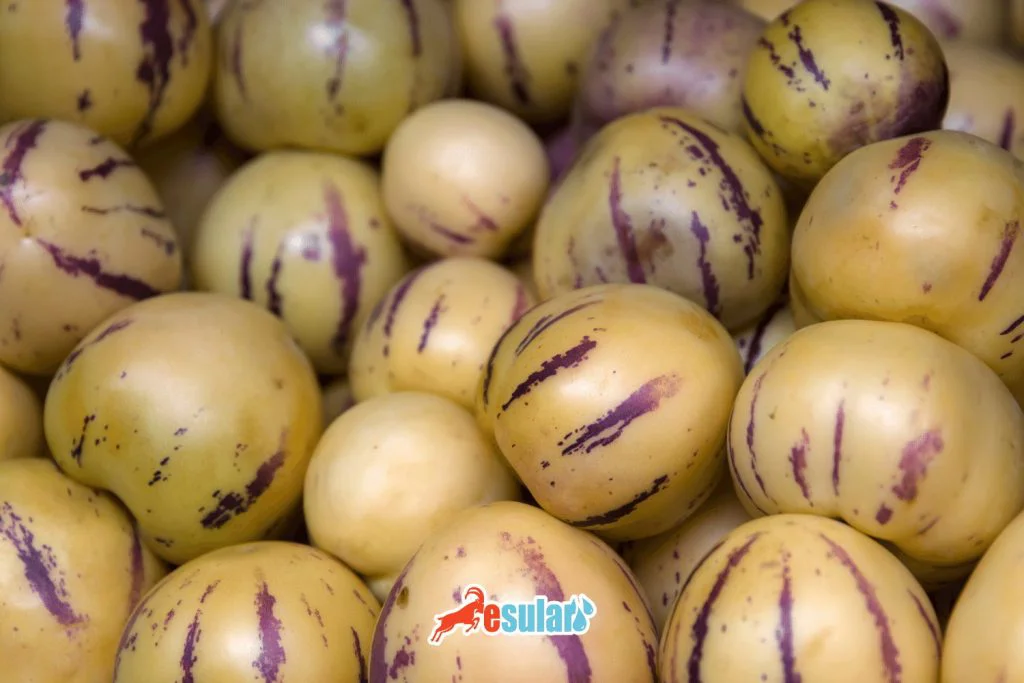
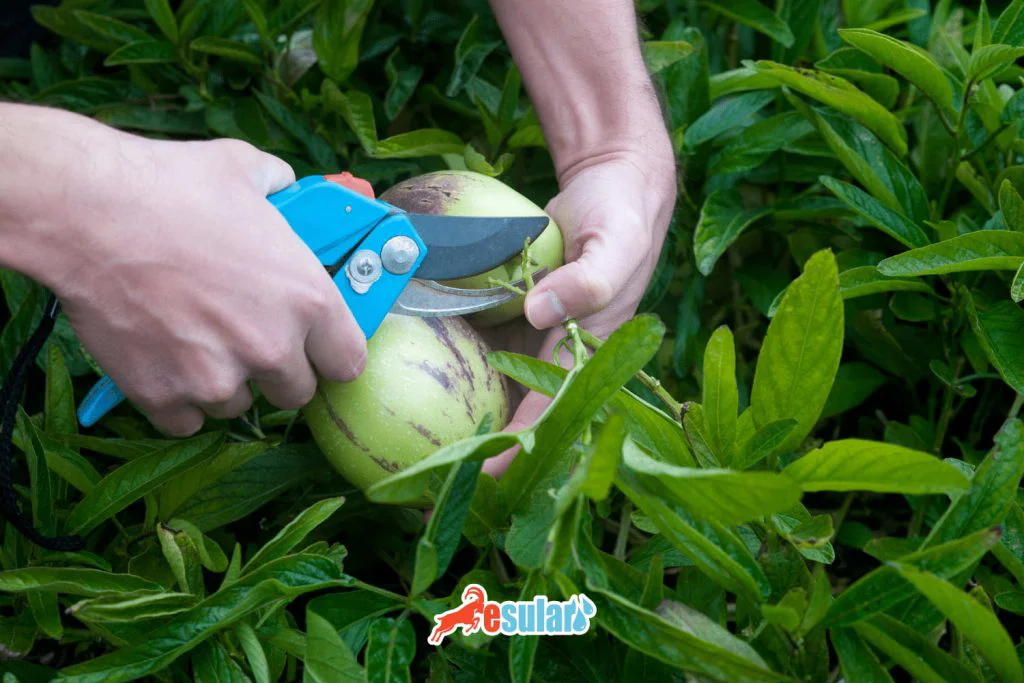
Generally, when the fruits ripen, they turn from green to creamy yellow, and purple stripes form from the stem cavity towards the fruit tip. These color changes indicate that the fruit has reached its normal maturity level. Additionally, ripening pepino fruits become juicier and melon-flavored, which makes them more attractive in terms of taste and aroma. It is important to determine that the pepino fruit has reached harvest maturity because fruits not harvested at the right time may suffer quality loss. When harvest is delayed, brown spots may form on the fruits, which can lower the quality. Also, the sugar content in the fruit may increase over time. If the fruits are left in the field despite spotting, diseases such as alternaria may occur, and the product may lose its market value. Therefore, it is important to harvest on time by considering the signs that the pepino fruits are ripe.

At What Age Does a Pepino Seedling Bear Fruit?

The pepino fruit has a flavor profile that is a mixture of melon, pineapple, and banana and can have purple stripes at maturity. Attracting attention with its unique aroma, this fruit resembles the taste of melon while also having a juicy and medium-sweet structure. Rich in vitamin C and potassium, pepino is known as a nutritious fruit. Pepino seedling production is generally carried out by cutting or tissue culture methods. These methods allow for the production of healthy and efficient seedlings. The fruit yield time of the pepino tree starts between 1 to 2 years after planting. The development speed of the seedling is moderate and it usually begins to yield products within a short time after being planted. When appropriate care and climate conditions are provided during this process, the pepino tree has the potential to yield a large amount of fruit.

pepino-tarimi

Diseases and Pests Seen in Pepino Cultivation

Lorem ipsum dolor sit amet, consectetur It is possible to encounter some diseases and pests during pepino cultivation. Among these pests are potato beetle, snail, whitefly species, caterpillars, and bird species. As water-loving plants, pepinos can become particularly sensitive to fungal diseases, so it is important to be careful during the cultivation process. Additionally, virus diseases such as pepino mosaic virus can also be seen in pepino plants, which can pose a threat to plant health. Therefore, symptoms of diseases and pests should be checked regularly and appropriate interventions should be made when necessary.

What are the Benefits of Pepino?

Pepino has a number of health benefits:

  • Balances sleep patterns: Pepino can support sleep patterns thanks to some nutrients it contains and especially magnesium.

  • Positive effects on spleen insufficiency: Pepino is a fruit known to have positive effects on spleen health.

  • Effective against dental inflammation and wounds: Having anti-inflammatory properties, pepino can provide natural support against gum inflammation and injuries.

  • Good for anemia: Pepino can be effective against anemia problems thanks to the iron and other minerals it contains.

  • Good for osteoporosis, strengthens bones: Thanks to its calcium content, pepino can support bone health and be protective against osteoporosis.

  • Effective in passing kidney stones: With its diuretic properties, pepino can support kidney health and help pass kidney stones.

  • Reduces the risk of contracting intestinal cancer: Thanks to its antioxidant properties, pepino can protect intestinal health and be protective against intestinal cancer.

  • A beneficial fruit for diabetics: Pepino can be a suitable option for diabetics thanks to its low glycemic index.

  • Supports the weight loss process: Although it is low in calories, pepino is rich in fiber, which can increase the feeling of fullness and support the weight loss process.

  • Good for hemophilia: Pepino can be beneficial for hemophiliacs with its positive effects on the blood clotting process.

  • Has positive effects on genetic diseases: Pepino can support general health with the vitamins and minerals it contains and can be protective against genetic diseases.

  • Protects and brightens the skin: Rich in antioxidants, pepino can support skin health and can protect and brighten the skin.

 
pepino-faydalari

Yorumlar

Daha Fazla İçerik İster misiniz?

Akıllı tarım hakkında en güncel içerikleri takip edin.