How is Spinach Cultivation Done?

24 Ocak 2026 Çağla Altıntaş 5 görüntülenme
Tüm Yazılar

How is Spinach Cultivation Done?

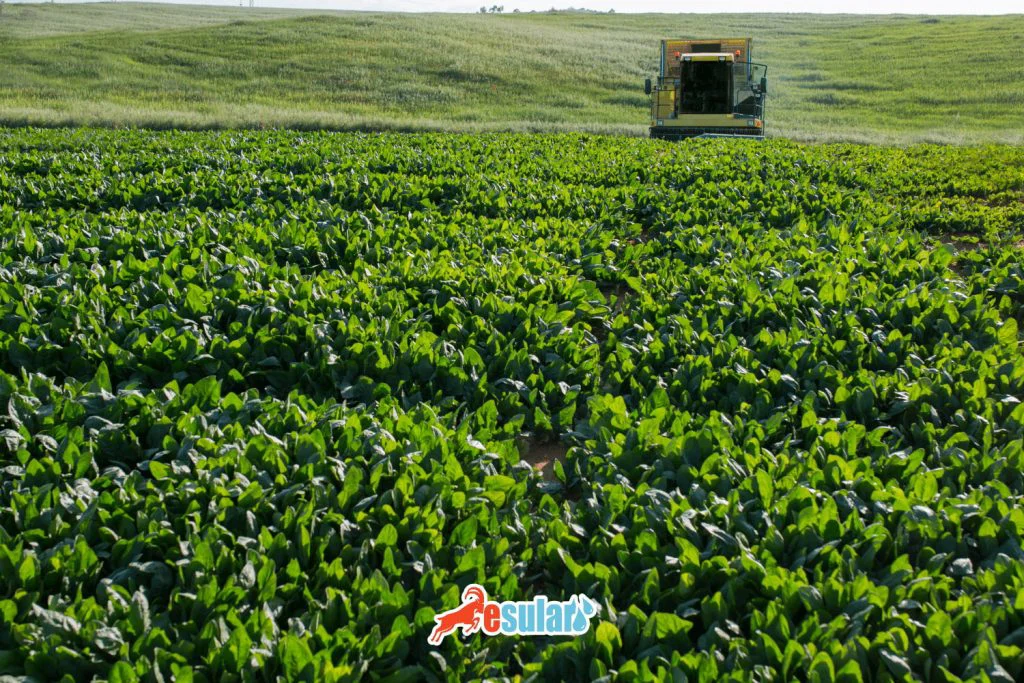
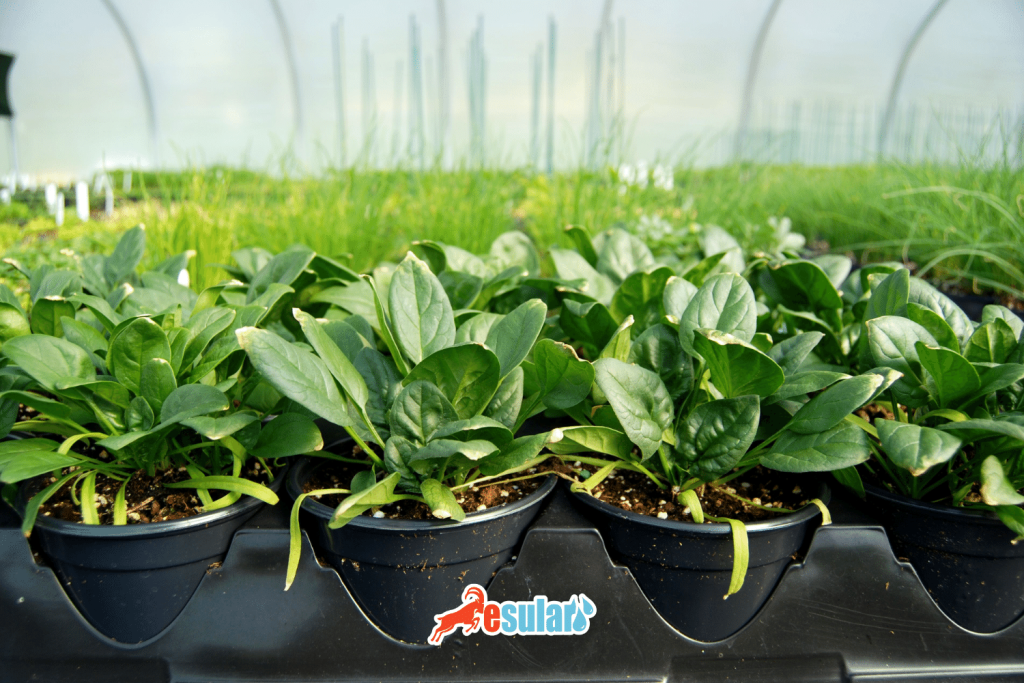
Spinach cultivation is one of the vegetable growing activities that holds a very important place in agricultural production. Spinach is known as a healthy vegetable containing plenty of vitamins, minerals and fiber. Spinach cultivation is generally done in two ways: open field cultivation and greenhouse cultivation. In open field cultivation, seeds are sown directly into the field in the appropriate season and plants are allowed to develop under natural conditions. In greenhouse cultivation, growing is done under controlled conditions in a greenhouse environment, so spinach can be obtained throughout the year regardless of seasonal conditions.

What are the Spinach Varieties?

Spinach has many varieties suitable for different geographical regions and growing conditions. Some of these varieties are:

  • Matador: A high-yielding variety, Matador has an early harvest and a durable leaf structure.
  • Nobel: The Nobel variety, which has large and bright green leaves, is usually grown in greenhouses and harvested early.
  • Tyee: The Tyee variety has large and fleshy leaves. It is cold-resistant and suitable for growing in open field conditions.
  • Avon: The Avon variety has long stems and dark green leaves. It has good yield potential and can adapt to various climate conditions.
  • Bloomsdale: The Bloomsdale variety is known for its curly leaves. Its leaves are thick and flavorful, usually preferred for making salads.
  • Gazelle: The Gazelle variety is a fast-growing and high-yielding variety. It can be harvested early and has a durable leaf structure.

Each of these varieties can adapt to different climate and soil conditions and has different harvest times. Spinach growers can achieve productive production by choosing the variety most suitable for their needs.

ispanak-yetistirme

How Should the Climate and Soil Be in Spinach Cultivation?

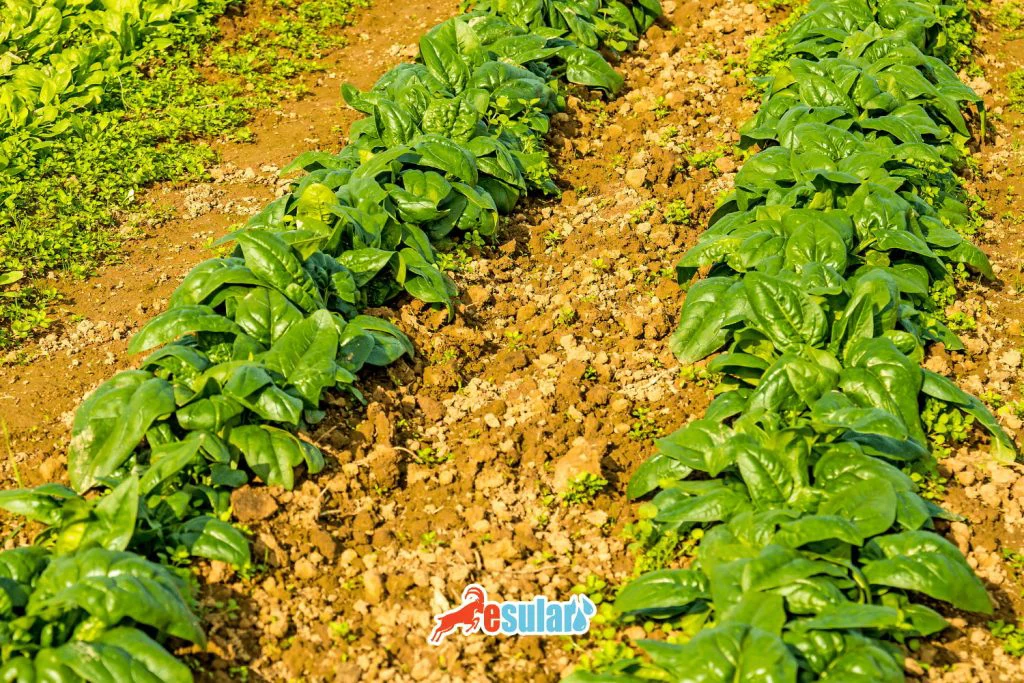
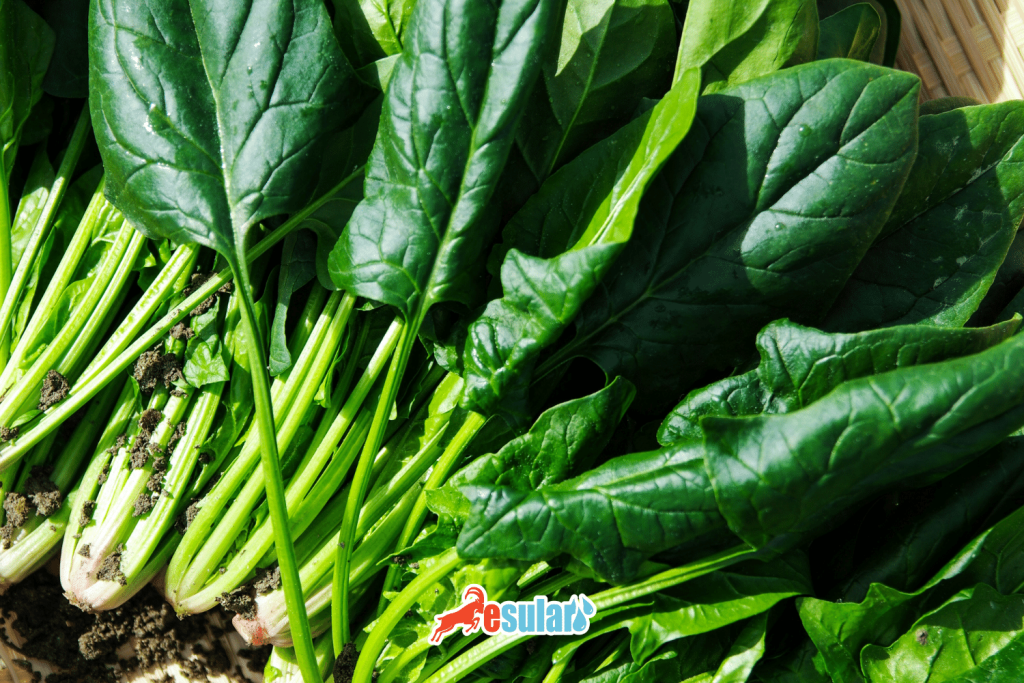
Spinach, whose origins date back to Central Asia, is among the vegetables widely grown and consumed globally and in our country. Spinach, which has a rich diversity, is an annual herbaceous plant that is easy to grow. It usually grows in cool climates and is harvested in winter and spring months. In our country, it can be grown in almost every region except for the Eastern Black Sea Region, which receives excessive rainfall, and is produced in large quantities. Moist, fertile, light clayey soils with a loose structure containing organic matter and a high lime ratio are suitable grounds for spinach cultivation. Especially in clayey soils, productivity and product quality increase significantly. It is a common vegetable consumed in all regions during the winter months.

When and How is Spinach Sowing Done?

Spinach is usually sown in early autumn or towards the end of spring. However, sowing time may vary depending on local climate conditions and the chosen spinach variety. Spinach sowing is done with seeds. The first step in spinach sowing is to choose quality seeds. Ensure that the seeds have been stored under appropriate conditions and are healthy. Before sowing, hoe the soil deeply and add organic matter (compost or fertilizer). This ensures that the soil breathes and water drains well. Sow the seeds into the prepared soil. Bury the seeds to a depth of approximately 1-2 cm and firm them by pressing lightly on top. Then water the seeds lightly. After spinach seedlings start to germinate, perform irrigation as needed and clear weeds. You can thin the plants when they reach approximately 10-15 cm in length. 

ispanak-yetistiriciligi-nasil-yapilir

Fertilization in Spinach Cultivation

Fertilization in spinach cultivation is important for healthy and productive plant growth. First, a soil analysis should be performed and the soil's pH level and nutrient content should be determined. Spinach prefers soils rich in humus and nutrients. For this reason, fertilizers containing organic matter (compost, recycling materials after fertilization, etc.) should be used. In the fertilization program, NPK fertilizers containing basic nutrients such as nitrogen (N), phosphorus (P) and potassium (K) are used. While fertilizers containing phosphorus and potassium are preferred before sowing, nitrogenous fertilizers can be applied when the plants start to grow. Fertilizers can be applied by scattering on the soil or mixing in. The application amount and period should be adjusted depending on soil characteristics, plant type and growing conditions. Sufficient irrigation should be provided after fertilization. Because water is necessary for plants to take up nutrients and for fertilizers to be absorbed effectively. By following these steps, healthy and productive spinach cultivation can be achieved with appropriate fertilization.

Irrigation in Spinach Cultivation

Irrigation in spinach cultivation is important for plants to grow healthily and give products productively. Spinach prefers moist and well-drained soils. Therefore, it requires regular irrigation. Irrigation should be done when the soil dries out and over-watering should be avoided. Watering spinach plants in the morning or evening hours ensures better absorption of water. Depending on the moisture status of the soil, irrigation should be done at regular intervals and in sufficient quantities. To ensure good drainage, it is important to prevent puddle formation during irrigation. It may be necessary for the soil to be sloped to drain excess water or to use containers with drainage holes. By following these measures, healthy and productive spinach cultivation can be achieved with appropriate irrigation.

ispanak-yetistiriciliginde-gubreleme

What are the Diseases and Pests Seen in Spinach Cultivation?

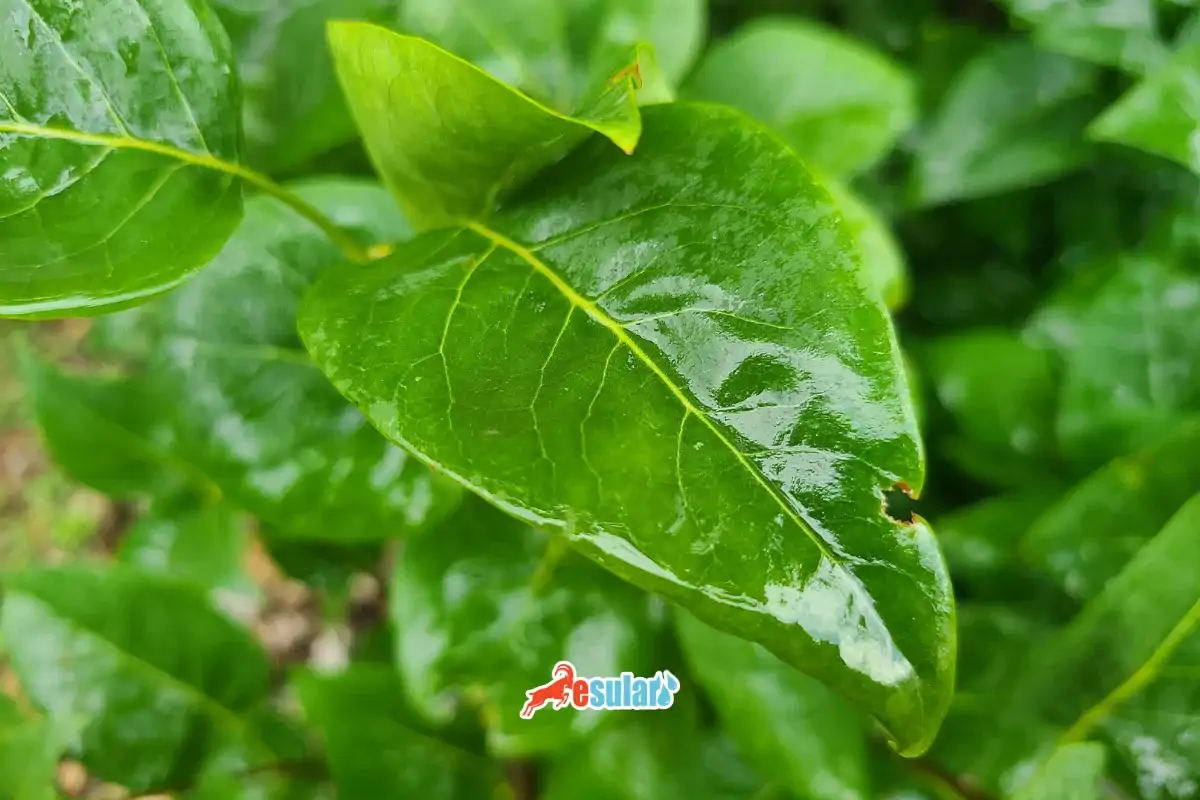
Common diseases in spinach cultivation include bacterial spots, downy mildew, rust disease and root rot. These diseases can occur especially in humid and hot weather conditions and can negatively affect the growth of plants. Additionally, among the pests affecting spinach plants are many species such as aphids, spider mites, leaf miners and soft-bodied insects. These pests feed by eating the leaves of the plants and can prevent their growth. These measures include providing hygienic practices, rapidly removing diseased or pest-infested areas, applying appropriate irrigation and fertilization, and using chemical or biological control methods when necessary. In this way, it will be possible to obtain a healthy and productive spinach harvest.

When is Spinach Harvest Done?

Spinach harvest varies depending on production for fresh consumption or the food industry. Spinach plants grown for fresh marketing are usually harvested in a single cut approximately 35-50 days after sowing. On the other hand, in production for the food industry, harvest is usually done approximately 60-80 days after sowing.

Spinach Harvest

Spinach harvest usually takes place by collecting the young and fresh leaves of the plant. The harvest time is determined depending on the size of the leaves and the growth conditions of the plant. Spinach is usually harvested when it reaches approximately 15-25 cm in length. Leaves are carefully cut from a point close to their stems and solid and healthy leaves are selected. The harvesting process is carried out in the form of collecting leaves individually or in small bunches instead of cutting the plant from the root. This allows the plant to regrow and produce more leaves. Harvested spinach leaves are washed with clean water and dried or stored in the refrigerator if they are to be used immediately. In commercial harvest operations, spinach leaves are quickly cooled and packaged or prepared for shipment. Spinach harvest should be done carefully and with appropriate techniques to ensure the plant continues to grow healthily.

ispanak gubreleme

How Much Spinach is Produced from 1 Decare?

Yield in spinach cultivation can usually be an amount ranging from 1.5 to 2.5 tons per decare. This may vary depending on the variety grown, growing conditions, climate conditions and the agricultural methods applied by the grower. To achieve high yields, it is important to carefully manage factors such as proper soil preparation, irrigation, fertilization and disease-pest control. Additionally, harvest time can also have a significant impact on yield. Reaching optimum size of the crop at the appropriate harvest time and obtaining quality leaves can increase the total harvest amount. Therefore, careful planning and management are required to increase efficiency in spinach cultivation.

Yorumlar

Daha Fazla İçerik İster misiniz?

Akıllı tarım hakkında en güncel içerikleri takip edin.