Turmeric cultivation is an agricultural activity that has drawn attention with its increasing popularity in recent years. Turmeric is a valuable spice obtained from the tuberous roots of the Curcuma longa plant and has many benefits in terms of health. This plant is an effective natural component used especially in the medical and cosmetic industries. Turmeric cultivation can be successfully carried out with suitable climate conditions and correct agricultural techniques. The economic value of turmeric is gradually increasing, especially with the increase in demand in the health and food industry. Market demand is constantly expanding, and consumer interest is increasing due to various health benefits. Therefore, turmeric cultivation offers both a commercial opportunity and provides positive effects on health.
Where Does Turmeric Grow?
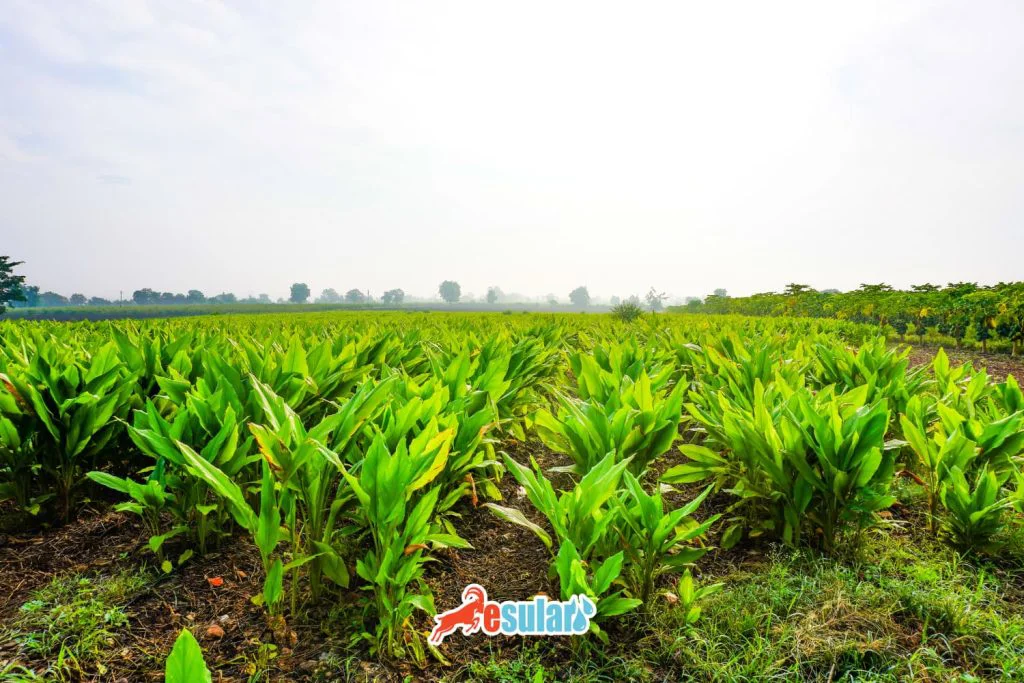
Turmeric (Curcuma longa) is a plant species that grows best in tropical climates. It naturally grows in India, Indonesia, China, and other Southeast Asian countries. These regions are tropical rainforests or subtropical areas with high temperature and humidity levels. The turmeric plant generally develops at temperatures between 20 and 30 degrees, and the annual precipitation amount is also an important factor. Especially India is the country that produces and consumes the most turmeric in the world. Here, states such as Kerala, Karnataka, and Tamil Nadu are important production regions. In addition, Southeast Asian countries such as Indonesia, China, Thailand, and Vietnam also play an important role in turmeric production. Due to the climatic requirements and soil preferences of turmeric, its cultivation is generally possible in other regions with a Mediterranean climate as well. In Turkey, it grows in the South Aegean and Mediterranean Regions, and its cultivation continues to spread.
When is Turmeric Planted?
Since Turmeric (Curcuma longa) is a plant that generally grows in hot and humid climates, the planting time may vary depending on climate conditions. Ideally, turmeric planting should be done when the soil temperature is at least 20-25°C. This usually corresponds to the spring or early summer months in tropical and subtropical regions. Since the turmeric plant does not like cold weather conditions, the soil temperature should be expected to reach a sufficient level before planting. The fact that the soil is moist and well-drained is also an important factor for planting. Depending on climate conditions, turmeric planting is generally carried out between the months of March and June. In hot regions of our country such as the Mediterranean climate, turmeric planting is done in March and April. Soil preparation before planting and providing suitable environmental conditions are important for the healthy growth of the plant and obtaining a productive harvest.
In How Many Months Does Turmeric Grow? Turmeric Harvest
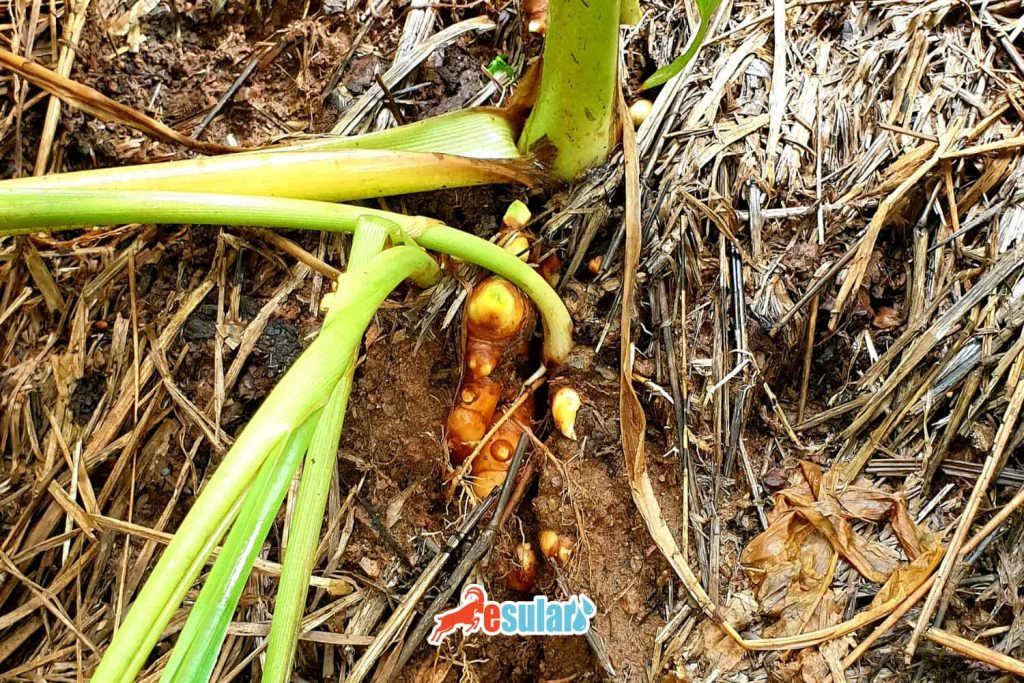
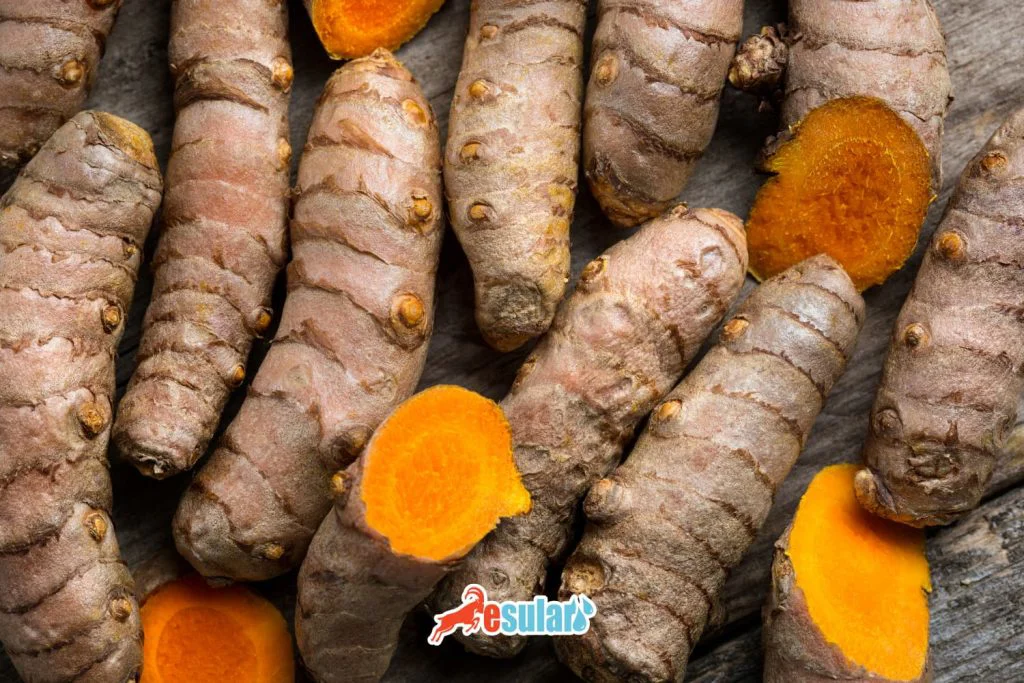
The plant generally becomes suitable for harvest 7 to 10 months after planting. The harvest time is determined by the yellowing of the upper parts of the plant and the thickening and color change of the roots underground. Harvested roots are cleaned and dried, and can then be stored for consumption or processed into turmeric powder. Climate conditions and care play an important role in this process, so the climate and soil characteristics of the region where the plant is grown must be carefully evaluated.
What are the Usage Areas of Turmeric?
Turmeric is a plant with wide usage areas and is used for different purposes in various sectors:
Nutrition and Kitchen: Turmeric is an ingredient used as a spice that adds a yellow color and a slightly bitter taste to dishes. It is widely used especially in South Asian cuisine. It is frequently found in spicy dishes like curry.
Health and Medicine: Turmeric has many benefits for health. Due to its anti-inflammatory properties, it is used in the treatment of conditions such as joint inflammation and rheumatism. Thanks to its antioxidant content, it protects cells from the harmful effects of free radicals. It also supports digestive system health and strengthens the immune system.
Beauty and Cosmetics: Turmeric has benefits for the skin. Its antioxidant properties help the skin stay young, and its anti-inflammatory effects can be used in the treatment of acne and other skin problems. Additionally, turmeric-based masks can help the skin look healthy and glowing.
Textile Dyeing: Turmeric is a natural dye in fabric dyeing. It allows fabrics such as silk and cotton to take on a yellow color. Traditionally, it is used in textile dyeing in Asian countries.
These wide usage areas of turmeric increase the value of the plant in cultural, health, and industrial terms.
What are the Benefits of Turmeric?
Turmeric has many benefits in terms of health:
Reduces the risk of infection by fighting against microbes and bacteria.
Reduces inflammation and is good for joint pain thanks to its anti-inflammatory properties.
Can help alleviate post-nasal drip.
Supports liver functions and provides a detox effect.
Some studies show it can help prevent and destroy the growth of cancer cells.
Can reduce the risk of diabetes by balancing blood sugar.
Can increase memory and learning abilities, and help fight depression.
Supports heart health and can reduce the risk of cardiovascular diseases.
Strengthens the immune system and protects the body against diseases.
Supports digestive system health and can alleviate digestive problems such as bloating and gas.
Improves skin health and can help the skin stay young and healthy thanks to its antioxidant properties.
These wide-ranging health benefits of turmeric can provide important contributions to the body with regular consumption.