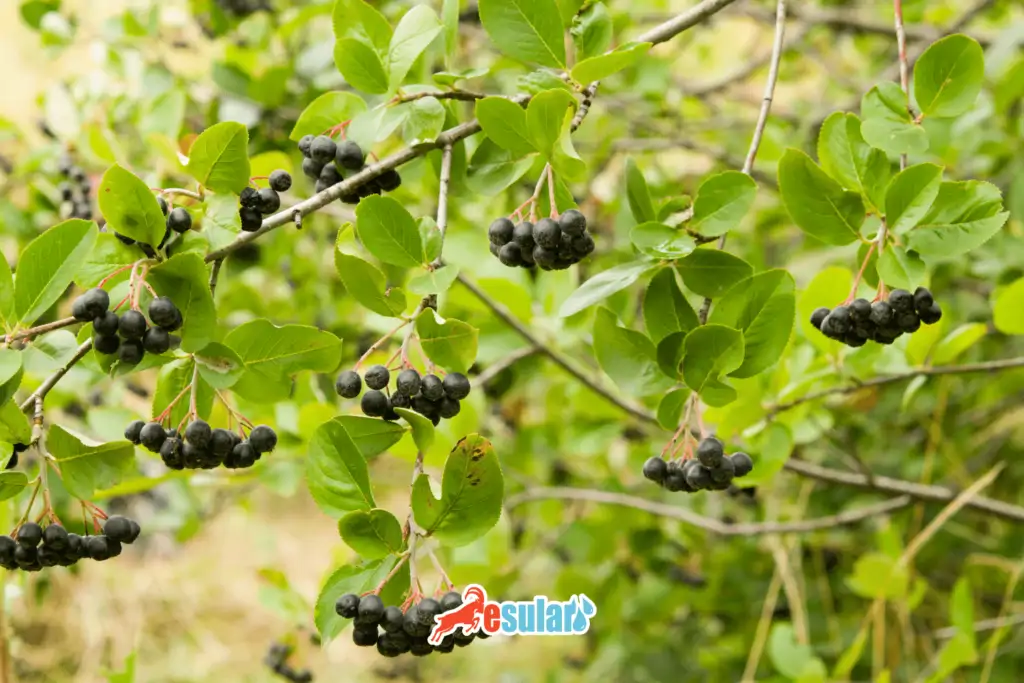
Aronia, also commonly known as blueberry or chokeberry, is a dark purple or black, small-diameter, acidic-sweet fruit. In recent years, the demand for aronia fruit has increased significantly due to its health value and nutritional properties. This demand has also provided a positive impact on aronia cultivation in our country. However, large-scale commercial production is not yet being carried out. This situation shows that aronia cultivation may become even more widespread in the future, especially as awareness in the fields of health and nutrition increases.
What is Aronia?
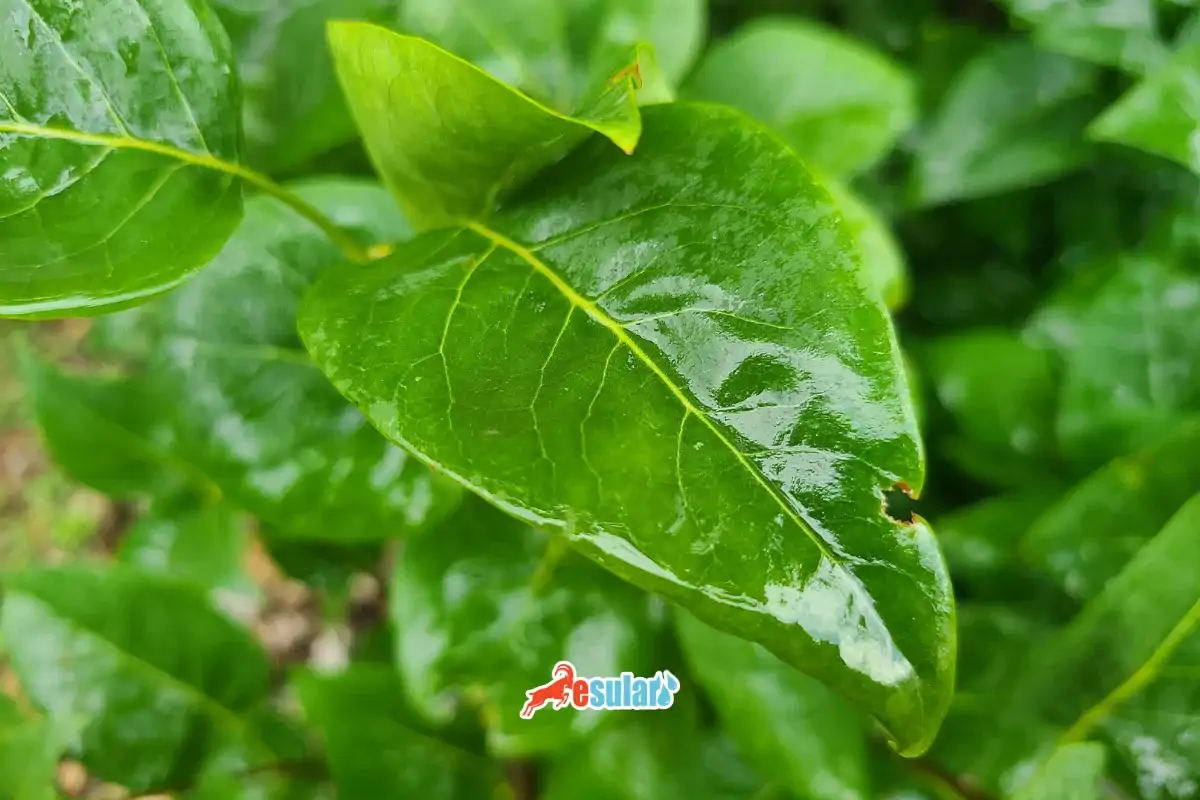
Aronia, generally known as “Aronia melanocarpa,” is a plant species of North American origin whose fruit and leaves are used. It is also referred to by the other name “black blueberry.” Its fruit consists of small berries that are small black or purple-black in color and have a sour-sweet flavor. In recent years, its popularity has increased due to its health benefits and antioxidant content.
What are the Usage Areas and Benefits of Aronia?
Aronia is a plant with a wide range of uses. It is preferred due to its high antioxidant content and health benefits. Its fruits are used in food products such as fruit juice, jam, puree, syrup, and dried fruit, in the cosmetic industry, in alcohol and fermented beverages, in industrial production, and in many other sectors. This wide range of uses increases the value of the aronia fruit and ensures it is preferred in different sectors as well. Its high antioxidant content and nutritional value ensure it has an important place in the fields of health and nutrition.
How is Aronia Consumed?
Aronia can be consumed and used in various ways:
Fresh: its fruits can be consumed fresh. However, since they have quite a sour taste when eaten raw, using them with added sugar may be preferred.
Jam and Marmalade: Aronia fruits can be used in making jam or marmalade.
Syrup and Juices: Aronia fruits can be used in the form of syrup. The syrup produced from these fruits can be used as a sweetener in beverages or meals.
Dried or Frozen: Aronia fruits can be stored by drying or freezing. They can be used to add to smoothies or desserts in frozen form, and to teas or snacks in dried form.
Leaves: Aronia leaves can be used in some health supplements or consumed by brewing as tea.
Aronia Climate Requirements
The aronia plant generally grows in temperate climates and moist soils. Humid and cool climates are ideal conditions for aronia cultivation; because the plant is affected by extreme heat. The aronia plant prefers light shade and sunny areas. Soils that are well-drained, rich in humus, and have a pH level ranging between 3.5 and 7 are suitable environments for aronia cultivation. The plant enters a dormancy period during the cold winter months, and this dormancy period is important for the productivity of the coming season.
Where Does Aronia Grow?
Worldwide, the aronia plant is widely found especially in North America and Eastern Europe. It has a natural habitat in countries such as the northeastern regions of the USA, Canada, Poland, Russia, and Ukraine. These regions are the areas where the aronia plant grows naturally.
Is There Aronia Fruit in Turkey?
In our country, the aronia plant can grow in more limited regions. Especially the humid and cool climate of the Black Sea Region is more suitable for aronia cultivation. Aronia cultivation is carried out in some parts of the Black Sea such as Rize and Trabzon. However, aronia production in our country is generally carried out on limited scales and mostly in individual or small-scale agricultural areas. This situation is related to the plant needing specific climatic conditions and its cultivation not yet having spread to large-scale commercial production.
Aronia Sapling Planting
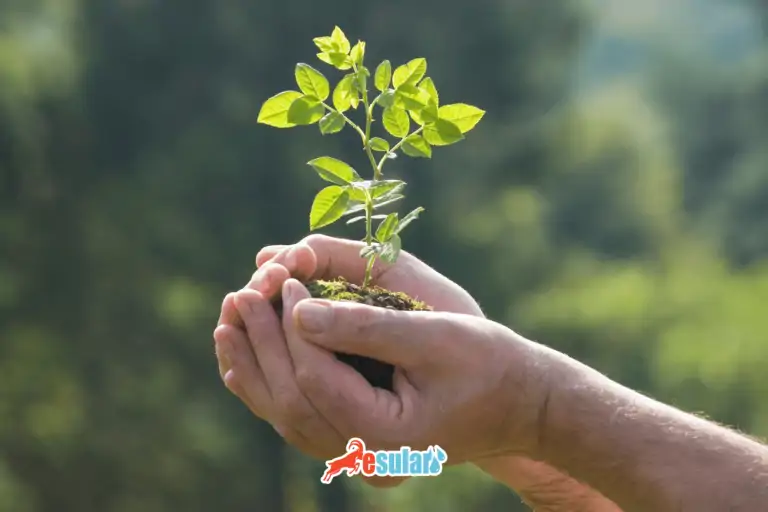
Aronia sapling planting ensures the healthy growth of the plant when done at the right time and under suitable conditions. Generally, aronia sapling planting is preferred at the beginning of autumn or in the early periods of spring. It is important that the area to be planted consists of soils that receive sunlight, have good soil drainage, and are rich in nutrients. The area where the saplings will be planted is prepared beforehand so that the soil in contact with their roots holds well. Saplings are generally placed in pits arranged at intervals of 1-1.5 meters. Placing the roots well and wrapping them tightly with soil around them is supported by irrigation. After planting, regular irrigation and covering the soil with organic mulch or materials can be provided to support the plant's growth. This process supports the healthy growth of the saplings and the adaptation of their roots to the soil.
Irrigation in Aronia Cultivation
The aronia plant needs regular irrigation, especially during the first planting stage. Irrigation is important for ensuring the healthy development of the plant's roots and its adaptation to the soil. Generally, it requires regular irrigation when the sapling is newly planted and in the first months. Irrigation should be done in a way that keeps the plant's soil slightly moist but does not lead to water accumulation. This is important for good soil drainage.
The frequency of irrigation varies depending on climate conditions, soil structure, and the growth stage of the plant. The aronia plant does not like excessive irrigation, therefore the amount of water given should be moderate. Irrigation is generally determined based on the moisture level on the soil surface. In this way, while sufficient water reaches the plant's roots, water accumulation and root rot are prevented.
Fertilization in Aronia Cultivation
Fertilization in aronia cultivation is important for supporting healthy growth and productivity by providing the nutrients the plant needs. This plant generally prefers soils rich in nutrients. Fertilization varies depending on the plant's growth period and soil conditions. After the seedlings are planted, enriching the soil with organic fertilizers (compost, manure, etc.) during soil preparation is preferred. This provides the nutrients necessary for the plant's root system. Generally, at the beginning of spring or when the plant's growth period begins, a balanced fertilization containing basic nutrients such as nitrogen, phosphorus, and potassium can be performed.
Aronia Harvest
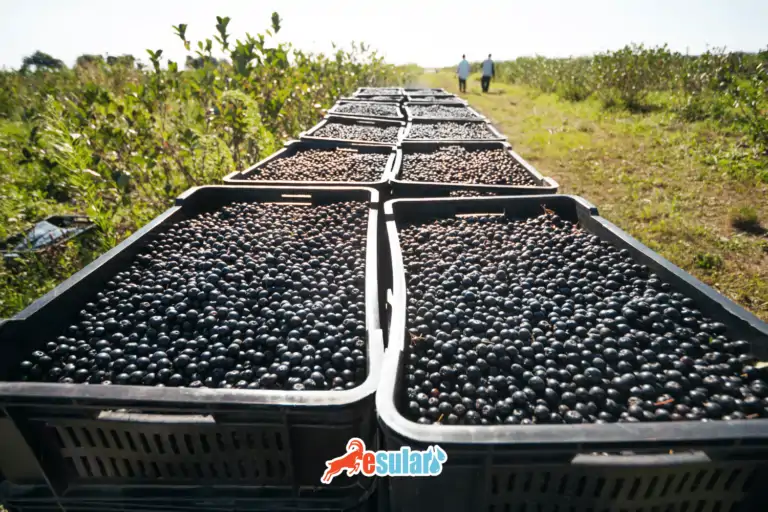
Aronia fruits develop in clusters. The ripening process takes place between 90 and 110 days depending on the variety, pruning type, and climate conditions. Generally, the fruits, which ripen in late August or early September, soften, their colors deepen, they become sweet, and the berries grow. Aronia fruits can be collected by hand or with mechanical harvesting machines. They should be harvested especially in rainless and dry weather. Immature or green fruits should not be collected during harvest. It is preferred that the person performing the harvest holds the fruits in their palm at a minimum level. This prevents the crushing of the fruits and damage to the berries.
In Which Month Does Aronia Bear Fruit?
The aronia plant generally bears fruit in autumn. Fruit ripening usually starts in September and October. However, this may vary depending on the region and conditions where the aronia plant grows. Climate and growing conditions can affect the fruit ripening process.