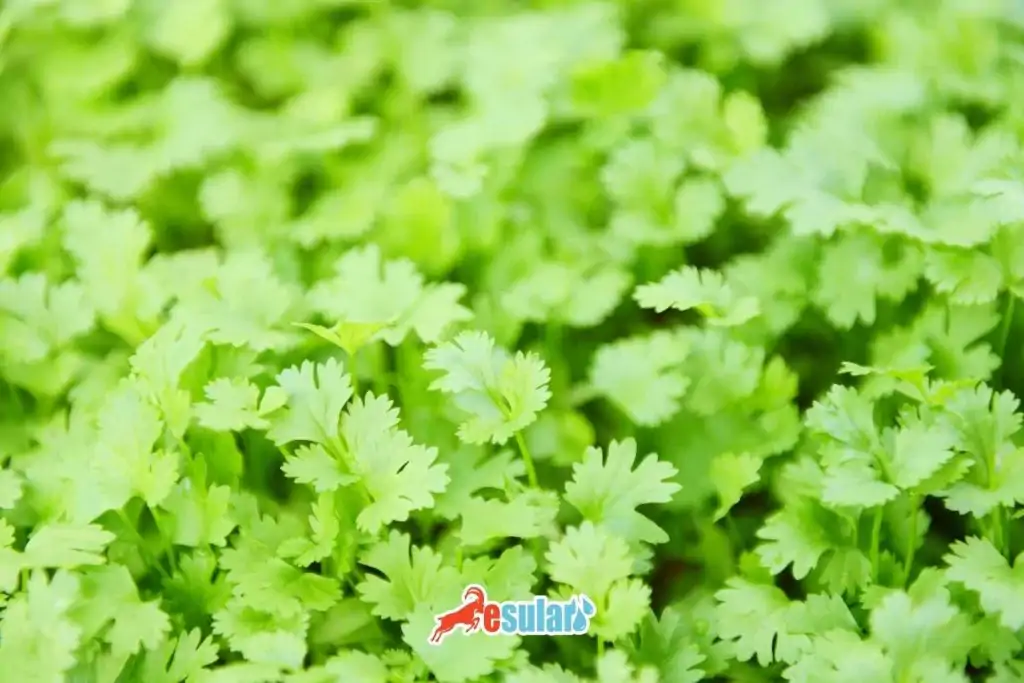
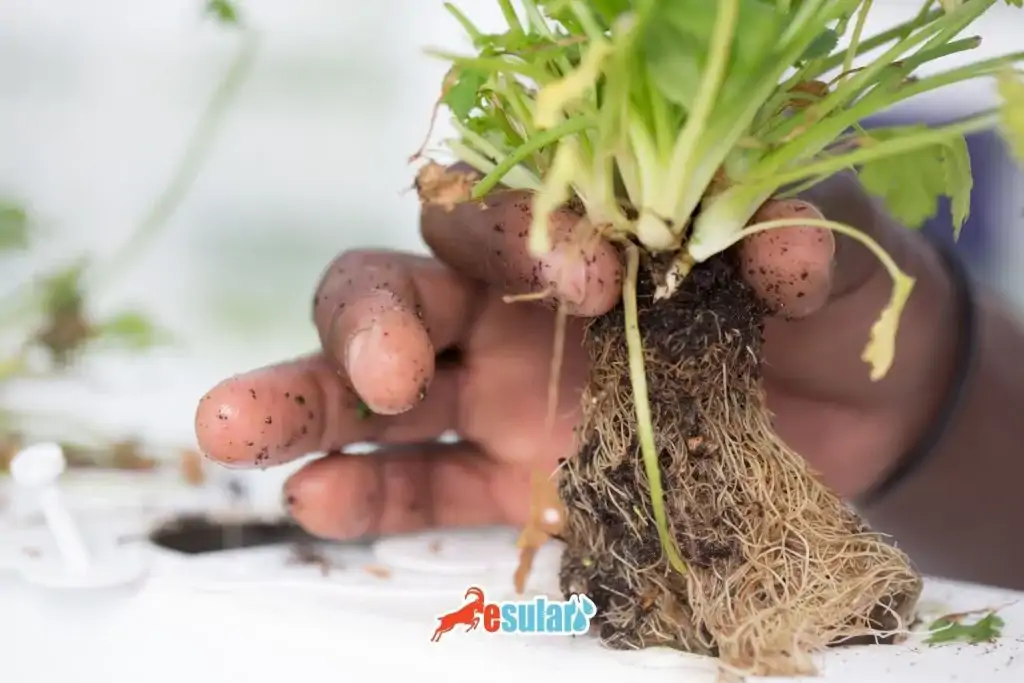
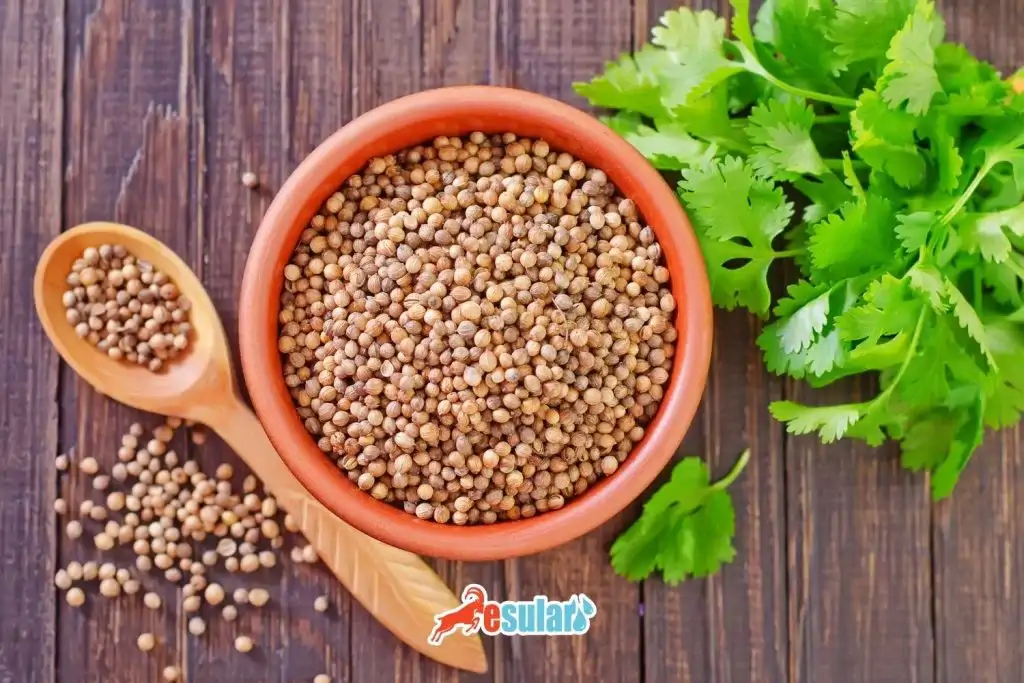
Coriander is a very useful plant frequently used in kitchens and the field of medicine. This plant, also known as ‘aş otu’ and ‘kinzi’ among the public, has found its place in many dishes from Ottoman cuisine to the present day. Well, would you like to grow this medicinal plant in your own garden? Coriander cultivation is a process that is both easy and productive. In this article, we will discuss step by step how coriander cultivation is done. By examining everything in detail, from climate and soil requirements to planting and care methods, harvest and storage tips, we will help you grow coriander in the most productive way. If you are ready, let's start getting to know this valuable plant more closely and growing it in your garden.
Climate and Soil Structure in Coriander Cultivation
Coriander grows best in temperate climates and needs a temperature range between 10-25°C for optimal growth. This plant, which loves cool and temperate weather conditions, especially prefers the 10-20°C range for seed germination. This plant, which needs daylight, is known as a long-day plant and develops better in periods when daylight is abundant. Moderately humid environments are ideal for coriander; excessive humidity leads to plant diseases, while insufficient humidity can cause drying. It gives the best results in well-drained, light, and loose soils, and sandy-loam soils are suitable for this plant. The pH level of the soil should be in the slightly acidic to neutral range (6.0-7.5), and soils rich in organic matter support the healthy growth of coriander. Adding compost or well-rotted manure to the soil before planting helps grow stronger and healthier plants by providing the nutrients the plant needs. By providing these conditions, you can obtain maximum yield from coriander and grow delicious, aromatic leaves and seeds.
Coriander Planting
For the planting of coriander seeds, spring, autumn, and summer months are generally preferred. Seed sowing can be done directly in the garden or in pots. Before the sowing process, keeping the seeds in water or in a damp cloth for one day increases the germination rate. During the soil preparation stage, it is important that the soil surface is moist and the planting depth is kept between 0.5-1 cm. If seedlings are to be used, seedling planting intervals can be the same as seed planting intervals. Before sowing the seeds, the soil temperature must be between 10-20 degrees. After the seeds are placed, the soil surface should be lightly covered, and the irrigation process should be done by moistening with the help of a spray bottle. The germination period of the seeds varies between approximately 20-30 days. Germinated seedlings can be transferred to the garden or larger pots when their height is about 4-5 cm. With regular irrigation and care, the coriander plant grows healthily and gives delicious and aromatic leaves and seeds.
Coriander Care
Coriander Irrigation
The coriander plant prefers well-drained and slightly moist soils. Since it is sensitive to excessive water, one should be careful about irrigation. Irrigation should be done as the soil surface dries, but water accumulation should not be allowed. Generally, irrigation once or twice a week may be sufficient. It should be checked more frequently in hot weather or sandy soils. Irrigating in the early morning hours or late afternoon ensures more efficient use of water and helps protect the plant from sunburns.
Coriander Fertilization
Correct fertilization for the coriander plant is important for healthy growth and good leaf yield: Compost or organic fertilizers increase the nutrient level of the soil and support the healthy development of the plant. A balanced NPK fertilizer adjusted according to the growth stage of the plant can be used. These fertilizers containing Nitrogen (N), phosphorus (P), and potassium (K) meet the nutritional needs of the plant. Generally, fertilization can be done every month or every two months after planting. Over-fertilization can affect the taste of the plant, so application in recommended amounts is important.
For the healthy growth and productivity of the coriander plant, irrigation and fertilization must be done regularly and correctly. With these simple methods, you can ensure that your coriander gives strong and aromatic leaves.
Coriander Harvest
Coriander harvest is done in the early pre-flowering period when the plant is most aromatic. Generally, when the plant reaches about 15-20 cm in height and before flowering begins, the leaves are collected by picking or cutting them one by one. Harvested leaves should be dried by spreading or hanging in a clean and dry environment, so they preserve their aroma and flavor. During harvest, attention should be paid to whether the plant is in the flowering stage; the quality of the leaves may decrease when flowering begins. The harvesting process should generally be done in the early morning or late afternoon so that the harvest is done while the plant's water content is low and the leaves are drier.
Benefits and Usage Areas of Coriander
Coriander is a plant that is both used as a flavoring spice in the kitchen and has various health benefits. Here are the benefits and usage areas of coriander:
Benefits:
Antioxidant Properties: Coriander leaves and seeds contain antioxidant compounds, which can reduce cellular damage by fighting free radicals in the body.
Supporting the Immune System: It can strengthen the immune system with the vitamins and minerals it contains, increasing resistance against diseases.
Supporting Digestive Health: It has positive effects on the digestive system, can help against digestive problems and facilitate digestion.
Anti-inflammatory Effects: Thanks to the compounds it contains, it has anti-inflammatory properties, can reduce inflammation and relieve pain.
Lowering Cholesterol: Some studies show that coriander consumption may have positive effects on the blood lipid profile, which means it can lower cholesterol levels.
Usage Areas:
Spice in the Kitchen: Coriander leaves and seeds are used as a spice in many Asian and Middle Eastern cuisines. It provides a flavoring aroma in soups, salads, sauces, meat dishes, and fish.
Herbal Tea: Teas made from coriander leaves or seeds can be consumed to support digestive health or drunk for general health.
Natural Medicine: It is known that coriander is used in the treatment of health problems in some regions in traditional medicine. Due to its antioxidant and anti-inflammatory properties, it can be used as a support against various health problems.
These benefits and usage areas of coriander make it both a delicious ingredient in the kitchen and a valuable plant for health. It is important to consume it in the correct amount and appropriately before each use.