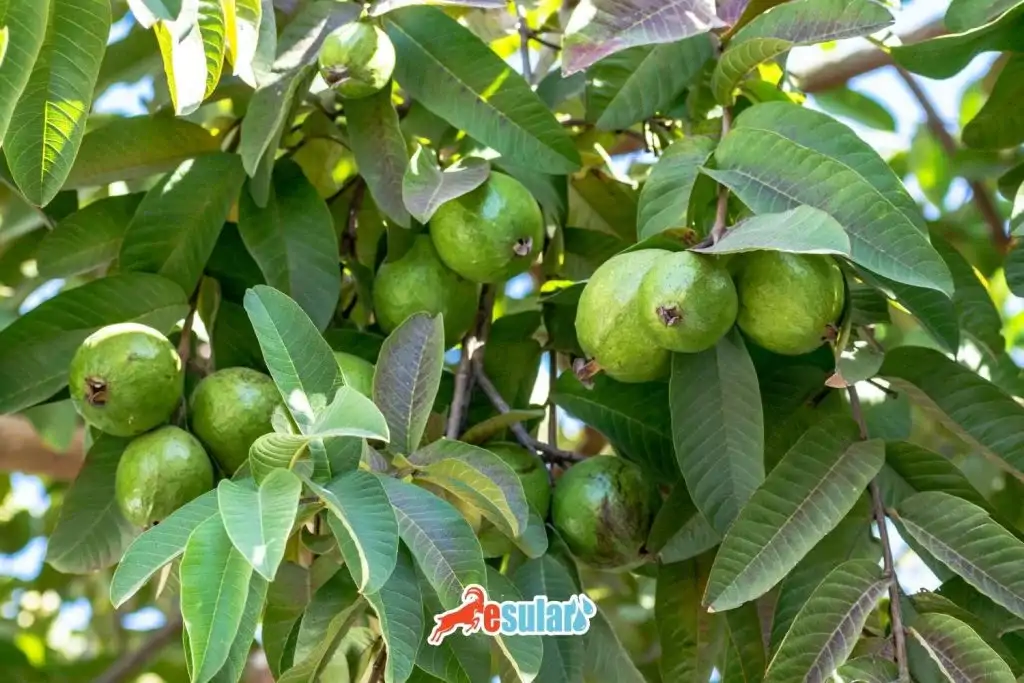
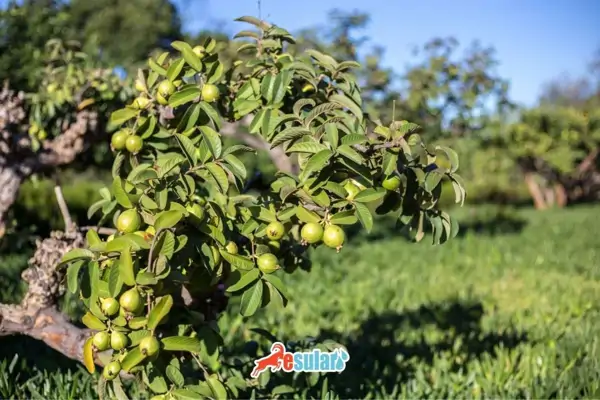
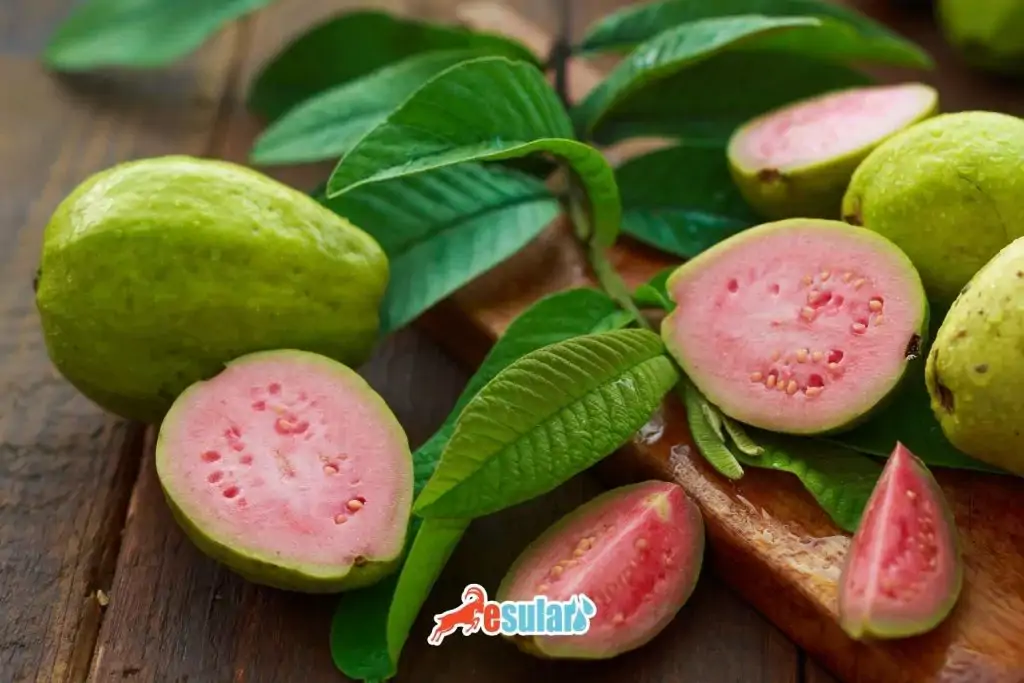
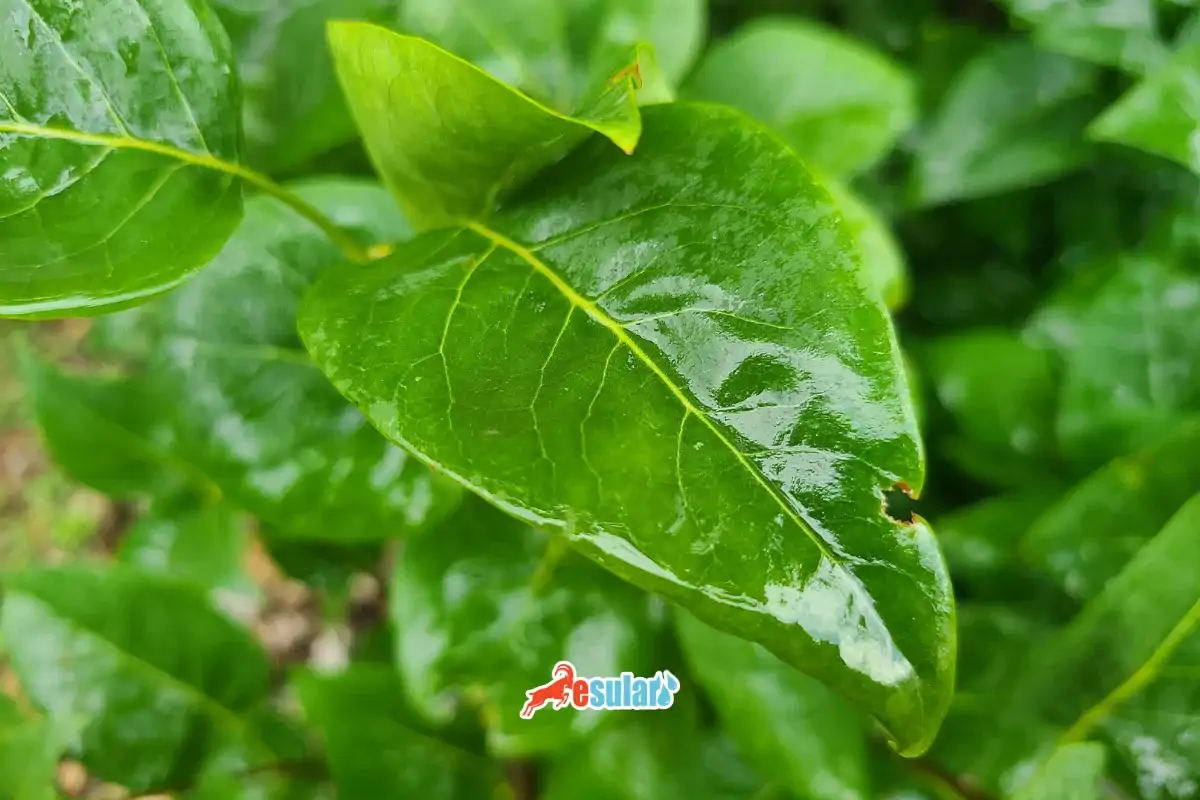
Guava cultivation is successfully carried out in tropical and subtropical regions. Guava is a fruit known for its unique aroma and high nutritional value. In recent years, with the expansion of exotic fruit cultivation in Turkey, guava has also stood out as a potential product. Especially the Mediterranean Region offers an ideal environment for guava farming in terms of climatic conditions. In this article, basic information will be presented for farmers and entrepreneurs who want to step into guava cultivation. Guava cultivation can be considered a profitable investment as it is a product in demand both in the domestic market and in the international arena. The durability of the fruit, its ability to adapt to different climatic conditions, and the benefits it offers in terms of health make guava cultivation attractive.
Climate and Soil Structure in Guava Cultivation
Guava is a tropical plant that prefers hot and humid climates, growing best in temperatures between 20-30°C and in well-drained, slightly acidic to neutral (pH 5-7) soils. High humidity and an annual rainfall of 1000-2000 mm are ideal for efficient guava production. Enriching the soil with organic matter and ensuring it is well-permeable supports the healthy growth of the plant and the production of quality fruit. Guava can be successfully grown in our country as well when these conditions are met.
Guava Cultivation in Turkey
Guava cultivation in Turkey has started to attract attention in recent years, especially in provinces of the Mediterranean Region such as Mersin and Antalya. Since these regions have suitable temperature and humidity levels for the guava plant, they are preferred by farmers interested in exotic fruit cultivation. Although guava cultivation is not yet widespread in Turkey, the high nutritional value and commercial potential of this fruit are promising, especially for export. With the advantages provided by the Mediterranean climate, guava farming is becoming increasingly widespread in our country and is seen as a new source of income.
Guava Sapling Planting
For sapling planting, first, a hole at least twice as wide as the root and 50 cm deep should be dug in the area where the sapling will be planted. This hole will provide the necessary space for the root development of the sapling and enable deep irrigation. To improve the soil structure, a mixture of 50/50 compost and soil should be applied inside the hole. After the sapling is placed, the area around the roots should be filled with this mixture and then the soil should be thoroughly compacted. Deep irrigation after planting will support the roots of the sapling to take hold in the soil and grow healthily. Since these saplings grow fast, it is recommended to apply fertilizer containing high nitrogen every two months during the growing season.
Care and Irrigation Needs of the Guava Tree
Guava trees can grow healthily and productively with correct care and irrigation. This tropical fruit plant especially loves hot climates and requires regular irrigation. Guava trees prefer the soil to be well-drained to ensure the roots get good air. Deep irrigation should be done by waiting for the surface of the soil to dry; this allows the roots to go deep and increases the plant's resistance to water stress. Irrigation frequency should be increased in high temperature and low humidity conditions. Additionally, these trees should be fed with high-nitrogen fertilizers every 2-4 weeks during the growing season, usually in the spring and summer months. In the winter months, the frequency of fertilization should be reduced or stopped completely. Especially ensuring the moisture balance of the soil during irrigation is of critical importance for maintaining the health of the plant and obtaining quality fruits.
Guava Harvest
The harvest process should be carried out carefully according to the degree of ripeness of the fruits. Olgun guavalar, usually softened slightly and taken on their characteristic colors. The fruit should feel a bit soft when lightly touched, and its unique aroma should be distinct. The harvest period may vary depending on the fruit type and climatic conditions; usually, fruits ripen on the tree between 3-4 months.
The harvest process is carried out by gently picking the fruits from the tree without damaging them. Guava fruits are usually collected by hand; care should be taken not to damage the fruit stem while harvesting using a sharp knife or scissors. After fruit harvest, guavas should be stored in a cool and dry environment to prevent them from continuing to ripen. The ripening process can continue at room temperature, and the harvested fruits should be consumed within 1-2 weeks. This method helps to preserve the freshness and taste quality of the fruits.