Hawthorn cultivation is a fruit tree cultivation that holds great importance in terms of the sustainability of agricultural activities and the protection of biological diversity. Hawthorn is known for its numerous health benefits and durable structure. Hawthorn, which grows naturally in various regions of Turkey, can be successfully grown in a wide range of climates and soils. This plant, which has low climate and soil selectivity, holds an important place in the agricultural sector thanks to its low maintenance requirements and high adaptation ability. While the hawthorn fruit attracts attention with its high vitamin C content and the benefits it offers for health, its economic value can be increased by processing it in various ways. Using the right techniques when taking steps for hawthorn cultivation is of critical importance to obtain a productive and high-quality harvest. In this text, we will cover the basic stages of hawthorn cultivation and the points that need to be considered.
Climate and Soil Structure in Hawthorn Cultivation
The hawthorn plant is a durable fruit tree that can grow successfully in a wide range of climates and soils. Hawthorn, which is quite flexible in terms of climate, develops best in temperate climates but can also grow healthily in colder and continental climate regions. It can be grown in most regions of Turkey and can be found naturally especially in humid areas such as stream banks. Hawthorn can grow spontaneously at altitudes of up to 1800 meters, which indicates its wide distribution area. In terms of soil structure, hawthorn prefers calcareous and well-drained soils. However, it can also be successful in arid and barren soils; in this case, the need for irrigation decreases and a tighter soil structure works in favor of the hawthorn. In terms of soil pH, hawthorn shows a wide tolerance from slightly acidic to neutral pH. Soils with high water-holding capacity support the root development of the hawthorn, providing a healthier and more productive growing environment.
Planting Hawthorn Saplings
Planting hawthorn saplings may vary depending on the planting time and conditions. Generally, while container-grown hawthorn saplings can be planted in any month of the year, the period from December to April is considered the most suitable time for bare-root saplings. Before planting, a pit 50 cm deep is prepared for the healthy placement of the sapling's roots, and the soil is fertilized to ensure the roots are placed without any air gaps. It is important to place the sapling so that the graft point remains exposed. The first irrigation after planting is done with approximately 5 liters of water after the pit is carefully closed. The sapling is kept upright using planting support stakes, and planting fertilizer is applied. The distance between hawthorn saplings is generally determined as 5 meters, which increases the healthy development and productivity of the saplings. When done with the right techniques, planting hawthorn saplings can be successfully carried out in garden or field conditions.
Irrigation in Hawthorn Cultivation
Irrigation in the cultivation of the hawthorn plant is of critical importance to ensure the root development of saplings and to increase the fruit yield of mature trees. Young saplings require regular irrigation when newly planted; irrigation once or twice a week is recommended during the first year. Although mature hawthorn trees generally receive sufficient water from natural precipitation, additional irrigation may be required during long periods of drought or during the fruit ripening period. It is important to check soil moisture regularly and avoid over-watering. The hawthorn plant generally prefers calcareous and well-drained soils; such soils support the healthy development of roots and ensure efficient water retention. Benefiting as much as possible from natural precipitation not only provides water savings but also makes the plant more suitable for natural growth conditions. Therefore, for hawthorn cultivation, the healthy development of the plant and obtaining a productive crop can be ensured by determining the correct irrigation strategies.
Fertilization in Hawthorn Cultivation
Fertilization is very important for the healthy growth of the plant and product productivity. Initially, adding organic fertilizer or compost to the planting pits encourages the root development of saplings by increasing the nutrient value of the soil. During the growth period, the hawthorn plant generally needs nitrogen, phosphorus, and potassium. While the vegetative growth of the plant is encouraged with high-nitrogen fertilizers in the spring, it is recommended to use phosphorus and potassium-weighted fertilizers during the flowering and fruit ripening periods. Organic fertilizers improve the structure of the soil and ensure the long-term nutrition of the plant, while the regular provision of micronutrients is also important. The fertilization program should be applied regularly by adjusting it according to the age of the plant, soil analysis, and climate conditions. This approach supports the healthy growth of the hawthorn plant, strong root system development, and increases quality fruit yield.
Hawthorn Harvest
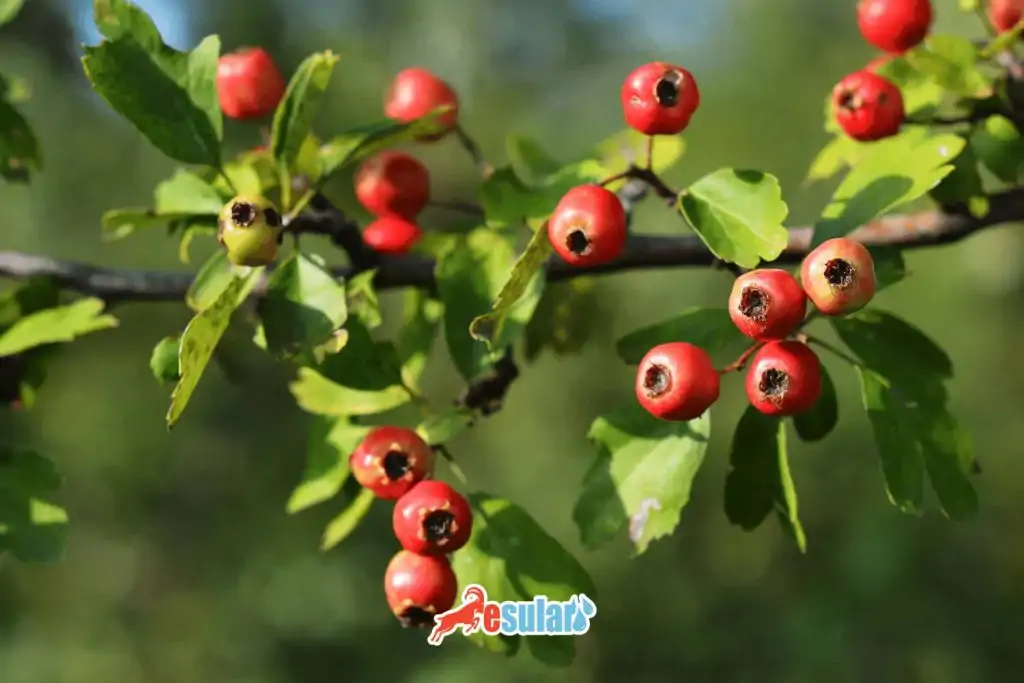
The harvest of the hawthorn plant, when done with the right timing and techniques, ensures obtaining a high-quality and productive crop. Hawthorn fruits generally ripen in the autumn, in the months of September and October. When the harvest time comes, it must be ensured that the fruits are fully ripe. This can be understood by the colors of the fruits turning completely red or yellow and their textures softening. Hawthorn fruits are harvested by being picked by hand or by shaking them to fall to the ground. The hand-picking method is preferred to prevent damage to the fruits. Fruits taken carefully from the branches should be collected without being crushed or bruised. The shaking method is performed by gently shaking the branches of the tree to drop the ripened fruits to the ground. This method can speed up the harvesting process in large areas, but to prevent damage to the fruits, it should be ensured that the falling fruits land on a soft surface.Harvested hawthorn fruits can be consumed fresh, as well as utilized as jam, marmalade, syrup, and dried fruit.
After How Many Years Does Hawthorn Bear Fruit?
The hawthorn tree generally begins to bear fruit within 2-3 years from planting. However, this period may vary depending on the climate conditions in which the tree grows, soil characteristics, maintenance, and fertilization practices. During the first few years, the goal is to create a more robust structure by focusing on the root and trunk development of the tree. During this period, the healthy and productive growth of the tree is encouraged by performing regular irrigation, fertilization, and pruning processes. When appropriate maintenance conditions are provided, the hawthorn tree may start to bear fruit earlier and higher yields can be obtained.