Tüm Yazılar
How to Grow Kumquat?
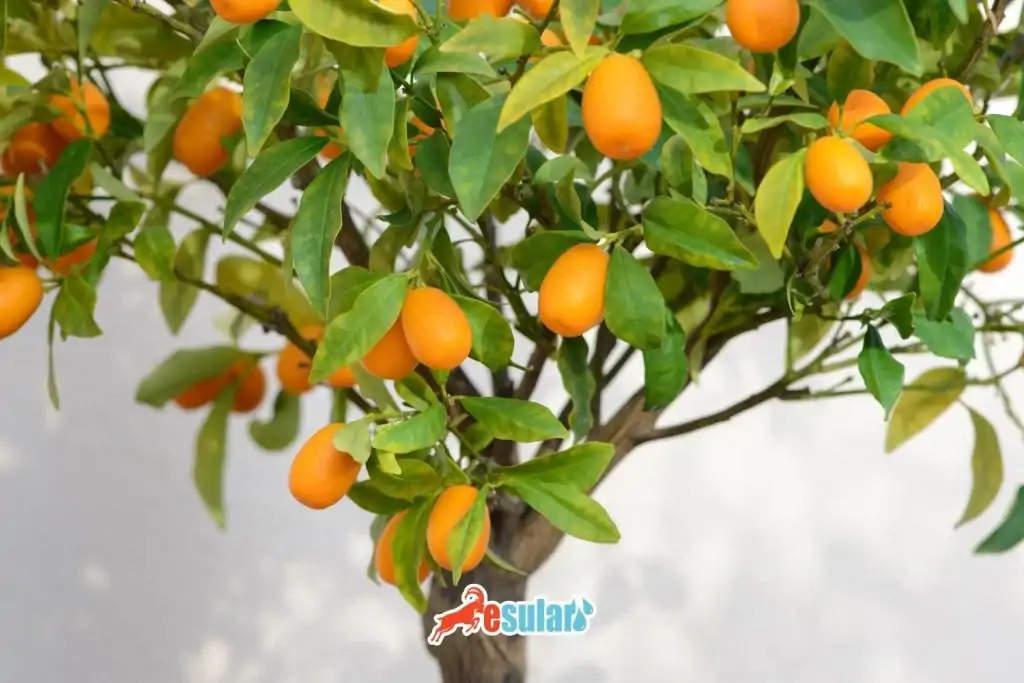
Kumquat cultivation stands out as an increasingly popular agricultural option in recent years thanks to its health benefits and sweet flavor. Kumquat is an eye-catching and remarkable member of the citrus family. Originating from East Asia and China, this fruit is known as a small and delicate shrub plant. Although its flowers and fruits resemble lemon and orange, kumquat has its own unique characteristics. The peel of its fruit is edible and has a sweet flavor profile. Its scent is reminiscent of bergamot, and the scent of the kumquat you hold in your hand lingers for a long time. In terms of cultivation, kumquat can adapt to various climate conditions. Drawing attention with its high vitamin and mineral content, this plant is grown in greenhouses, gardens, and balconies for use as both food and an ornamental plant. Kumquat cultivation offers significant opportunities for both personal consumption and commercial purposes. In this article, comprehensive information will be provided from the basic stages of kumquat cultivation, soil and climate requirements, to maintenance and harvest methods. By evaluating these opportunities offered by kumquat, an efficient and healthy cultivation process can be carried out.
Kumquat Types and Characteristics
Hong Kong Kumquat
- Characteristics: A fruit with a thin and sparsely fleshy peel, exhibiting a weak external appearance when ripe. Diameter is approximately 1.6-2 cm.
- Seed Count: 3-4 small seeds.
- Growing Areas: Grows in Hong Kong and some mountainous regions of China.
Marumi Kumquat
- Characteristics: Originating from Japan, a slightly flattened and round fruit. Length is approximately 3.2 cm, golden yellow in color, and has an aromatic taste profile.
- Seed Count: 4-7 seeds.
- Tree Characteristics: Can grow up to 2.75 meters and has small leaves. It is more resistant to cold.
Meiwa Kumquat
- Characteristics: Originating from Japan, a short and round fruit. Diameter is approximately 4 cm, orange-yellow in color, and thick-skinned. It has a sweet flavor.
- Seed Count: Usually 7 seeds, but seedless or low-seeded examples can also be found.
- Growing Areas: Widely cultivated in China and known as an ideal variety for fresh consumption.
Nagami Kumquat
- Characteristics: Originating from China, a round fruit 4-5 cm in size. Contains 2-5 seeds and bears fruit from October to January.
- Tree Characteristics: Can grow up to 4.5 meters.
These varieties offer a rich range of taste and color in kumquat cultivation; each can adapt to different climate and soil conditions with its unique characteristics.
Climate and Soil Requirements for Kumquat Cultivation
Kumquat cultivation gives the best results in subtropical and tropical climates. The plant prefers temperatures between 20-30°C and is sensitive to cold weather and frost events. For this reason, it is important to grow it in regions where the temperature does not drop below 0°C in winter. High humidity levels are beneficial for kumquat, and the humidity rate should be between 60-80%. Additionally, kumquat plants need plenty of sunlight and should receive at least 6-8 hours of direct sunlight per day. In terms of soil, the kumquat plant prefers well-drained soils in the slightly acidic to neutral pH range, i.e., 5.5-6.5 pH. It is important that the soil is permeable and that water puddles are avoided. Soil fertility should be rich in organic matter and essential nutrients. To support deep rooting, the soil must be well-tilled and aerated. The kumquat plant needs regular irrigation; it is important to keep the soil moist, but water puddles should not form.
Kumquat Sapling Planting and Care
Sapling planting should generally be done in the spring months, during a period when the risk of frost has passed. Saplings should be placed in a well-drained and sunny area. Before planting, the sapling hole should be at least 60 cm wide and 60 cm deep, and the sapling's root system should be able to be placed comfortably in this hole. The nutrient value of the soil can be increased by adding organic fertilizer or compost to the bottom of the hole. During planting, the sapling's root collar should be placed at the same level as the upper surface of the soil. After the sapling is planted, the soil should be firmly pressed to prevent the roots from getting air, and life water should be given. The first irrigation should be in an amount that ensures the soil is thoroughly moistened. Irrigation should be done regularly, especially in the summer months, and care should be taken to keep the soil moist. Fertilization is necessary to increase the growth of the plant and fruit yield. A balanced fertilizer containing nitrogen, phosphorus, and potassium should be used in the spring and summer months.
Kumquat Fruit Development and Harvest Process
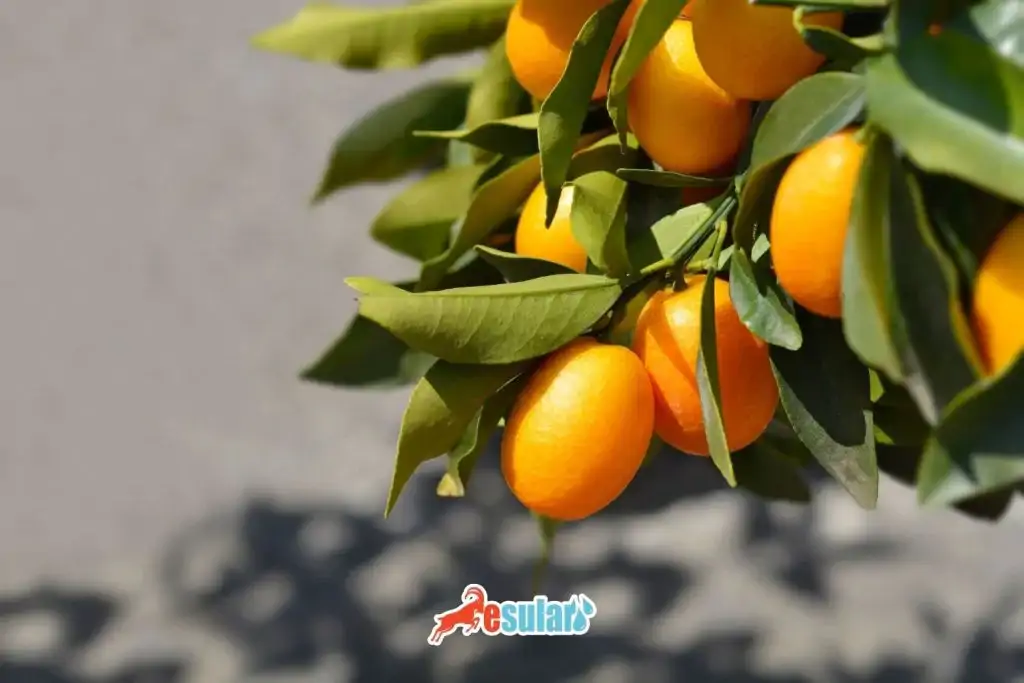
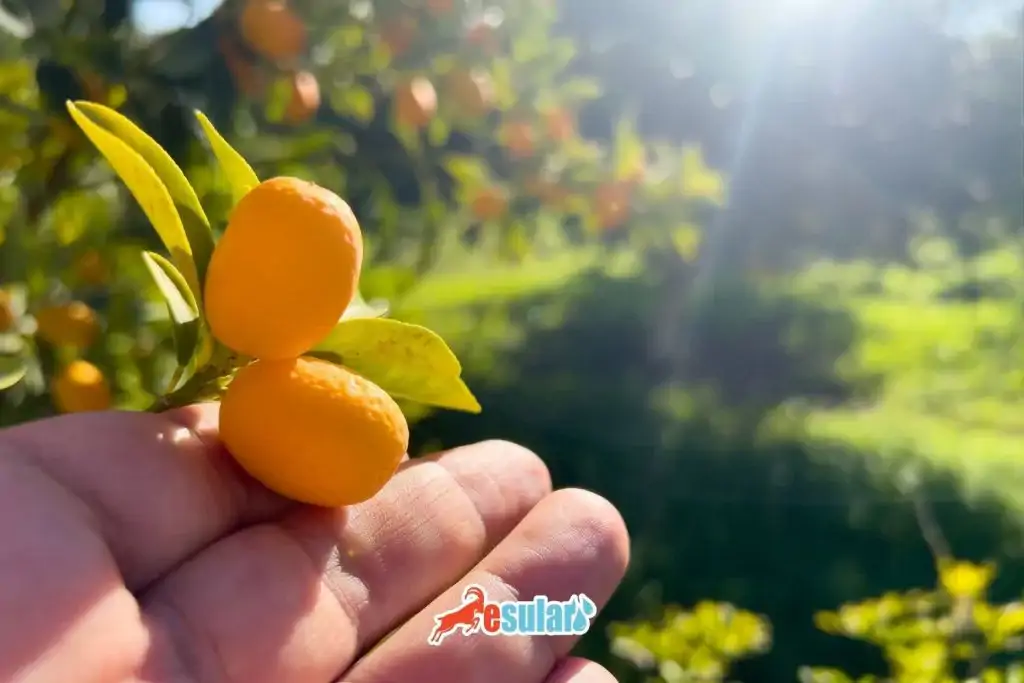
The kumquat plant generally blooms in late summer and early autumn. Fruit formation begins after flowering, and the fruits enter the ripening process. Its fruits generally ripen slowly, and it can take 5 to 7 months to reach full maturity. During this process, ensuring the plant receives sufficient water and nutrients allows the fruits to develop healthily. As the fruits ripen, they change color from green to bright orange. The ripening time for kumquat fruits usually coincides with the winter months. During this process, the fruits take on a bright color. When fully ripe, the peel of the fruit is thin, and the interior has a sweet and slightly sour flavor.
The harvest process should be carried out during the period when the fruits are completely ripe. Kumquat fruits are harvested from the branches by hand or by cutting with scissors. Care should be taken not to damage the fruits during the harvesting process. Ripened fruits can stay on the branch for a long time; this does not lead to any deterioration in the flavor of the fruit. However, if the fruits are not collected on time, the plant may go back into flowering, and the fruit yield in the following season may decrease. Harvested kumquat fruits can be consumed fresh, as well as used in the production of various products such as jam, marmalade, and confectionery.
Kumquat Usage Areas
Kumquat, as a versatile fruit, has various usage areas. Kumquat, which can be consumed fresh, offers a delicious snack especially when eaten with its peel. Since the peel of the fruit is thin and sweet, and the interior is slightly sour, it provides a unique flavor combination. Kumquat is also quite popular in the kitchen. It is frequently used in making jam, marmalade, fruit juice, and confectionery. It is also preferred as a flavoring in desserts, cakes, and pastries. Additionally, in Chinese cuisine, it is a treat offered as a dessert at the end of meals. Kumquat can be used not only in sweet recipes but also in savory dishes. It can add richness of flavor by being added to salads, meat dishes, or sauces. This fruit is also used as a decorative element in cocktails or beverages, contributing both flavor and aesthetics to the drinks.
Kategoriler