Tüm Yazılar

How to Grow Pineapple?

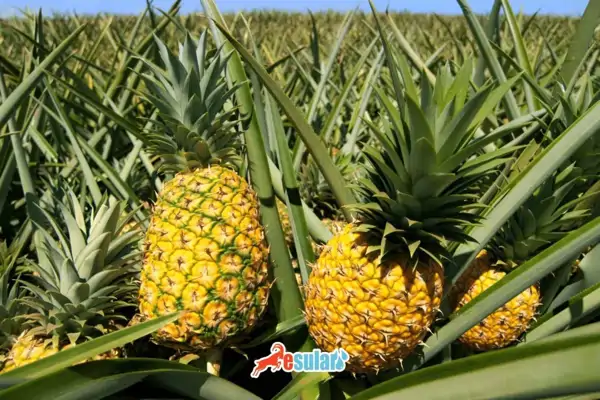
Pineapple cultivation is widely practiced in tropical and subtropical regions.  The pineapple plant is defined as a shrub-like and perennial herbaceous plant. Its hard, thorny, and sword-shaped leaves distinguish it easily from other plants. Its fruits grow on an upright and succulent stem. This delicious and nutritious fruit originated in South America and has spread to different regions over time. Pineapple has many health benefits. It is a fruit rich in vitamins A and B, and minerals such as calcium, phosphorus, and iron. Thanks to its high antioxidant content, it provides energy to the body, strengthens the immune system, and aids digestion. Pineapple cultivation provides both healthy fruit production and is an agricultural activity with high economic value. With the right techniques, it is possible to successfully grow and market this tropical fruit in Turkey as well.

Where Does Pineapple Grow?

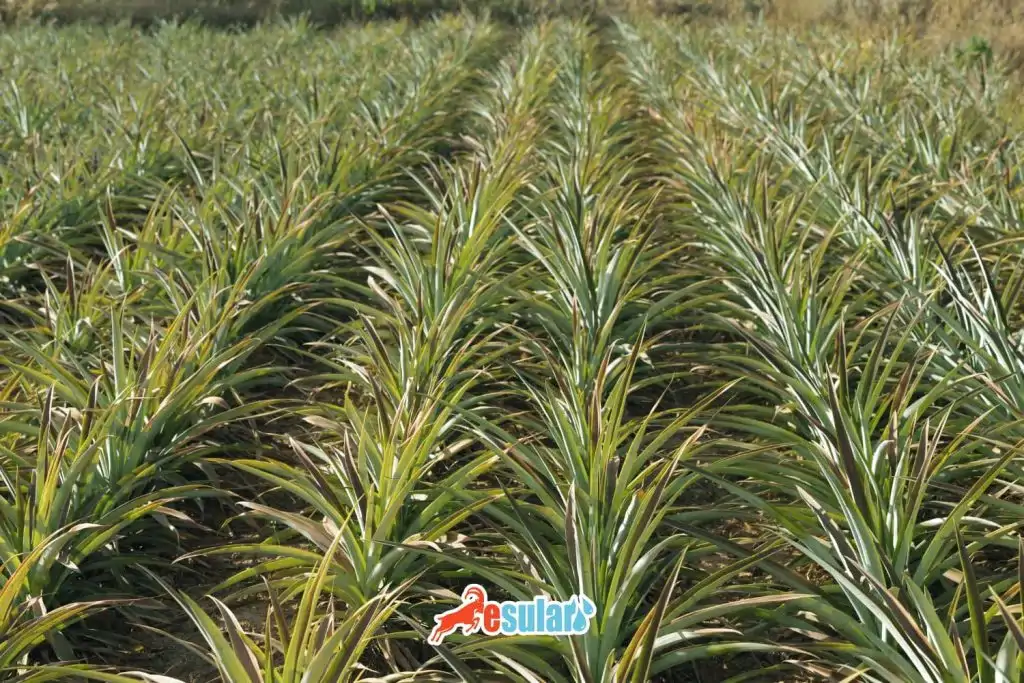
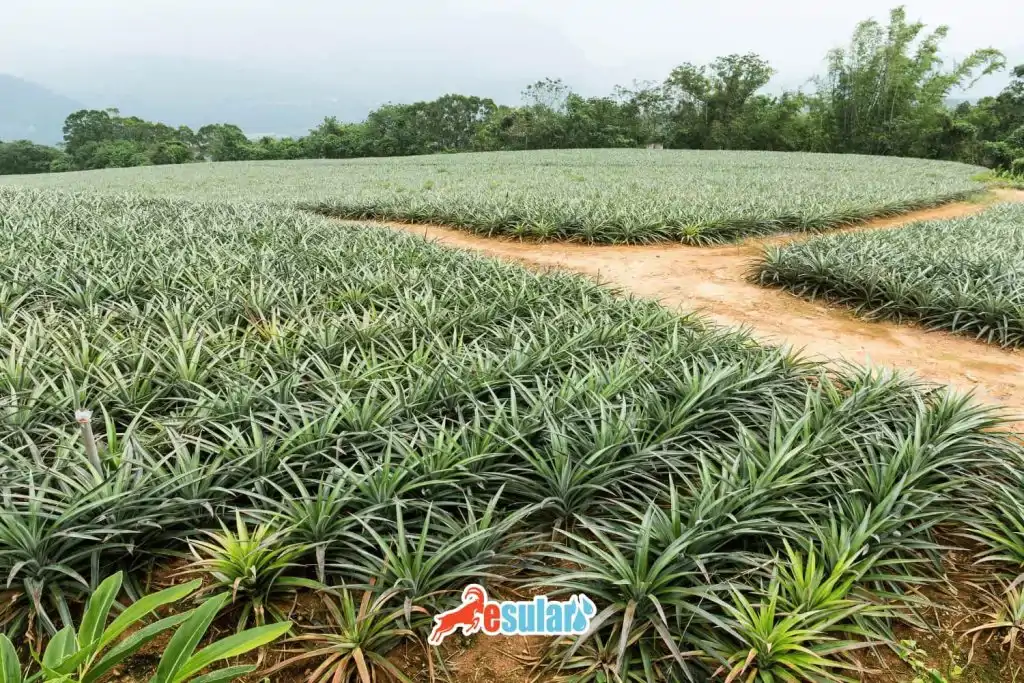
Pineapple naturally grows in the tropical regions of South America, especially in Brazil, Paraguay, and the northern regions of Argentina. However, its cultivation has become widespread outside these natural regions today. Especially, in some states of America, tropical regions of Africa, Southeast Asian countries, and places like Australia, pineapple cultivation is practiced. The most suitable regions for growing pineapple in Turkey are places where the Mediterranean climate prevails. Especially provinces like Antalya, Mersin, and Adana have ideal conditions for pineapple cultivation.  Key factors required for growing pineapple include high humidity, well-drained soils, sufficient rainfall, and mild temperatures. These conditions are very important for the healthy growth of the pineapple plant and for obtaining high yield.

ananas-nerede-yetisir

What Are the Pineapple Varieties?

Pineapple diversity in international trade is quite wide, but these varieties are generally divided into four main groups. These are; "Smooth Cayenne", "Red Spanish", "Queen" and "Abacaxi".

  • Smooth Cayenne: This variety is the most common pineapple type in the world. It is known as "Cayenne" in Spanish and was selected by Indians in Venezuela and introduced to the market in 1820. Production is carried out for both canned and fresh fruit.

  • Red Spanish: Also known as "Red Spanish", this variety is especially popular in Puerto Rico. It has fruits with an orange-red exterior and weights ranging between 1.36-2.7 kg. It is not suitable for marketing as canned food.

  • Queen: Known for its high sugar content, Queen pineapples are widely used as fresh fruit. It is known by different names in regions such as Malaysia and Sarawak.

  • Abacaxi: Abacaxi pineapples are known for being sweet and resistant. Their weights range between 1 and 5 kg.

Pineapple is an agricultural product with high economic value and an important place in international trade. For this reason, the cultivation and trade of different varieties of pineapple is an important source of income for many countries.

Climate And Soil Structure In Pineapple Cultivation

This fruit grows best in tropical and subtropical climates. Temperature is important for pineapple growth and fruit yield. Optimal temperature is generally between 20°C and 30°C. Frost events can damage the pineapple plant. Therefore, it is grown in regions without frost events. Also, high humidity is important for the pineapple plant, so humid and rainy climates are suitable for pineapple cultivation. Pineapple grows best in well-drained, slightly acidic, and loamy soils. The soil's ability to drain water well prevents the roots of the pineapple from rotting. Soil pH value between 5.5 and 6.5 is ideal. Soil preparation is important for pineapple cultivation. The soil should be cleared of stones and other residues and enriched with organic fertilizers. Additionally, regular spraying against bacterial and fungal diseases should be carried out to provide protection against harmful insects and diseases in the soil.

ananas-yetistirme

Planting In Pineapple Cultivation

For garden establishment, first soil preparation should be done, and the nutritional value of the soil should be increased with farm manure. Then, propagules, i.e., propagation materials to be used for planting, are prepared. For the most effective results, suckers and slips are preferred. Planting intervals and distances should be adjusted according to the climate and soil structure of the growing region. Generally, 4000-4400 plants/da are recommended in high rainfall regions, and 6300-6400 plants/da in low rainfall regions. During the planting process, a suitable propagule is selected for each hole, this propagule is placed in the hole and lightly covered with soil. After planting, the plant needs regular irrigation and proper care. Also, regular checks against pests and diseases are important. Pineapple can be planted at any time of the year, but the most suitable planting times are spring and autumn.

Irrigation In Pineapple Cultivation

Pineapple needs plenty of water during its active growth period, which is usually from the beginning of August until the start of the winter rains. During this period, regular and sufficient amounts of water should be provided for the pineapple plant. In the winter season, since the pineapple plant enters a dormant period, its water requirement decreases. Therefore, the plant's water requirement is met through rainfall. However, there may be situations where rainfall is insufficient or irrigation may be required during the harvest period. Lack of water in the pineapple plant can cause a decrease in yield and quality. Therefore, the plant's water requirement should be checked regularly and irrigation should be done when necessary. The most effective irrigation method in pineapple cultivation is the drip irrigation system. The drip irrigation system allows for water savings and efficient irrigation by ensuring that water reaches the plant's root zone and leaf funnel directly. 

ananas-nerenin-meyvesi

Smart Irrigation Systems In Pineapple Cultivation

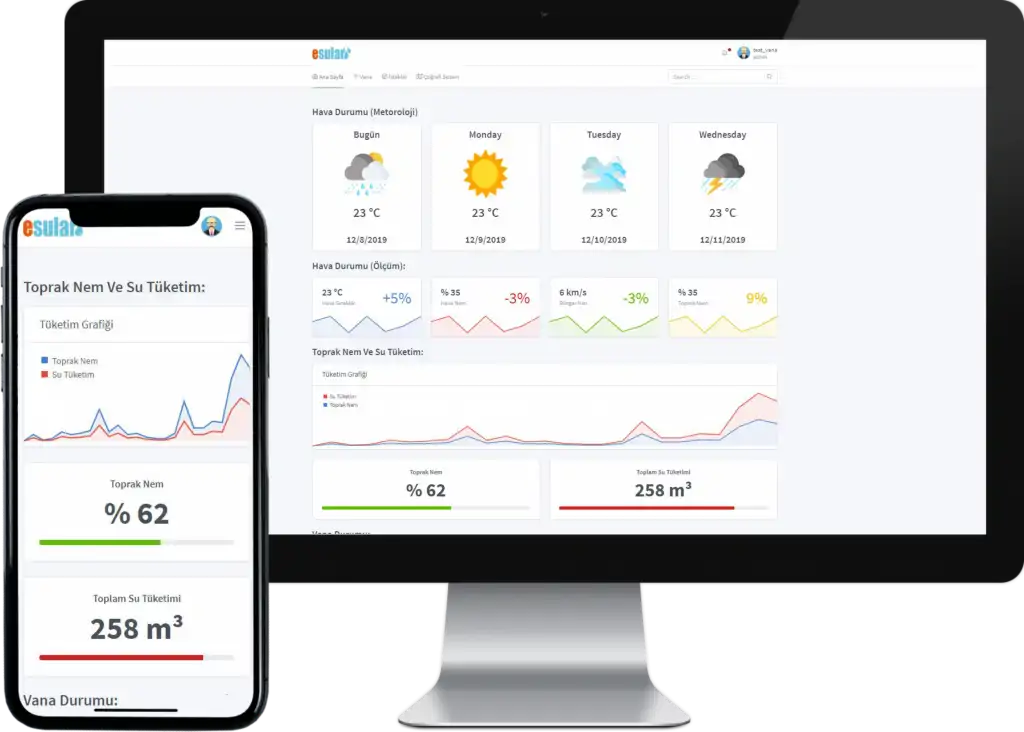
The importance of smart irrigation systems in pineapple cultivation is increasing day by day. These systems, thanks to sensitive sensors, accurately determine the plant's water needs and ensure that only the required amount of water is given. All irrigation processes can be easily monitored and managed from a single central point through the application. This situation both provides savings in labor costs and encourages the healthy and efficient growth of plants. Smart irrigation systems also contribute to the more efficient and economical use of water by rapidly detecting water leaks. As a result, smart irrigation systems in pineapple cultivation have become an indispensable part of modern agriculture, providing great advantages in terms of both environmental sustainability and agricultural productivity.

Bulut tabanlı sulama kontrol yazılımı

Fertilization In Pineapple Cultivation

The first fertilization is usually done with farm manure. In the use of chemical fertilizers, the first step is to have a soil analysis done. According to the soil analysis results, it is determined which nutrients are missing in the soil and appropriate chemical fertilizers are selected to rectify these deficiencies. In pineapple cultivation, the use of fertilizers with a high ratio of nitrogen and potassium is recommended. Nitrogen supports the leaf and stem development of the plant, while potassium increases fruit ripening and quality. The most suitable time for fertilization is generally between May and September. This period coincides with the times when the pineapple plant is in the process of active growth and fruit formation. Therefore, fertilization processes carried out in these months ensure the healthy growth of the plant and obtain high yield. However, the amount and frequency of fertilization may vary depending on factors such as soil condition, climate conditions, and the general health status of the plant. Therefore, it is important to regularly review and adjust the fertilization program when necessary.

Harvest In Pineapple Cultivation

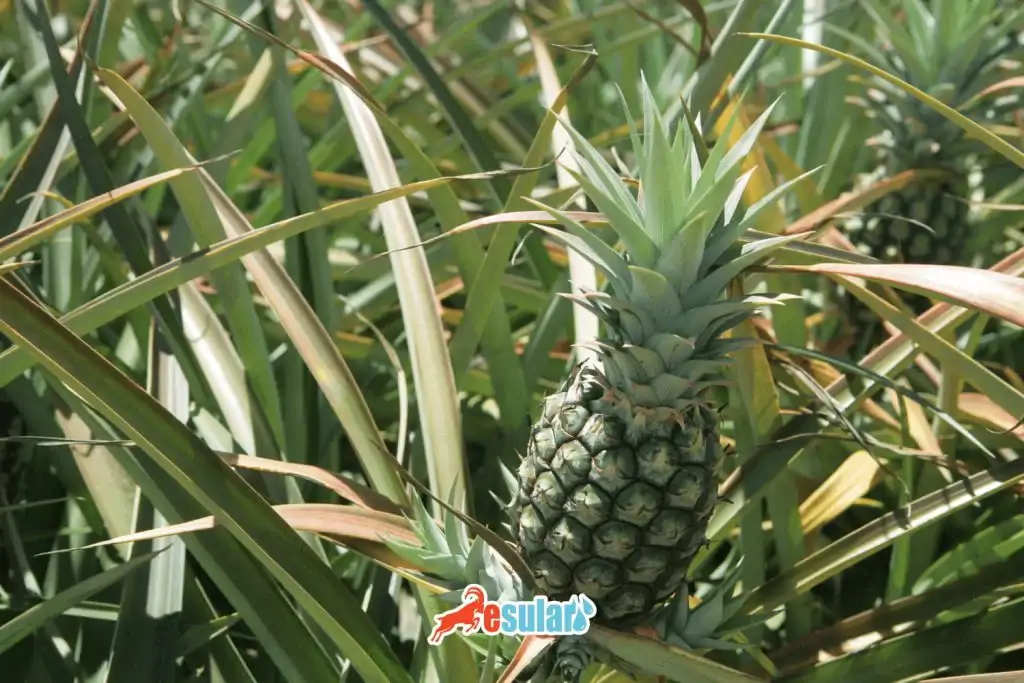
Pineapple is known as a non-climacteric fruit. That is, the ripening process does not continue after harvest, and the taste and sugar amount do not increase. For this reason, the correct determination of the harvest time is very important for the taste and quality of the fruit. During the ripening process, the external color of the fruit is considered a decisive indicator for harvest timing. Especially the beginning of yellowing of the bottom quarter of the fruit, that is, reaching the 'turning' stage, indicates that the ripening process of the pineapple is complete. This period is when the taste and aroma of the fruit are at the highest level. Therefore, harvest is done in this period. Correct determination of the harvest time provides consumers with high-quality and satisfying pineapples, while also providing producers with maximum yield and profitability.

ananas-tarimi

How Long Does it Take for Pineapple to Bear Fruit?

From the first period it is planted, pineapple can start to bear fruit within the same year and can usually go through at least three harvest periods in a year. Each pineapple plant can produce only one fruit from the upper part of the stem, namely the head. Due to this feature, plantings in pineapple cultivation are carried out intensively per decare. 

How Much Pineapple is Produced from 1 Decare?

Planting density usually varies between 3 thousand and 15 thousand. 1 pineapple is obtained from each plant. This wide planting range is determined depending on various factors such as the climate of the region where it is grown, soil quality, irrigation and fertilization habits. Therefore, it is important to carefully consider these variables when determining the ideal planting density in pineapple cultivation.

Yorumlar

Daha Fazla İçerik İster misiniz?

Akıllı tarım hakkında en güncel içerikleri takip edin.