Tüm Yazılar

How to Grow Prickly Pear?

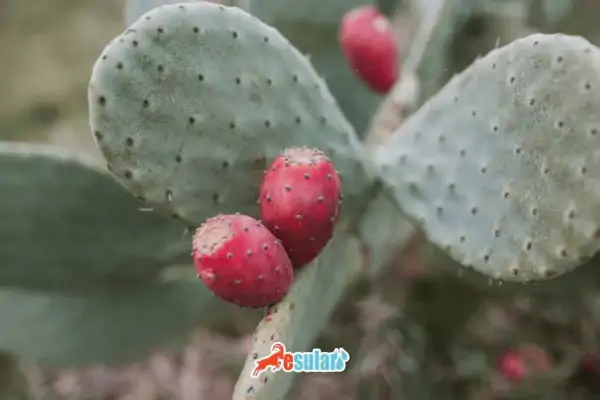
Prickly pear is a fruit that grows naturally in regions dominated by the Mediterranean climate, prickly on the outside and sweet and juicy on the inside. Its scientific name is “Opuntia,” and it belongs to the cactus family. Known for its prickly structure, this fruit is generally red, purple, or yellow in color. The inner part of the prickly pear, which is sweet and full of water, is both consumed fresh and used in the production of many different products such as jam, syrup, or confectionery. In terms of market requirement, prickly pear has increased its popularity in recent years and is in demand in many countries. In particular, its use in many dessert and beverage products with its sweet and unique aroma further increases the market value of this fruit. Besides Turkey, the cultivation and consumption of prickly pear are quite common in Mediterranean countries, America, and many other countries. This situation shows that prickly pear has an important place in both local and international markets.

What are the Benefits of Prickly Pear?

Prickly pear is a nutritious fruit that has many benefits for health. Here are some benefits of prickly pear:

  • With its high vitamin C content, it supports your immune system, increases body resistance against diseases, and accelerates the healing process.

  • Thanks to its high fiber content, prickly pear encourages the regular functioning of the intestines, prevents digestive problems such as constipation, and helps in fighting indigestion.

  • With its high potassium content, prickly pear supports cardiovascular health, balances cholesterol levels, and regulates blood pressure.

  • Thanks to its high fiber ratio, it helps in balancing blood sugar.

  • With its low-calorie structure and high fiber content, prickly pear is an indispensable part of diet lists. It supports you in eating less by providing a feeling of satiety. 

  • It helps in reducing stress and getting rid of depression.

However, as with any food item, it should not be forgotten that excessive consumption of prickly pear may cause allergic reactions. 

kaktus-meyvesi-nerede-yetisir

Where Does Prickly Pear Grow?

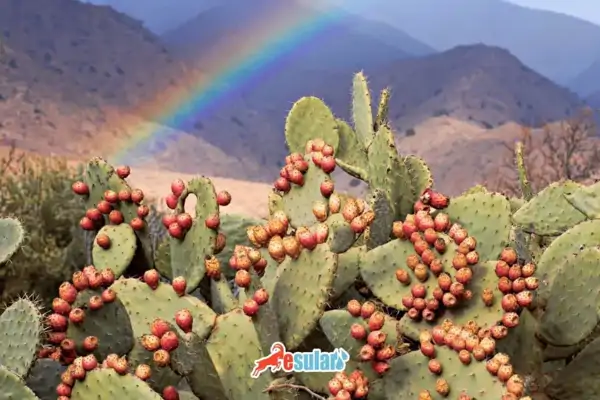
Prickly pear (Opuntia Ficus-Indica L.), which grows naturally in the Mediterranean and Aegean regions of our country, especially in the coastal strips, is a plant belonging to the Cactaceae family. While this plant is known by various local names such as Indian fig, cactus fruit, priest's fruit, Frankish fig, and babutsa depending on the regions where it grows, it is generally known abroad as “Barbary fig.” Originally native to the American continent, prickly pear is grown in many countries today, especially in Mediterranean countries. Brazil, Peru, Colombia, Jordan, Egypt, Tunisia, Algeria, Morocco, Israel, Turkey, the Turkish Republic of Northern Cyprus, Spain, and Greece are among the countries where prickly pear is widely grown. In our country, prickly pear appears naturally in a wide area from roadsides to agricultural lands and around residences, especially in the provinces of Hatay, Adana, Mersin, Antalya, and Muğla.

How Should the Climate and Soil Structure Be for Growing Prickly Pear?

The most suitable climate conditions for prickly pear cultivation is the Mediterranean climate, which shows subtropical characteristics. This climate covers mild winters, hot summers, an average annual rainfall of 100-600 mm, and dry periods lasting at least 2-5 months. Prickly pear can provide the best yield in such climate conditions. In terms of soil structure, prickly pear can be grown in a wide range; however, to get the best yield, well-drained, sandy-loam, and stony soils should be preferred. Especially idle lands are ideal for prickly pear cultivation because this plant can grow successfully even in harsh soil conditions and can bring economic value to these lands. Therefore, the most suitable climate and soil conditions are the subtropical Mediterranean climate and well-drained, sandy-loam soils.

dikenli-incir-nedir

How to Plant Prickly Pear?

The natural growth tendency of prickly pear is both sideways and upwards, but this expansion is an undesirable situation in dedicated orchards. Therefore, varieties with a tendency to grow vertically are preferred to ensure a more controlled growth. These varieties facilitate the harvest process and ensure a more orderly use of the garden area. When planning the planting, the planting lines should be created in a north-south direction. Rooted cuttings are planted by burying them vertically into the soil. After the planting process is completed, life water is given to the plants. Planting intervals may vary depending on the variety of prickly pear and the region where it is grown. These differences may vary depending on various factors such as climate conditions, soil structure, and cultivation methods.

Fertilization in Prickly Pear Cultivation

For fertilization to be successful, soil analysis must first be performed and it must be determined which nutrients the soil needs. Nitrogen is an essential nutrient for the plant's leaf and stem development, and high-dose nitrogen application in the winter months increases the number of flowering. However, excessive use of nitrogen can increase soil acidity. Therefore, it should be applied in a balanced way. Phosphorus is critical for root development, flowering, and fruit formation, and adding an appropriate amount of phosphorus fertilizer per decare can increase general growth and productivity. Potassium regulates the plant's water balance and increases fruit quality. In addition, the balanced use of micronutrient elements, organic fertilizers, and chemical fertilizers increases soil health, microorganism activity, and general productivity. 

dikenli-incir

Does Prickly Pear Need a Lot of Water?

This plant is a plant with high drought tolerance and does not want much water. Especially in regions with a Mediterranean climate, the irrigation need is limited. This plant may need a small amount of irrigation during flowering and fruit formation periods in very dry periods. However, under normal conditions, excessive irrigation can be harmful to prickly pear and lead to root rot. Therefore, the amount and frequency of irrigation should be adjusted according to the climate of the region, soil structure, and the growth period of the plant.

When Does Prickly Pear Bear Fruit?

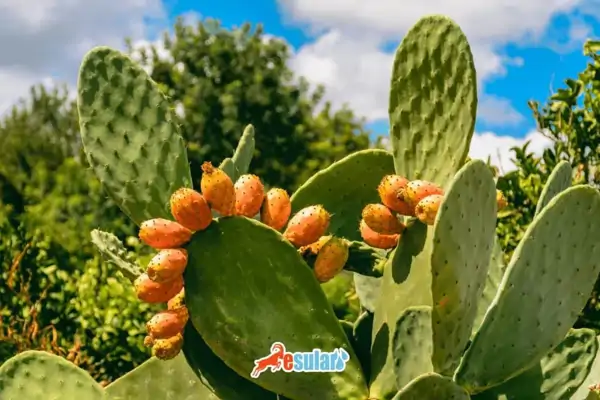
Cactus fruits generally ripen between June and November in the northern hemisphere. In Turkey, this process is seen in August and September in the Mediterranean and Aegean Regions of our country. During the ripening process, while the fruits develop their characteristic taste and aroma, their color and texture also change significantly. During the ripening period, prickly pear fruits become suitable for harvest and ready to be presented to the consumer.

How to Propagate Cactus?

The propagation of cactus can be carried out with various methods, but the most common method is generally the planting of stem cuttings or rooted branches. The method of propagation by stem cuttings is done by cutting a healthy and mature branch of the plant and planting it in the soil. This branch forms a new plant when it begins to root. 

kaktus-meyvesi-nasil-yenir

How to Eat Cactus Fruit?

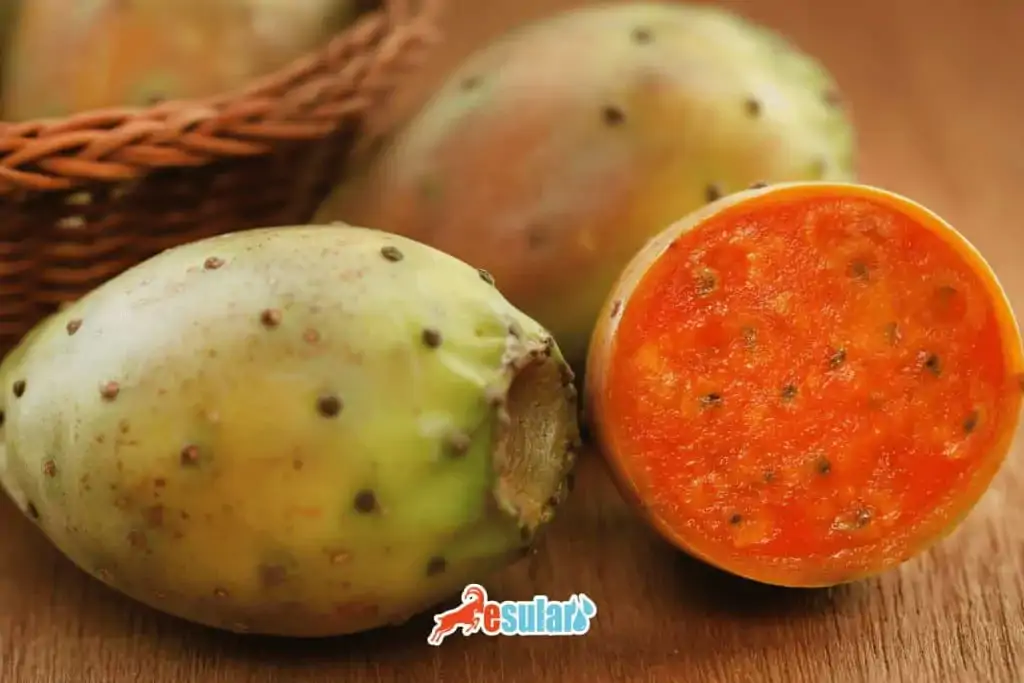
There are some important details to be considered regarding the eating and peeling of this magnificent fruit. Prickly fruits ripen on the edges of the cactus's flat pads and have a pear-shaped structure. Depending on the level of maturity, the sweetness degree of the fruit can vary from slightly sweet to syrupy sweet. Their colors can range from green to red and orange tones.

Another point to be considered is the prickly structure of the fruit. These thorns contain splinter-like structures that can stick to your skin and be quite painful. When picking prickly pears, you can use thick-layered gloves, an old towel, or several layers of napkins to protect your hands. While picking the fruit, you can pluck the fruit by gently twisting it using gloves or a towel. Unripe fruits will require a firmer grip and more twisting, while ripe fruits will pluck easily with very little effort. It is important that you do not touch the fruit with bare hands by putting the fruits you have collected in a bowl or basket. This careful approach prevents possible painful experiences while enjoying the taste of the prickly pear.

Yorumlar

Daha Fazla İçerik İster misiniz?

Akıllı tarım hakkında en güncel içerikleri takip edin.