How to Grow Rye?
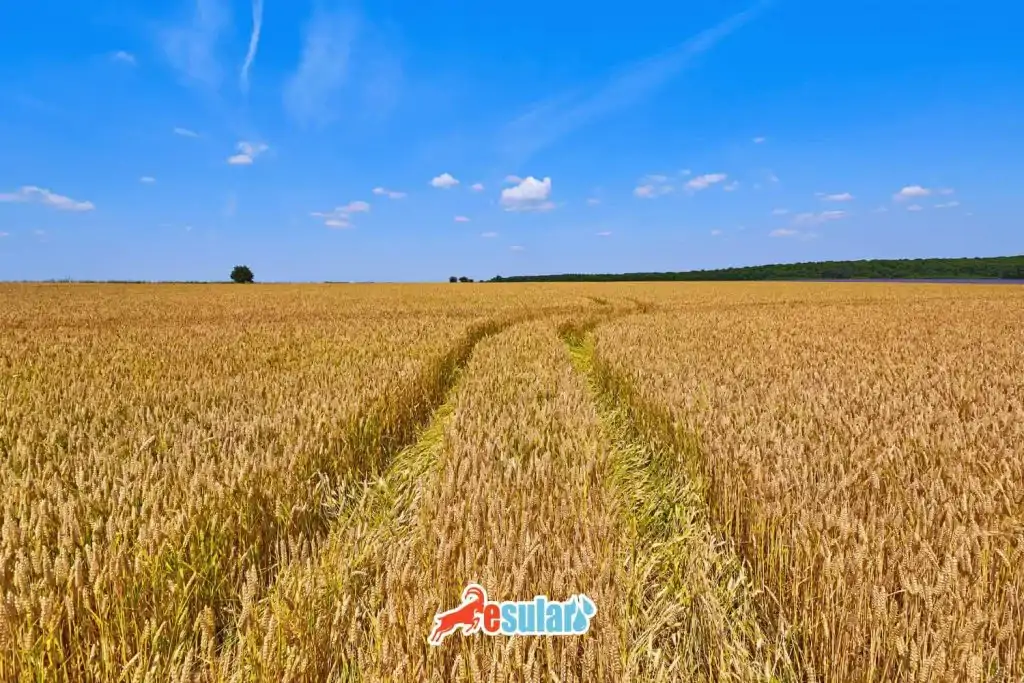
Rye cultivation is an opportunity not only for those interested in agriculture but also for those who want to connect with nature and the past. This grain, which has a history of thousands of years, is an important part of humanity's cultural and nutritional heritage. Rye is a grain born in the fertile soils of the Middle East and South Asia, having a deep-rooted place among humanity's nutritional sources. It has reached all corners of the world by spreading from its homeland. With its eye-catching yellow spikes and lightly scented fields, rye fields are enchanting in every respect.
This plant is known for its resilience and tolerance to cold. It can be successfully grown even in regions with harsh winters. It is generally planted to provide nutrients, and its grains are used in flour making or as animal feed. At the same time, it is preferred for agricultural purposes such as preventing soil erosion and increasing soil fertility. Growing rye requires meticulousness from field preparation to harvest time. Steps such as processing the soil deeply and cleaning salt deposits are of critical importance in obtaining a healthy product. Sowing time varies depending on climate and soil conditions, but it usually takes place in the autumn.
Where Does Rye Grow?
Rye is known as a grain that generally grows in cool climates and specific soil conditions. Especially northern countries and mountainous regions are the natural growing areas of rye. Countries like Russia, Poland, and Germany are among the important producers of rye. In Turkey, the coastal parts of the Black Sea Region, Eastern Anatolia, and high-altitude regions of Central Anatolia are suitable for rye cultivation. In these regions where the continental climate is effective, there are cold winters to which rye is resistant and sufficient amounts of precipitation. Additionally, the soils where rye grows can generally be of sandy, acidic, or alkaline character. Rye farming in these regions contributes to the local economy and forms an important part of traditional agricultural practices. Rye cultivation supports agricultural income and rural employment by increasing the diversity of agricultural activities in these regions. Therefore, growing rye contributes not only to the local economy but also to agricultural diversity and sustainable rural development.
Climate and Soil Structure in Rye Cultivation
Rye generally prefers cool climates and is resistant to cold. Therefore, it grows better in the temperate climate zone and high-altitude regions. Cool temperatures in the spring months and temperate temperatures in the summer months are suitable conditions for the development of the rye plant. Especially northern countries and mountainous regions have ideal climate conditions for rye cultivation. Soil structure is also an important factor in rye cultivation. Rye can grow in sandy, clayey, and loamy soils, but the most suitable soil type is loamy-sandy soils. Soils that can provide good drainage and ventilation support the development of rye roots.
How is Rye Sown?
Soil preparation in rye cultivation is an important step, as it is in wheat and barley cultivation. Especially in regions with high salinity, soil tillage should be done at a depth of 25-30 cm. During this process, salts accumulated on the soil surface are turned over. Because in saline soils, if the salts on top are not turned down through deep tillage, germination problems may occur in places with high salt density. To obtain a good yield, it is recommended to perform winter and summer sowings early. Rye can be sown for many consecutive years, but crop rotation is necessary for efficient cultivation. Especially in arid regions, the "rye-fallow" system is commonly used.
The best rotation method is rotation with potatoes and a green manure plant. Additionally, rye can be grown mixed with vetch or clover for green fodder or green manure purposes. If the soil is too sandy, soil fertility can be increased by planting a green manure plant. Fertilization is usually done in the autumn months, followed by rye sowing. Rye can also be successfully grown after legumes, but it is not recommended to be used as a preceding crop like wheat and barley.

How Much Rye is Sown per 1 Dönüm?
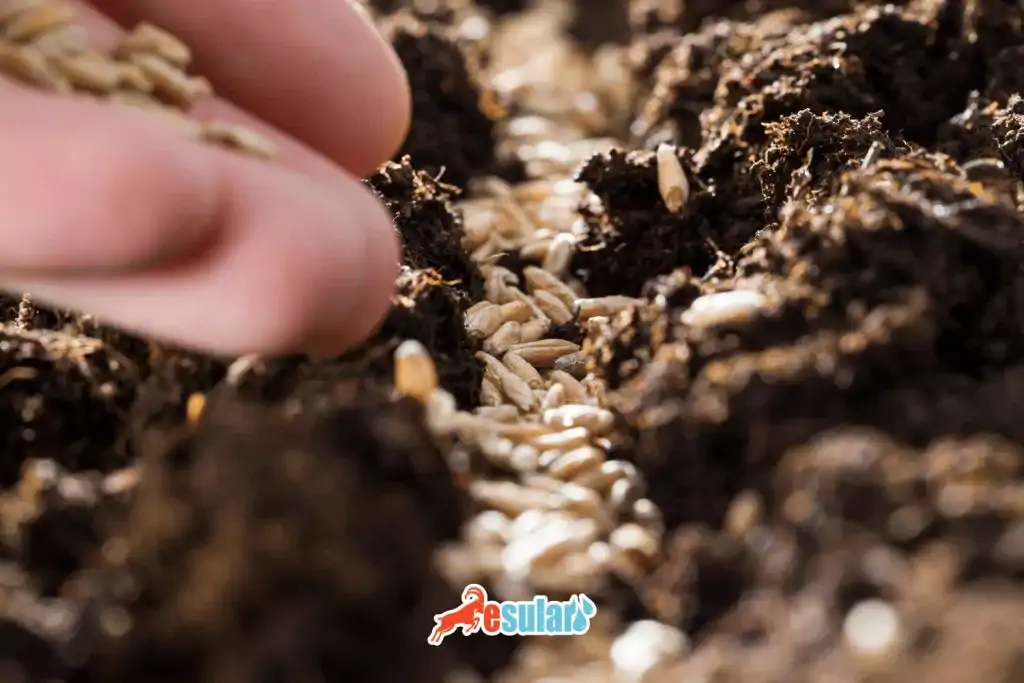
Rye sowing is generally done by broadcasting or row sowing methods. However, row sowing using sowing equipment is the preferred method. Due to the low grain weight of rye, the sowing depth should be 2-3 cm. It is recommended to use 22-24 kg of seed per decare.
Does Rye Need Water?
Rye is an extremely cold-resistant grain and can be grown even in regions with very harsh winters. It is generally sown in the autumn and harvested in the early summer of the following year. Although its moisture requirement is low, since its root system development is strong, it can easily take sufficient water from the soil. This feature allows rye to be grown even in arid and low-precipitation regions. Therefore, rye needs irrigation, but its irrigation requirement is less compared to some other grains.
Fertilization in Rye Cultivation
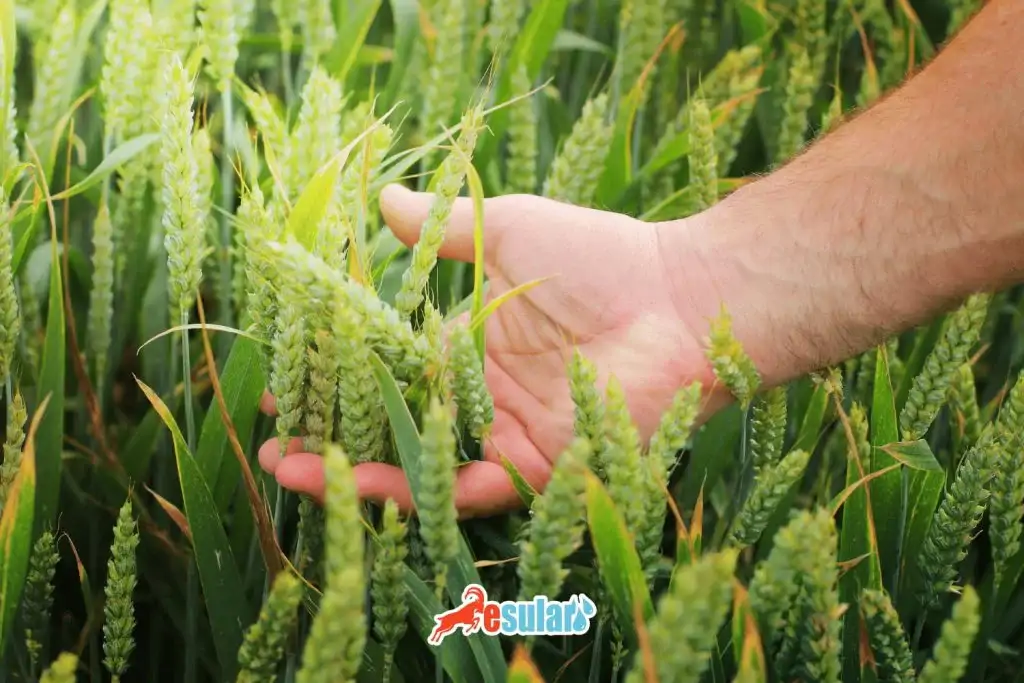
The fertilizer requirement of rye is generally not high. This is because it makes the best use of residual nutrients in the soil. Especially during the jointing period, the uptake of primary nutrients by rye accelerates. Among cool-climate grains, the nitrogen requirement of rye is less than others. Therefore, excessive nitrogenous fertilizers should be avoided in the spring. Because too much nitrogen can lead to lodging in rye. Phosphorous fertilizers provide a significant yield increase in rye, and additional fertilization may not be necessary in fields where the preceding crop was fertilized. Generally, 4 kg of nitrogen and 4-6 kg of phosphorus can be given per decare. All of the phosphorus and 1/3 of the nitrogen are given with sowing, while the rest of the nitrogen is applied during the jointing period. This fertilization practice supports the healthy growth of rye and obtaining high yields.
Rye Harvest
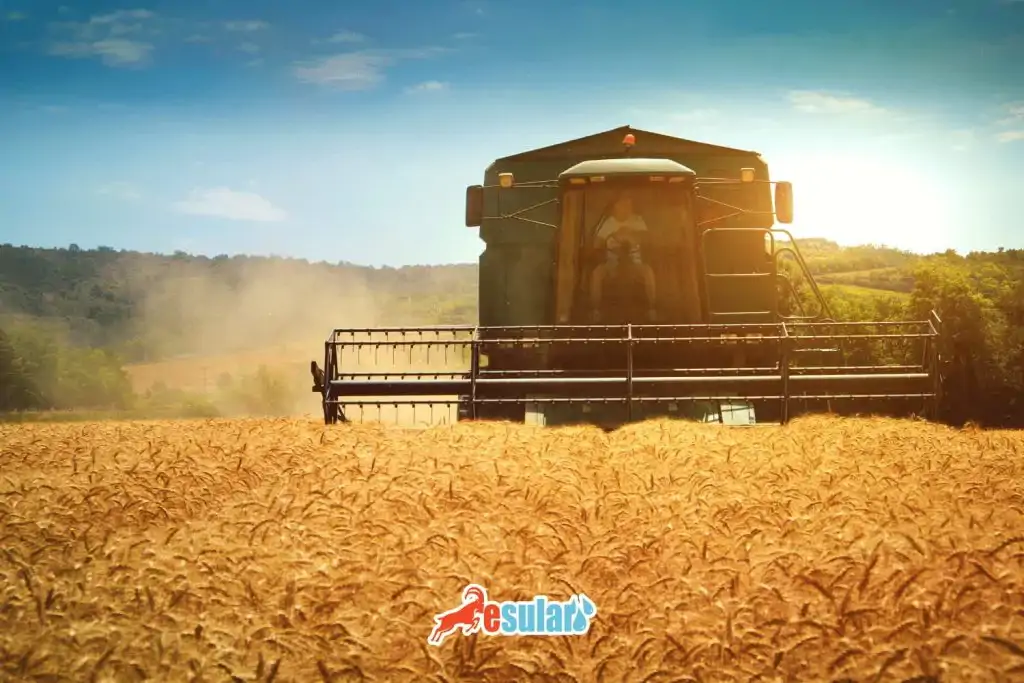
The harvest of rye is an important process because the glumes are narrow and the floral glumes hold the grain loosely. Because grain shattering is an important problem that can negatively affect yield. If the harvest is done with a sickle, it is generally carried out at the end of the physiological maturity period before full maturity is expected. In this period, the leaves have just started to turn yellow, but the upper nodes should still be greenish. In this case, the cut stalks are collected in bundles and left to dry for a few days before threshing. However, slight grain shattering may occur during the transfer and transport of the stalks. The most suitable harvest time is to do it with a combine harvester at a time when the field has reached maturity, preferably in the early hours of the day. This helps to minimize grain shattering and maximize yield. The harvesting process is a critical step that determines the quality and yield of rye and must be carried out at the right time and under suitable conditions. In this way, rye producers can obtain the best results.
Diseases and Pests Seen in Rye Cultivation
Ergot disease is the most important disease caused by the fungus Claviceps purpurea. This disease causes infection in the spikes and seeds of the rye plant and can lead to serious yield losses. Various measures can be taken to combat the disease. One of these is crop rotation. Rotation is an agricultural practice that involves planting different plant species or different varieties of the same plant species sequentially in the same field. This can reduce the spread and population of the disease.
Additionally, it is important to uproot and destroy diseased plants before they form spikes. This helps prevent the spread of disease-infected plants to the environment and their transmission to other plants. Collecting and destroying spikes is an effective method for controlling the spread of the disease. These measures can help control ergot disease and grow rye products healthily.
Yorumlar