How to Grow Tomatoes?
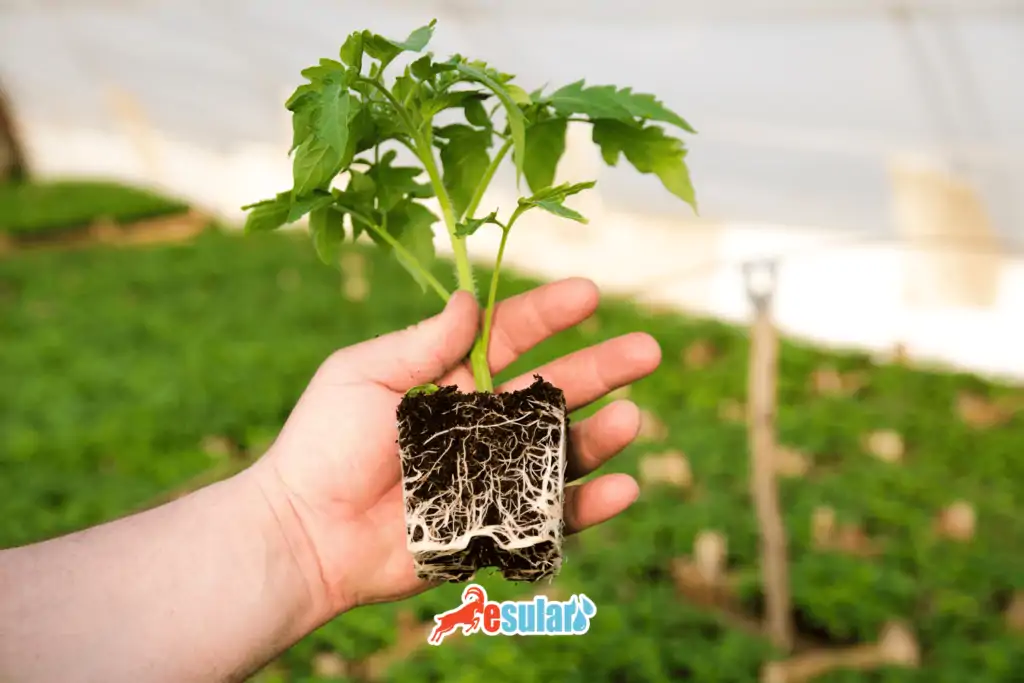
If you want to grow tomatoes, as a first step, you should prepare the soil suitable for tomato planting by fertilizing it in the spring months. When choosing seedlings, old or overgrown seedlings should be avoided, and thin, long seedlings with flowers or small tomatoes should be preferred. If you do not want to buy seedlings, you can grow tomato seedlings on a sunny windowsill. Regular irrigation and pruning of lower leaves are important while the seedling is growing in the pot. Before planting the seedling in the soil, fertilize and arrange the soil, open a hole, and gently place and secure the seedlings. Continue regular irrigation after planting. After planting the seedlings in the soil, pull off and discard the absorbent parts to ensure the nutrients in the soil pass to the tomato. While paying attention to irrigation, you should reduce irrigation during the harvest period. Additionally, you should choose the plants to be planted next to it correctly and perform the fertilization process with appropriate fertilizers. With these simple guidelines, you can grow your own tomatoes and obtain healthy products.
Tomato
The tomato (Solanum lycopersicum) is known as a fruit that is frequently consumed in daily life and used in many recipes, but it is generally classified as a vegetable because of its use in kitchens as a vegetable. Native to South America, the tomato has become a widespread agricultural product worldwide. Its relatively easy growth and versatile use have made it a popular garden plant and commercial product.
Although tomatoes are generally known for being red in color, there are varieties in yellow, orange, green, purple, and even black colors. Despite being called a fruit, the tomato, which is botanically a fruit, is generally used as a vegetable in kitchens. It is an indispensable component of salads, sauces, dishes, and sandwiches.
How is Tomato Cultivation Done?
Tomato cultivation is a fairly easy process when appropriate conditions are provided. First, soil selection is important. Although the tomato is not very selective about soil, it prefers a nutrient-rich, well-drained soil. By selecting quality tomato seedlings from a reliable nursery, the seedlings are planted in open ground or pots in an appropriate size and healthy manner.
The tomato plant should be supported as it grows. Providing support to the plants using cages or stakes prevents the fruit-bearing branches from breaking. Plant health should be checked regularly by keeping pests and diseases under control. When harvest time comes, ripened tomatoes should be collected regularly. By following these steps, you can obtain delicious and healthy tomatoes with a careful tomato growing process.
Where Do Tomatoes Grow?
The tomato is a plant native to the Andes Mountains region of South America and has become a widespread agricultural product worldwide over time. As one of the most consumed and cultivated fruit-vegetables of its kind, the tomato generally prefers warm climates. Being a sun-loving plant, the tomato grows healthily in well-drained soils and with adequate irrigation. For this reason, it is successfully grown in regions with a Mediterranean climate, especially in Southern Europe, the Middle East, and some states of America. The tomato stands out as a widespread commercial product and garden plant worldwide with many different varieties.
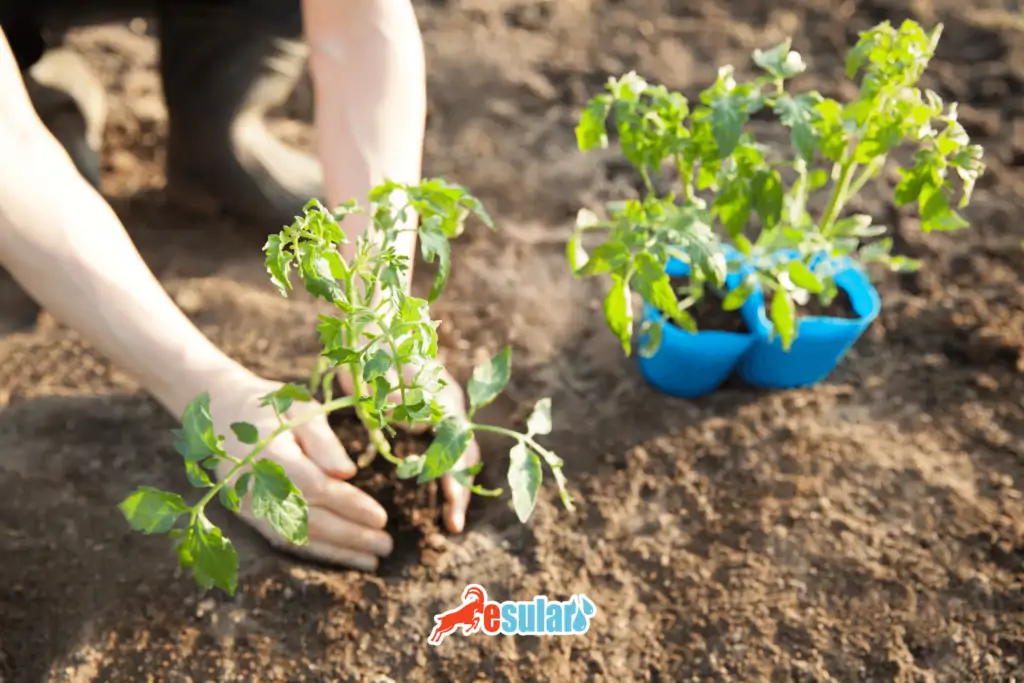
Protected Tomato Cultivation
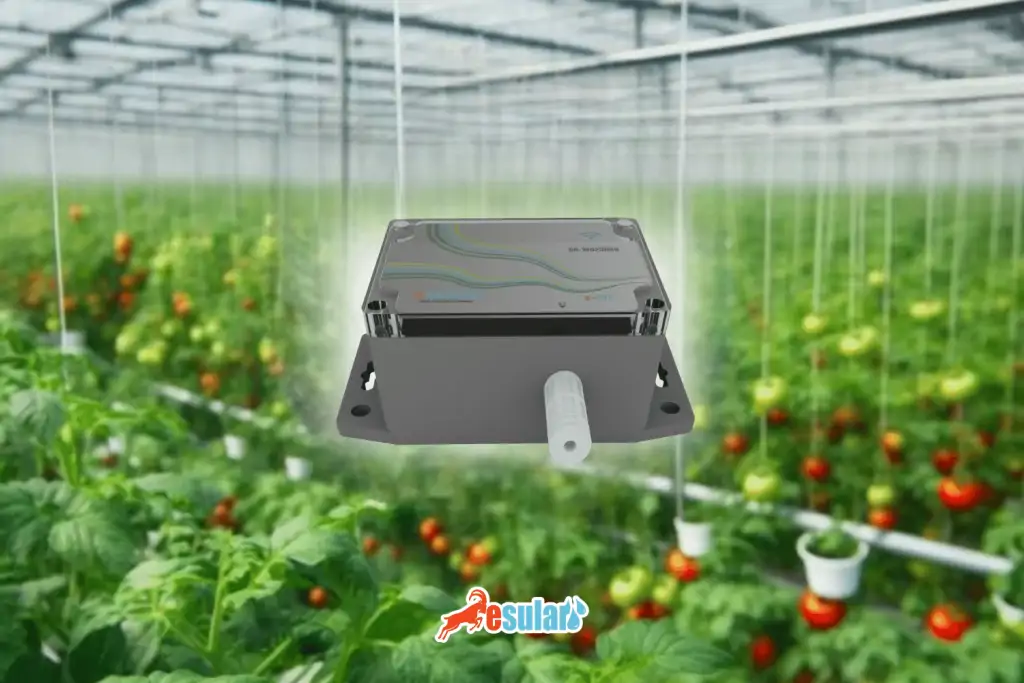
Protected tomato cultivation refers to growing tomato plants in a special environment under greenhouses or plastic covers. This method aims to achieve an earlier and longer harvest period by providing more control over outdoor weather conditions. Protected cultivation is generally applied in greenhouses or high tunnels and offers a more controlled growing environment for the plant.
Advantages of this method include better control of environmental factors, higher yield, and protection from diseases and harmful organisms. Especially tomato cultivation under greenhouses or plastic covers allows for earlier and longer-term harvest opportunities out of season. This method, which is widely preferred throughout Turkey, also contributes to the rapid increase of soilless culture cultivation, especially in regions with thermal waters.
Open Field Tomato Cultivation
Open field tomato cultivation is a method performed under natural conditions, usually on farms or in gardens, without using greenhouses or plastic covers. This method allows plants to grow under natural factors such as sunlight, humidity, and temperature. However, external factors, especially diseases, pests, and climate conditions, can negatively affect the yield of the plants. Therefore, taking measures to protect against diseases and pests and performing fertilizer applications at the right time and in the right doses can increase yield and quality in open field tomato cultivation. This method is a more economical and widely applicable method.
Soilless Farming Tomato Cultivation
Soilless farming is a modern method for tomato cultivation. In this method, special growing media are used instead of soil. Advantages of soilless farming include more effective use of water and nutrients, easier control of diseases and pests, and the possibility of production out of season. Soilless farming offers a suitable solution, especially for limited land or urban farming. Soilless farming in tomato cultivation plays an important role in terms of a more efficient production process and obtaining quality products. With this method, tomatoes are grown in controlled environments containing special nutrient solutions, thus ensuring optimal growth conditions and increasing product quality.
What are the Tomato Growing Conditions?
Since the tomato plant is a sun-loving plant, it should receive at least 6-8 hours of sunlight. The ideal temperature range is generally 18-24 °C. Regular irrigation is also a critical factor in tomato cultivation; the soil should be kept constantly moist and an appropriate irrigation system should be used. Fertilization should be done at different growth stages according to the needs of the plant.
In Which Soil Do Tomatoes Grow?
The tomato plant is generally a plant with low soil selectivity and can grow successfully in many different soil types. The tomato has a characteristic of being able to adapt to various soil types, from sandy soils to clayey soils. This flexible structure allows the tomato to show a wide distribution worldwide and in our country.
However, the tomato plant achieves the best results in deep, well-drained soils that do not have groundwater problems, are well-ventilated, have high water-holding capacity, and are rich in organic matter. Additionally, the tomato is resistant to salinity and achieves its best development in soils with pH values between 6-7.
Soil quality in tomato cultivation is a critical factor in terms of yield and healthy plant development. Therefore, when appropriate soil selection and necessary care measures are taken, it is possible to achieve more successful results in tomato production.
When Should Tomatoes Be Harvested?
The harvest time of tomato fruits may vary depending on the region where they are produced and the growing conditions. Generally, fruits become ready to be harvested 7 to 12 weeks after the tomato plant is planted. The ideal time for harvest is the period when 60-70% of the fruits of the tomato plant have ripened. Ripe tomatoes are typically non-sliced, red in color, fleshy, and contain few seeds.
Harvested tomatoes can be stored at temperatures of 10 degrees or higher. However, the storage time of the tomato and the distance it will be transported can affect the harvest time. For example, tomatoes that will be transported over long distances or stored for a long time can be harvested before they are fully ripe. Watering the field after harvest can create a suitable ground for healthy development.
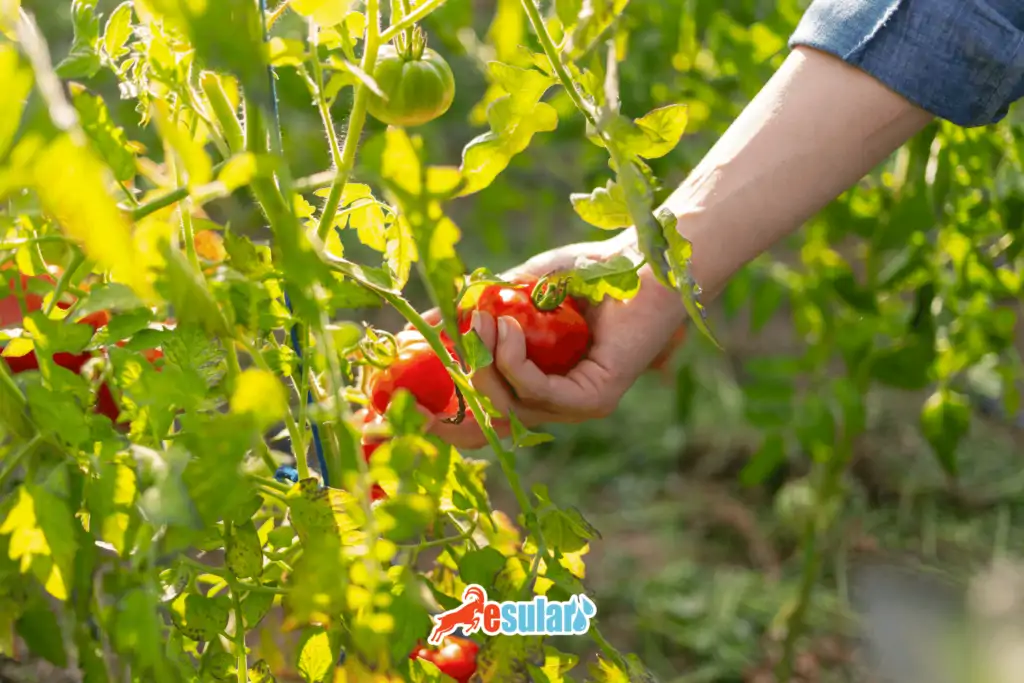
Tomato Irrigation and Fertilization
Before creating a fertilization program for tomato cultivation, soil analysis should be performed and the main fertilization program should be determined according to the results obtained. However, depending on factors such as climate conditions and the growth status of the plant, additional applications to the main fertilization can also be made. The elements that the tomato plant and its fruit need most generally include N (nitrogen), P (phosphorus), K (potassium), Ca (calcium), and Mg (magnesium). While these elements are proportionally found in plants as 39% K2O, 25% N, 25% CaO, 4% P2O5, and 7% MgO, these ratios may change in the fruit as 57% K2O, 29% N, 6% CaO, 5% P2O5, and 3% MgO.
The tomato plant meets approximately 20% of its nutrient needs during the seedling period, 45% during the ripening period, and 35% during the flowering period. Fertilization may be preferred in cases where the soil structure is insufficient in terms of nutrients. Although base fertilizer is generally not preferred in tomato cultivation, the use of drip fertilizer is common. The fertilization method and the fertilizer to be used are determined based on soil analysis results and the development of the plant.

Combating Pests in Tomato Cultivation
The tomato plant, like other plants, may have to struggle with various types of pests. Common problems among these pests include tomato moth, downy mildew, rust mite, and mosaic virus. These pests can seriously affect the plant and even cause its death. Therefore, in addition to natural methods, agricultural and chemical pesticides can also be used in combating pests. Which method will be preferred may vary depending on factors such as soil structure, climate conditions, and plant development.