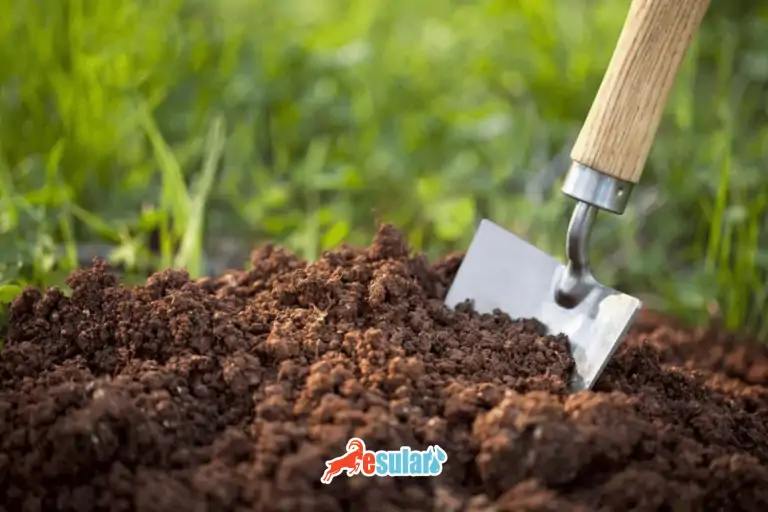
After non-plant waste (stones, construction waste, etc.) in your garden is cleaned, the soil must be tilled for aeration, uncovering plant organs belonging to weeds (roots, stems, and leaves), ensuring good root development of the grass seed, and retaining water in the soil. Depending on the size of the garden, it is done with tools such as a spade, rotary tiller, etc., at a depth of 20-30 cm. Organic matter (manure or compost) is added to weak sandy soils at a thickness of 5 cm and mixed into the top 15-20 cm layer. Thus, the water-holding capacity of the soil is increased. If the soil has a clay structure, a mixture containing 70% sand and 30% organic matter is added at a thickness of 5 cm and mixed into the top 15-20 cm layer. Thus, excessive hardening of the soil is prevented.
2. Rough and Fine Leveling
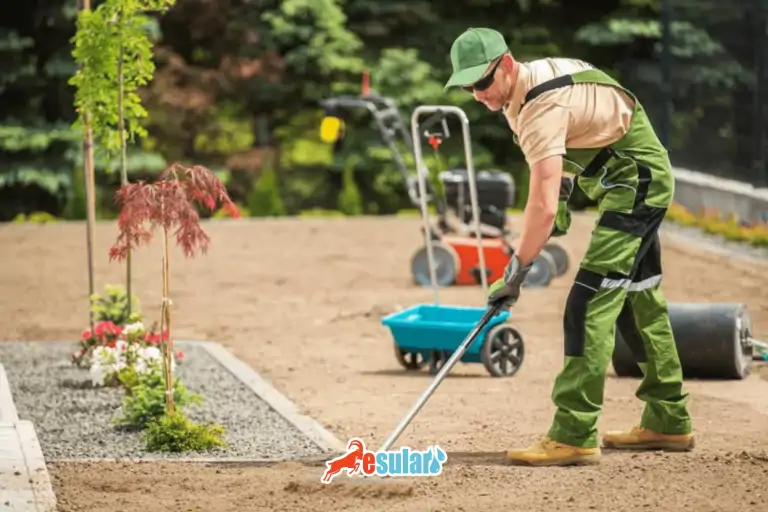
In order to obtain a flat and healthy surface in your garden, excavation and filling works should be carried out with the help of a rake and shovel. In the rough leveling stage, mounds are shaved and filled into hollow areas. Then, fine leveling is done to sufficiently flatten the soil and provide the appropriate slope; a 1% slope is given to ensure drainage.
3. Rolling
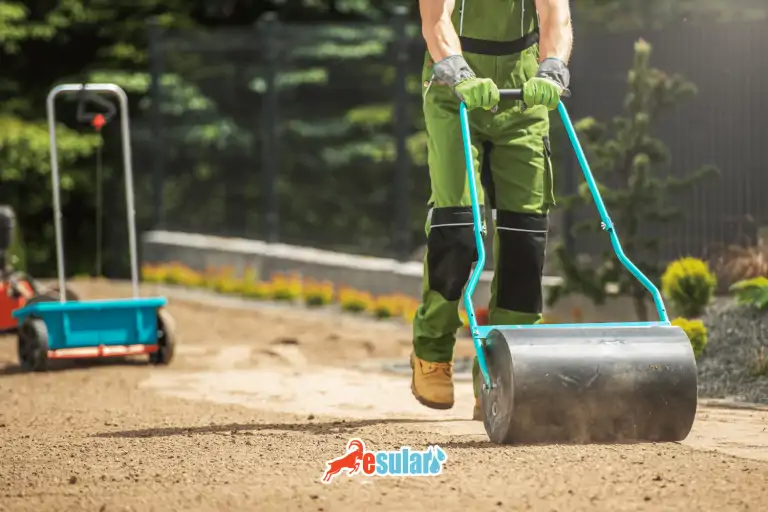
In order to smooth the seedbed, a roller with a width of 1 m and a weight of 60 kg is rolled. To mix the seed to be sown into the soil, the soil surface can be scratched with a rake at a depth of 2-3 mm after rolling.
4. Seed Sowing
The most suitable times of the year for sowing grass seed mixtures are spring and late summer months. It is very important that the soil is moist during sowing. During sowing, it should be preferred that the weather is windless and clear. If sowing is to be done in July and August, care should be taken to keep the soil constantly wet.
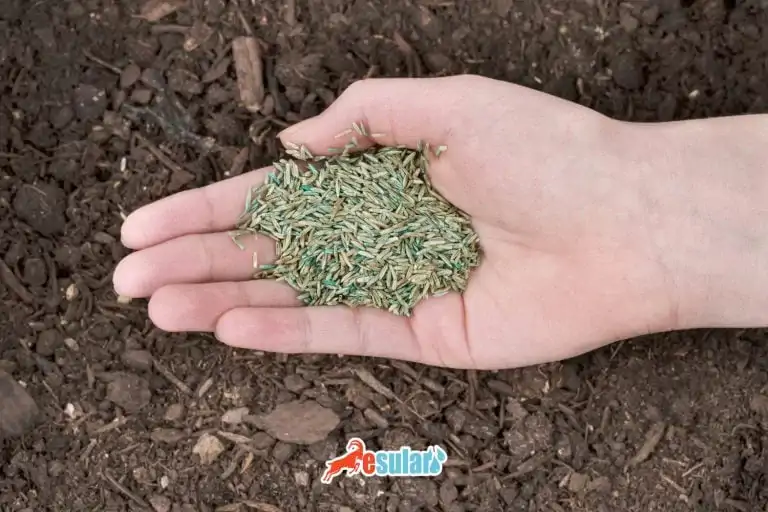
The amount of seed to be used in sowing should be an average of 50g per square meter by hand and 40g by machine. Using a small amount of seed causes the grass texture to form later, while using too much seed causes a weak and unhealthy grass texture to form.
5. Covering
After the seed is sown, 5-10 mm of covering material is covered over it and rolling is performed. Peat or organic soil can be used as covering material. Farmyard manure should be used as covering material. Weed seeds and pests coming with unburned and unscreened manure can spoil the aesthetic structure of the area.
6. Irrigation
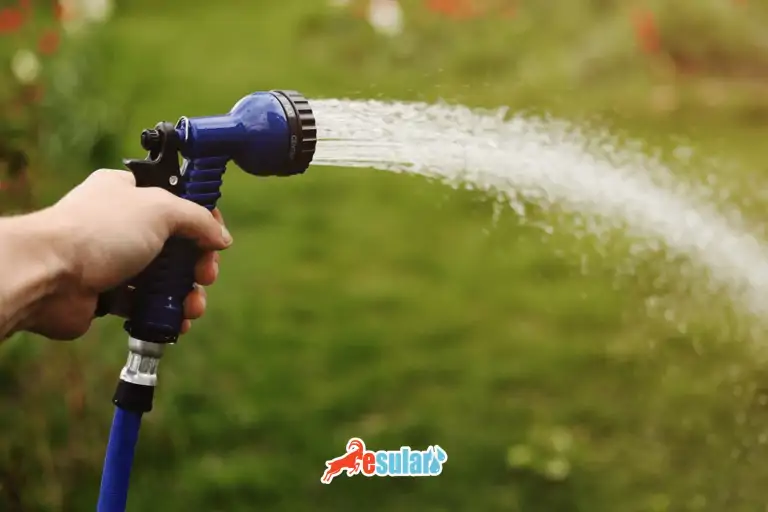
Irrigation is also very important in areas where grass seed sowing is performed. In order for the seeds to germinate and receive sufficient nutrients from the soil, water should be provided for an average of one month so that your garden is constantly moist. If the irrigation process is interrupted for a long time, you may encounter problems ranging from drying in the grass texture. Also, irrigation should not be done during hours when there is no daylight.
7. Mowing
Grasses reaching a height of approximately 10 cm should be mowed with a machine with sharp blades. The first mowing should be at an average height of 5 cm. Subsequent mowings should not exceed 3 cm in height. Two days before the first mowing, rolling should be performed to flatten the grass surface and increase tillering.