How Do Sinkhole Formation and Drought Affect the Sustainable Future of Agriculture?
Sinkhole Formation and Drought have a serious and significant impact on the Sustainable Future of Agriculture.As the world population increases rapidly, the agricultural sector is under great pressure to produce more food and support this growth. While the agricultural sector accounts for approximately 70% of world water consumption, the amount of water allocated for agriculture increases every year. Water consumption threatens the sustainability of water resources and accelerates sinkhole formation.
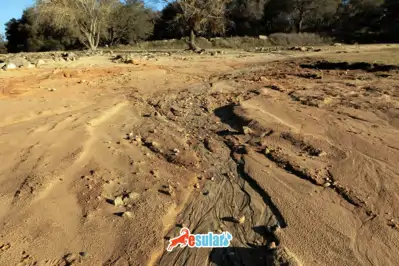
Drought refers to a situation where water resources decrease and these resources become insufficient for agriculture. Drought can reduce the yield of agricultural products and lead to food security issues. Every year, millions of hectares of agricultural land worldwide are damaged due to drought.
Sinkhole Formation and Water Consumption
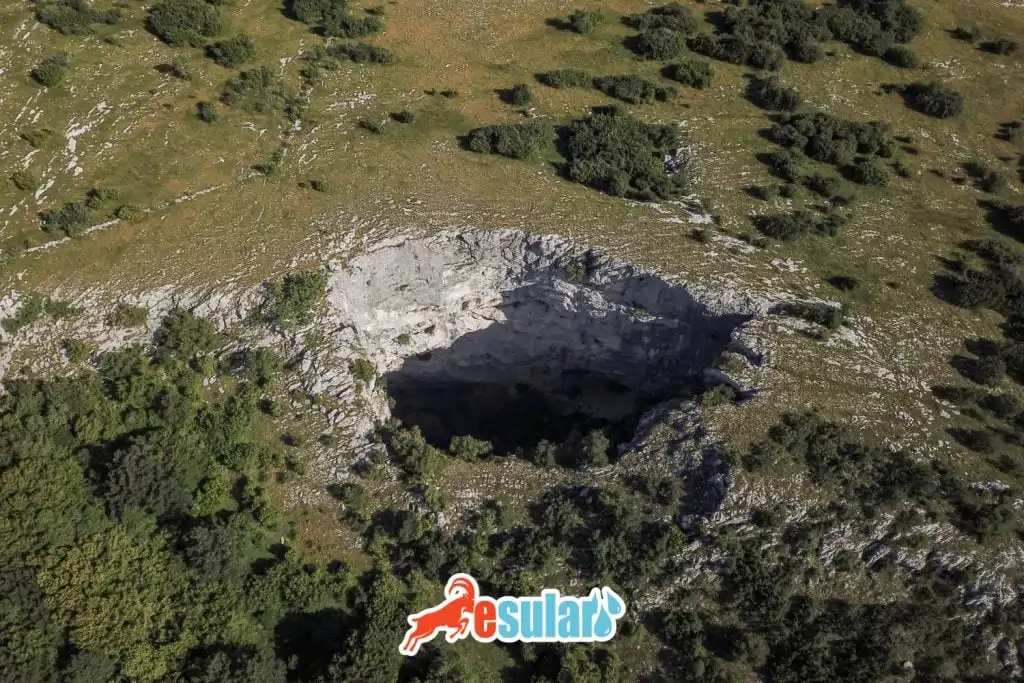
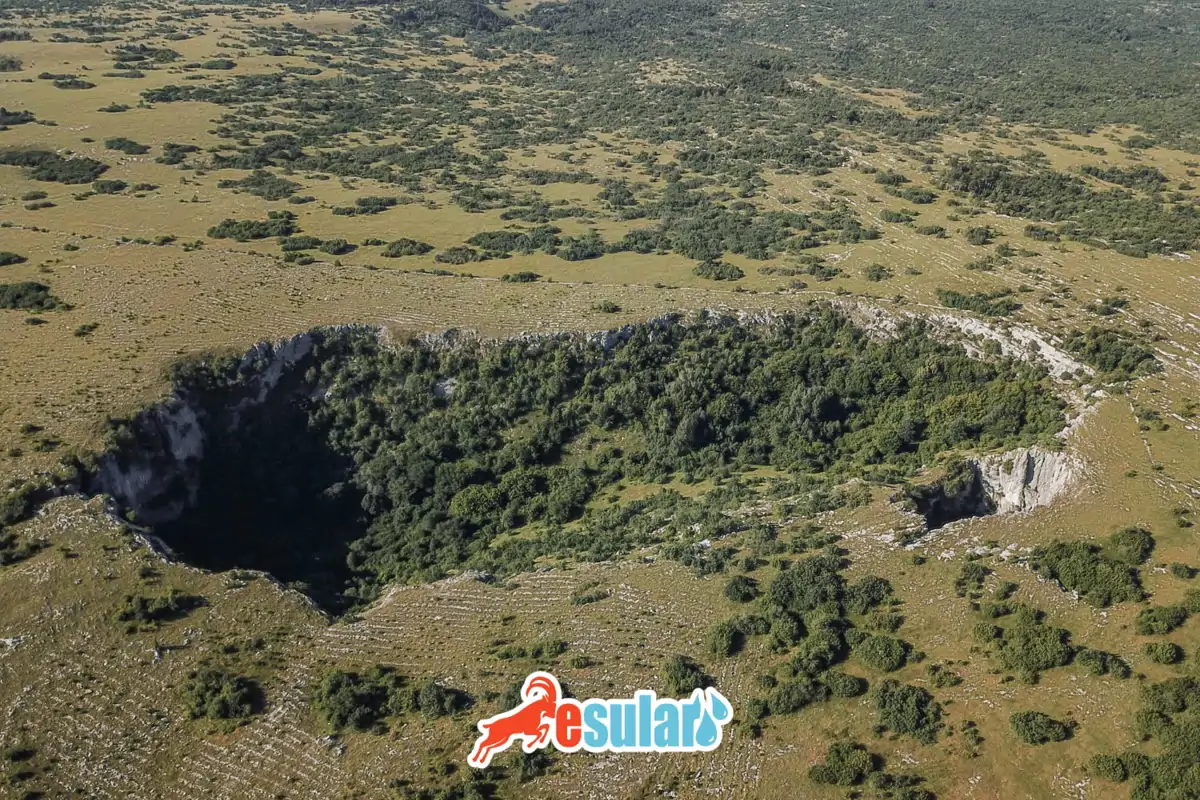
Sinkhole formation is defined as subsidence areas formed due to increasing water consumption and overexploitation of groundwater. Falling water levels can cause soil subsidence, which can trigger sinkhole formation. Excessive irrigation in water consumption leads to the drop of groundwater levels and the formation of sinkholes. In the USA, sinkhole formation is gradually increasing in states such as Texas, Kansas, and Oklahoma.
In Turkey, there are over 1500 sinkholes, with sinkholes commonly seen especially in the Anatolia Region. Particularly in provinces such as Konya, Aksaray, and Nevşehir, the number of these sinkholes exceeds 500. As Turkey's need for groundwater resources increases with the growth of the agricultural and industrial sectors, sinkhole formations have gradually become a significant environmental problem.
Sinkholes cause the loss of agricultural areas as well as environmental destruction and damage to residential areas. Therefore, various measures must be taken in Turkey for the sustainable management of water resources and to bring sinkhole formations under control.
We observe that water consumption and drought are the primary factors in sinkhole formation. In the Konya Closed Basin, the use of 80 percent of ground and surface water in agriculture shows that water resources are under serious pressure. The use of 2 billion 450 million cubic meters of water per year in the basin shows that there is an average annual water deficit of 500 million cubic meters. This situation causes a serious decrease in groundwater. The reason for the decrease in groundwater, which is the main water source of the basin, is not only agricultural irrigation but also the effect of global climate change and drought. The basin receives half as much precipitation as the national average.
Sustainable Agriculture Practices
With sustainable agricultural practices, some important steps can be taken in the agricultural sector to reduce water consumption and prevent drought. Adopting irrigation methods that encourage more efficient use of water such as drip irrigation and rainwater harvesting, expanding organic farming practices to protect soil health, using water-saving plant varieties to cope with climate change, creating water management plans, and encouraging the sustainable use of water resources are very important to minimize sinkhole formation.
When we understand the links between water consumption, drought, and sinkhole formation, it is important to make more effort to increase the sustainability of the agricultural sector. Adopting various agricultural practices to protect water resources and use water resources more effectively can be a positive solution in terms of how it affects the sustainable future of agriculture.
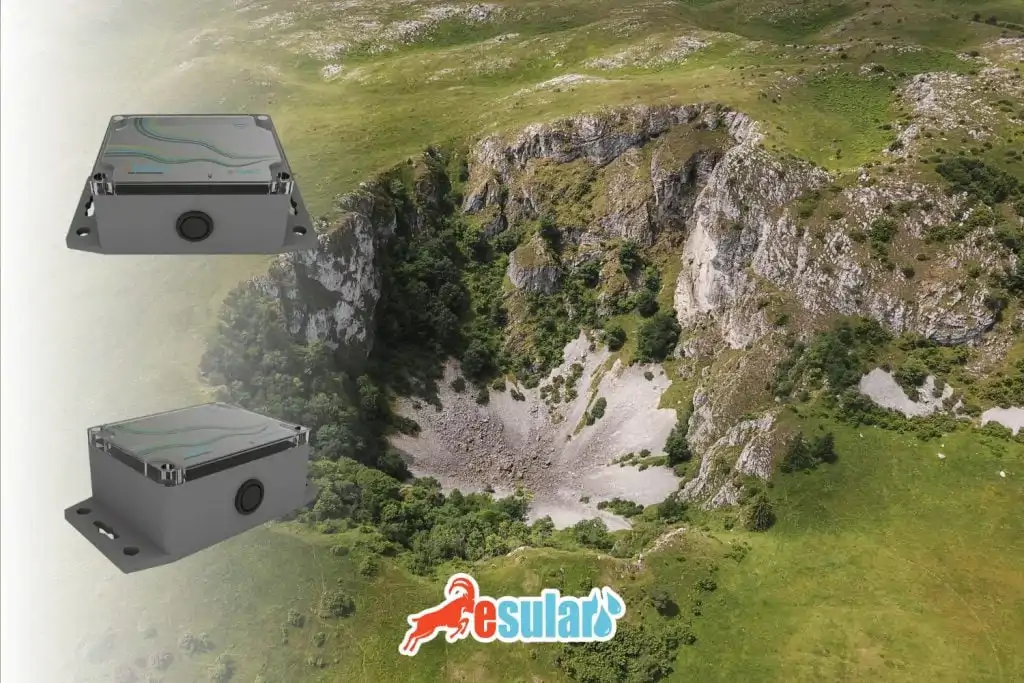
Ensuring water management for both farmers and society will help them build a better future in terms of environmental sustainability. As Esular, we ensure the sustainable use of water by supporting the water management strategies of producers and consumers and support the future of sustainable agriculture. While supporting the water management process from end to end with the software and technologies we have developed, we aim to minimize potential problems and protect our world's resources that we will leave for the future.