Tüm Yazılar
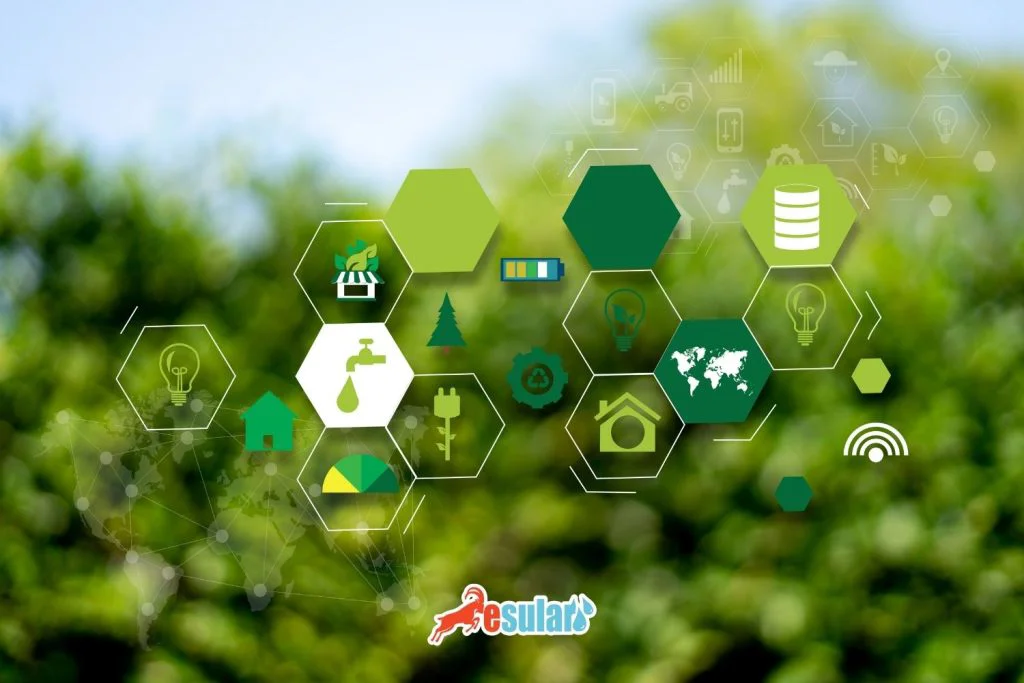
The Importance of Data Use in Agriculture
Data use in agriculture plays a central role in the transformation of the sector today. Modern agricultural approaches, replacing traditional farming methods, have made great progress by focusing on data collection, analysis, and application. Data obtained thanks to advanced agricultural technologies allow us to continuously monitor many important factors, from plant health to soil fertility, weather conditions to irrigation management. While the correct analysis and use of this data give farmers and agricultural experts the power to make informed decisions, it increases the efficiency of agricultural production and ensures more effective use of resources. This data-driven approach, while promoting sustainability in the agricultural sector, will ensure that future agricultural practices are managed more intelligently.
Data Collection and Analysis Methods
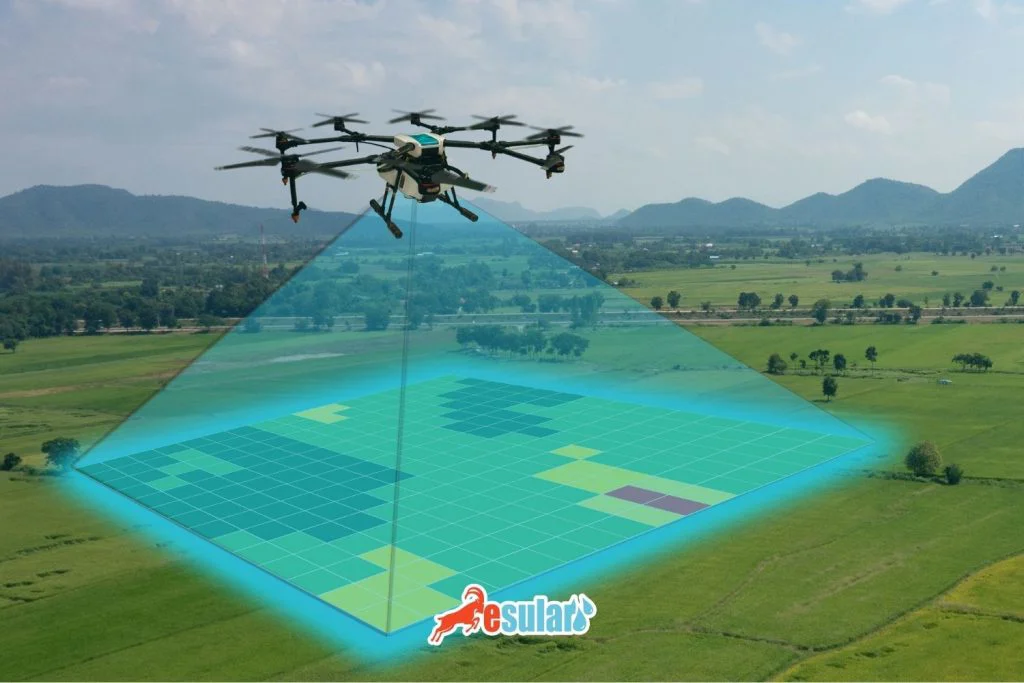
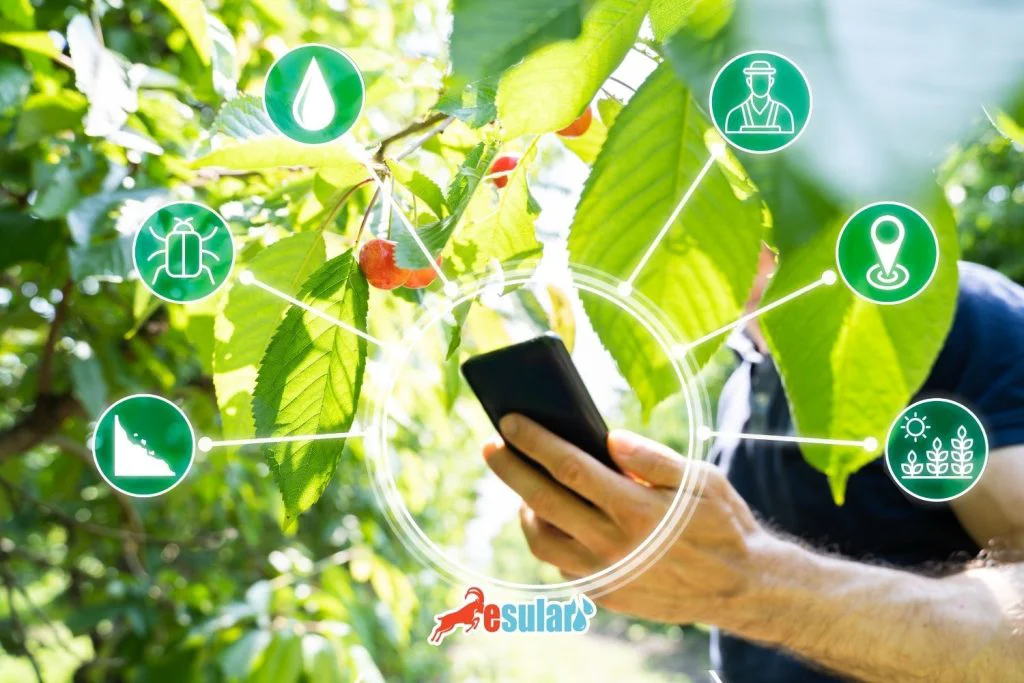
Data collection and analysis methods in agriculture are of critical importance for the efficiency and sustainability of modern agriculture. Sensors and IoT devices continuously monitor field conditions and collect critical data such as soil moisture, temperature, weather, and plant health in real time. Drones and satellite imaging technologies enable aerial monitoring of large agricultural areas to detect plant growth, disease spread, and the presence of pests. Mobile applications and handheld terminals facilitate farmers' data collection in the field and instant analysis. Agricultural machinery, equipped with GPS and various sensors, optimizes planting, fertilization, and spraying processes, thereby increasing efficiency and reducing costs. Manual data collection methods still maintain their importance; soil and plant samples provide detailed information by being subjected to laboratory analysis.
Collected data are processed through various analysis methods. Basic statistical analyses, geographic information systems (GIS), and data visualization techniques help make data more understandable. Machine learning and artificial intelligence, used together with big data analytics, play an important role in planning agricultural processes and making predictions. Time series analysis allows for the estimation of future trends by examining past data. These comprehensive data collection and analysis methods contribute to farmers making more informed and efficient decisions, increasing agricultural productivity and product quality, using resources more effectively, and the widespread adoption of sustainable agriculture practices. In this way, the future of the agricultural sector will be brighter and more sustainable thanks to data-driven approaches.
Data-Driven Decision-Making Processes
Data use in agriculture enables farmers and agricultural experts to base their decision-making processes on scientific foundations. Various data sources such as weather data, soil analysis, plant growth observations, and disease tracking provide critical information for agricultural activities. For example, weather data guide farmers on which days they should irrigate, while soil analysis helps determine fertilization strategies. Additionally, plant growth observations and disease tracking ensure that early interventions are made, minimizing crop losses. Advanced analytical methods such as machine learning and artificial intelligence algorithms allow for deeper analysis of agricultural data and more accurate predictions. In this way, farmers can use resources more effectively and optimize their decision-making processes.
Data-Driven Innovation and Technological Developments
Data use in agriculture is supported by constantly developing technologies. Automatic irrigation systems, smart agricultural machinery, and other advanced agricultural technologies optimize data collection and analysis processes, increasing efficiency in agricultural production. For example, agricultural areas equipped with sensors continuously monitor plant health, and thanks to this data, irrigation systems can be adjusted automatically. Drones and satellite imaging technologies scan agricultural areas from the air to assess plant health and identify disease threats in advance. These technological innovations allow for more yield with less labor in agriculture while also increasing environmental sustainability.
Data Security and Privacy
Data Security: Agricultural enterprises and other stakeholders must take various measures to ensure the security of the data they collect. Data security means protecting data from unauthorized access, manipulation, and malicious attacks. For this purpose, strong encryption methods should be used, and systems should be protected with firewalls and security software. Additionally, regular security updates should be performed, and authorization policies that limit data access should be established.
Data Privacy: Data privacy emphasizes that collected agricultural data should only be accessible by authorized persons or institutions. Data provided by farmers, agricultural enterprises, or researchers can often contain trade secrets or strategic information. Therefore, appropriate methods and policies should be developed to protect privacy during and after the data collection processes. Data owners should share their data through reliable and secure platforms and ensure it is used only in line with the determined purposes.
Esular and Data Security: Companies offering technology-oriented agricultural solutions like Esular use advanced technologies to ensure the security of customer data. Esular applies industry-standard encryption methods and security protocols for data security. Additionally, it ensures that customer data is accessible only by authorized personnel and that privacy is protected. This approach reduces the concerns of farmers and agricultural enterprises regarding data security and privacy while benefiting from Esular's services.
Data security and privacy are fundamental elements for the sustainability and reliability of data-driven innovation in agriculture. These measures support the digital transformation in the sector while increasing the trust of data owners and collaboration across the sector.
You can reach us to get more information about our solutions or to send your questions! As Esular, we offer data-driven solutions in agriculture. Data security and sustainability are among our priorities.
📧: [email protected]
📞:+90 850 399 6888
🌐: www.esular.com
Kategoriler