Tüm Yazılar

How is Watermelon Cultivation Done?

Watermelon is known as an annual plant belonging to the Cucurbitaceae family. Stem branches can usually reach up to 3-4 meters in length. While roots generally extend deep under dry farming conditions, the root system is mostly concentrated at a depth of 40-50 cm in irrigated agricultural areas. Its fruits are large, ball-shaped, and the inside is sweet and juicy. Watermelon farming is carried out quite widely worldwide and especially in our country. Turkey accounts for approximately 20% of world watermelon production.

Climate Requirements of Watermelon

This plant prefers warm and temperate climates. The watermelon plant is a plant with a temperature requirement. For growth and fruit formation, it requires a temperature of at least 25-30°C. Growth stops at low temperatures. Extremely cold weather conditions can adversely affect the plant and even lead to freezing.

Sunlight is critical for the growth and fruit formation of the plant. It is important to be exposed to sunlight for at least 6-8 hours a day. An abundant amount of sunlight is necessary for the healthy growth, flowering, and fruit formation of the plant.

How is watermelon cultivation done?

Where Does Watermelon Grow?

Since watermelon is a fruit that grows in warm climates, it is generally grown in subtropical and tropical regions. In Turkey, watermelon cultivation is spread over a wide geographical area. Especially; the Aegean, Mediterranean, Marmara, and Southeastern Anatolia regions are important regions for watermelon production. In these regions, watermelon cultivation is carried out in large areas as part of agricultural production.


What Are the Soil Requirements of Watermelon?

The watermelon plant generally grows best in fertile, well-drained, light, and loamy soils. Soils with good drainage properties prevent root rot and help the plant grow healthily. Watermelon develops better in soils that can breathe. Loose and aerated soils help the roots grow easily and assist in the aeration of the soil.

How is Watermelon Sowing or Planting Done?

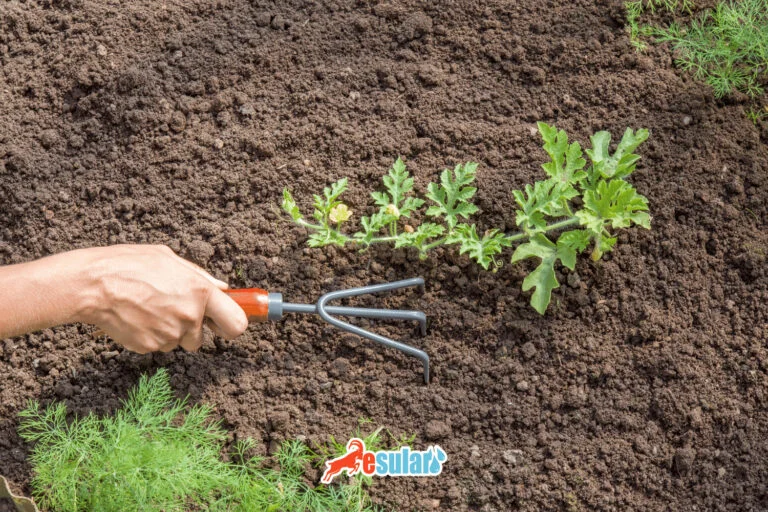
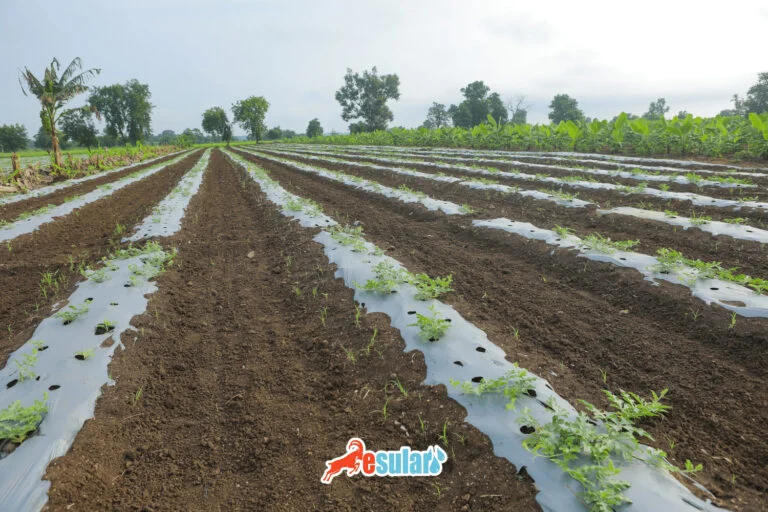
In the land determined for watermelon sowing, furrows are first drawn with the help of a furrow plow so that the row spacing is 2 meters. Sowing is done in holes on the edges of these furrows, on one side and at a certain interval on the row. 2-3 seeds are left in each hole, and after the seeds are sown at a depth of 4-5 cm, they are covered with soil. Generally, the sowing process is carried out in mid-spring. After seedling emergence, the seedlings in the holes are thinned.

Alternatively, earlier production can be obtained by using seedlings in watermelon cultivation. In this method, germination pots are used. During the seedling growing process, the maintenance and irrigation of the seedlings are done regularly and usually, the seedlings become ready for planting within 30-45 days. Seedlings that are ready for planting are planted at certain intervals in the field that has been previously plowed with a cultivator and opened with a furrow plow. After planting, irrigation is done so that the seedlings receive life water.

How is watermelon cultivation done?

How is Irrigation Done in Watermelon Cultivation?, How Often is Watermelon Irrigated?

In our country, watermelon cultivation is generally done without water. However, irrigation is important in watermelon cultivation to maintain the moisture balance of the plant roots and to obtain high and quality yields. After the seedlings are placed in the field, giving the correct amount of life water allows the plants to show strong development without needing irrigation for a long time. However, excessive irrigation of seedlings in the early period can adversely affect the growth process. Until fruit formation, it is important to keep the water at a minimum level. When the fruit size is 5-6 cm, regular irrigation should be started. From this stage onwards, it is generally recommended to irrigate once every two weeks. These methods help to achieve efficient growth and quality harvest by providing the water the plant needs.

How is watermelon cultivation done?

How Should Fertilization Be Done in Watermelon Cultivation?

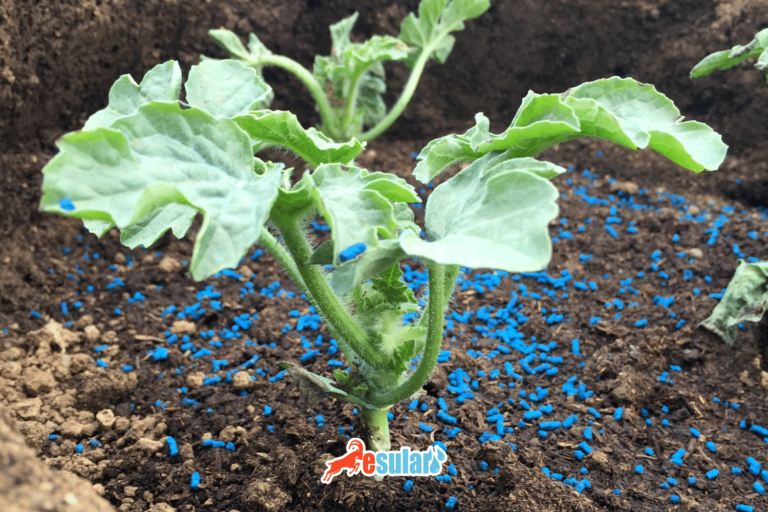
Fertilization generally takes place through the use of organic and chemical fertilizers. Among organic fertilizers, stable manure, compost, and natural organic materials are preferred. Chemical fertilizers are generally used in the form of NPK fertilizers containing nitrogen, phosphorus, and potassium. These fertilizers support the growth of the plant, increase root development, and promote fruit formation. This plant needs fertilization generally when the seedlings are planted or during the growth periods of the plant. Nitrogen-containing fertilizers can be applied during the planting of seedlings or the first growth stages. In fruit formation, it is aimed to increase the fruit yield of the plant by using fertilizers containing phosphorus and potassium. The timing of fertilization can vary according to the growth stage of the plant and soil conditions.

Watermelon irrigation

When is Watermelon Harvested?

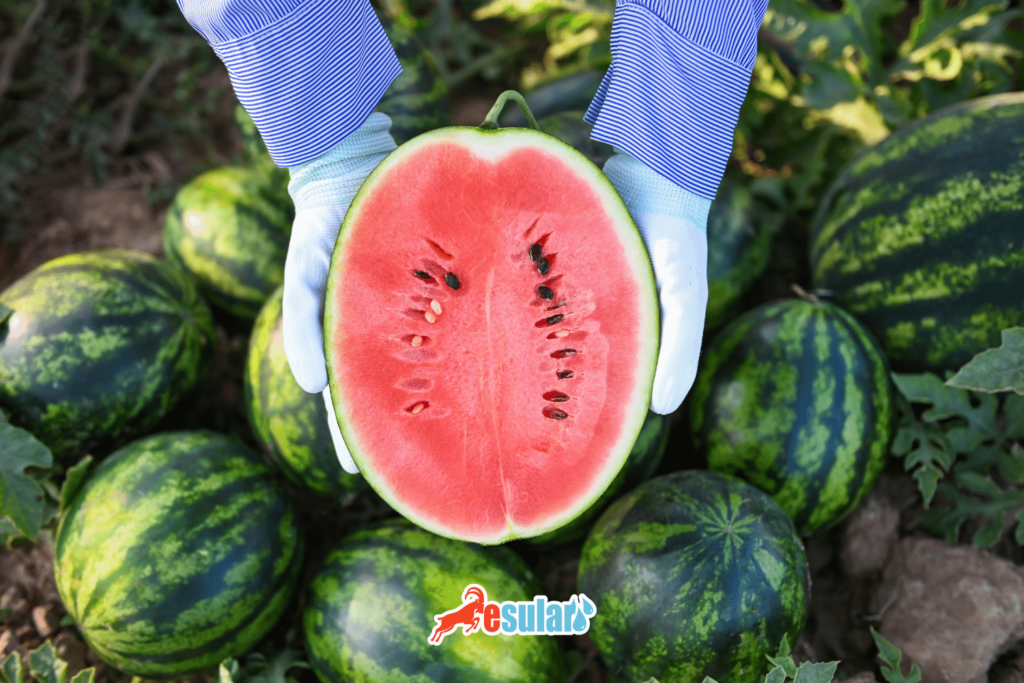
The harvest time of watermelon can vary depending on its variety, the region where it is grown, and the growing conditions. However, in general, watermelons ripen on average within 70 to 90 days after being planted. To determine the harvest time of a ripe watermelon, it is important to pay attention to the following elements:

Sound: As the fruit ripens, the amount of water in it decreases. A ripe watermelon makes a dull sound, while unripe ones make a higher-pitched sound.

Color: The rind of the watermelon generally changes color as it ripens. A ripe watermelon usually has a bright, deep, and vibrant color.

Rind Texture: The rind of the watermelon hardens as it ripens. When lightly pressed with the fingers, the rind of a ripe watermelon will be slightly flexible, hard, and durable.

Stem Connection: The stem connection of the watermelon starts to dry during the ripening period. This connection is one of the signs of ripening.

Since watermelons are generally grown in the summer months, they can ripen faster in warm climates. However, this process can vary depending on the variety and growing conditions. Listening to its sound by making observations, looking at the color and texture of its rind, and checking the stem connection gives an idea about the ripening state of the watermelon.

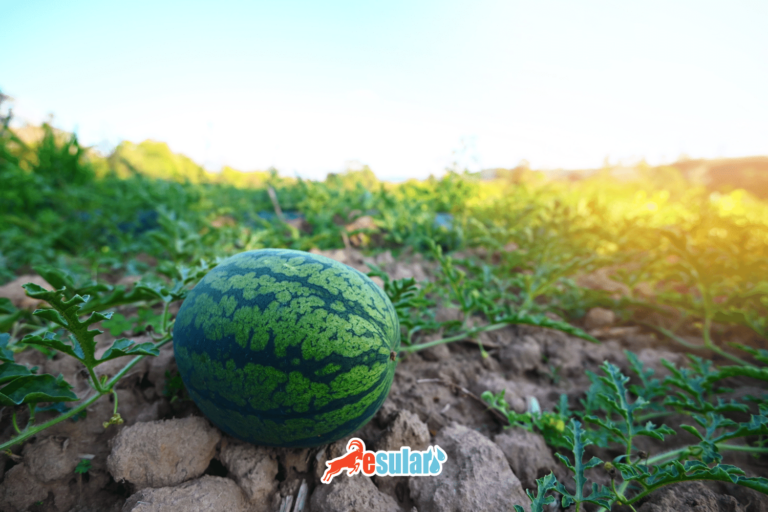
How is watermelon cultivation done?

To get detailed information about diseases seen in watermelon cultivation, you can take a look at our https://esular.com/karpuzda-fungal-hastaliklar article.

Daha Fazla İçerik İster misiniz?

Akıllı tarım hakkında en güncel içerikleri takip edin.