Tüm Yazılar
Litchi (Litchi) Cultivation
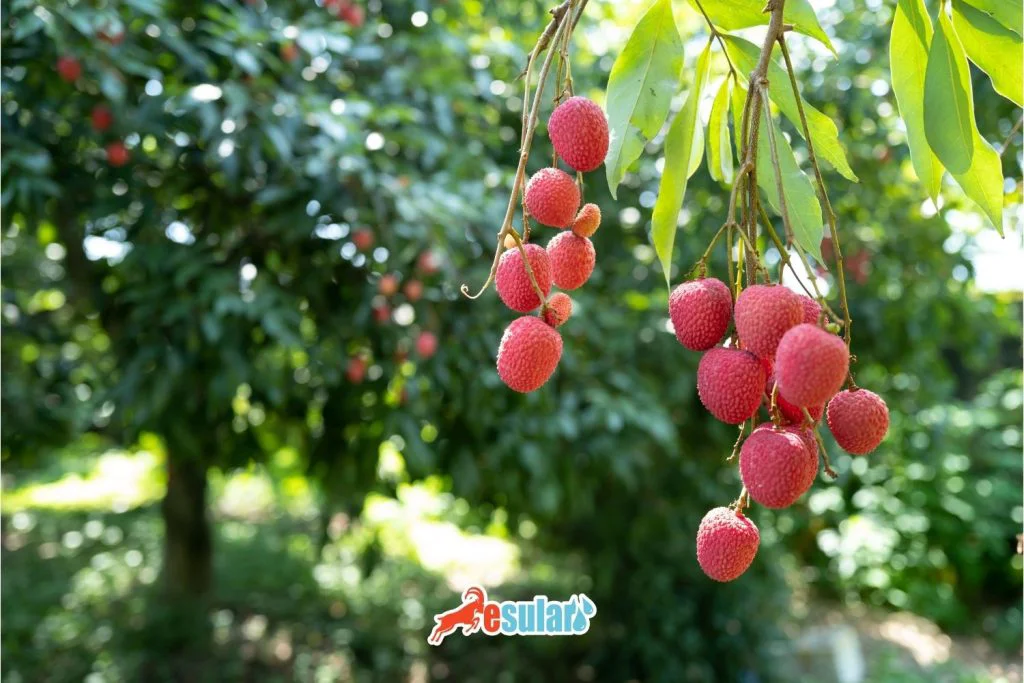
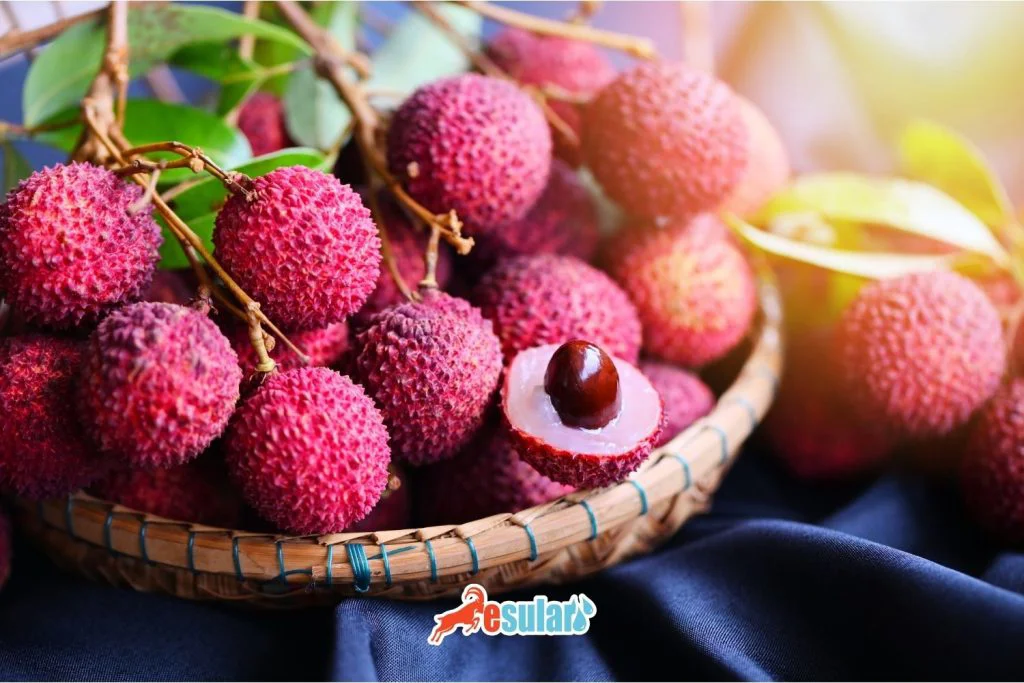
Litchi cultivation is an exotic fruit production that has been attracting more and more interest both worldwide and in Turkey in recent years. This fruit, grown in the tropical regions of Asia for centuries, stands out especially for its sweet, juicy, and aromatic structure. Litchi is a small, oval-shaped fruit that grows on broad-leaved and evergreen trees. This fruit, which has a rough and pinkish-red skin, contains a white, translucent, fleshy structure inside. Litchi, with its characteristic sweetness and unique aroma, is consumed as fresh fruit, and also has a wide range of uses in dried, canned, or processed forms.
Litchi fruit also attracts attention for its healthy and nutritious properties. While it supports the immune system with its high vitamin C content, it protects the body from the harmful effects of free radicals with its antioxidant properties. At the same time, it is frequently preferred in diets because it is low in calories. In this article, we will provide comprehensive information about the cultivation of litchi fruit. We will cover every detail from how to plant litchi fruit, to growth conditions, harvest methods, and the fight against diseases and pests.
Climate and Soil Structure in Litchi Cultivation
Litchi grows best in tropical and subtropical climates. Therefore, the climatic conditions of the region where it will be grown are of great importance. Litchi trees love hot and humid weather conditions; therefore, they grow most productively in regions where the average annual temperature is between 25-30°C. These trees, which can withstand short-term cold in the winter months, are sensitive to frost. Regions with low frost risk are more suitable for litchi cultivation.
Soil structure is also a critical factor for litchi cultivation. Litchi trees prefer well-drained, slightly acidic, and organic matter-rich soils. A soil pH level between 5.5 and 7 is ideal. Additionally, the loose soil structure and good water-holding capacity are important for healthy root development and maintaining water balance. Soils that hold excessive water or are compacted can lead to root rot and negatively affect the health of the tree. Correct selection of areas for litchi cultivation and soil improvement works are fundamental steps to increase fruit yield and ensure long-term success.
Where Does Litchi Grow in Turkey?
Litchi fruit can generally be grown in regions where hot and humid climate conditions prevail in Turkey. Especially the Mediterranean Region offers a suitable climate for growing this fruit. Provinces such as Antalya, Mersin, and Adana stand out as favorable areas for litchi production with their high temperature and humidity rates. In recent years, tropical fruit cultivation has also begun to attract interest in different regions of Turkey. Especially in the Black Sea Region, in provinces like Ordu, tropical fruit cultivation has become a trend. Thanks to climate changes and regional microclimate advantages, the potential for litchi cultivation in provinces like Ordu has also increased. In these regions, especially humid and sheltered areas can provide suitable conditions for litchi.
Planting of Litchi Saplings
Litchi trees should be planted carefully, taking into account their sensitive root systems and growth needs. Basic steps to be followed for planting litchi saplings:
-
Litchi saplings should generally be planted in the spring months. During this period, the soil temperature reaches suitable levels and the saplings are prepared for the new growth period. It is recommended to plant in temperate climate conditions without frost risk.
-
The area where the saplings will be planted should have a well-drained, organic matter-rich, and slightly acidic soil structure. Before planting, the soil should be plowed deeply, weeds should be cleared, and organic fertilizer should be added if necessary.
-
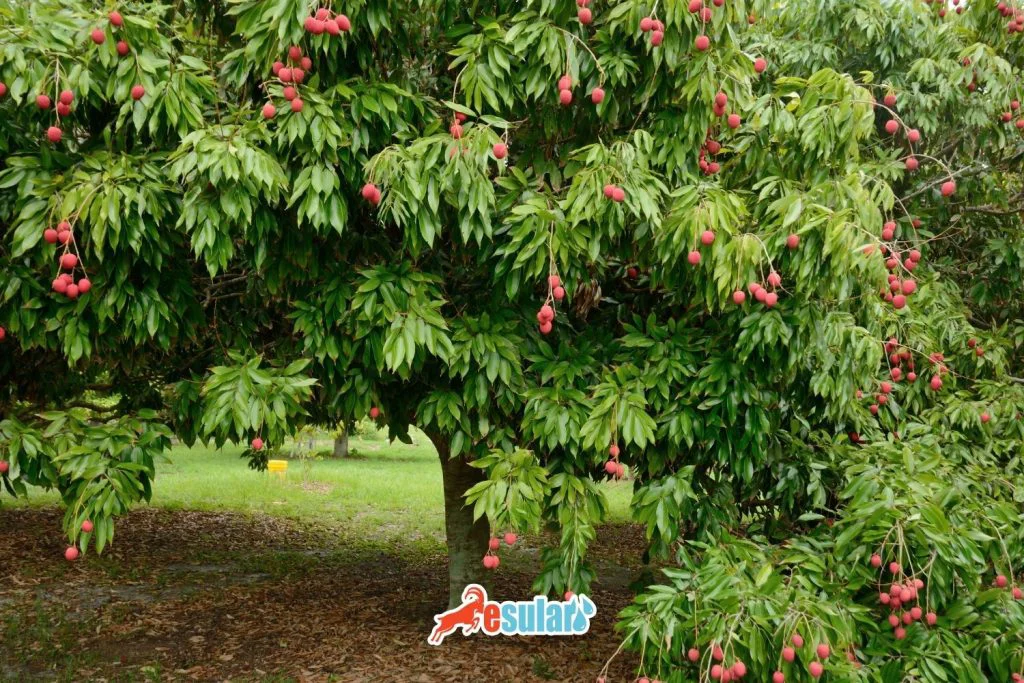
These trees have a wide canopy structure and grow sideways over time. Therefore, it is recommended to leave at least 6-8 meters of distance between saplings. This distance increases the light intake of the trees and prevents the roots from mixing with each other.
-
Saplings should be planted in the ground at the same depth they were in the sapling bag or pot. Planting should be done such that the root collar (the point where the tree's roots meet the trunk) remains above the soil, but not too deep. The planting hole should be large enough for the roots to settle comfortably.
-
Saplings should be watered immediately after planting. The first irrigation ensures that the soil comes into thorough contact with the roots and helps the sapling settle. In the first year after planting, it is important to water the saplings regularly, clear weeds, and support them with support sticks if necessary.
-
These trees can be easily damaged by wind at young ages. Attention should be paid to wind protection in the planting area, and windbreakers should be used when necessary.
By following these steps, the planted litchi saplings will grow healthily and start to bear productive fruit in the following years.
Care of the Litchi Tree
Regular and diligent care is essential for the healthy growth of the litchi tree and for it to bear abundant fruit. The basic elements of this care are as follows:
- Irrigation: The litchi tree requires regular irrigation throughout the year. It is important to keep the soil moist during hot and dry periods. However, excessive irrigation should be avoided and it should be ensured that the soil is well-drained.
- Fertilization: The litchi tree loves soils rich in organic matter. Nutritional needs should be met using organic fertilizer or compost during the spring and summer months. When necessary, balanced fertilizers containing nitrogen, phosphorus, and potassium can be used, but excessive fertilization should be avoided.
- Pruning: Shape pruning should be done to create a proper canopy structure in young trees. Additionally, diseased, dry, or broken branches should be regularly pruned and removed from the tree.
- Pest Control: Litchi trees are sensitive to aphids, mites, and fungal diseases. Natural methods, such as neem oil or soapy water, should be preferred in pest control. If necessary, approved pesticides can be used, but they should be applied carefully and in accordance with the instructions.
- Soil and Mulching: It is important that the soil in the root zone is loose and well-ventilated. Therefore, the soil should be aerated with a hoe from time to time, and soil moisture should be preserved and weed growth should be prevented by mulching.
- Protection from Wind and Cold: Young trees should be protected from the wind, and windbreakers should be used if necessary. Litchi trees are sensitive to cold, so especially young saplings should be protected by covering them against the danger of frost in the winter months.
Regular care ensures the healthy growth of the litchi tree and helps it yield plenty of delicious fruit.
Development and Harvest of Litchi Fruit
The litchi tree usually blooms in the spring months. Fruit formation begins after flowering. During this period, regular watering of the tree and providing necessary nutrients are important to increase fruit quality. In addition, it should be ensured that the fruits benefit from sunlight in the best way, and attention should be paid to the balanced growth of the tree. Litchi fruit matures in about 12-16 weeks. Fruits become ready for harvest when their skins turn red and the inside acquires a transparent, juicy texture. To prevent fruit cracking during the maturation process, irrigation should be done regularly and situations that could create stress around the tree should be prevented. Fruits are harvested by cutting them by hand or with scissors along with their stems. Due to its delicate structure, it needs to be collected carefully. If the harvested fruits are not consumed immediately, their freshness can be preserved by storing them in a cool place.
Commercial Litchi Cultivation and Market Opportunities
Litchi is a tropical fruit with high commercial potential and increasing demand worldwide. In Turkey, cultivation is possible especially in the Mediterranean and Aegean regions thanks to suitable climate conditions, and in recent years, tropical fruit cultivation has also become a trend in the Black Sea Region. Litchi can be marketed both as fresh fruit and in dried or processed forms. Turkey can provide a competitive advantage in litchi production thanks to its suitable geographical location, low-cost labor, and increasing demand for tropical fruits. For this reason, litchi cultivation offers significant profit opportunities both in the domestic market and in exports.
Kategoriler