Tüm Yazılar
Pink Snow Mold Disease
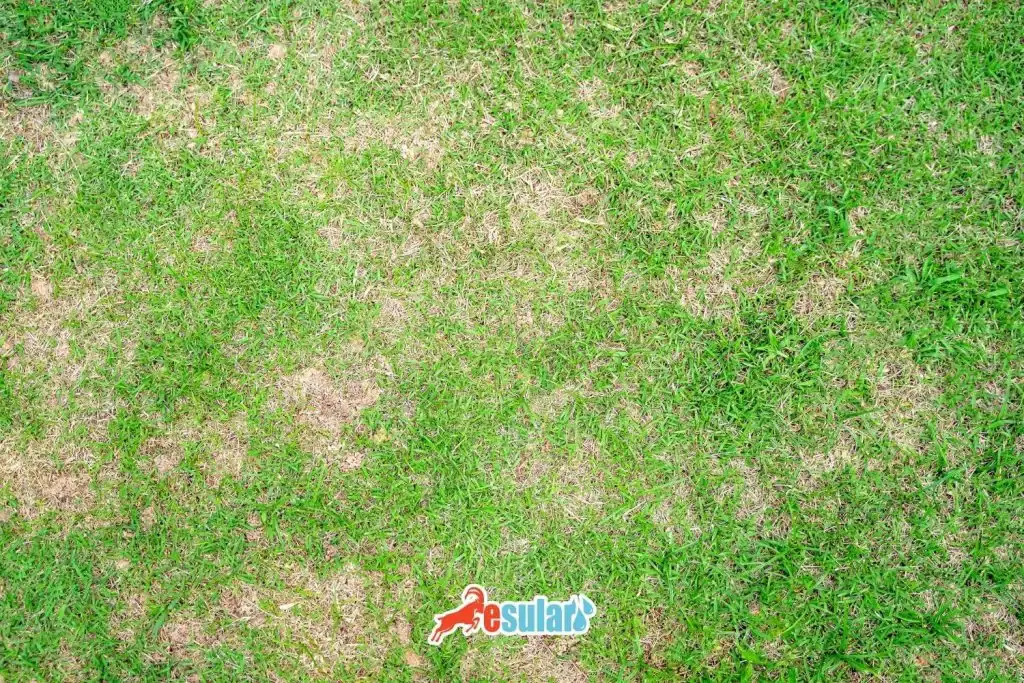
Pink snow mold is a common plant disease that develops especially in the winter and early spring months, under snow cover or in humid weather conditions. This disease is caused by a fungus called Fusarium nivale and creates pale yellow to pinkish spots on the leaves of grass plants. This fungus, which is active in cold weather conditions, can cause plants to become weak and lead to death in later stages. Pink snow mold spoils the aesthetic appearance of grass areas and can cause serious yield losses. Therefore, recognizing the symptoms of the disease and applying effective control methods is of critical importance for protecting plant health.
Symptoms of Pink Snow Mold Disease
The symptoms of pink snow mold disease appear especially in late winter and early spring. In the initial stages of the disease, pale yellow spots with pinkish edges, 5-30 cm in diameter, are seen in grass areas. These spots are one of the most typical symptoms of the disease. Grass leaves usually become weak and stick together, which prevents the healthy development of the plants. With the progression of the disease, a white and cottony texture forms on the leaves, which is clearly noticeable on the plants. If the disease develops sufficiently, the plants can rot by becoming completely necrotic. These symptoms, which appear under snow or as snow melts, are the clearest indicators of pink snow mold disease.
What Causes Pink Snow Mold Disease?
The primary cause of pink snow mold disease is an infection caused by a fungus named Fusarium nivale. This pathogen finds ideal conditions that develop on the soil surface and under the snow cover, especially in the winter and spring months. The disease is triggered by this fungus developing in a humid environment under the snow cover or as the snow melts. Pink snow mold is generally seen in periods when the temperature falls below 15°C and snowfall is heavy. The snow cover, while protecting plants against frost, also provides a suitable environment for the development of fungi at low temperatures. The soil remaining constantly moist, especially in cases of poor drainage caused by snow or rain, prepares the ground for the spread of the disease. Fusarium nivale causes the symptoms of the disease to appear by affecting the lower leaves of the plants under the snow or as the snow melts.
Disease Cycle and Development Process
The cycle and development process of pink snow mold disease is shaped by the life cycle of the Fusarium nivale fungus and environmental conditions. Here are the stages of this process:
Winter Period: Fusarium nivale spends the winter in the form of mycelium and spores in diseased plant residues and in the soil. The snow cover provides a suitable environment for this pathogen to continue its life cycle. The snow supports the development of fungi by keeping the surface temperature of the soil between 0-0.5°C.
Beginning of Spring: With the melting of the snow cover, Fusarium nivale develops as structures called perithecia on the diseased lower leaf sheath. These structures consist of spores and ensure the spread of the disease. Additionally, under cool and humid weather conditions, ascospores and mycelia on plant residues become active, and the risk of disease transmission increases.
Plant Infection: Ascospores spreading from diseased spores cause infection by coming into contact with plants on the soil surface. Plants are more sensitive, especially under snow cover and in humid conditions. Infected leaves turn pale, rot, and necrotic areas form.
Development and Spread: The disease continues to develop under snow or in humid conditions. Grass leaves weaken and stick together, becoming covered with a white and cottony texture. If the root collar is not damaged, the plant may overcome the disease. However, excessive infection leads to the death of the plant.
Transition to Autumn and Winter: The effects of the disease continue in the autumn and winter months. In plants remaining under the snow cover, Fusarium nivale forms mycelium and spores again. These structures remain in plant residues throughout the winter and prepare the ground for the disease to reappear the following year.
Effective Control Methods Against Pink Snow Mold
Effective control against pink snow mold requires various methods to prevent the spread of the disease and protect plant health. First, resistant species should be selected. Additionally, cultural measures are important. Crop rotation practices prevent the accumulation of the disease in the soil, while providing good drainage prevents the soil from remaining constantly moist and reduces the suitable environment for the development of the disease.
Chemical control methods include the application of appropriate fungicides in early spring when disease symptoms begin to appear. For example, spraying should be repeated 10-14 days later using fungicides such as Benomyl or Methylthiophanate. These applications should be repeated in humid and cool weather. In the autumn, excessive nitrogen fertilization should be avoided, because excessive nitrogen can increase the severity of the disease.
Soil and plant management also play an important role in the fight. Diseased plant residues should be buried deep in the soil or cleaned. This reduces the accumulation of pathogens in the soil and the risk of re-infection. Additionally, regular inspection of grass areas and early detection of diseased plants help prevent the spread of the disease. Management of climate and environmental factors is also of critical importance; the risk of disease development is high in humid and cool weather conditions, so care should be taken in such conditions. Applying these methods together will help to effectively fight against pink snow mold.
Kategoriler