Sheep and goat pox is a highly contagious and serious viral disease caused by a virus that is a member of the Capripoxvirus genus of the Poxviridae family. The disease is characterized by high fever, the formation of lesions in the form of papules or nodules on the skin and mucous membranes, and in the case of systemic infection, it can result in focal pneumonia, especially in the lungs. Pox disease can follow an acute or chronic course and can result in death in severe cases. The disease has high morbidity and mortality rates, especially in young animals, and can lead to significant economic losses in sheep and goat flocks.
What Causes Sheep-Goat Pox Disease?
Sheep and goat pox is caused by a virus that is a member of the Capripoxvirus genus of the Poxviridae family. This virus is found in the skin epithelial cells of sheep and goats and can easily spread among animals. Among the routes of transmission of the disease, direct contact is the most common; the virus is spread to the external environment through the crusts of skin lesions of infected animals, nasal discharge, respiratory air, saliva, and milk. The virus can be transmitted to healthy animals that come into contact with secretions from the bodies of infected animals or with the crusts of lesions. Additionally, the virus can also be transmitted through blood transfusions. The pox virus is quite resistant to external environmental conditions; while it can survive for a long time in cool and dark environments, it becomes ineffective in a short time when exposed to direct sunlight. This resistance facilitates the spread of the virus and its rapid transmission between flocks. The disease can be more severe when combined with stress factors such as unhygienic conditions, malnutrition, and poor climatic conditions, leading to serious health problems and high mortality rates in animals.
What Are the Symptoms of Sheep-Goat Pox Disease?
Sheep and goat pox manifests itself with various symptoms in animals of different age groups. The severity and symptoms of the disease vary according to the strain of the virus, the age of the animal, and its immune status.
Symptoms in Young Animals
High Fever
Depression and Exhaustion
Eye and Nasal Discharge
Loss of Appetite
Respiratory and Digestive Problems
In lambs, the disease can be very severe and the mortality rate can reach up to 50%.
Symptoms in Adult Animals
Pox lesions are seen on hairless areas of the animals, such as the armpits and under the tail. These lesions start as redness initially and over time become raised, pitted, and fluid-filled vesicles.
Lesions forming in the mouth can make it difficult for the animal to eat and drink, and can cause drooling.
Enlargement and tenderness in lymph nodes.
Pneumonia symptoms such as difficulty breathing and wheezing may be seen.
In adult animals, the disease usually follows a milder course and death is rare.
General Symptoms
Lesions in the form of papules and nodules on hairless and unpigmented areas of the skin, especially around the nose, lips, under the chest, under the tail, and on the udders.
Lesions that can ulcerate on the oral, eye, and nasal mucosa.
With the progression of the disease, secondary bacterial infections may also be seen, which makes the recovery process difficult.
The symptoms of sheep and goat pox help in diagnosing the disease, and the spread of the disease can be controlled with early intervention.
How Is Sheep-Goat Pox Disease Treated?
Sheep and goat pox does not have a specific treatment, but various supportive measures can be taken to control the spread of the disease. When symptoms of the disease are seen, infected animals should be immediately isolated and separated from the flock. This is important to prevent the spread of the disease to other animals.
Supportive treatment is applied to strengthen the immune system of animals and prevent secondary infections. It is important to keep the animals in a clean, dry, and hygienic environment, reduce stress factors, and provide proper nutrition. Cleaning the wounds and disinfecting them with antiseptic solutions can help prevent secondary bacterial infections. Animals with eye and nasal discharges should be treated with appropriate medications to be applied to these areas.
Antibiotics can be used for the prevention and treatment of secondary bacterial infections, but they are not directly effective against the virus. Additionally, pain relievers and antipyretics can be given to animals, which can help them relax and overcome the disease more easily.
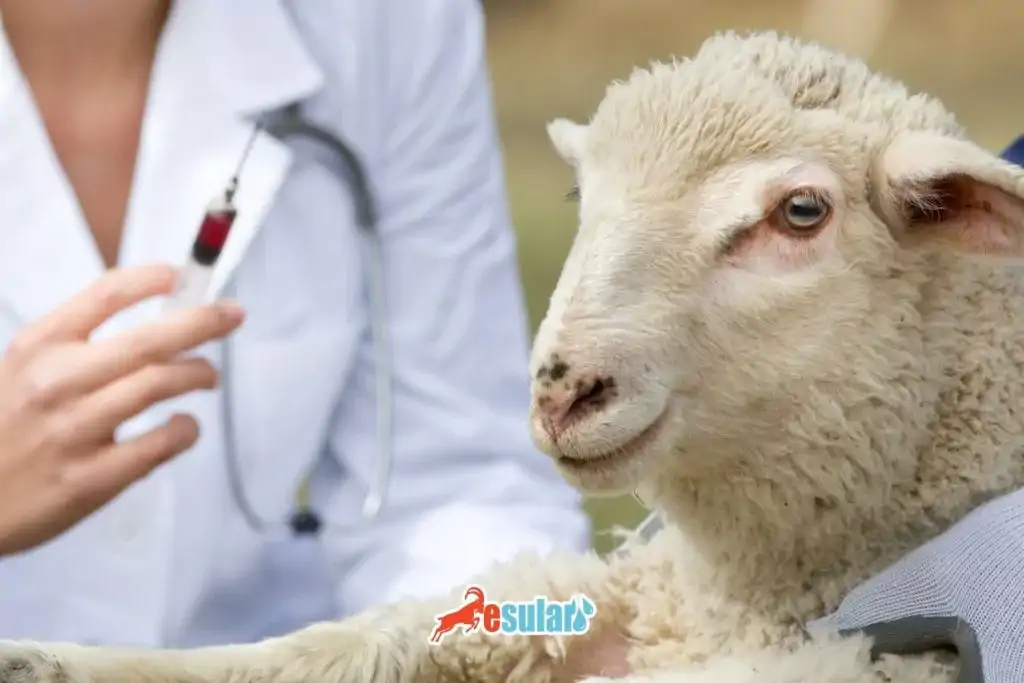
Protective vaccinations are considered an effective measure against pox disease. Vaccines prevent the spread of the disease by increasing flock immunity.
In pox disease outbreaks, acting in line with the guidance of authorized veterinarians is of great importance in terms of protecting flock health and minimizing the economic impacts of the disease.
Is Sheep-Goat Pox Disease Transmitted to Humans?
The causative agent of the disease, Capripoxvirus, causes disease only in sheep and goats and is not infectious for humans. This virus is found in the skin epithelial cells of sheep and goats and can be transmitted between animals through direct contact, the respiratory tract, skin lesions, and other routes. However, it does not pose any health risk for humans. Nevertheless, it is important to take appropriate biosafety measures when in contact with infected animals to control the disease and prevent its spread. Compliance with hygiene rules, the use of protective clothing, and avoiding direct contact with infected animals are necessary both to protect animal health and to prevent the spread of the disease.
Can the Meat of an Animal with Pox Disease Be Eaten?
Pox disease is a viral infection seen in sheep and goats, and the meat of sheep suffering from this disease is not suitable for human consumption.
When Is the Pox Vaccine Administered?
The sheep-goat pox vaccine is a lyophilized, live, and attenuated (weakened) vaccine prepared in lamb kidney cell cultures. Vaccination is usually performed in early autumn, and in areas where the disease is not present, it is recommended to be done between the last 6 weeks of pregnancy and the first month after birth. Immunity develops fully within 21 days after the vaccine, and this immunity period is generally accepted as 8 months. This information helps in determining important timing and protection strategies for the effective use of the vaccine.