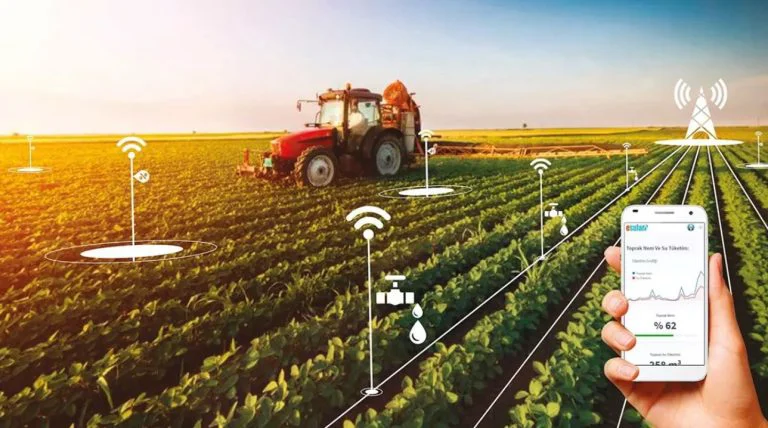
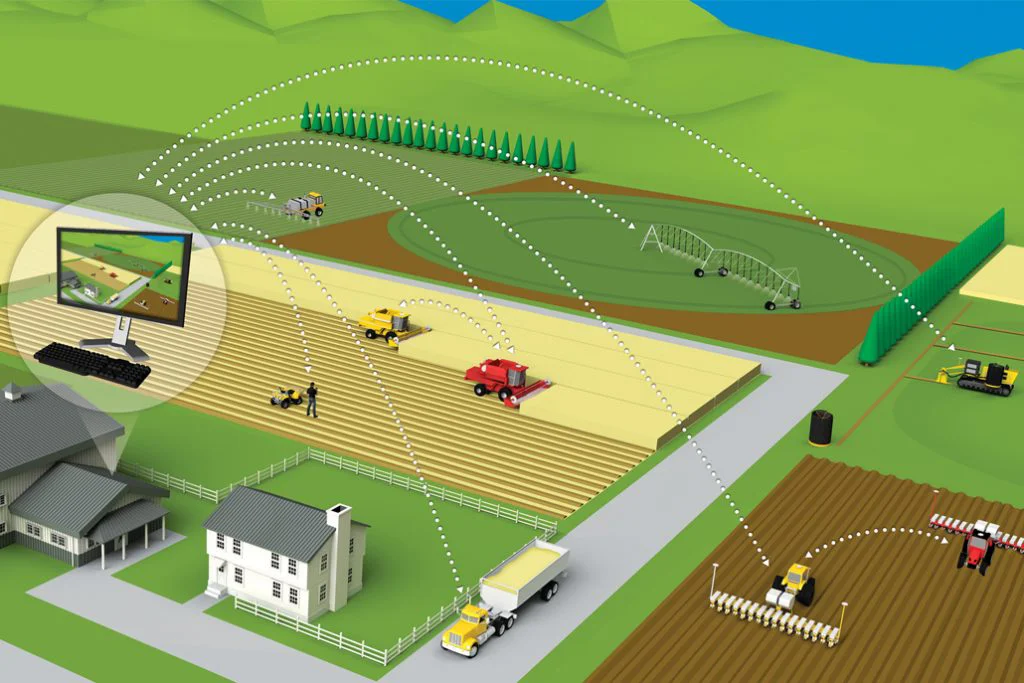
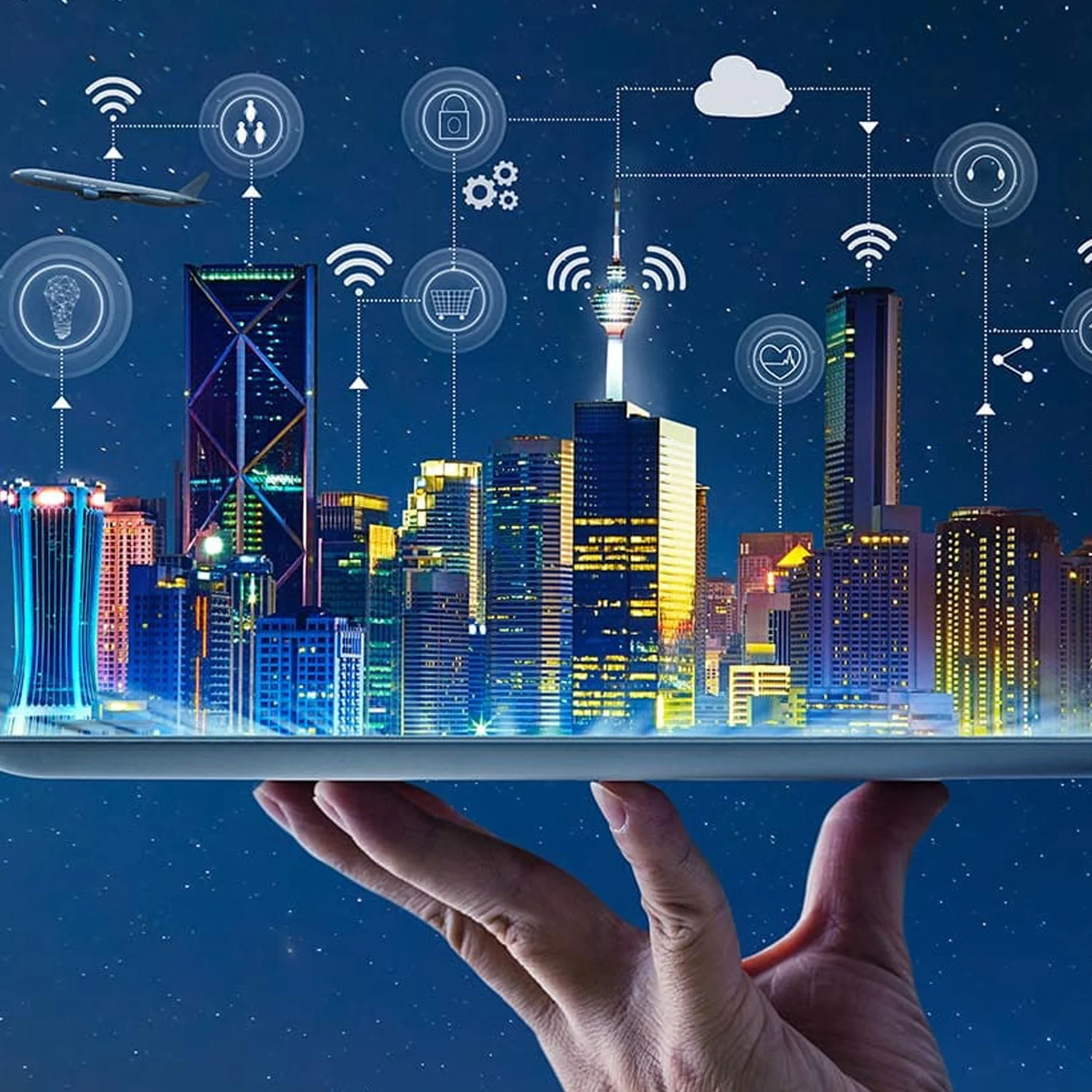
Smart irrigation systems are solutions that have started to become widespread with the use of developing high technology in agricultural areas and enable irrigation to be more predictable and effective. Smart irrigation systems are not just automatic irrigation solutions. They are complex irrigation solutions that also incorporate different sensor data, meteorological conditions, crop type, and soil structure.
What are Smart Irrigation Systems?
Smart irrigation systems are systems developed to irrigate irrigation areas in the most effective way, to provide as much water as the plant needs, and to obtain maximum yield from water and production. Smart irrigation systems are systems that meet smart valve control, sensor-based field and plant status measurements. In these types of automatic irrigation solutions, not only is irrigation carried out regularly, but also production efficiency is ensured and maximum utilization of resources is achieved by performing more effective irrigation together with the environment, plant type, measurement data, and climatic conditions.
With smart irrigation systems, more yield is obtained with fewer resources; it feeds the plant, not the soil. This way, it makes a big difference! Because when you deliver water and nutrients directly to the roots, you reduce your costs. More importantly, your plant becomes healthier and you increase your yield.
What are the Components of Smart Irrigation Systems?
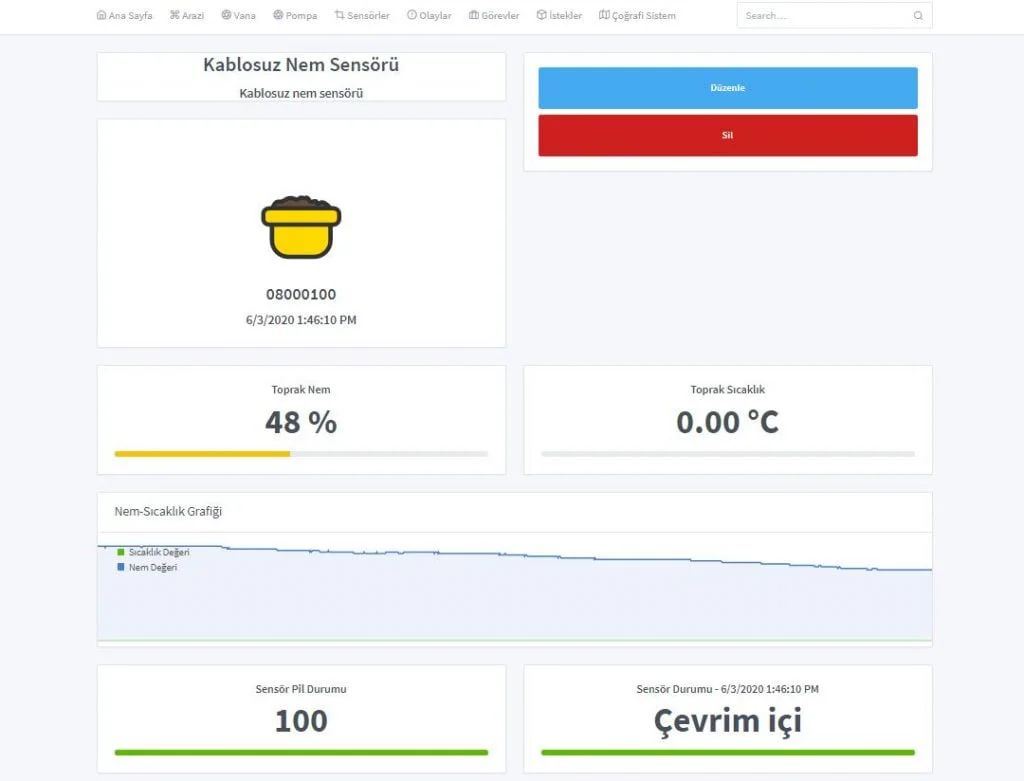
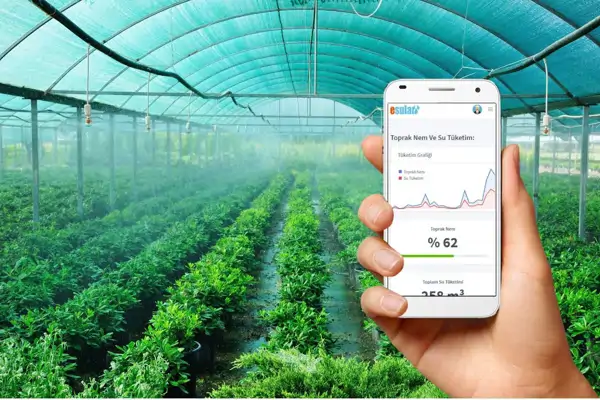
Smart irrigation systems consist of many components, primarily automatic irrigation solutions and sensor solutions. The most basic components are soil moisture measurement, air humidity, wind and precipitation measurement, measurement of the amount of water used for irrigation, and sensor measurement data such as soil nitrogen and sulfur. Beside these, automatic valve control systems and solutions come into play.
To summarize the components of the smart irrigation system, we can say;
Soil moisture measurement sensors
Water meter flow measurement
Ambient temperature and humidity measurement
Frost warning sensors
Wind and precipitation sensors
Climatic and meteorological data
Soil measurement data
Smart or automatic valve systems
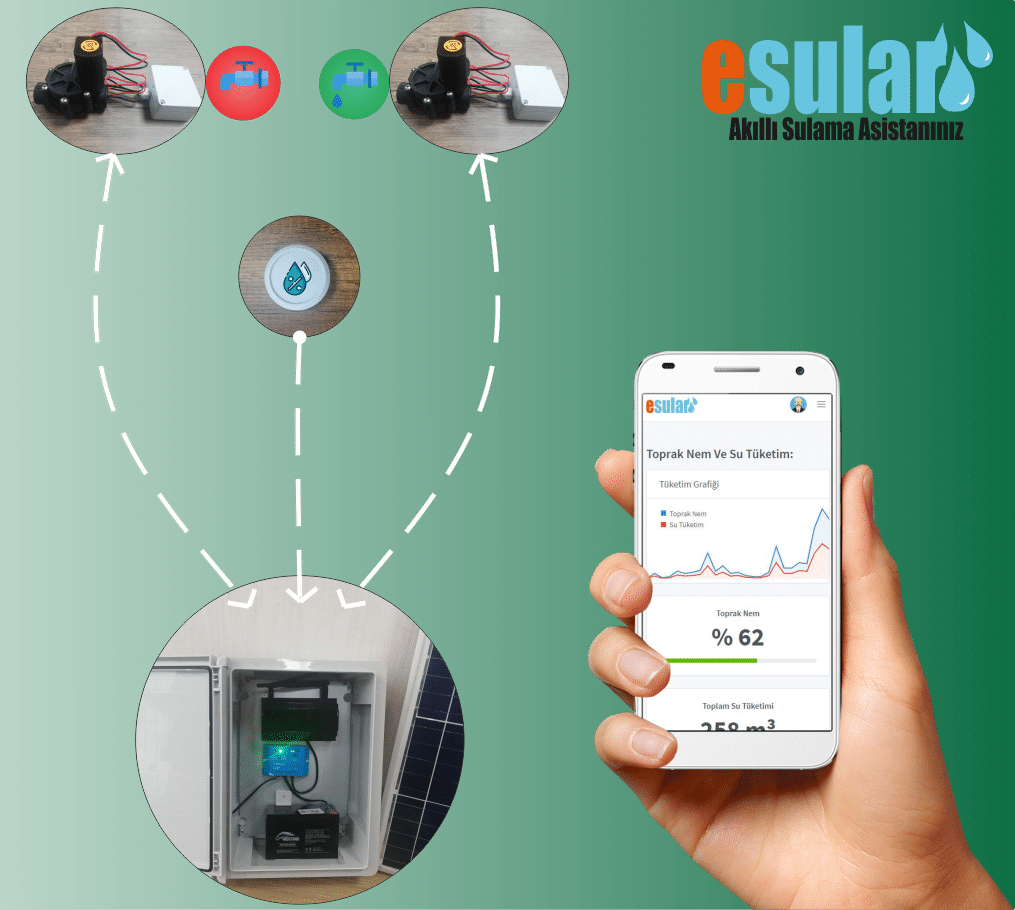
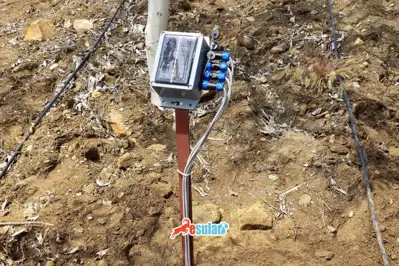
Remote control systems with solar panels
Wireless battery-powered valves and sensors
With all these components coming together, irrigation is performed as much as the plant needs by making the necessary calculations together with AI-supported software that manages these systems effectively. If it is compatible with the system, fertilization and pesticide application are carried out, thus achieving effective agricultural production.
Differences Between Smart Irrigation and Automatic Irrigation
In automatic irrigation, the main goal is to perform irrigation with certain parameters. In automatic irrigation solutions, it is generally aimed to realize irrigation within certain limits or at time intervals with timers or PLC solutions. In smart irrigation systems, however, measurement and environmental conditions are constantly monitored and scenarios suitable for instantly developing situations are developed. With these created scenarios, irrigation is performed if needed, or not performed if not necessary. In fact, it commands automatic irrigation systems in a way.
Smart irrigation systems also allow for analysis of past year production and irrigation data in the field for irrigation and other fertilization processes in the following process. With these types of irrigation solutions, irrigation is not only done remotely or automatically; analyses are made with measurement data and it is possible to make forward-looking predictions. At the same time, not only monitoring is done, but control takes place. In this form, smart irrigation systems are a complex solution that brings many irrigation technologies together.
Application Areas of Smart Irrigation
Smart irrigation and monitoring systems can be used in almost all types of irrigation systems. Drip irrigation systems, landscape irrigation systems, greenhouse automations, green areas, golf courses, football fields, etc. It is suitable for use in all kinds of areas because it increases yield and savings and provides irrigation as much as needed regardless of the plant type.
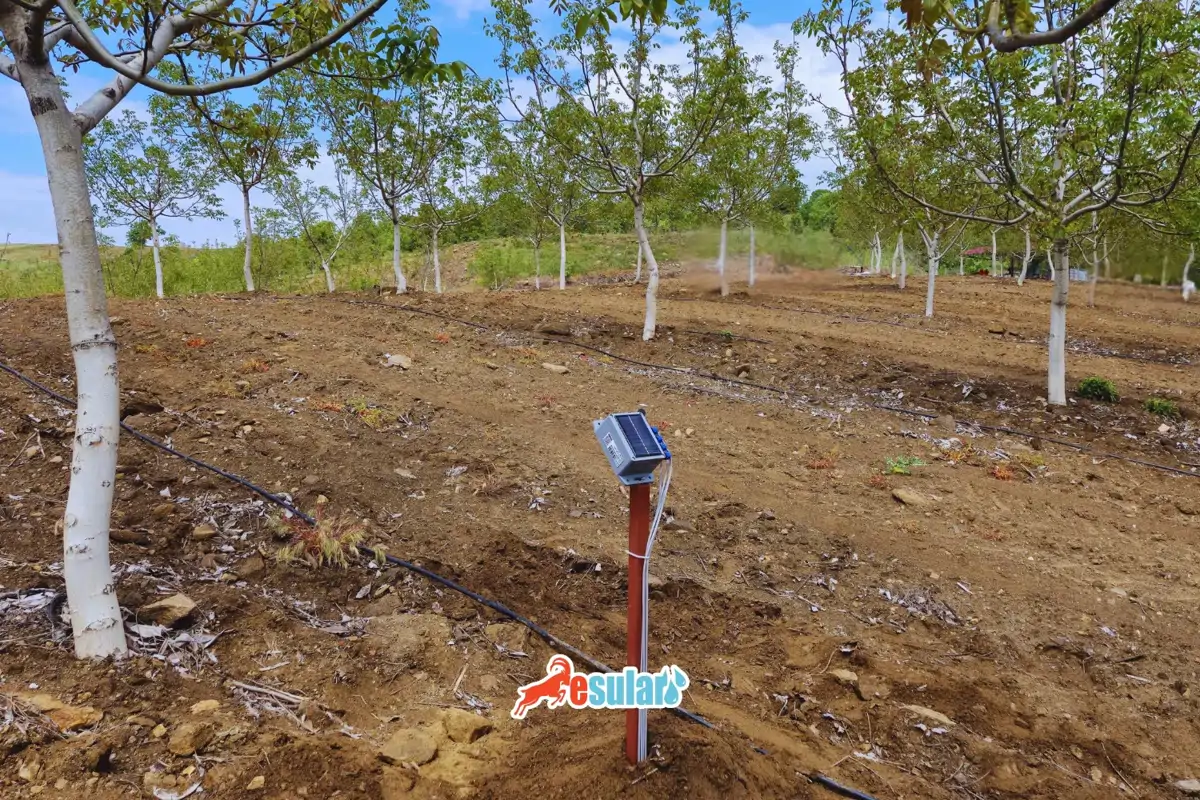
Especially with the drip irrigation system, whose use has become widespread in recent years and which provides significant water savings on its own, the use of the smart irrigation system is becoming widespread and easier. Drip irrigation systems have started to be preferred even in the irrigation of perennial fruit trees in open agricultural lands and in landscape areas today. With smart irrigation technologies and liquid fertilization solutions, it seems possible that it will be even more preferred in the coming years.
If you especially use drip irrigation and want to use remote-controlled smart automatic smart irrigation solutions, you can take a look at our products and solutions.
Application areas of smart irrigation system;
Agricultural lands
Lands using drip irrigation system
Perennial fruits
Greenhouses
Mushroom cultivation facilities
Sapling cultivation facilities
Flower and ornamental plants
Greenhouse farming
Soilless agriculture applications
Vertical agriculture applications
Irrigation of parks, gardens and landscape areas
Irrigation of golf courses and football fields
and it is possible to use it in many similar irrigation areas.
Advantages of the Smart Irrigation System
Against classic irrigation control solutions, the most important advantage of smart irrigation is that it both saves water and resource consumption and increases economic gain by increasing product quality and yield. While doing all this, it reduces labor costs and increases our productivity.
In general, the advantages of smart irrigation systems are;
It does not only perform irrigation; it increases yield with sensor data and analysis.
Provides next year production planning with past data.
Constantly updates irrigation scenarios against changing conditions.
Informs the producer against possible malfunctions.
Provides maximum yield with very few resources.
Maximizes savings.
Increases product development and yield.
Reduces labor load.
Works for you even while you sleep.
esular Smart Irrigation Solutions
As the esular team, we develop smart irrigation, automatic irrigation, and remote-controlled irrigation solutions in many different fields, from hardware system components to data analysis and solutions. With our experienced and expert team in the field, as esular, we aim to develop the most effective water management irrigation control solutions and work for this.
Our systems that we generally develop are;
esular as, we develop remote-controlled wireless irrigation and smart irrigation solutions. We closely follow developing irrigation technologies. The irrigation system we have developed with the most advanced and innovative solutions offers completely end-to-end irrigation solutions.
You can easily use it in many irrigation points such as open agricultural areas, greenhouses, drip irrigation systems, corn, potato, walnut, and olive fields. Especially in agricultural lands where you use drip irrigation systems where remote access is difficult, it will make it very easy for you to irrigate. The system, which you can manage effectively remotely, provides you with effective management opportunities from anywhere at any time with the mobile application and web application.
Contact Us For Detailed Information And All Kinds Of Your Questions!
Esular Smart Automatic Irrigation System Application Areas
In places where water resources are scarce, we reduce your costs with drip irrigation automation. Thanks to wireless controllable hydraulic valves, equal water distribution is provided to every point of the field and all are controlled from a single point
To keep greenhouse production at the desired level, improve product quality, and keep pH balance under control, we make irrigation management fully automatic in modern greenhouses
We enable you to use and manage the world's most valuable resource in the most efficient way in all your agricultural lands without the need for cabling and external power sources. Whether you set your irrigation scenario or perform fully automatic irrigation
We provide more efficient and effective irrigation by making valves smart in landscape irrigation. With remote-controllable valves and remotely updated scenarios, all control is in your hands
In golf and football fields, homogeneous irrigation is ensured by controlling flow and pressure values. All valves and pumps can be controlled remotely without pulling cables
Smart Cities
In smart city applications, we ensure that irrigation zones are irrigated on time and as desired with sensors that can work with wireless and 10+ year built-in batteries. No more sprinklers that irrigate when it rains