Tüm Yazılar

Soilless Saffron Cultivation
Soilless farming is an agricultural farming method where agriculture is grown using nutrient solutions instead of soil. In this method, faster and more efficient growth is achieved by directly providing the needed nutrients and minerals. Soilless farming offers an effective solution especially in limited agricultural areas, in areas that are climatically unsuitable for agriculture, and in protected areas.
This system, which can be applied in different ways such as hydroponics, aeroponics, and aquaponics, offers many advantages such as increasing sustainability, efficiency, and product flexibility. Standing out with less water consumption, minimum pesticide use, and the possibility of continuous production compared to traditional farming methods, soilless farming has gained an important place in the future of modern agriculture.
In this article, we will touch upon saffron production, which is one of the most special application areas of soilless farming. Saffron production, known as the world's most valuable spice, requires meticulousness and care. This plant, which is quite laborious to grow with traditional farming methods, can be produced more efficiently and sustainably with soilless farming. Let's examine together the advantages offered by soilless farming methods in saffron irrigation, fertilization, and general growth.🌼
What is Saffron and What is it Used For?
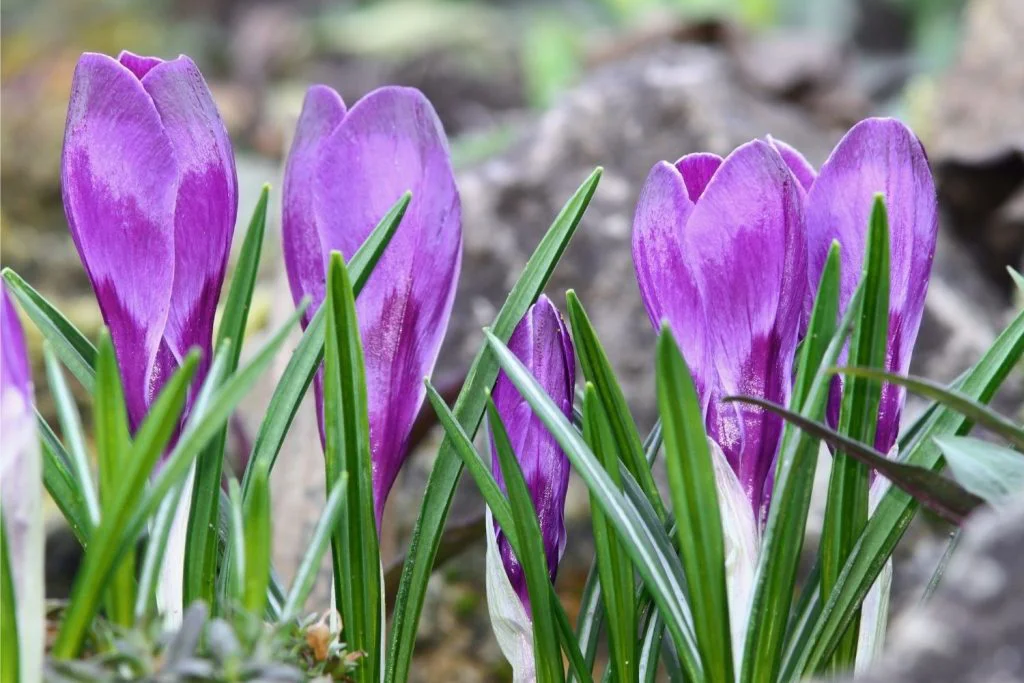
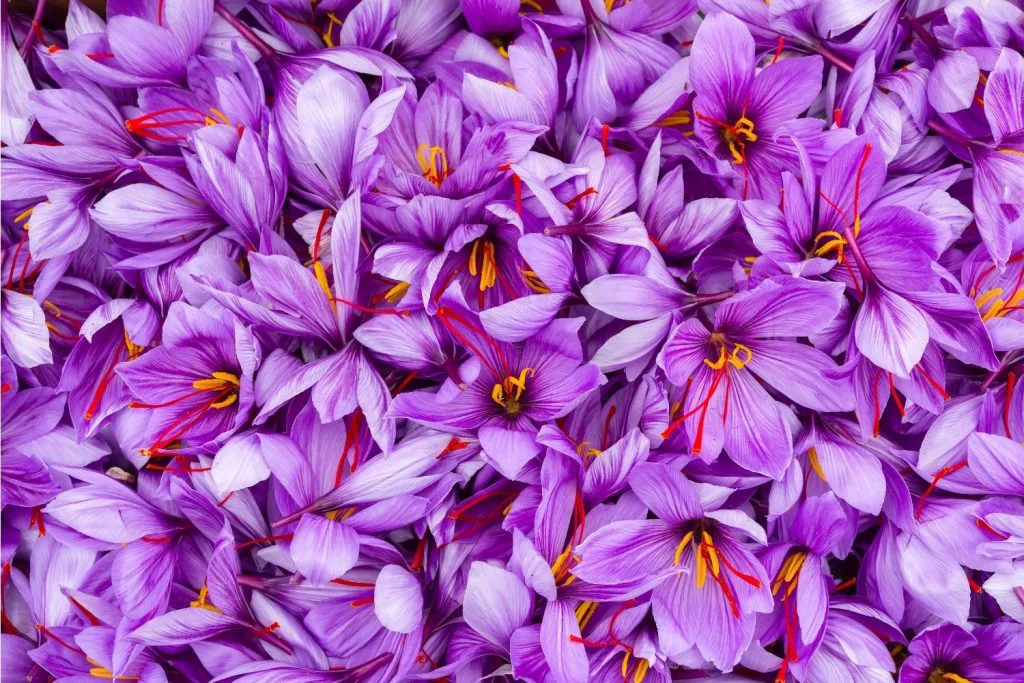
Saffron is known as one of the world's most valuable spices. It is a spice in demand due to its fascinating color, unique aroma, and high cost. Saffron's homeland is Southwest Asia and it is grown especially in countries such as Iran, Italy, France, and Spain. Saffron is generally preferred as a spice used in meals. While it is mostly used as medicine in Anatolian lands, it is frequently included in Indian, Iranian, European, Moroccan, and Central Asian cuisines. The sharp scent and strong color of the spice attract attention. Actually having a reddish color, saffron turns into a yellow color when thrown into water. This feature earned saffron its name from the word "asfar", which means "yellow" in Arabic. Saffron is usually sold as a few strands of thread and should be used carefully. It adds a special flavor to dishes, rice, and soups, as well as desserts. The value and special use of the spice have made it a special and coveted ingredient in kitchens. Most used dishes:
- Saffron is used as a colorant in meat, chicken, and fish dishes; in rice, vegetable dishes, and bakery products.
- It is frequently preferred in milk and semolina desserts.
- Saffron rice, reaching from Ottoman cuisine to the present day, stands out with its golden color.
- Saffron celery soup is a recipe where celery is the main role and saffron adds color and aroma.
For more detailed information, you can take a look at our article.
How is Soilless Saffron Cultivation Done?
Saffron is known as one of the world's most valuable and expensive spices. The saffron plant grown with traditional methods offers a laborious production, and from one decare, on average only 6 kilograms of saffron can be obtained. This means that the production and quantity of saffron are limited. However, soilless farming (hydroponic) methods increase the growth of saffron production and reduce these constraints. Thanks to hydroponic systems, the growth conditions of saffron plants can be fully controlled. All nutrient substances, water, and oxygen necessary for the development of the plants are provided regularly, and efficiency increases.
As a pleasing development in our country, with the joint work of two entrepreneurs in Denizli, Turkey's first saffron production with the soilless vertical farming method has been carried out and the first harvest has been made. We hope that this innovative approach will become widespread and contribute to sustainable agriculture. You can click to reach the details of the news.
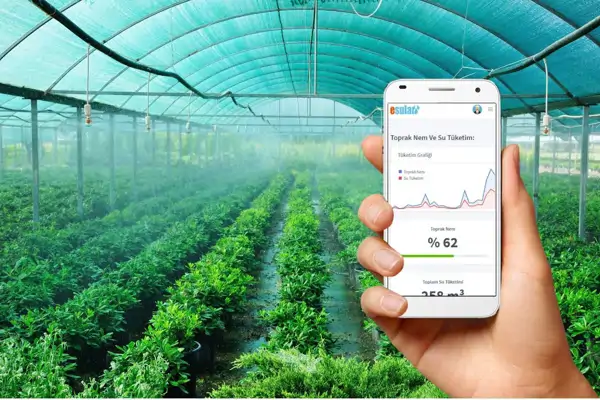
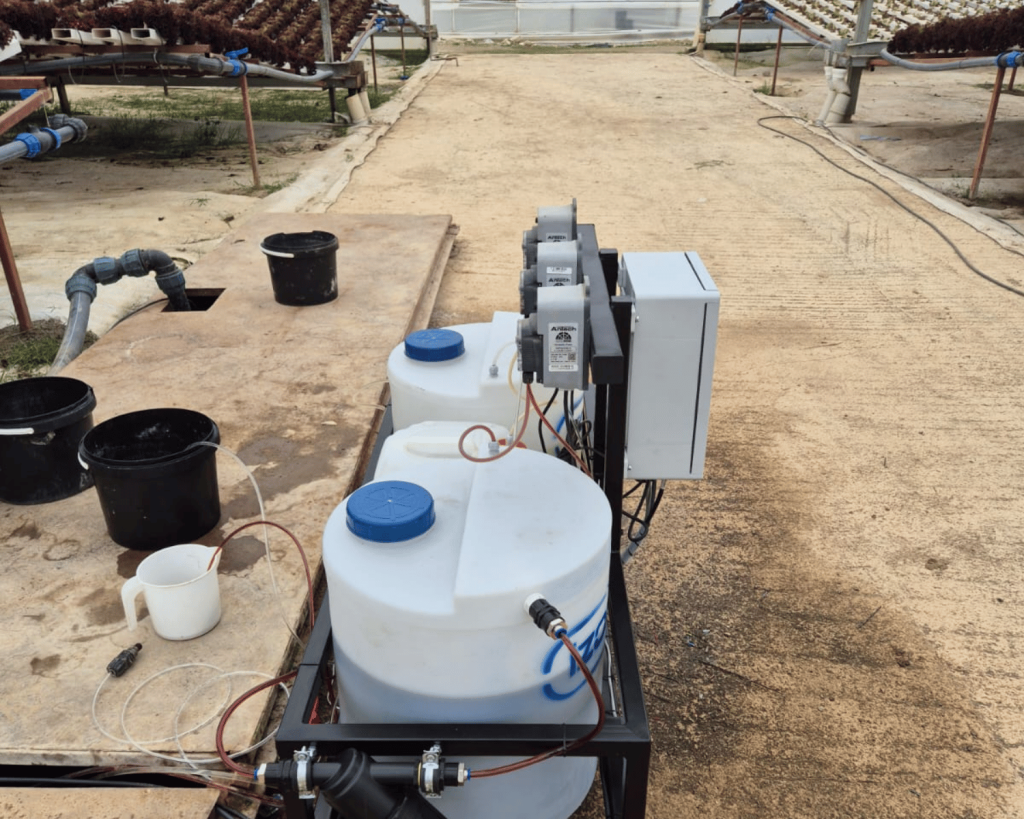
In order to provide suitable conditions in soilless farming, there is a need for an irrigation system, fertilizer tanks, lighting systems, and locations and equipment where the installation will be organized. As esular, we provide remote control of such systems. In greenhouse environments, we can remotely manage fertilization systems, irrigation, lighting, ventilation, humidity, and EC-pH control through our application. Thus, all conditions can be monitored and controlled instantaneously. Now let's take a look at these systems.
Irrigation and Fertilization in Soilless Farming
Plant health in soilless farming is completely dependent on irrigation and fertilization. For this reason, this process needs to be managed quite sensitively. As esular, we aim to make every stage of agriculture more efficient and sustainable with the need-oriented irrigation and fertilization solutions we provide in this field.
Irrigation in soilless farming is extremely important to give the required water and nutrient options at the right time and in the right amount. Our system offers flexible solutions for greenhouses of different sizes. Additionally, as esular, remote access opportunities are offered for irrigation and fertilization processes. Users can control irrigation and fertilization in the system with either manual or automatic mode. Irrigation and fertilization processes can be done simultaneously, or they can be adjusted to be spread over different time periods at certain intervals. In addition to this, thanks to the possibility of performing EC-pH based automatic fertilization, the sensitive nutrient balance needed by the plants can be provided. With these solutions, while providing both water and fertilizer savings, we guarantee the saving of consumed nutrient amounts in correct proportions. The irrigation and fertilization systems we offer as esular increase efficiency in agriculture while also contributing to eco-friendly and sustainable production. For more detailed information on this subject, you can take a look at this article.
EC-pH Monitoring in Soilless Farming
In soilless farming, the monitoring of pH and electrical conductivity (EC) values of the water and nutrient solution is very important for the healthy growth of the plant. These values have a direct effect on plant development. The pH value indicates whether the nutrient solution is acidic or basic. Every plant has its own unique pH requirement, and the pH value should be constantly checked for the plant to develop in the best way. The electrical conductivity (EC) value, on the other hand, expresses the salinity of nutrient solutions, that is, the gained ions. If the EC value is too high, plants may be affected by excessive salt and may not be able to absorb water. Low EC values indicate that nutrient values are deficient and plants cannot be fed sufficiently.
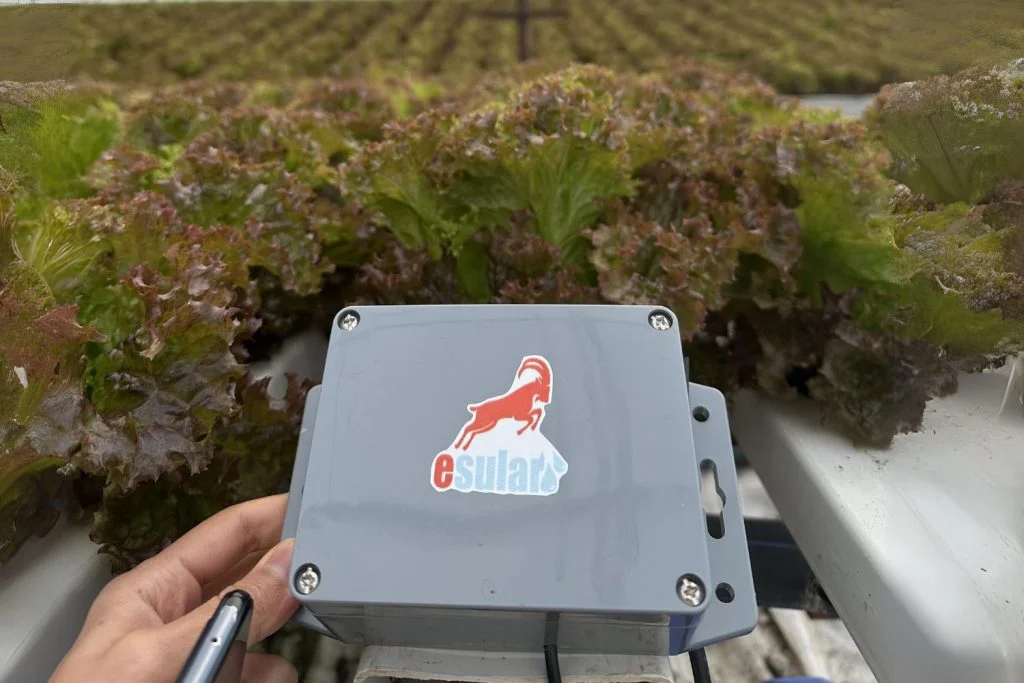
As esular, we provide an advanced sensor system that measures EC and pH values instantaneously. These sensors offer reliable measurements even in difficult environmental conditions such as high pressure. The system presents the data instantaneously via the application, offering users the opportunity for early intervention. esular EC-pH sensor, while making production processes more efficient, also offers a more sustainable and efficient production by optimizing water and nutrient use.
The solutions we offer as esular are not limited to those described in this article. By analyzing the special needs of each project, we design and implement the most suitable smart irrigation and automation systems for you. You can reach us to get detailed information about our solutions developed for your needs and to determine the most suitable system for your projects. As esular, we are always by your side for sustainable success in agriculture.
Click for Soilless Farming Greenhouse Irrigation and Climate Control Solutions.
Kategoriler