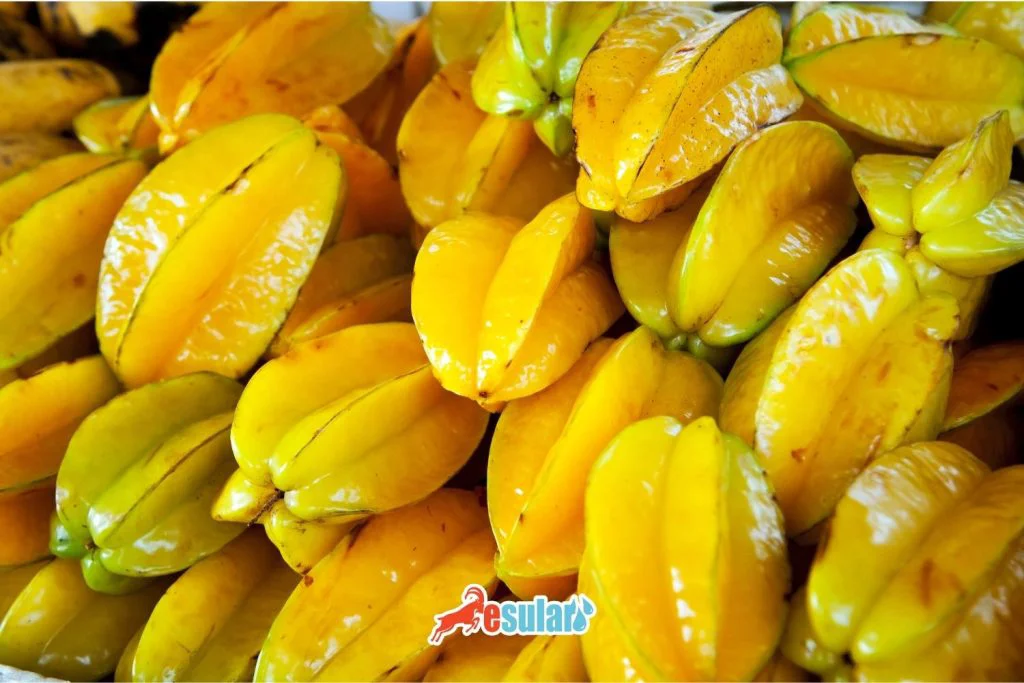
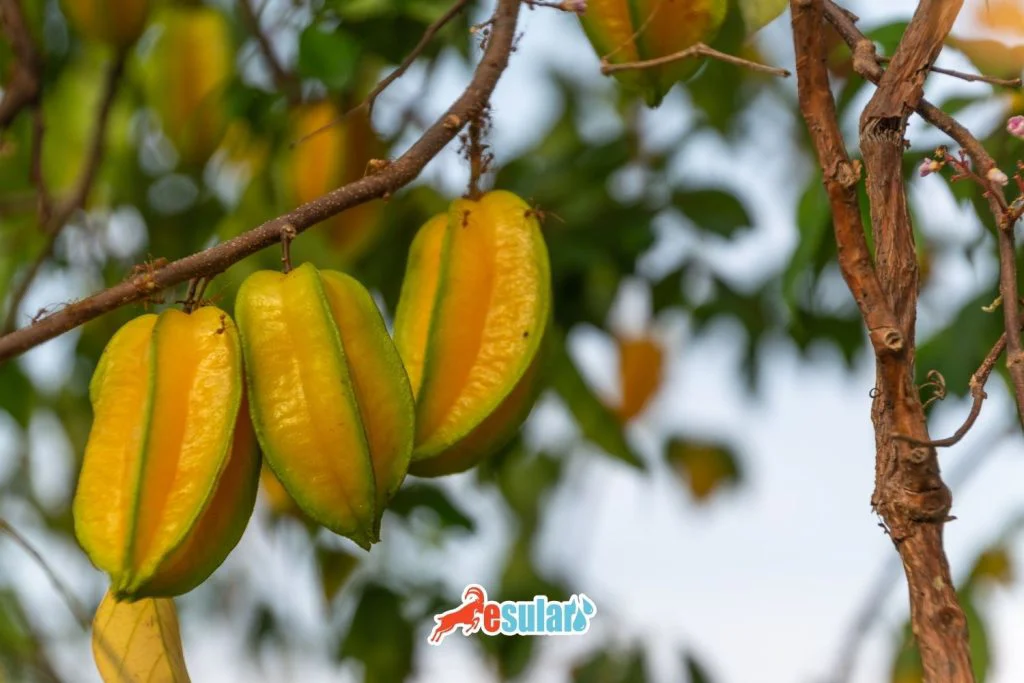
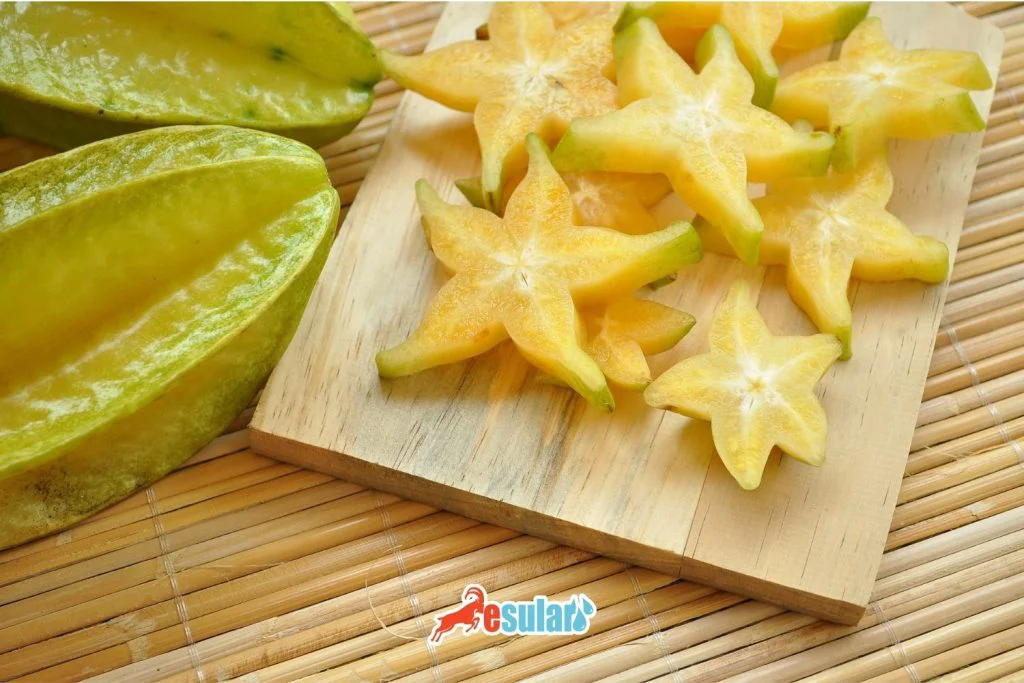
Star fruit, also known as carambola, is a plant that stands out among tropical fruits with its unique flavor and interesting star-shaped cross-section. Particularly grown intensively in Southeast Asia, this fruit has been receiving increasing interest worldwide in recent years. With its slightly acidic taste, rich nutritional content, and aesthetic appearance, it stands out both on tables and for decorative purposes. Star fruit, which has the potential to be grown in regions with suitable climatic conditions in our country, can be a profitable alternative for farmers when correct agricultural techniques are applied.
Star fruit cultivation should be carried out by paying attention to the climate and soil requirements of the plant. This fruit, which loves tropical climates, develops productively with high humidity and a slightly acidic soil structure. In addition, regular irrigation and nutrient supplementation are of critical importance for the healthy growth and fruiting of the plant. These elements, which must be considered at every stage of cultivation, are important for achieving success in star fruit production.
Climate Conditions for Star Fruit Cultivation
Star fruit grows best in hot and humid climates. This tree, which is a natural plant of tropical regions, is quite sensitive to frost events. It can generally be grown easily in regions where temperatures do not drop below 0°C. For ideal growth conditions, regions where average temperatures are between 20-30°C should be preferred. Regions with high humidity are favorable for the growth process of the star fruit. During the cultivation process, it should be ensured that the plant constantly remains in a humid environment. Even during dry periods, the soil should be kept moist by regular irrigation. This is necessary for the healthy growth and fruiting of the plant.
Star fruit develops best in slightly acidic soils. The pH value of the soil should be between 5.5 and 6.5. The acidic soil structure allows the plant to better absorb the nutrients it needs. The ability of the soil to drain water quickly prevents root rot and ensures the plant stays healthy.
Star Fruit Sapling Planting
Pecan fruit sapling planting gives successful results in hot and humid climates and particularly prefers deep, well-drained slightly acidic soils. The planting process is generally carried out in autumn or spring months and wide space should be left for the saplings, because pecan trees have a large root system. In sapling planting, it is important to open the hole wide and deep enough, place the roots properly and fill it carefully with soil. After planting, plenty of irrigation is performed to ensure full contact of the roots with the soil. For the first few years, regular irrigation and if necessary support should be provided, shaping pruning should not be neglected for the proper development of the tree. Pecan trees become productive within a few years under proper care and correct conditions, but they require patience as a long-term investment.
Star Fruit Irrigation and Humidity Management
Irrigation and humidity management are quite important for the healthy development and productive fruiting of star fruit trees. The soil moisture of these trees must be constantly maintained, especially during growth and fruiting periods. The soil should be slightly moist but should not become saturated with water. Irrigation frequency should be adjusted depending on climatic conditions and the water-holding capacity of the soil. Generally, irrigation 2-3 times a week is sufficient in hot and dry weather, while the frequency of irrigation can be reduced during rainy periods. Humidity management is also important for the star fruit tree. These trees prefer high humidity and generally develop best at a humidity rate between 60-80%. To maintain the humidity rate, mulch can be applied around the trees, especially during dry seasons; this preserves the soil's moisture and reduces evaporation. Additionally, during extremely dry periods, water spraying (misting) can be done on the leaves to keep them moist.
Star Fruit Fertilization
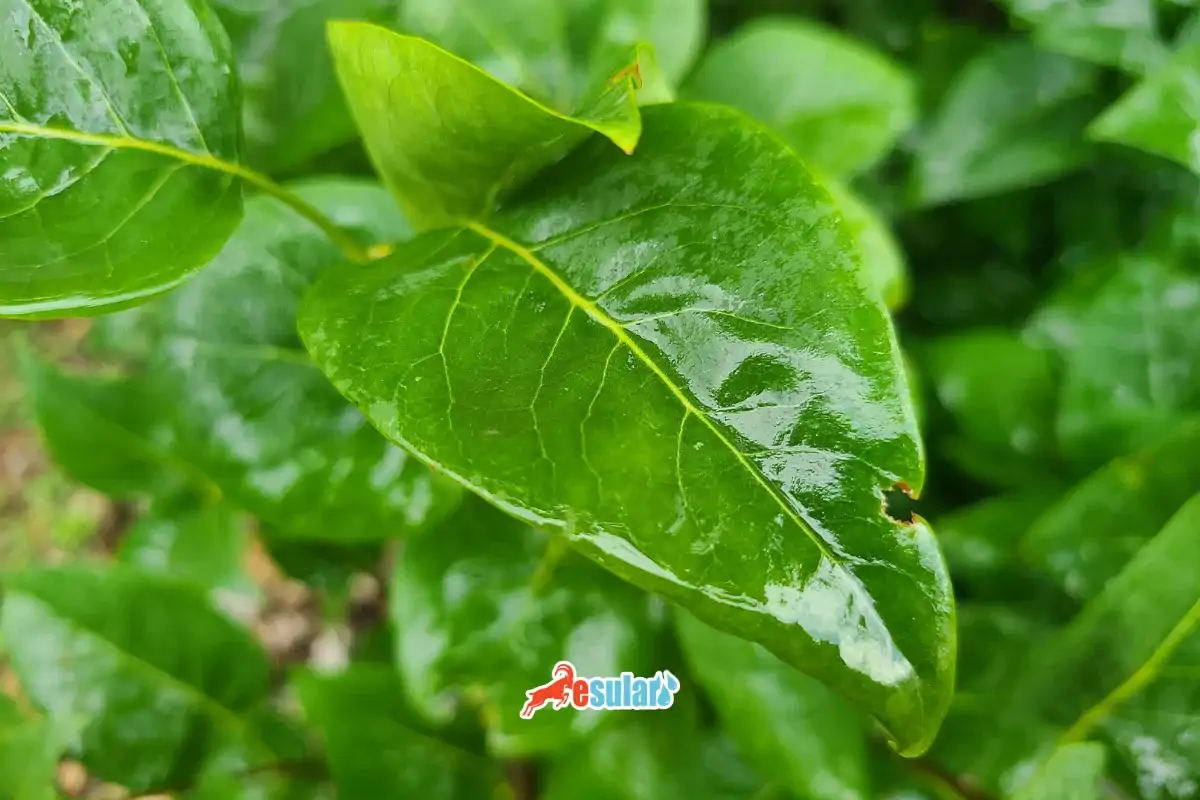
Regular and balanced fertilization is important to obtain high yield from this fruit. During the growth and fruiting periods in spring and summer months, a balanced N-P-K fertilizer (for example 10-10-10 or 14-14-14) should be used. Nitrogen supports leaf and shoot development, while phosphorus encourages root development and flower formation; potassium increases fruit quality. Fertilizer can be applied every 6-8 weeks for saplings and 2-3 times a year for large trees. While granular fertilizers are spread on the soil and mixed with irrigation, liquid fertilizers are used by mixing them into the irrigation water. Determining existing nutrients and completing the missing ones by conducting soil analysis increases the effectiveness of fertilization. Excessive fertilization and contact with leaves should be avoided, and the nutrient balance should be preserved. These practices ensure the healthy growth and abundant fruiting of star fruit trees.
Star Fruit Harvest and Storage
Star fruit (Carambola) harvest and storage should be done carefully to preserve the quality of the fruit and extend its shelf life. The harvest time of the star fruit is determined according to the color, hardness, and sweetness of the fruit. Generally, the fruits are bright yellow or slightly green at the ripening stage, and small brown spots form on them. Fully ripened fruits soften when lightly touched and emit a sweet aroma. During harvest, the fruits should be carefully cut from the tree and collected without being damaged. They are generally cut from the fruit stalk using garden shears or a cutting knife. After being taken from the tree, the fruits should be processed and stored quickly.
Storage conditions are important for preserving the freshness and quality of the star fruit. Harvested fruits should be stored in cold storage at a temperature of 10-12°C and a humidity rate of 85-90%. Under these conditions, the fruits can generally remain fresh for 2-3 weeks. In addition, fruits should be stored in well-ventilated boxes or crates and should not touch each other.
Star Fruit Cultivation in Turkey
Carambola cultivation in Turkey can be successful especially in the Mediterranean and Aegean regions, in areas where hot and humid climatic conditions are suitable. Provinces such as Antalya, Mersin, and Izmir are among the regions with ideal temperature and humidity conditions for star fruit to grow. In these regions, star fruit is generally grown in greenhouses or open areas, in well-drained and slightly acidic soils. The economic value of star fruit is high due to its uniqueness in the tropical fruit market. It can find demand in the local market as well as offering export opportunities. Especially considered a high-value and exotic fruit, star fruit can be an attractive investment for producers who want to increase agricultural diversity and provide a competitive advantage in the tropical fruit market. However, climatic and humidity conditions must be carefully controlled for cultivation to be carried out successfully.