Our farmers face considerable difficulty in identifying which disease is damaging a tea bush. For this reason, it is very important for our farmers to know the diseases. To help everyone learn more, it is necessary for our farmers to make many observations and many trials. Below, we will explain the most well-known tea diseases to you.
Blister Blight Disease in Tea
Symptoms
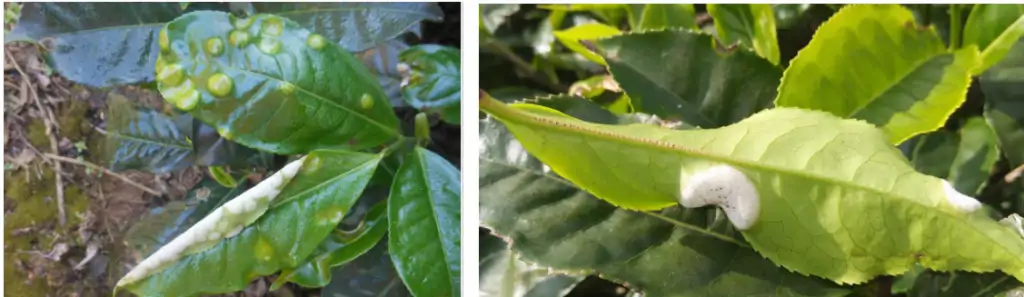
It is the disease with the most easily visible symptoms. Its first symptoms are shiny, gray, or white blisters seen on the leaves. Over time, the blisters swell. The blisters formed on the upper surface of the leaf are pit-like. After the blisters burst, the diseased spots turn violet and then turn brown and shrivel.
Agent
Fungus
Development Conditions of the Disease
The disease develops best in high humidity and moderate temperatures. Especially in mild springs and rainy years, the disease follows a more serious course.
Control Method
Resistant varieties should be preferred. Excessive nitrogen fertilization should be avoided. Infected leaves should be collected and removed from the field.
Wet Leaf Blight in Tea
Symptoms
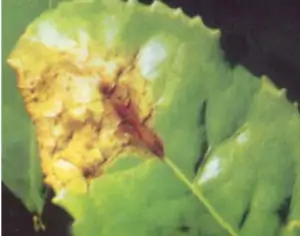
The disease starts as translucent wet-green spots within mature leaves. The spots appear on the edges and tips of the leaves. The spots have a water-soaked appearance and are more common on mature leaves.
Agent
Fungus
Development Conditions of the Disease
The disease is more commonly seen in places with high humidity and long-term rainfall. Low temperature and excessive fertilization exacerbate the disease.
Control Method
Excessive nitrogen fertilization should be avoided. Tea bushes should be planted at intervals. Infected leaves should be collected and destroyed.
Horse Hair Blight in Tea
Symptoms
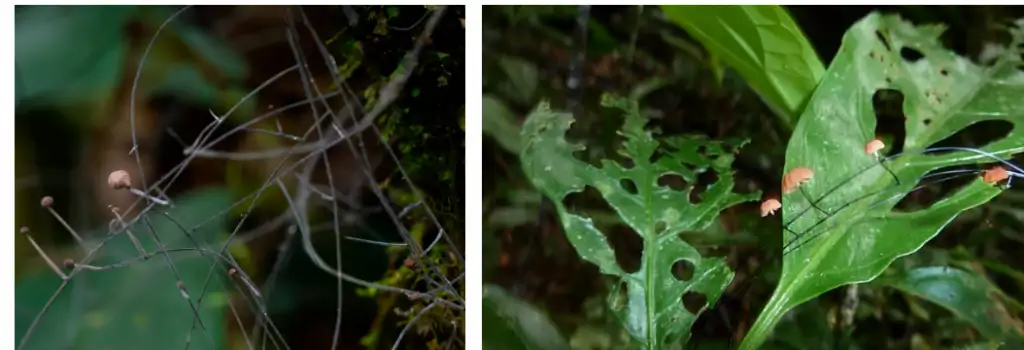
The greatest symptom in diagnosing this disease is the presence of black shiny horse hairs attached to small brown disks on the branches, shoots, and upper parts of the leaves. These hairs can also branch out into several strands on top of the brown disks. Sometimes, small and resilient mushrooms with thin stems also develop on the horse hairs. These mushrooms, which are cap-shaped or cone-shaped, are seen in yellow-brown or red-brown colors.
Agent
Fungus
Development Conditions of the Disease
The fungal spores produced by the horse hair capped mushrooms spread to other tea plants via wind. Moisture and shade are generally required for the spores to sprout; germination of spores that enter into wounds and cracks is easier.
Control Method
The first measure to be taken to protect from the disease is to prevent possible injuries and cracks. To reduce humidity and ensure air circulation, tea bushes should be planted at correct intervals. Excessive shading should be avoided. From the moment the disease is seen, all horse hairs should be collected and removed from the tea bushes.