Tüm Yazılar
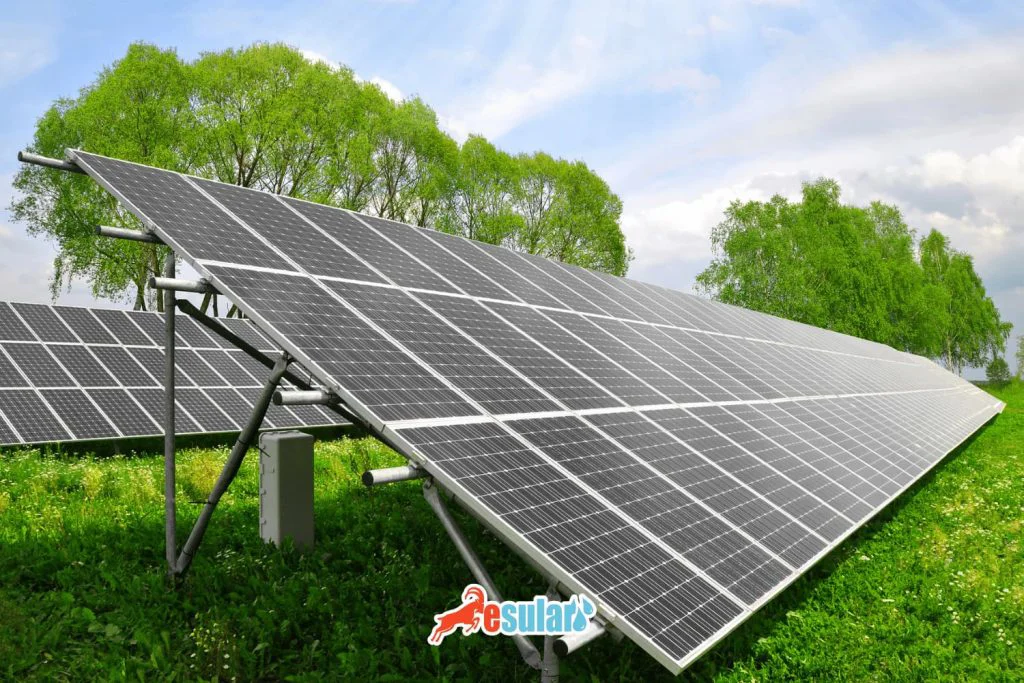
Use of Solar Energy in Agriculture
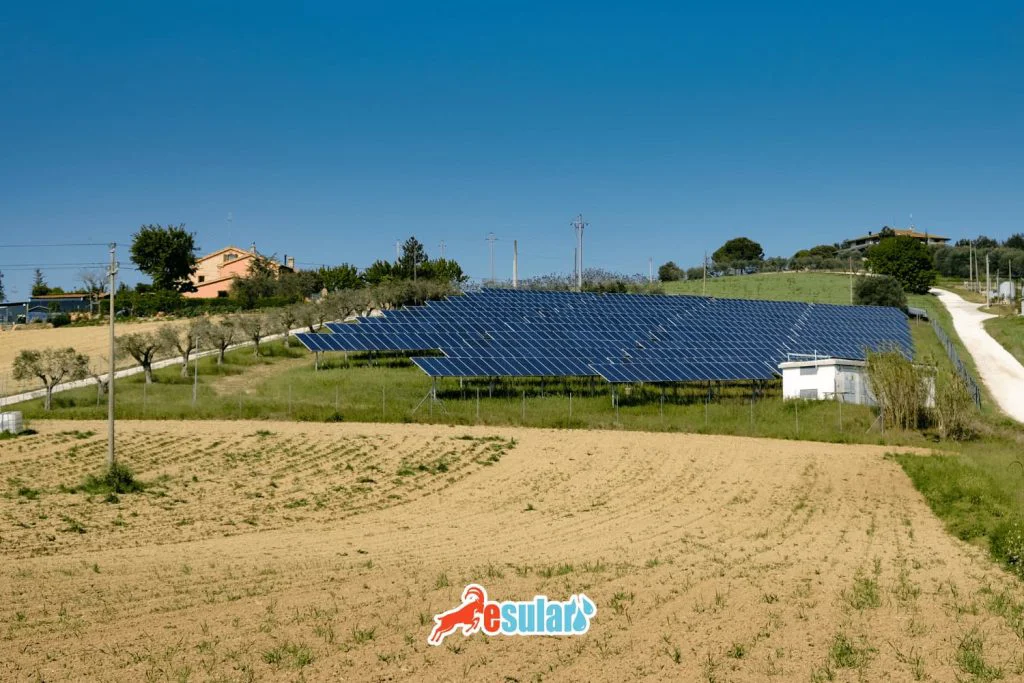
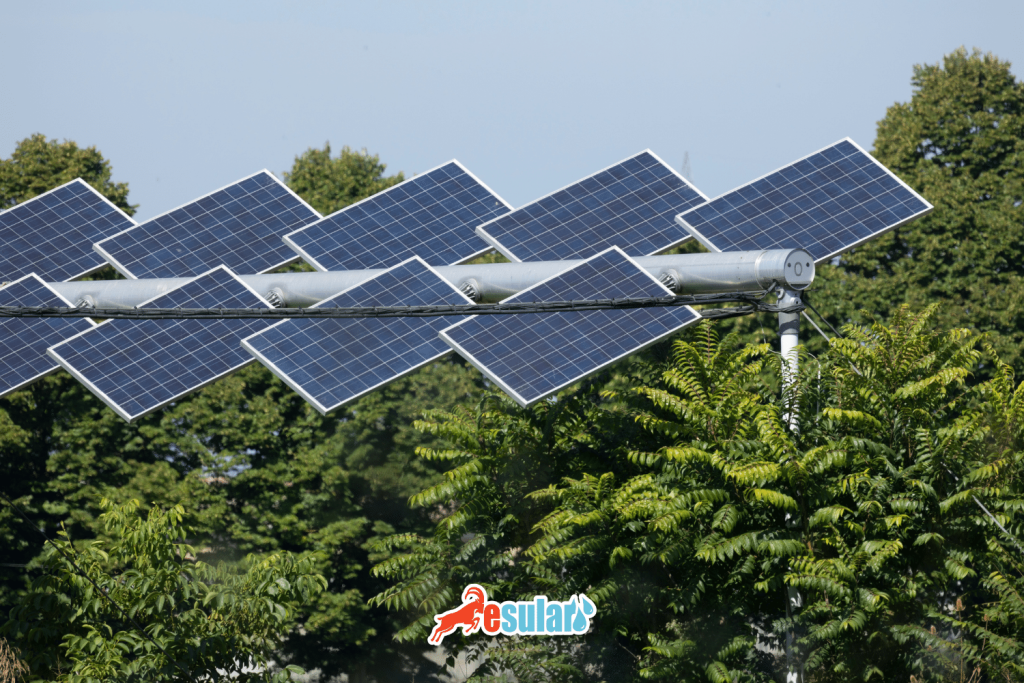
Use of solar energy in agriculture is a striking step towards achieving the sustainability and efficiency goals of modern agriculture. While the sun offers a free and unlimited energy source to agricultural lands, it is possible to capture this energy through solar panels and convert it into electricity. This renewable energy source can be used in a wide range of applications, from irrigation systems to greenhouse heating systems. Solar energy reduces electricity costs in agricultural activities while offering an environmentally friendly solution that reduces the carbon footprint. Additionally, solar energy systems, which are efficient and do not require long-term maintenance, reduce costs in agricultural production while increasing energy efficiency, providing farmers with a competitive advantage. This innovative approach is seen as an important step towards making the agricultural sector more sustainable and leaving a more livable world for future generations. Solar energy has become a symbol of modernization and innovative solutions in agriculture, offering a promising perspective for the agriculture of the future.
What is Solar Energy?
Solar energy is a clean and unlimited energy source obtained from the sun that can be used in various forms. The sun produces incredible amounts of energy every second through massive thermonuclear reactions, and this energy radiates into space. Solar rays reaching the Earth can be converted into electrical energy through photovoltaic panels and used in electricity generation. Additionally, solar heat can be used in many areas such as water heating, heating homes, or generating electricity with steam turbines through thermal energy systems. Solar energy reduces dependence on fossil fuels, protects the environment, and plays an important role for a sustainable future. For this reason, solar energy is becoming an increasingly preferred energy source today.
How is Solar Energy Used in Agriculture?
Solar energy panels can be used to support irrigation systems, greenhouse heating and cooling systems, packaging and packing facilities, cold storage warehouses, and even livestock activities by converting sunlight into electrical energy. Solar-powered irrigation systems save water by using energy obtained from sunlight to optimize irrigation activities. In greenhouse cultivation, solar energy supports greenhouse heating and cooling systems, increasing the growth and yield of crops. Additionally, the use of solar energy in packaging and packing facilities lowers energy costs and ensures products stay fresh for longer. Finally, solar-powered cold storage warehouses ensure the storage of products, minimizing product losses and increasing the incomes of agricultural enterprises. In this way, solar energy has an important role for the future of agricultural production by increasing sustainability and efficiency in agricultural activities.
Agricultural Irrigation with Solar Energy
Agricultural irrigation with solar energy is a method that is becoming increasingly common in modern agricultural practices. Solar energy is a natural energy source obtained from the sun, and photovoltaic (PV) panels are used to convert this energy into electrical energy. These panels produce electricity through semiconductor materials inside them by absorbing sunlight.
Solar-powered irrigation systems generally consist of a set of components. These include solar panels, a water pump, a control unit, pipes, and irrigation equipment. Solar panels capture sunlight and convert it into electrical energy. This electrical energy is used to run the water pump used to draw water from wells or other sources. The control unit manages the irrigation schedule and provides the timing necessary to perform irrigation operations automatically. Pipes and irrigation equipment ensure the distribution of water to agricultural lands.
Esular Solar Paneled Valve Control Unit
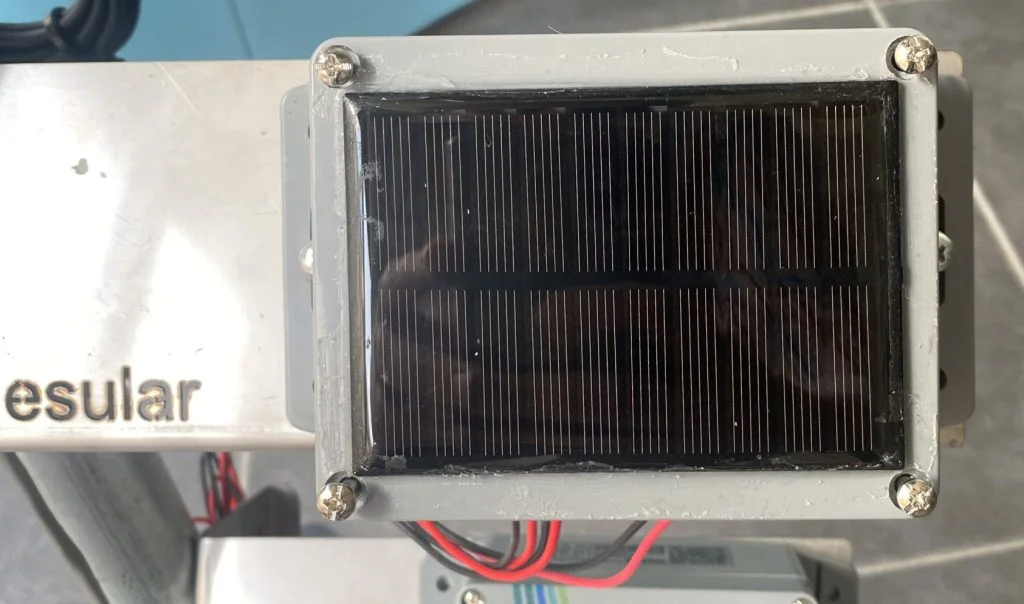
The solar paneled valve control unit is a technological solution that provides modernization and efficiency in agricultural irrigation systems. The unit continuously charges its built-in 3.7V lithium battery by collecting solar energy through the solar panel. In this way, it can operate continuously and reliably without encountering problems such as power outages. The ergonomic and compact design of the unit facilitates installation, while it works integrated with the solenoid valve to automate irrigation processes.
Additionally, thanks to its programmable timer feature, irrigation timing can be precisely adjusted. This offers farmers the opportunity to easily customize irrigation processes according to their needs. The unit can also communicate wirelessly with a central station, allowing users to remotely control and monitor systems. This provides farmers with more flexibility and efficiency. The solar paneled valve control unit offers an environmentally friendly approach because it operates using solar energy and minimizes electricity consumption. Furthermore, it reduces water use by optimizing irrigation processes and helps protect water resources. Therefore, solar paneled valve control units used in agricultural irrigation systems offer farmers a sustainable solution both economically and environmentally.
Use of Solar Energy in Greenhouses
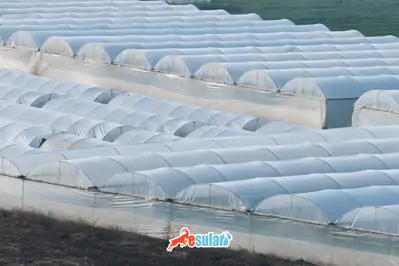
Solar energy is used for various purposes in the field of greenhouse cultivation, and this use provides a range of advantages to farmers. Greenhouse cultivation provides an environment where plant cultivation is kept under control, which increases the better growth and yield of plants. Solar energy is used in greenhouses to meet heating, lighting, and electricity needs.
Heating: Solar panels are mounted on the roof or side walls of the greenhouse to ensure the collection of solar energy. This collected energy is directed to heating systems to increase the internal temperature of the greenhouse. Solar energy is used to provide the temperature required for plant cultivation, especially in cold climates or during the winter season.
Lighting: Greenhouse activities are carried out to increase plants' access to natural light, but sometimes this may not be sufficient, especially in winter months or on cloudy days. In this case, additional light can be provided inside the greenhouse using lighting systems powered by solar energy. This supports the growth of plants and increases yield.
Electricity needs: Greenhouse enterprises generally need electricity, especially for operating irrigation systems and other technological devices. Solar panels can be used to meet this electricity need. Systems powered by solar energy offer farmers the opportunity to save on electricity bills and protect the environment.
Ministry of Agriculture Solar Energy Support
The Ministry of Agriculture provides various incentives and supports to promote the use of solar energy and increase sustainability in agricultural activities. These supports generally include the installation of solar-powered irrigation systems, the integration of greenhouse heating and lighting systems with solar energy, and the installation of solar energy panels to increase the energy efficiency of agricultural enterprises.
The main reasons for encouraging the use of solar energy in the agricultural sector include reducing energy costs, increasing the sustainability of agricultural activities, and reducing environmental impact. Projects such as the installation of solar-powered irrigation systems and greenhouse heating systems offer farmers the opportunity to save on energy costs and increase efficiency.
The Ministry of Agriculture's solar energy support programs are generally offered in the form of grants or low-interest loan programs. These supports help farmers cover the costs of installing and operating solar energy systems. At the same time, the goal is to ensure the sustainability of agricultural activities and take a step in the fight against climate change.
These support programs generally aim to reduce farmers' energy costs, increase efficiency, and reduce environmental impact. Encouraging the use of solar energy in the agricultural sector is an important step to make agricultural production more efficient and provide economic benefits to farmers.
Farmers who want to learn more about the Ministry of Agriculture's solar energy supports can visit the ministry's website or contact local agricultural units. These supports are generally managed at the regional or local level and are subject to certain conditions.
Kategoriler