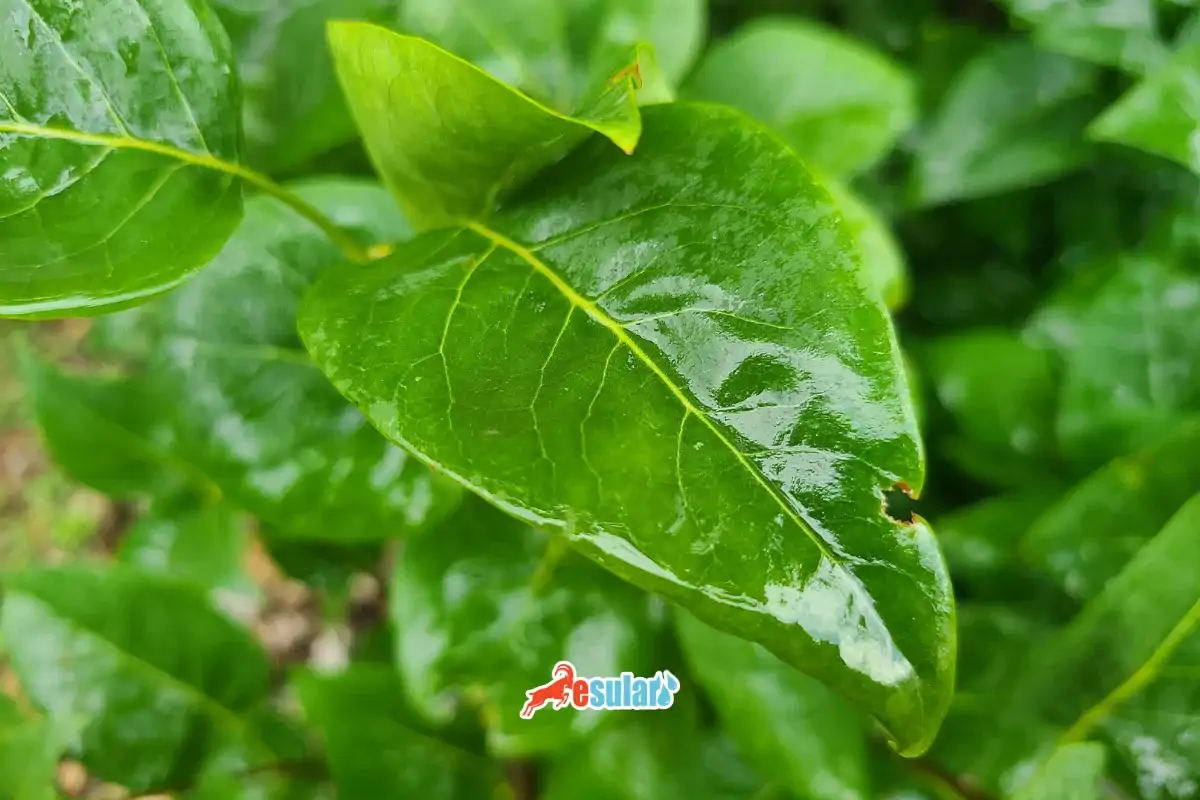
Walnut diseases and pests are not related to whether you are professional in walnut care or not. We must not forget that there are living things in plants and we should intervene in such problems patiently and calmly. In the following article, we will cover common walnut diseases.
Anthracnose in Walnut
Symptoms
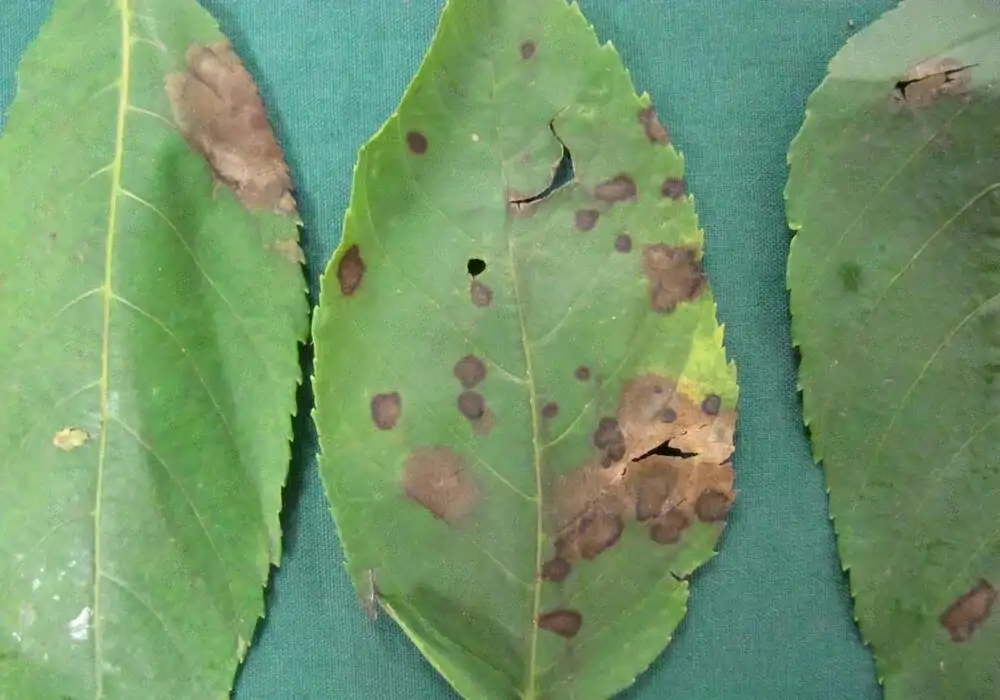
Brown to black lesions are seen on leaves, petioles, shoots, and husks, which can be surrounded by a chlorotic halo fading towards the center. Spots can often merge to form large necrotic patches located near the leaf margins. Lesions on shoots, petioles, and leaf midribs elongate and collapse.
Agent
Fungal
Disease Development Conditions
In rainy summer seasons when the temperature difference between day and night is high, dew falling in the morning hours causes the disease to spread rapidly.
Control Method
Leaves fallen to the ground, which are the source of the disease, should be collected and burned or buried deep in the autumn. In addition, branches from previous years with disease spots and deep wounds should be pruned and removed.
Armillaria Root Rot in Walnut
Symptoms
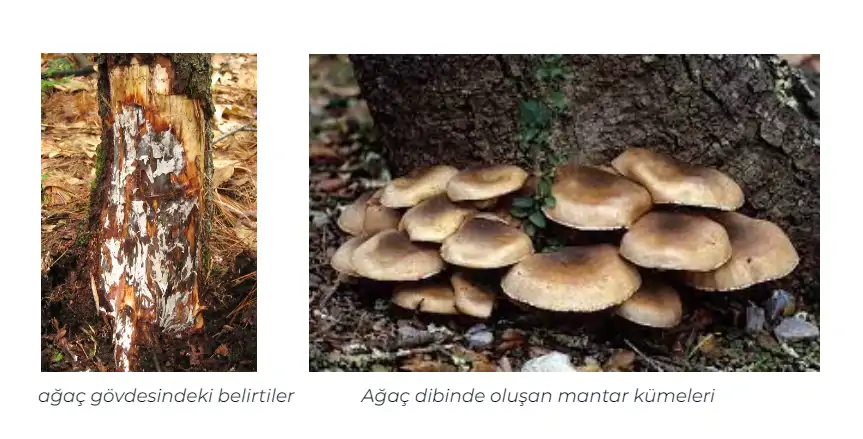
Small, discolored leaves that drop early; death of branches; death of the plant; honey-colored mushroom clusters may sprout at the base of the plant.
Agent
Fungal
Disease Development Conditions
The fungus survives on dead roots in the soil.
Control Method
Diseased or dead plants should be uprooted and removed from the field. The most effective method in protection from the disease is planting resistant rootstocks. Trees should not be planted deep, should not be over-irrigated, and care should be taken not to injure the roots.
Crown Gall in Walnut
Symptoms
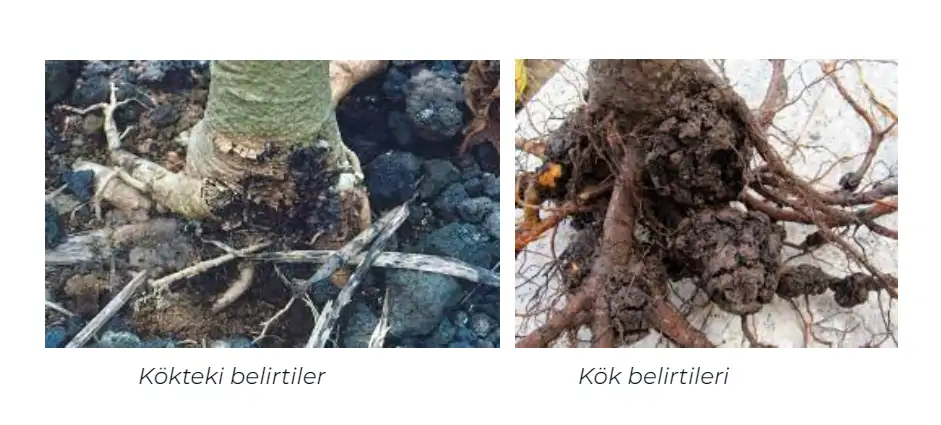
Galls of various sizes form on the roots and root crown below the soil line and can sometimes grow on the trunk; galls are initially light-colored protrusions that become larger and darker. Galls can be soft and spongy or hard; if wilting is severe and encircles the trunk, then young trees weaken due to constricted vascular tissue, trees can be stunted and rarely die.
Agent
Bacteria
Disease Development Conditions
The bacteria enter host plants through wounds and cause plant cells to multiply and differentiate, leading to gall formation.
Control Method
When establishing a nursery, it should first be checked whether the nursery soil is contaminated with this bacteria. Contaminated plants seen in gardens should be uprooted and destroyed. Injury to plants should be avoided.
Walnut Blight
Symptoms
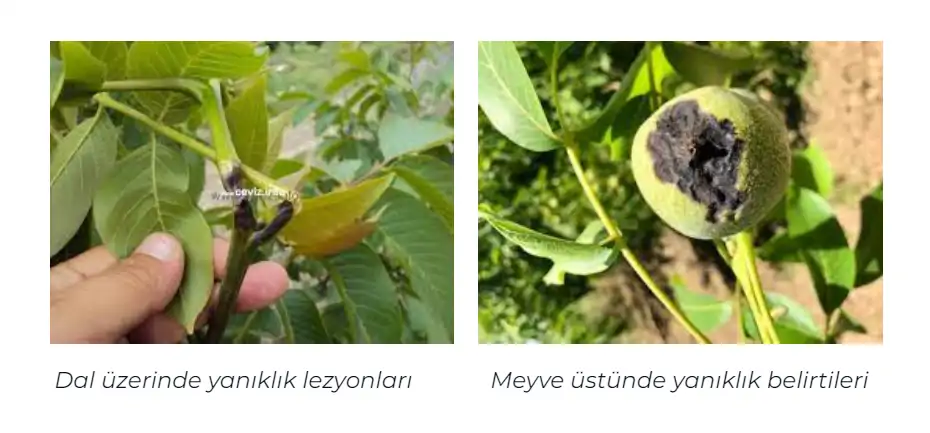
Small, water-soaked spots form on immature fruits, which darken and grow rapidly. If infection occurs before the husk hardens, the kernels shrivel; infections occurring later may cause kernel discoloration, but the fungus usually does not invade the kernel. Lesions can encircle the trunk and kill the shoot; lesions can form on the bark and also extend towards the pith, causing canker formation; lesions on leaves are brown with a green-yellow border; leaf lesions can merge to form large necrotic areas.
Agent
Bacteria
Disease Development Conditions
Bacteria spend the winter in dormant buds; following bud break the next year, the bacteria infect surrounding leaves and young fruits; the occurrence of walnut blight is favored by periods of wet weather.
Control Method
The primary method of controlling walnut blight is the application of bactericides containing copper; bactericides should be applied weekly during periods of wet weather to protect new growth.