What is a Water Quality Sensor and Why is it Vital?
In the modern world, the protection and efficient use of water resources is not only an environmental responsibility but also an economic necessity. Especially in agricultural production and industrial processes, the quality of the water used directly determines the quality of the final product. This is where water quality sensor technologies come into play. A water quality sensor is a high-tech device that monitors the physical, chemical, and biological properties of water in real-time and transfers this data to digital platforms.
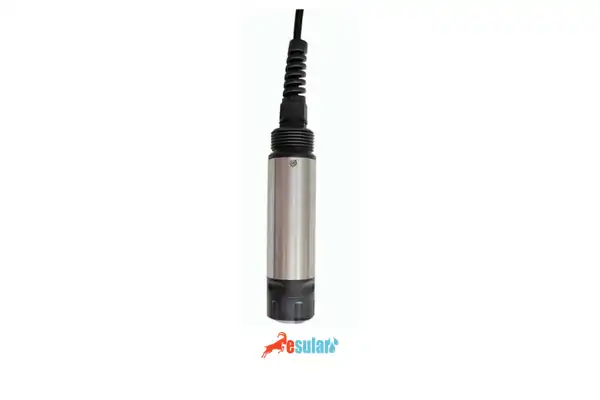
As Esular, with our vision of being the pioneer of digital transformation in agriculture, we know the value of every drop of water. Controlling not only the quantity but also the quality of water is fundamental to protecting plant health, increasing fertilizer efficiency, and building a sustainable future. These sensors, which play a central role in smart farming systems, can measure critical parameters such as pH, EC (electrical conductivity), dissolved oxygen, and temperature within seconds.
Manual measurements made with traditional methods are both time-consuming and open to human error. However, wireless sensors working integrated with Esular smart irrigation solutions become the digital eye of your business by providing a 24/7 continuous data flow. In this guide, we will examine everything in depth, from the technical details of water quality sensors to their application areas, from the importance of pH and EC balance to IoT-based monitoring systems.
Basic Tasks of Water Quality Sensors:
- Continuously monitor the chemical balance (pH) of water
- Determine the amount of dissolved minerals and salts (EC) in water
- Measure the dissolved oxygen level, which is vital for plant roots or aquatic organisms
- Track the effect of temperature changes on chemical reactions
- Provide early detection of harmful pollutants or anomaly situations
Critical Parameter 1: pH Sensor and Chemical Balance
pH (Power of Hydrogen) is a unit of measurement that expresses the degree of acidity or alkalinity of a solution. It is evaluated on a scale between 0 and 14; 7 is considered neutral, below 7 is acidic, and above 7 is basic (alkaline). In agricultural irrigation and especially in soilless agriculture (hydroponics), the pH value of water directly affects the plant's capacity to take up nutrient elements.
For many plants, the ideal irrigation water pH range is between 5.5 and 6.5. If the pH goes outside this range, the nutrient elements provided through fertilization cannot dissolve in water and cannot be absorbed by the plant. This situation is called "nutrient lockout." Using a pH sensor is the most effective way to prevent such disasters. The high-precision sensors offered by Esular instantly detect even the smallest changes in the water's acidity level and send a signal to the automation system.
Harms of pH Imbalance:
- Inability of nutrient elements (nitrogen, phosphorus, potassium, etc.) to be taken up by the plant
- Formation of toxic accumulations in the root zone
- Slowing of plant growth rate and leaf deterioration
- Risk of calcification or corrosion in irrigation systems and pipes
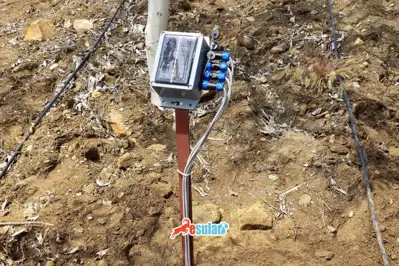
Technically, pH measurement is based on measuring the potential difference between a reference electrode and a measuring electrode. Temperature compensation is very important in this process; because as temperature changes, ion mobility also changes. Esular's wireless battery-powered pH-EC-temperature sensor provides the most accurate data by performing this compensation automatically.
Critical Parameter 2: EC Sensor and Fertilization Management
EC (Electrical Conductivity) expresses the electrical conductivity of water. Pure water does not conduct electricity; as dissolved salts and minerals in water increase, conductivity also increases. In agriculture, the EC value allows us to understand the total amount of fertilizer in the irrigation water and the salinity rate of the water. EC monitoring is vital, especially in soilless agriculture fertilization processes.
A high EC value indicates that there is too much salt (fertilizer) in the water. This situation causes osmotic stress in plant roots, making it difficult for the plant to draw water and causing the roots to burn. Low EC means the plant is starving. An EC sensor allows you to perform precise fertilization by presenting the nutrient density in the water as digital data.
Advantages of EC Measurement:
- Cost savings with precise fertilizer dosing
- Keeping soil and water salinity under control
- Customized feeding according to plant species and development stage
- Minimizing the damage caused by excessive fertilization to groundwater
In an enterprise equipped with Esular technology, data from the EC sensor is transferred directly to the Smart Agro series automatic liquid fertilization system. The system automatically adjusts the fertilizer injection until the target EC value is reached. This is a real example of automation that minimizes human intervention.
Critical Parameter 3: Dissolved Oxygen (DO) and Root Health
Although usually only pH and EC come to mind when water quality is mentioned, the dissolved oxygen parameter is a decisive factor, especially in modern agricultural techniques. Plant roots need oxygen as much as they need water to breathe. When the oxygen level in the water drops, an anaerobic (oxygen-free) environment occurs in the roots, which leads to the development of pathogens and root rot.
Dissolved oxygen sensors measure free oxygen molecules in water. Especially in stagnant water systems or high-temperature waters, the oxygen level can drop rapidly. For more details, you can review our dissolved oxygen sensor guide. According to FAO (Food and Agriculture Organization) data, optimized oxygen levels can increase plant yield by up to 20%. You can access more academic information on this subject from FAO sources.
The Effect of Temperature on Water Quality
Temperature is a fundamental variable that affects all chemical properties of water. As water warms up, its dissolved oxygen carrying capacity decreases, the chemical reaction rate increases, and the response time of pH electrodes changes. Therefore, every professional water quality sensor must include a temperature probe.
Esular's water and liquid temperature sensor not only measures the temperature of the water but also calibrates the data to confirm the accuracy of pH and EC measurements. This is critical for maintaining precision, especially in greenhouses where day and night temperature differences are high.
Esular Wireless Sensor Technology: IoT and Efficiency
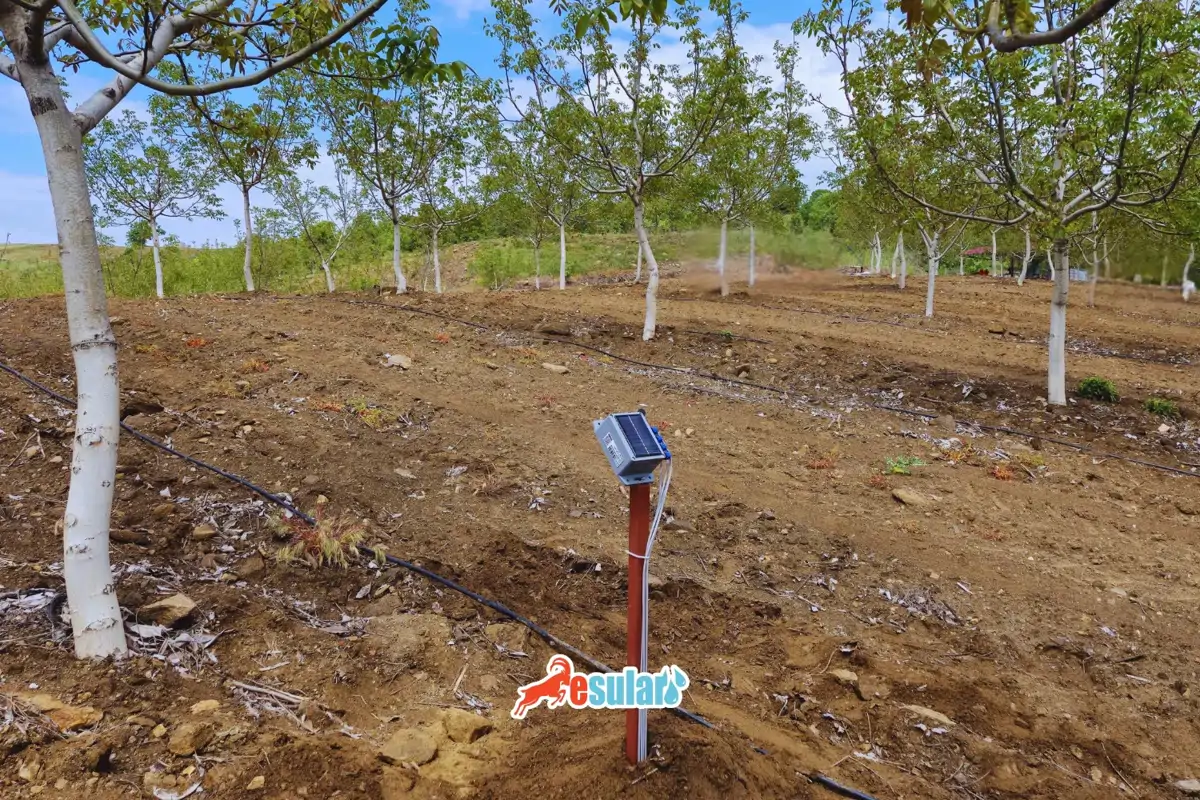
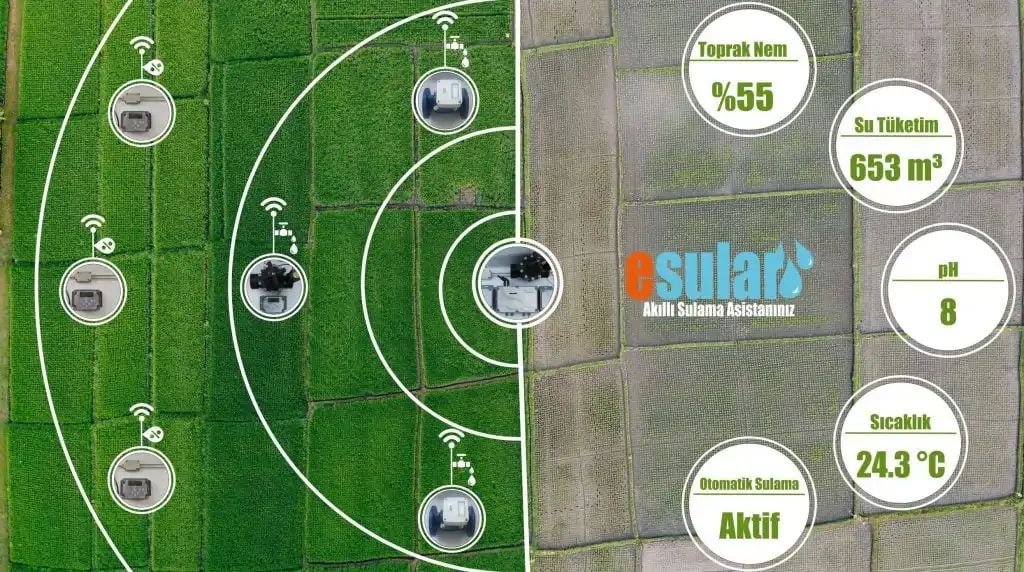
Traditional wired sensor systems create installation difficulties and high costs in large agricultural lands or complex greenhouse structures. The LoRa-based wireless sensors we developed as Esular are low-power consumption and extremely durable devices capable of data transmission from kilometers away.
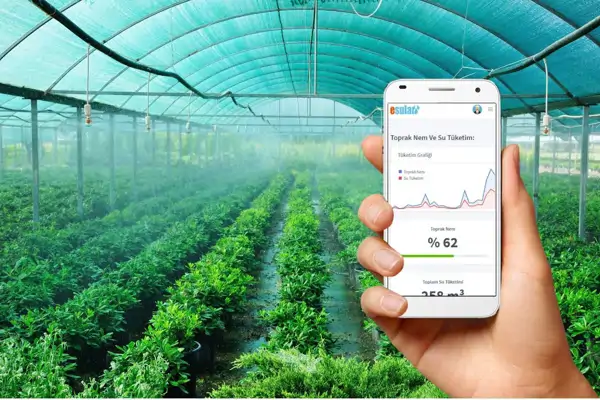
The real value of a water quality sensor is measured by how quickly and easily the data it provides can be analyzed. Thanks to Esular cloud-based management software, you can track the quality of the water in your field from your mobile phone even if you are on the other side of the world. If pH or EC values go outside the threshold values you set, the system sends you an instant notification.
Highlights of Esular Wireless Sensors:
- Long Range: Communication up to 10-15 km in open areas with LoRaWAN technology
- Low Power Consumption: Opportunity to work for years with a single battery
- IP68 Durability: Completely waterproof and body resistant to outdoor conditions
- Easy Installation: Commissioning in minutes without the trouble of pulling cables
- Precise Calibration: Factory-set high accuracy and easy field calibration
Application Areas of Water Quality Sensors
Water quality sensors are not only in large farms but have a critical role in every area where water is used. Here are the basic application areas:
1. Smart Greenhouses and Hydroponic Systems
The margin of error in greenhouse production is very low. Since plants grow in a limited root volume, a small deviation in water quality can affect the entire crop. Sensors integrated into greenhouse automation systems regulate the content of the water according to the current needs of the plant. Especially in soilless agriculture, it is mandatory to check the quality in every cycle of the water.
2. Industrial Wastewater Management
The water discharged by factories and industrial facilities must comply with environmental regulations. In accordance with the Republic of Türkiye Ministry of Agriculture and Forestry and environmental legislation, the pH and pollution values of wastewater must be continuously monitored. Esular sensors automate these processes, protecting businesses from the risk of penalties.
3. Pool and Water Tank Monitoring
In swimming pools, irrigation pools, and drinking water tanks, water must be kept safe hygienically and chemically. Sensors working integrated with the wireless pool filling control system manage water quality along with water level.
4. Fish Farms and Aquaponics
Aquatic organisms are extremely sensitive to parameter changes in water. Dropping of dissolved oxygen below critical levels can lead to mass deaths. Therefore, the use of a water quality sensor is a safety layer in aquaculture facilities.
Sensor Maintenance and Calibration: The Key to Accurate Data
Being technological alone is not enough for a sensor; regular maintenance and calibration are essential for long-term accuracy. Especially pH electrodes age over time and can lose their sensitivity. Esular systems are designed to warn the user when calibration time comes.
Tips for Maintenance:
- Periodically rinse sensor tips with clean water
- Use special cleaning solutions to prevent algae or scale buildup
- Never leave the pH sensor dry; store it in storage solution
- Always use fresh and standard calibration fluids when calibrating
Products such as the soil pH-EC sensor offered by Esular have passed durability tests and are manufactured to require minimum maintenance even in the most demanding field conditions.
Technology of the Future: AI-Powered Water Analysis
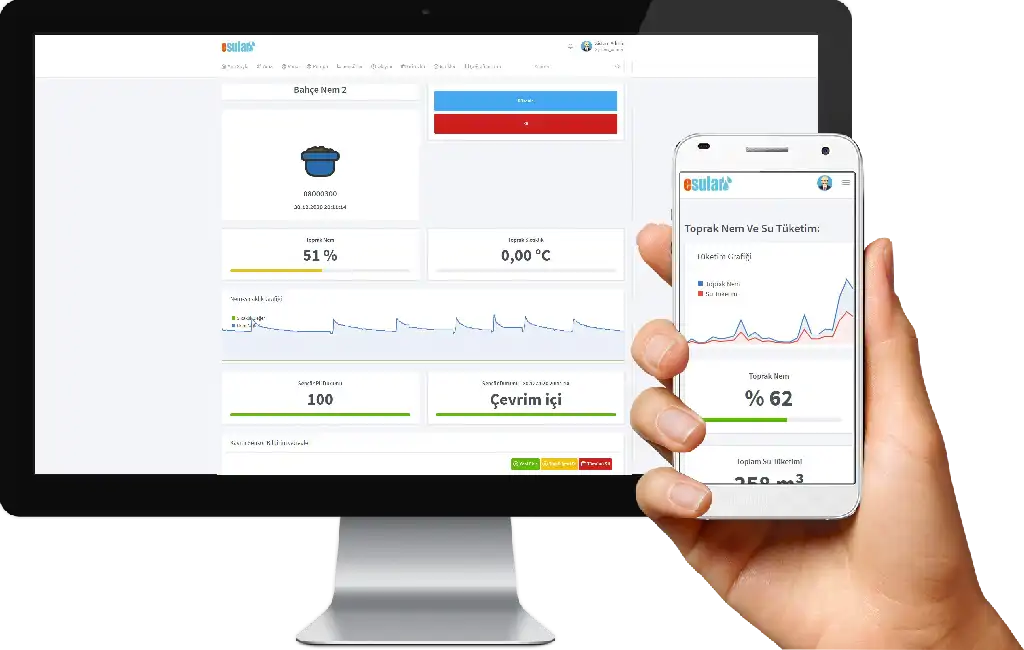
Data from water quality sensors not only shows the current status but can also be used to predict possible future problems. Esular's AI-powered irrigation systems can detect deterioration trends in water quality by analyzing historical data. For example, a sudden rise in EC value could signal a fertilizer leak or contamination in the water source.
Our technology turns agriculture from a guessing game into a data-driven engineering discipline. Managing an enterprise at Agriculture 4.0 standards involves mastering every parameter of your water.
Conclusion: Guarantee Your Water Quality with Esular
Water quality sensors are an indispensable part of modern agriculture and industry. Monitoring data such as pH, EC, dissolved oxygen, and temperature instantly not only increases efficiency but also protects the environment by preventing waste of resources. With the innovative, wireless, and IoT-based solutions offered by Esular, control of your water is completely in your hands.
Meet Esular technologies to take a step towards digitalization in your business, optimize yield, and minimize risks. If you cannot measure your water quality, you cannot manage it. Measure, analyze, and win with Esular.
For more information, you can also check out our related articles below: