Tüm Yazılar

What Are Smart Farming Technologies?
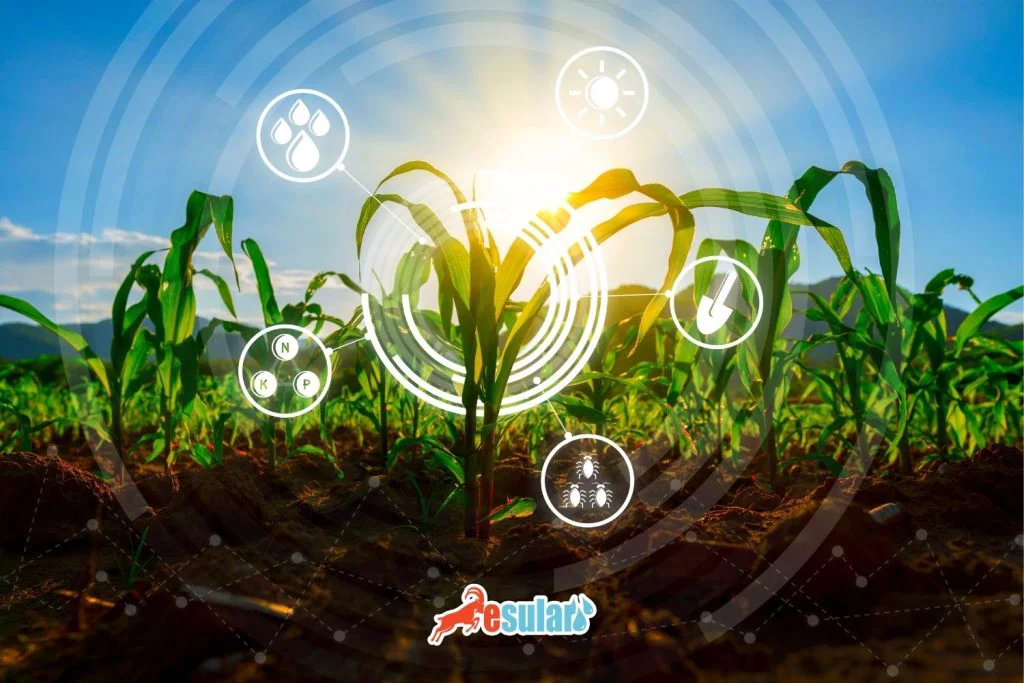
Smart farming technologies offer innovative solutions that bring the agricultural sector into the digital age. By using digital technologies and data analytics, they aim to optimize agricultural production, minimize resource use, and improve farmers' decision-making processes. Thanks to advanced technologies such as sensors, drones, satellite imaging, the internet of things (IoT), and artificial intelligence, the status of agricultural lands can be monitored in real-time, accurate data about plant and soil health can be obtained, and the most suitable irrigation, fertilization, and harvest times can be determined in light of this data. Smart farming technologies make revolutionary changes in agricultural production, making it possible for farmers to obtain more products with fewer resources and ensure environmental sustainability. These technologies, in addition to increasing agricultural productivity, reduce the workload of farmers and shape the future of agriculture. Stepping into the agriculture of the future today with smart farming will provide great benefits both economically and environmentally.
What is Smart Farming?
Smart farming is an agricultural practice that aims to increase efficiency, reduce costs, and ensure sustainability through the use of digital and technological innovations in agricultural production processes. This technology-based approach offers farmers the opportunity to monitor and manage many factors such as soil, plants, weather, and pests. Smart farming aims to create a more efficient and effective production structure by providing digital transformation in the agricultural sector.
What Are the Components of Smart Farming?
Smart farming is an approach that makes agricultural production more efficient and sustainable through the use of technological tools and methods. Its main components are:
- Sensors and IoT Devices: Monitors soil, plant, and climate conditions and collects data.
- Smart Irrigation Systems: Optimizes irrigation timing and quantity.
- Satellite and Drone Technologies: Performs field monitoring, mapping, planting, spraying, and fertilization processes.
- Data Analytics and Artificial Intelligence: Analyzes data to provide insights into disease risks, weather forecasts, and crop productivity.
- GPS and Geographic Information Systems (GIS): Used for precision farming applications.
- Robotics and Automation: Performs automatic planting, harvesting, spraying, and fertilization.
- Software and Mobile Applications: Provides farm management and field data collection functions.
- Blockchain Technology: Increases supply chain traceability and food safety.
- Energy Management Systems: Ensures renewable energy use and energy efficiency.
- Smart Storage and Logistics: Monitors and manages product storage conditions.
- Precision Farming: Performs accurate planting, fertilization, and spraying applications.
- Climate and Weather Models: Offers predictions for planting and harvest timing.
These components aim to transform the agricultural sector by increasing the efficiency of agricultural activities, lowering costs, and reducing environmental impacts.
What Are the Benefits of Smart Farming?
Smart farming is an approach that aims to increase efficiency with the integration of technology in the agricultural sector. Going beyond traditional farming methods, it offers various advantages to farmers. These advantages include obtaining higher yields, reducing fertilizer and spraying costs, increasing product quality, and environmentally sensitive farming practices. Thanks to smart farming, the monitoring and management of agricultural activities become easier; realistic cost calculations can be made with real-time data. In addition, protection and tracking processes during harvest periods can be managed more effectively. This approach solves problems that are difficult to intervene in traditional agriculture and encourages innovative practices in agricultural production. For example, it enables the spread of modern techniques such as soilless farming, thereby increasing the sustainability and productivity of agriculture.
Smart farming also offers a vision that includes strategic planning and technological innovations for the future of the agricultural sector. In this way, agricultural production processes become more predictable and offer the potential to provide long-term economic gains to farmers. Consequently, smart farming represents a new era in which modern agriculture has evolved, benefiting both farmers and consumers.
What Are Smart Farming Applications?
Smart farming technologies include various applications that increase efficiency through the use of technology in agricultural production. Here are some smart farming applications:
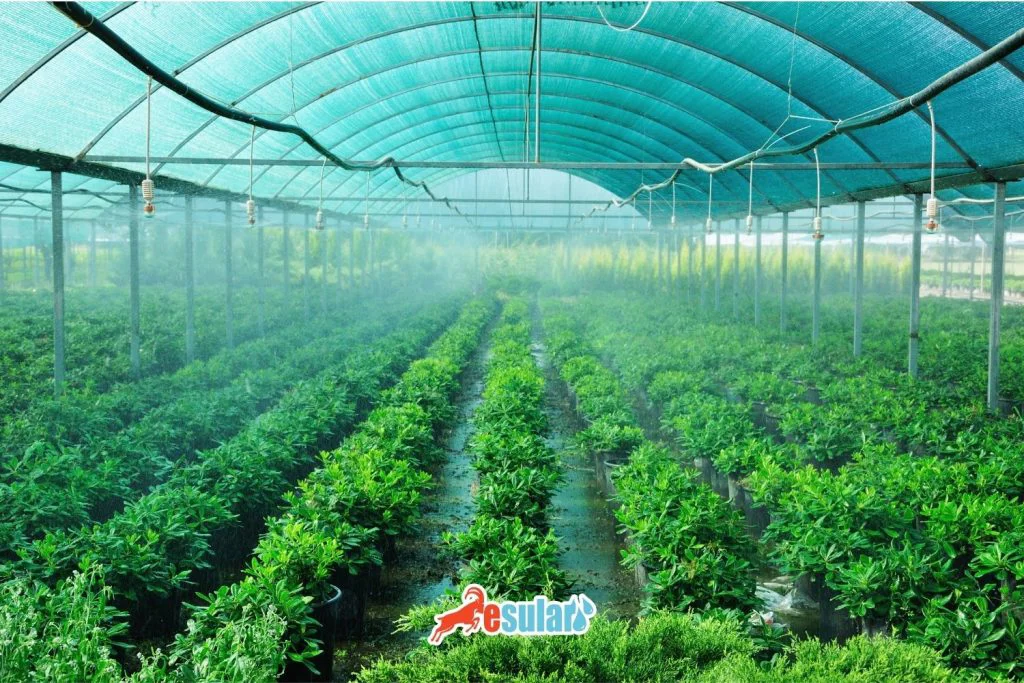
Smart Irrigation Systems: Systems that determine the water needs of plants using soil moisture sensors or weather data and automatically adjust irrigation systems accordingly. In this way, water use is optimized and water resources are protected.
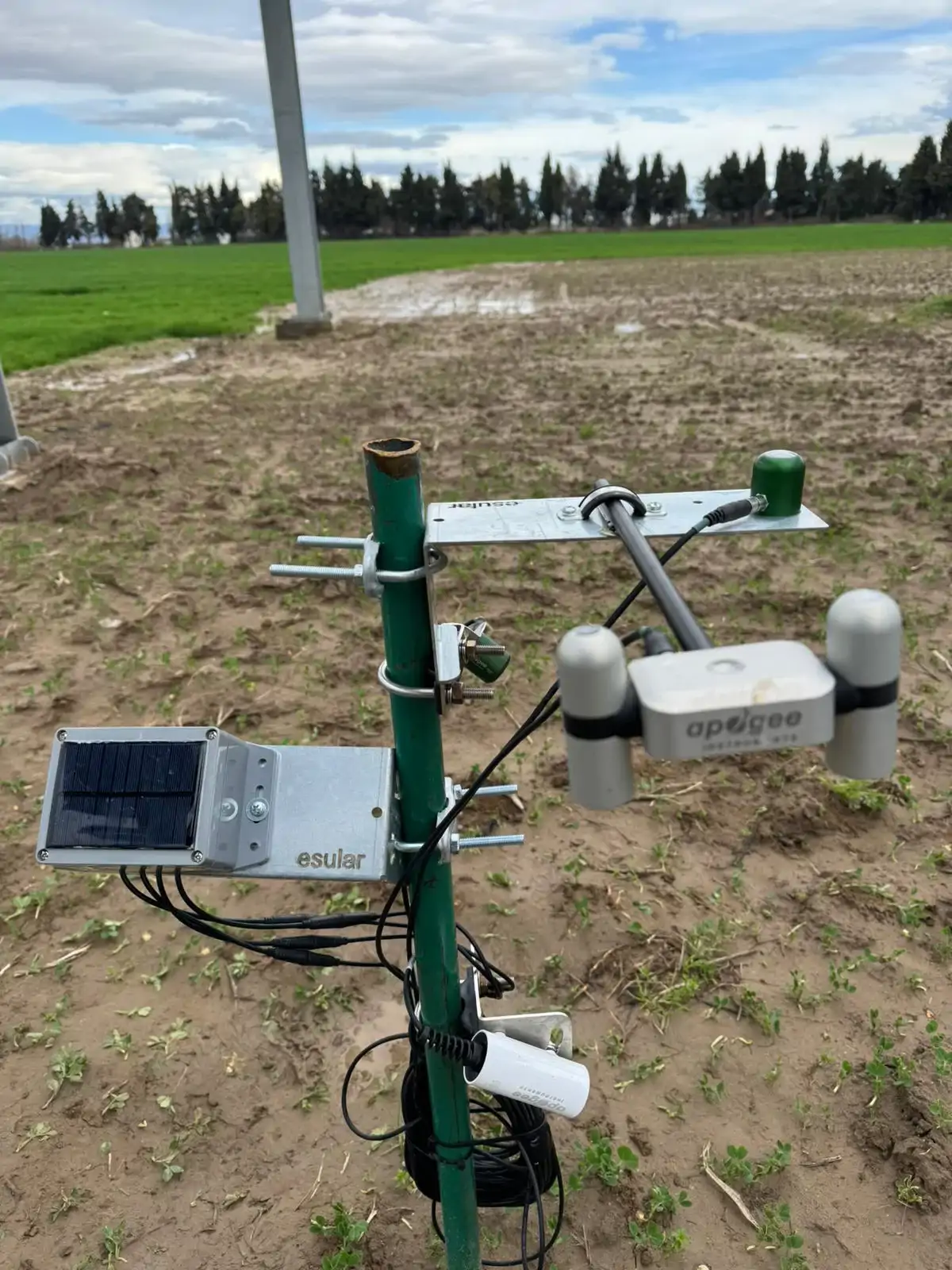
Air and Soil Sensors: Sensors that continuously monitor data such as ambient humidity, temperature, and CO2 levels. This data helps ensure ideal conditions for plant health and development.
Automatic Fertilization Systems: Systems that determine the nutrients plants need and automatically apply fertilization. In this way, fertilizer use is optimized and plant nutrition becomes more effective.
Disease and Pest Tracking Systems: Systems that detect diseases or pests in plants early using sensors or image analysis. In this way, intervention is done on time and damage is minimized.
Operating Management Systems: Software or applications that facilitate farm management and provide optimization. They enable digital management of processes such as production planning, inventory management, and labor tracking.
Solar Energy and Energy Management: Applications that provide energy efficiency in farms using solar panels and energy storage systems. In this way, energy costs are reduced and environmental impact is minimized.
Robotic Agricultural Vehicles: Agricultural operations are automated with robotic systems such as automatic tractors, soil tillage machines, or harvesting robots. In this way, labor costs are reduced and operational efficiency increases.
Remote Monitoring and Management Systems: Systems that enable remote monitoring and management of agricultural areas via mobile applications or web-based platforms. Farmers can control their fields from anywhere and intervene when necessary.
These applications contribute to the development of modern agriculture by offering farmers the opportunity to manage their agricultural activities in a more efficient, sustainable, and profitable manner.
Smart Farming Applications: Esular's Contributions to Irrigation and Fertilization Automation
As Esular, we make farmers' agricultural processes more efficient and sustainable with the solutions we offer in the field of smart farming technologies. With soil moisture sensors, farmers can continuously monitor soil moisture levels and create irrigation programs according to the water needs of the plants. Ambient humidity and temperature sensors help provide the ideal environment for plant development by tracking environmental conditions. Our system also tracks operational data such as leak detection in real-time, helping farmers optimize their resource use.
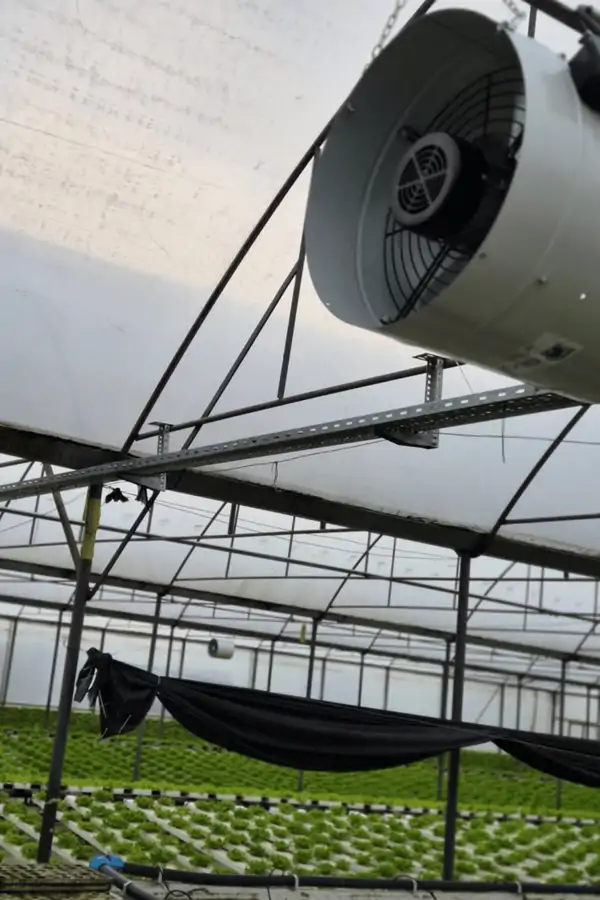
CO2 sensors and ultrasonic level sensors support plant growth by monitoring CO2 levels in the farm environment, while continuously measuring the occupancy levels of storage units such as water tanks and offering farmers the opportunity for timely intervention. Automatic pool filling and window opening/closing systems reduce farmers' operating costs by providing energy savings and automating the management of the farm.
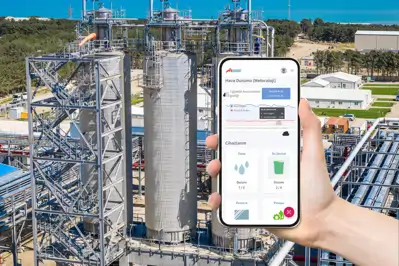
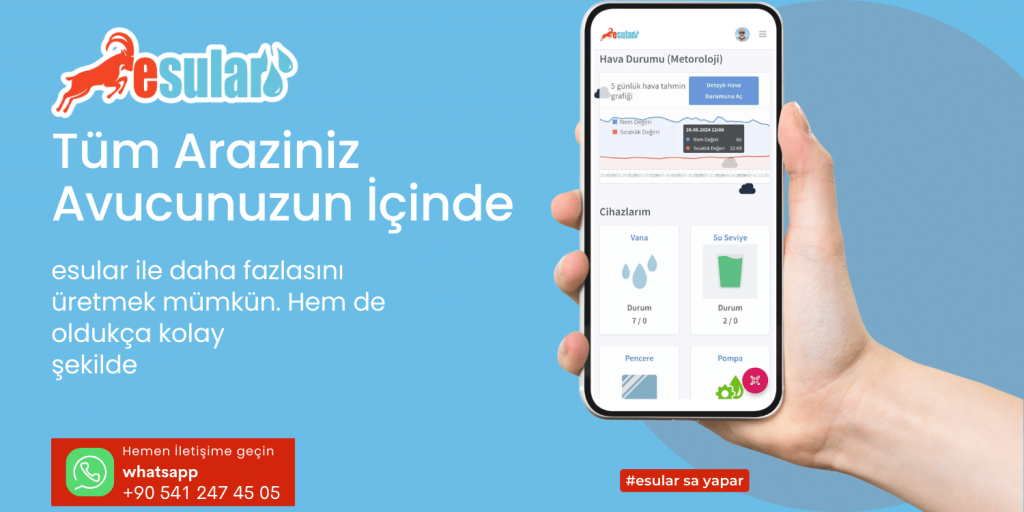
Through our mobile application, farmers can follow this sensor data in real-time, manage their fields remotely, and control processes such as irrigation and fertilization remotely. In this way, our farmers can plan and manage their agricultural activities more effectively, thus optimizing their productivity and improving product quality and cost savings. As Esular, our vision is to increase farmers' incomes and encourage sustainable farming practices by supporting digital transformation in the agricultural sector with pioneering technologies. We aim to ensure that our farmers carry out more efficient, smart, and environmentally friendly agricultural management by combining the power of technology and agriculture at every step. You can contact us for more detailed information. https://esular.com/esular-hizmetlerimiz
Kategoriler
Etiketler