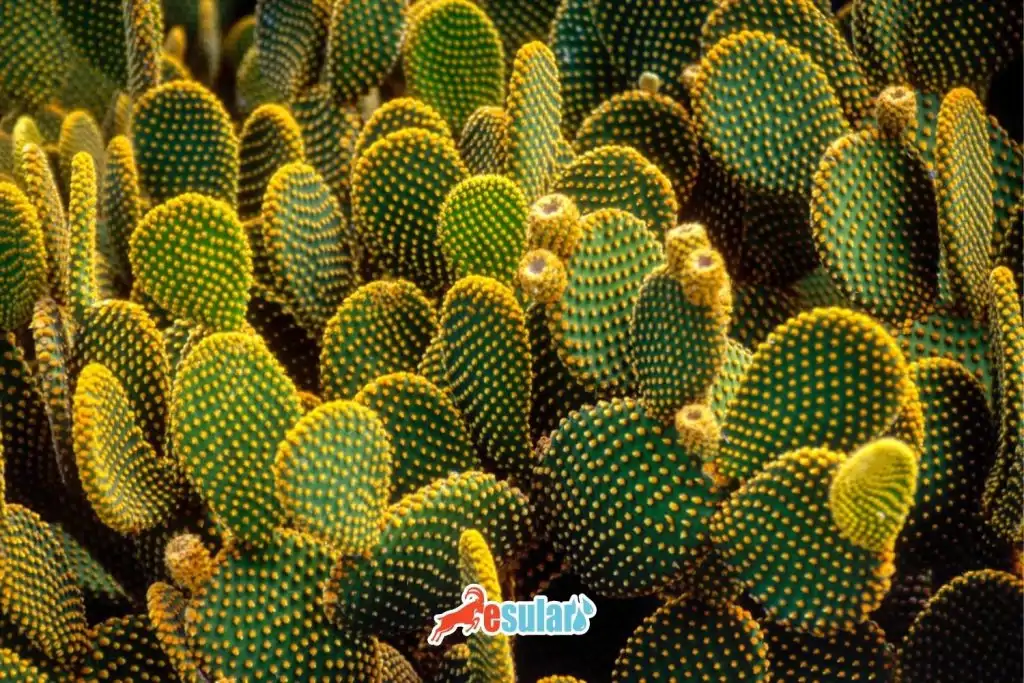
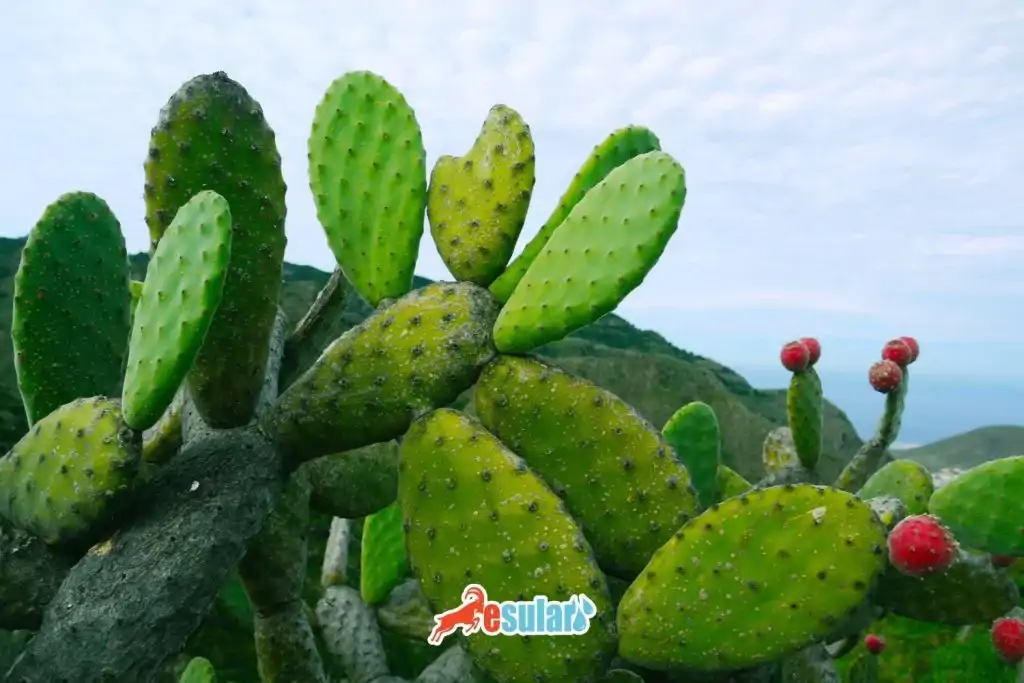
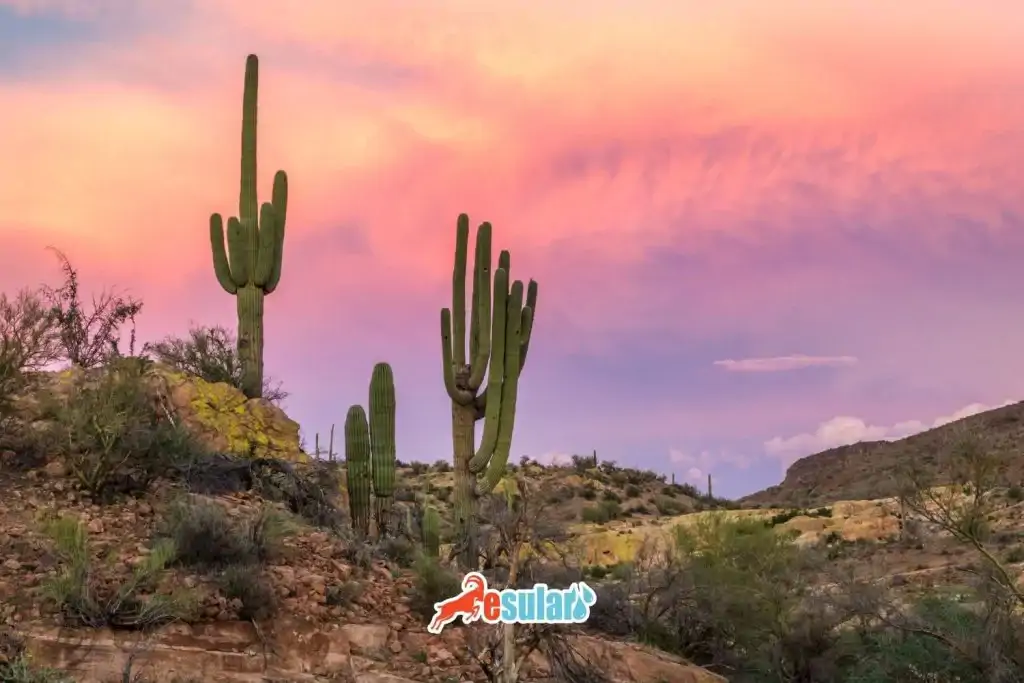
A cactus is a plant known for its thorny structure, generally commonly seen in deserts and tropical regions. The cactus, which does not belong to a specific family, is the common name for plants whose leaves and flowers have taken the form of thorns. The heights of the cactus, which has many varieties, can reach up to 12 meters. The cactus, which has a structure that does not require much water and precipitation, can also easily grow in homes. The thorns of cacti can be poisonous in some species.
Even if it is not poisonous, when a cactus thorn pricks the hand, it hurts a lot and is difficult to remove. The cactus that you start growing in a pot as a small plant will have a quite long and thick structure as a result of good care. A rare flower that wraps itself in its thorns to protect itself. From time to time, it is impossible not to compare it with a strong human identity. When the affection I have for the cactus comes to my mind, the lines of Aşık Veysel “Your beauty wouldn't be worth ten paras if it weren't for this love in me” come to mind. I had gifted the cactus plant, for which I feel affection, to a friend for whom I feel affection once upon a time. I remembered the situation that happened to my cactus right now:(.
Where Does Cactus Grow in Nature?
Cactus grows naturally in North and South America. The cactus plant has been growing for approximately 20,000 years. Considering the time when other plant species were seen, the cactus is a young plant. Although most cacti grow in hot and dry regions like deserts, they can be seen almost everywhere. Cacti can also grow in rainforests and on some mountains. Even near Alaska and Antarctica
How to Grow a Cactus?
How to grow a cactus, there are important points in growing a cactus. As with many plants, when growing a cactus, it is necessary to pay attention to light, heat, soil, and potting.
Light: Most cacti and all succulents need plenty of daylight. Do not try to grow cacti on the north side of your house; the places that receive the most sun are ideal environments for cacti. Place your cacti as close to the window as possible, and even reserve the sunniest spots on window sills and your balcony for your cacti. However, you need to protect cacti from direct midday sun.
Heat: Cacti and all succulents love heat. They continue to grow up to 40 degrees in summer, but growth stops in hotter temperatures. They are also resistant to cold provided they are not watered in winter. The temperature should not fall below -15 degrees and, although very rarely, a little water should be given.
Soil: The most yield is obtained when cacti are grown in a mixture of flower soil and thick sand. Instead, a mixture of peat and pumice can also be used. It is important that the soil you choose is permeable to water and not calcareous. If you are using a peat-pumice mixture, you need to give artificial fertilizer occasionally.
Potting: The most suitable potting time is when the plant is resting. January-February or July-August months are suitable for potting or changing pots. You need to ensure that the water does not stay in the pot by placing pebbles at the bottom of the pot where the cactus is located. The pot should not be too large for the cactus and the soil should not be excessive.
WATERING YOUR CACTUS TOO MUCH IS NOT APPROPRIATE!
Water: The best and most beneficial water for plants in nature is, of course, rainwater, but storing rainwater in the city is a laborious task. While watering your cacti, the tap or the water you use to water the cacti should have a German hardness degree of 5-6 and a French hardness degree of 8-9. You can learn the hardness of the water flowing from the tap from your municipality. If the number of your cacti is not high, you can water them with bottled water.
Irrigation: When in doubt about whether to water or not, do not give water to your cactus. Water when not only the visible part of the soil but also the inside is dry. When you water, the weather should be hot and sunny and you should give plenty of water. Empty the saucer under the pot 30 minutes after the irrigation process.
Air: Succulent and cactus species are not accustomed to humid air and lack of air in their natural environments. The most ideal environment for growing cacti in spring, summer, and autumn months is the balcony. If you are growing cacti in an enclosed space, you need to ventilate the room frequently during the day.
Fertilizer: Animal manure should never be given to succulents and cacti. You need to give artificial fertilizers known as ‘vitamins’ among the people. Since succulents grow slowly, take care that the nitrogen is low and the phosphorus and potassium are high when choosing fertilizer. You can use fertilizers referred to as ‘flower booster’ or ‘flowering vitamin’. The fertilization season is spring; fertilizer should not be given in winter. Because the cactus cannot use the fertilizer as it is in the resting process in winter, and unused fertilizer harms the plant.
THE CLAIM THAT CACTI ABSORB RADIATION
The claim that the cactus plant, placed next to TV and computer screens to protect against radiation emitted in the home environment, absorbs radiation is false, and there is no scientific study conducted on this subject. This topic has spread from ear to ear and turned into an urban legend.