Tüm Yazılar
What is a Hereford Cow? What are its Characteristics?
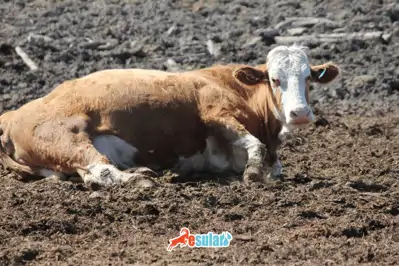
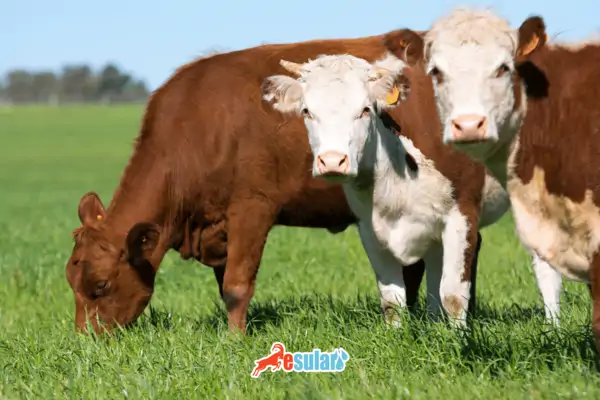
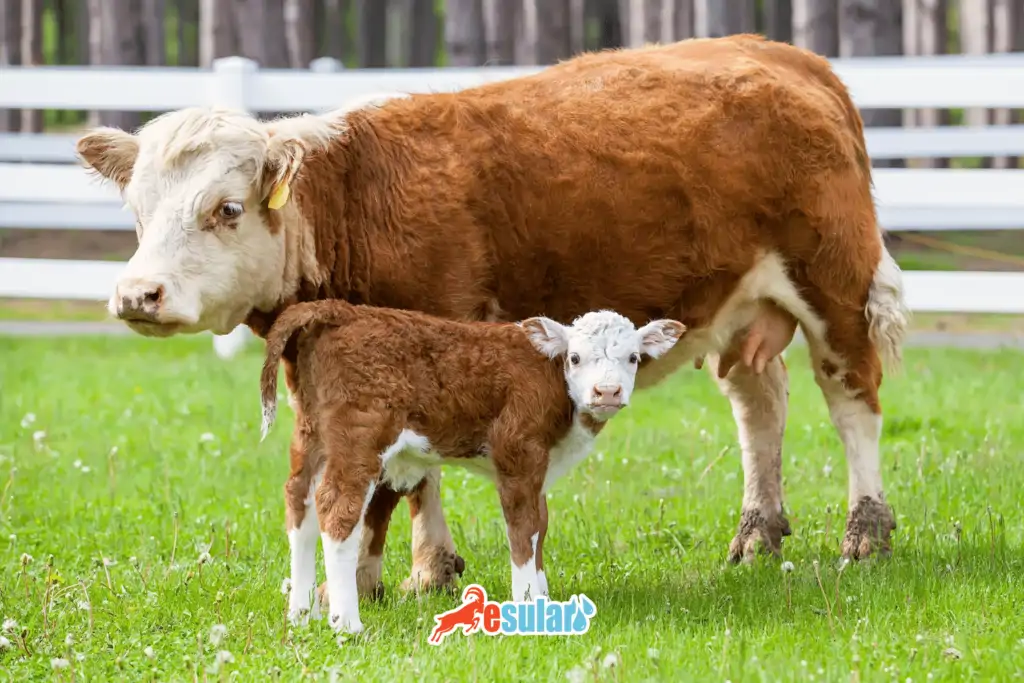
The Hereford cow originates from the Herefordshire region of England, from which it takes its name. Known for their red-brown bodies and white details, these cattle have a robust build, a calm temperament, and high meat quality. Thanks to their gluttonous nature, they can achieve rapid weight gain.
What is a Hereford cow?
This breed, which takes its name from the Herefordshire region of England, has been raised since the 19th century in countries worldwide, such as Canada, America, Argentina, Brazil, South Africa, Australia, New Zealand, and Germany. The head, neck, forehead, underbelly, foot joints, and tail are white, while the other parts are red-brown. Hereford breed animals generally have a calm temperament. They have a robust bone and muscle structure and durable hooves. Hereford cows have high meat quality, with low-fat and tender meat. At the same time, their meat yields are also quite good. Hereford breed animals have a gluttonous nature and gain weight rapidly; therefore, they are preferred in livestock farming. They are suitable for open feeding year-round. They have high reproductive yield, but their birth rates are low. While height in males can go up to a significant 150 cm, it reaches 140 cm in females. Their live weights vary between 900-1200 kg in males and 600-750 kg in females.
What are the characteristics of Hereford cows?
Physical Characteristics of Hereford Cattle:
- Hereford cows, which have red-brown color tones, draw attention with their white details.
- Their heads, necks, foreheads, underbellies, foot joints, and tail hairs are white.
- There are horned (English type) and hornless variants.
- They exhibit a calm and harmonious temperament.
- They are suitable for feeding in open areas; grazing can be done year-round.
- They can easily adapt to different climates and have high durability.
- They have a robust bone and muscle structure and durable hooves.
- Their meat, which has low fat content, is of high quality and tender.
- Females have the ability to give birth easily.
- Maternal instincts are more developed compared to other breeds.
- Thanks to their gluttonous nature, they show rapid weight gain.
- High reproductive yield and superior meat quality are reasons for preference for breeders.
Yield Characteristics of Hereford Cattle:
- While the shoulder height of male Hereford cows generally varies between 140 – 150 cm, the shoulder height of females is between 130 – 140 cm.
- In terms of live weight, male Hereford cattle vary between 900 – 1250 kg, while females vary between 600 – 750 kg.
- The birth weight of newborn male calves is around 36 kg, and the birth weight of female calves is around 33 kg.
What are the horns of Hereford cows like?
Hereford cow horns have a structure quite different from other cattle species. Generally, the horns have an outward-leaning structure and then extend forward. The horns have a light-colored, short, and blunt appearance, but it is not mandatory to encounter these features in every animal. The characteristic of the Hereford breed is that it includes horned and hornless individuals. English-type Hereford cattle generally tend to be hornless. Today, with the use of Polled Galloway bulls to create hornless Hereford herds, hornless Herefords have also become common. It is known that the presence or absence of horns has no significant effect on the animal's characteristics or yield.
How many kilos is a Hereford cow?
The weight of a bovine belonging to the Hereford cow breed varies depending on its gender, age, and the conditions in which it is raised. The Hereford breed generally consists of medium to large-sized cattle. Withers height varies according to gender and individual variations. For example, an adult Hereford male (bull) can generally have a live weight between 900 and 1250 kilograms. Female Hereford cattle (cows) can generally have a live weight between 600 and 750 kilograms. These weights are a general guide and may vary depending on the age, genetic structure of individual animals, and the environmental conditions in which they are raised. Cattle generally gain weight as they grow, but the weight of each animal may differ.
Where is Hereford Raised?
The Hereford cow is a breed widely raised worldwide. Although it first emerged in the Herefordshire region of England, it has been raised in many countries since the 19th century, such as Canada, America, Argentina, Brazil, South Africa, Australia, New Zealand, and Germany. These cattle are known for their ability to easily adapt to climates, their durability, and high meat quality characteristics. For this reason, they are raised on various farms in different geographies and are traded.
How is the Care of Hereford Cattle?
The care of Hereford cattle includes general cattle care principles. Here are some basic guidelines for the care of Hereford cattle:
Nutrition:
- Create a balanced and nutritious feed program for Hereford cattle.
- Support optimal growth and yield by providing feed and supplements suitable for different age groups.
- In addition to feeding, ensure that cattle always have access to clean drinking water.
Housing:
- Ensure the barn or pen where the cattle are housed is clean, dry, and well-ventilated.
- Ensure that animals are comfortable and rest in a suitable environment by providing adequate bedding.
Health Checks:
- Arrange regular veterinary checks and have necessary vaccinations administered.
- Perform periodic health checks for parasite control and to monitor their general health status.
Outdoor Conditions:
- Take appropriate measures to protect cattle from extreme hot or cold weather conditions. It is important to provide shade and protection for cattle.
- Allowing cattle to roam freely on soil or grass can improve their general health and well-being.
Insemination and Reproduction:
- Establish insemination programs and seek help from an expert veterinarian if necessary.
- Provide special care during the pregnancy period and monitor the birth process.
Good Genetic Selection:
- Establish a breeding program to select and produce cattle with good genetic characteristics.
- Increase the overall health and durability of the breed by preserving genetic diversity.
The care of Hereford cattle is based on general cattle breeding principles and requires careful management to ensure animals are healthy, happy, and productive.
When Can Hereford Become Breeding Stock?
The appropriate age at which Hereford cows can become breeding stock is usually determined by considering gender and breed characteristics. Cows generally begin to enter the fertility cycle when they reach maturity. However, a number of factors should be considered before being used as breeding stock. Here are the basic points at which Hereford cattle can become breeding stock:
Maturity Period: Hereford cows generally reach maturity between 15 to 24 months. However, this can vary from individual to individual.
Physical Condition: If it is to be used as a breeding cow, it must have a healthy physical condition. Good body condition, regular vaccination, and parasite controls are important.
Genetic Characteristics: The genetic characteristics of the cattle to be used as breeding stock should be evaluated. Animals with good genetic characteristics that comply with breed standards should be selected.
Health Checks: Regularly checking cow health is important in pregnancy planning. Regular health checks should be done under veterinary supervision.
Pregnancy and Birth History: Animals with a history of healthy pregnancy and birth may be preferred. The successful completion of past pregnancies can increase the potential for becoming breeding stock.
Hereford cattle can generally become breeding stock when they reach maturity between 15-24 months. However, factors such as the overall health status of this cattle, genetic characteristics, and previous pregnancy history also play a role in its selection as breeding stock. Breeding selection should be made considering the breeder's goals, breed standards, and general health status.
Frequently Asked Questions About Cows and Cattle
Which is the best beef cattle?
The choice of the best beef cattle varies depending on various factors. When choosing a good beef cattle, it is important to consider the following factors:
Breed and Species: Different cattle breeds and species have different characteristics. Meat quality, growth rate, and resistance to diseases can vary according to breeds.
Fattening Yield: Good beef cattle are animals that grow fast and have high meat yield. This can help you achieve a more efficient result in the fattening process.
Durability: Cattle that are resistant to diseases and various environmental conditions are preferred. This can lower maintenance costs and increase the chance of success.
Feed Conversion Ratio: A good beef cattle is an animal that can convert the feed it consumes into weight quickly and effectively. Cattle with a high feed conversion ratio can provide a more economical fattening process.
Growth Rate: Fast-growing cattle can be ready for sale in a shorter time and can reduce fattening costs.
Energy and Fat Content: Energy and fat content are important for meat quality. A good beef cattle should have the desired amount of fat and energy in its meat.
Reproductive Ability: A good beef cattle should have a healthy reproductive system. This can help the farmer create a sustainable cattle breeding program.
Since the needs and goals of each farm are different, the choice of the best beef cattle should be made in accordance with the conditions and goals of the farm. Farmers can usually benefit from expert advice in breed selection and determine the one most suitable for their own conditions.
Which cow breed gives the most milk?
The subject of "milk yield" varies depending on many factors, and the factor that most affects milk yield is usually the cattle breed. There are several breeds that stand out in milk yield among cow breeds. However, milk yield is also related to many factors such as nutrition, genetic characteristics, environmental factors, and care.
Some prominent dairy breeds are:
Holstein: Holstein cows generally have the highest milk yield worldwide. They are known for their large bodies and black-and-white color patterns. Due to high milk yield and large body mass, their energy needs are also high.
Jersey: Jersey cows, despite their small size, have high fat and protein content in their milk. Their milk generally has a dense cream color. You can find detailed information about Jersey cows in our ‘What is a Jersey Cow and Its Types’ content.
Ayrshire: Ayrshire cows are known for their durability and high-yield milk. They are medium-sized, red and white in color.
Brown Swiss: Brown Swiss cows draw attention with their large bodies and gray-brown color patterns. Their milk generally contains high fat and protein.
Guernsey: Guernsey cows are known for high fat content in their milk. They are recognized for their golden-brown bodies.
Milk yield depends not only on the breed but also on the individual animal's genetic characteristics, health, nutrition, and care. Dairy farmers can increase milk yield by selecting and managing their herds to best fit their needs.
Kategoriler
Etiketler