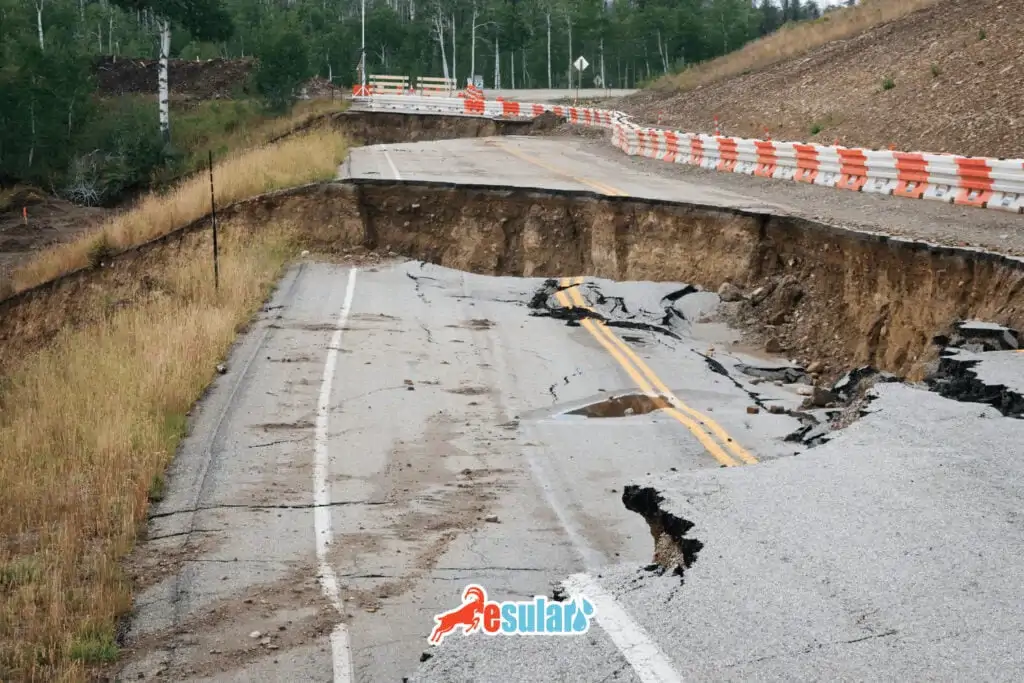
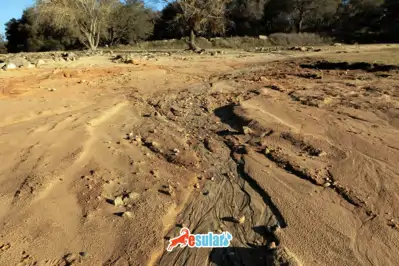
A landslide is a natural event observed generally in high-slope terrains, mountainous regions, or valleys, causing the sudden movement of soil or rock masses. This event occurs under the influence of various environmental factors. Primary causes include heavy rainfall, earthquakes, floods, and erosion.
Heavy rainfall can lead to the saturation of the soil layer and sliding due to the effect of gravity. Earthquakes, on the other hand, can cause landslides depending on changes in the underground soil. Floods can lead to landslides through the high pressure and abrasive effect of water. Erosion can also increase the likelihood of landslides as a result of the withdrawal or wear of the soil layer from the surface.
Primary Causes of Landslides
The primary causes of landslides are as follows:
Heavy Rainfall: Intense rainfall can cause the soil layer to become saturated and slide due to the effect of gravity.
Earthquakes: Earthquakes can lead to landslides depending on changes in the underground soil.
Sloped Terrain: In naturally sloped terrains, the probability of landslides is higher because the effect of gravity is more pronounced.
Erosion: The withdrawal or wear of the soil from the surface can cause the soil layer to loosen and slide.
Negative Effects of Landslides
Loss of Life and Property: Landslides can damage residential areas and agricultural lands, causing loss of life and material damage.
Loss of Soil Fertility: Landslides occurring in agricultural lands can reduce soil fertility.
Infrastructure Damage: Landslides can affect roads, bridges, and other infrastructure, requiring repairs.
Methods such as soil stabilization, erosion control, drainage systems, and construction planning can be used to prevent or reduce landslides.