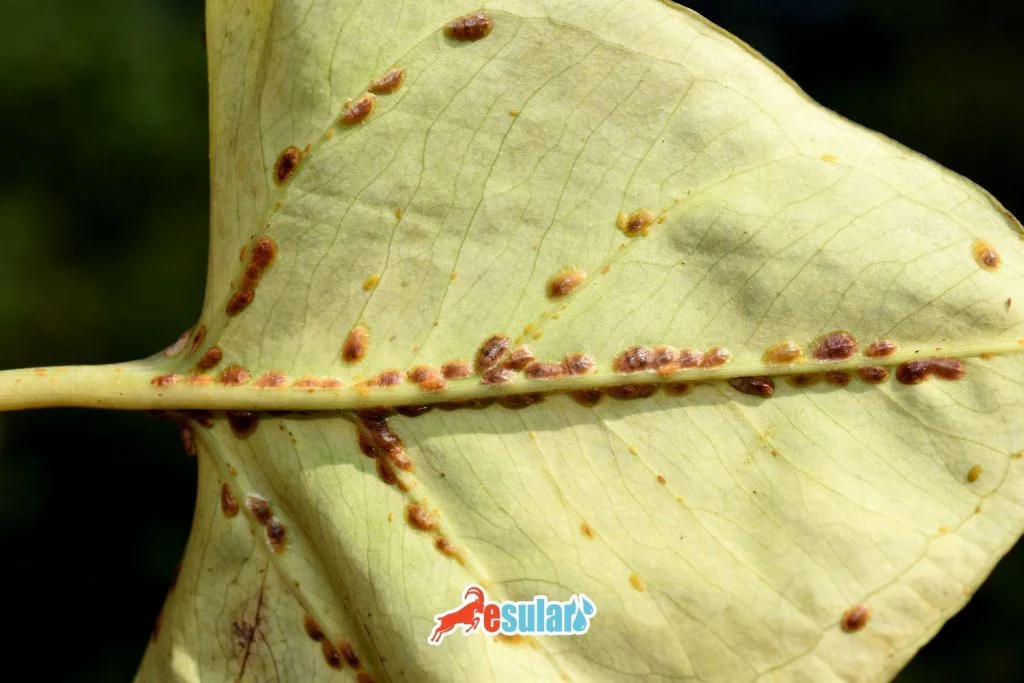
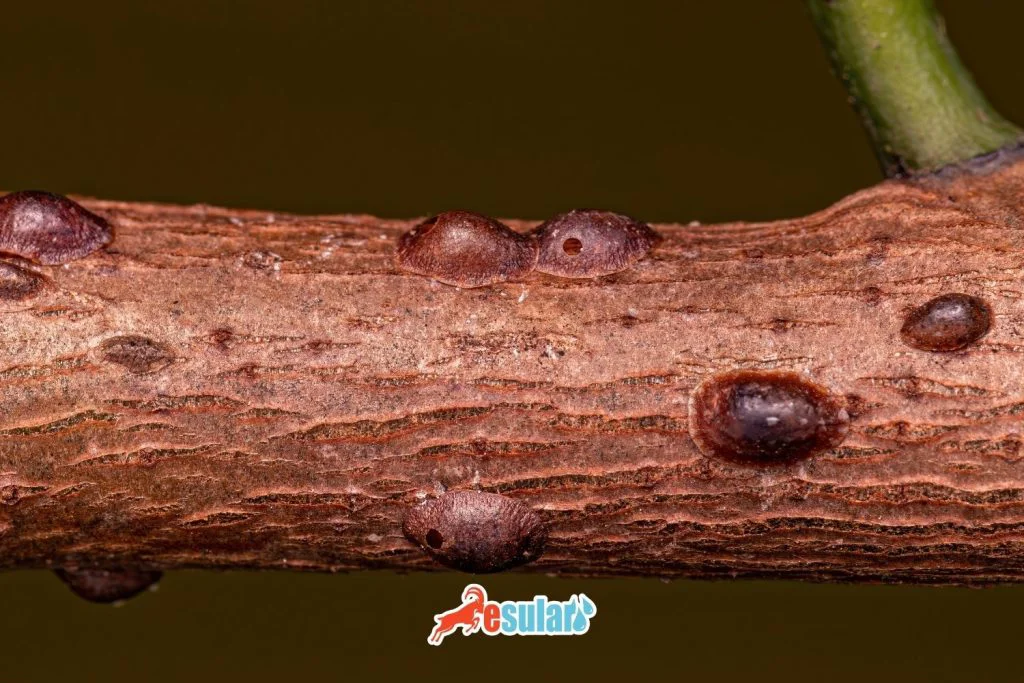
A scale insect is a type of insect that holds an important place among plant pests and has a wide range of species. These pests are small, hard-shelled, or insects that have formed a protective structure, living especially on the leaves, shoots, and sometimes the roots of plants. Scale insects are generally round or oval-shaped, and their exteriors are covered with a thick shell, which protects them from various natural enemies and chemical treatments. While feeding on plants, these pests inhibit the plant's growth and reduce its yield by sucking the plant sap. In addition, scale insects can also cause the spread of various diseases in plants. In terms of plant care and pest management, the effective identification and control of scale insects is of critical importance for healthy and productive plant cultivation.
Why Do Scale Insects Occur?
Climate conditions, especially temperature and humidity rates, can cause scale insects to develop and spread rapidly.
Poor plant health and maintenance deficiencies lead to plants becoming vulnerable to pests.
Dense planting and infested plants increase the risk of the pest spreading.
The high reproductive capacity and mobile nymphs of scale insects cause the pest to multiply and spread quickly.
The lack of natural predators makes the control of scale insects difficult.
Incorrect spraying and failure in chemical control can prevent the effective control of the pest.
Damage Types of Scale Insects
Scale insects can cause serious damage by forming colonies on the trunks and branches of plants. Adults and nymphs suck the plant sap, leading to the weakening of the tree and the drying of branches. As a result of sucking, the tree secretes a gum-like substance. This substance accumulates on the branches, disrupting the health of the tree and affecting fruit quality. Additionally, the sugary substances secreted by scale insects accumulate on leaves, shoots, and fruits, preventing leaf respiration and causing fungal formations. Fungi cause deterioration on the fruit surface, reducing the commercial value of the products. These pests worsen the overall health status of plants and reduce fruit productivity.
Plants Where Scale Insects are Seen
Scale insects can cause damage to various plants, but they are generally seen on stone fruit trees. Here are the plants where scale insects are commonly seen:
Plum
Apricot
Peach and Nectarine
Cherry
Walnut
Almond
Pistachio
Mulberry
How to Combat Scale Insects?
Combatting scale insects can be done through various methods and generally includes a combination of cultural, physical, and chemical methods. Here are the ways to effectively combat scale insects:
Cultural Measures:
Pruning Infested Branches: Branches that are heavily infested should be cut and removed from the garden at the end of winter or the beginning of spring.
Tree Care: Regular maintenance should be performed to keep trees healthy and strong, and dense planting should be avoided.
Physical Methods:
Brushing: Plant trunks can be cleaned with a stiff brush; this process can physically remove some of the scale insects.
Insect Traps: In areas where scale insects are dense, various insect traps can be used.
Chemical Control:
Spraying with Winter Oils: Spraying with winter oils can be done 2-3 weeks before flowering. This can reduce the effects of scale insects.
Spraying with Summer Oils: Spraying with summer oils should be done during the egg-laying period or when mobile nymphs emerge. This is usually done in late May or early June.
Use of Insecticides: Insecticides containing active ingredients such as Chlorpyrifos-ethyl and Dimethoate can be used to control the density of scale insects. Spraying is generally done 15-20 days after the first emergence or when the nymph population reaches 60%.
Natural Predators:
Predators Found in Nature: It should be remembered that predatory insects, which are natural enemies of scale insects, can help maintain the natural balance.
Control of Pesticide Residue:
Spraying with Prescription: To prevent pesticide residue in export products, it is important for producers to spray by obtaining a prescription from provincial and district agricultural directorates.
The application of these methods at the right time and in an appropriate manner is of critical importance to ensure effective combat against scale insects.