
Tüm Yazılar
What is a Water Pump? What are its Types?
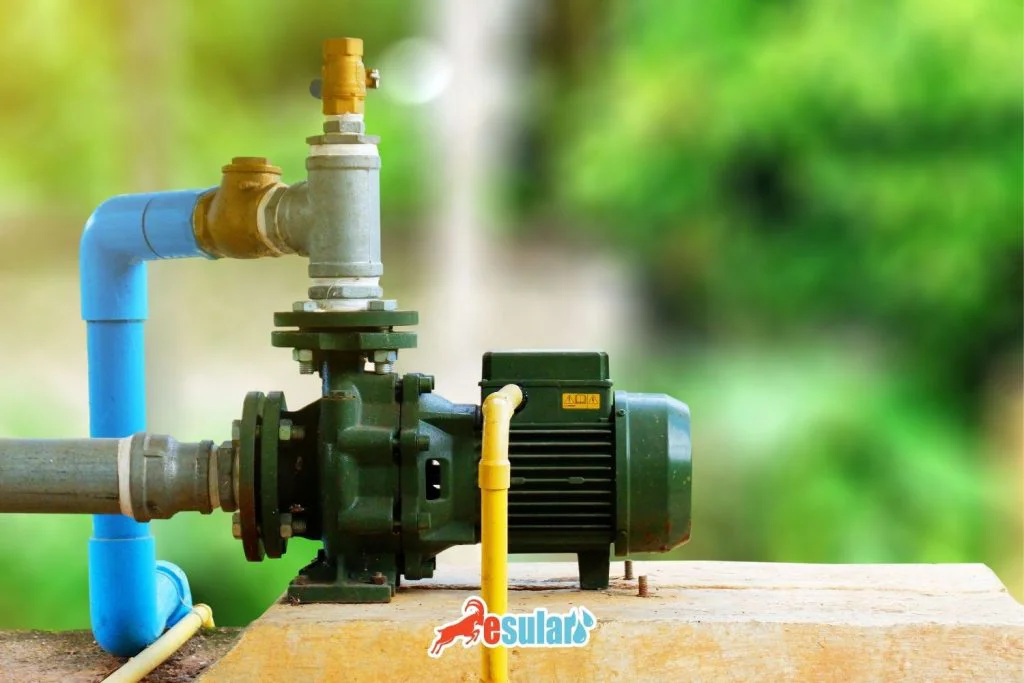
Water pumps are mechanical devices that transport liquids from low pressure to high pressure. These devices operate using various methods to transfer liquid from one place to another. The pump ensures the transport of the liquid to the desired location by increasing its pressure and thus plays a critical role in many areas such as water supply, irrigation systems, and industrial applications. Water pumps are an indispensable part of modern life by providing energy savings and supporting the efficient use of water. Pump technology has been developed in various types to respond to different needs.
They can basically be collected under two main groups:
- Positive displacement pumps: pumps where the fluid volume is mechanically changed and a constant amount is transported. This group includes reciprocating and rotary pumps.
- Rotodynamic pumps: pumps that work by increasing the kinetic energy of the fluid and providing continuous flow. This group includes centrifugal pumps.
Both groups are divided into various sub-types and used in different application areas. In this article, we will examine the operating principles, types, and characteristics of each type of water pump in detail. This information will help you determine the most suitable solution for your needs when choosing a water pump.
What is Pump Efficiency?
Pump efficiency is an important performance indicator that shows how effectively a pump operates. Basically, it measures how much energy the pump can transfer to the liquid and how much of this energy is used as useful work. Pump efficiency is defined as the ratio of the hydraulic power transferred net to the liquid to the mechanical power applied to the pump shaft. This ratio is expressed as a percentage and usually varies between 30% and 85%.
Factors Affecting Pump Efficiency
Pump Type: Different pump types (reciprocating, centrifugal, diaphragm, etc.) have different efficiency levels. Generally, positive displacement pumps operate more efficiently at high pressure, while centrifugal pumps are more efficient in continuous flow applications.
Flow and Pressure: The flow rate and pressure of the pump have a direct impact on efficiency.
Specific Speed: The specific speed of the pump plays an important role in efficiency. Specific speed determines the design and performance characteristics of the pump, and generally, pumps with high specific speed are more efficient.
Properties of the Liquid: The viscosity, density, and temperature of the transported liquid are important factors affecting the efficiency of the pump. More viscous or dense liquids can cause the pump to consume more energy.
System Design: Proper design of the pump and system minimizes energy losses and increases efficiency. Correct selection of pipe diameters, fittings, and valves increases system efficiency.
Pump efficiency directly affects energy costs and operating expenses. A high-efficiency pump consumes less energy for the same job, which provides savings on energy bills. Additionally, energy efficiency is important for environmental sustainability. Less energy consumption leads to lower carbon emissions and less impact on the environment.
What is a Submersible Pump?
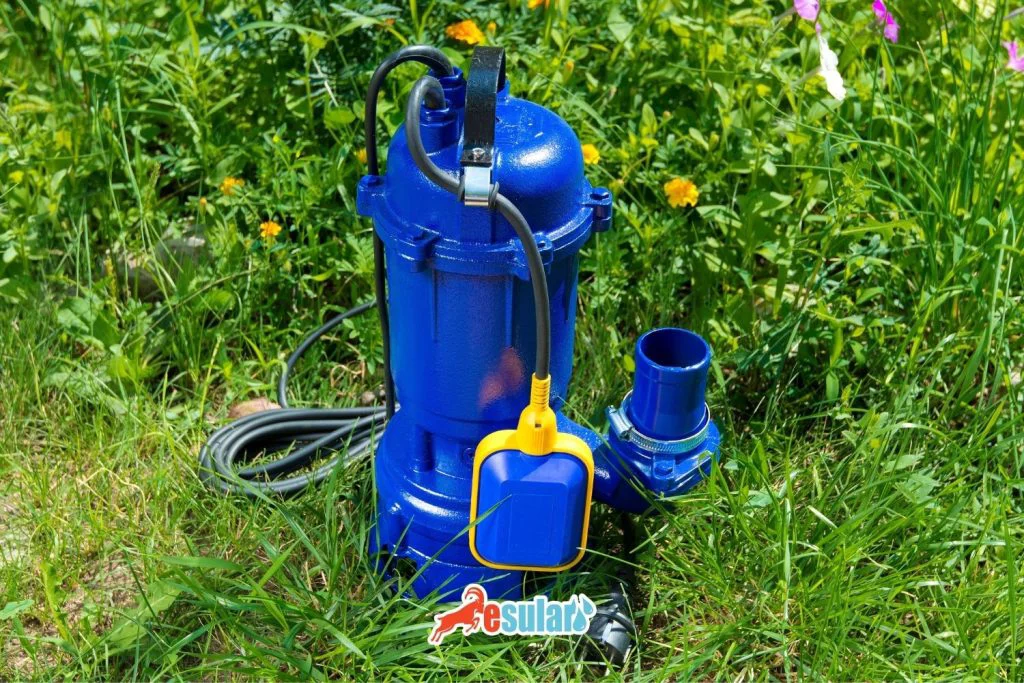
Submersible pumps are special types of pumps designed to extract liquids from underground or deep wells to the surface, and are compact devices with the motor and pump unit together. It takes its name from being used by being completely submerged in liquid as required by its operating principle. These pumps ensure the effective transport of water, wastewater, and other liquids. Submersible pumps consist of a pump body combined with a waterproof motor. The motor is mounted adjacent to the pump body and the connection points are completely sealed, thus preventing water or other liquids from leaking into the motor. During the operation of the pump, the motor converts electrical energy into mechanical energy, and this energy ensures the rotation of the pump's impellers. With the rotation of the impellers, the liquid moves within the pump body and this movement pushes the liquid upwards.
Advantages
- Since submersible pumps are completely submerged in the liquid, they do not experience suction problems, which provides high efficiency.
- Because they operate within the liquid, submersible pumps work more quietly than other pumps.
- The compact structure of submersible pumps facilitates installation and maintenance processes.
Usage Areas
- Submersible pumps are widely used for irrigation purposes in agricultural lands. They provide water to fields, gardens, and greenhouses by drawing water from deep wells.
- Wastewater submersible pumps are used in sewage systems and wastewater treatment plants.
- In industrial areas, submersible pumps are used for the transport of various liquids.
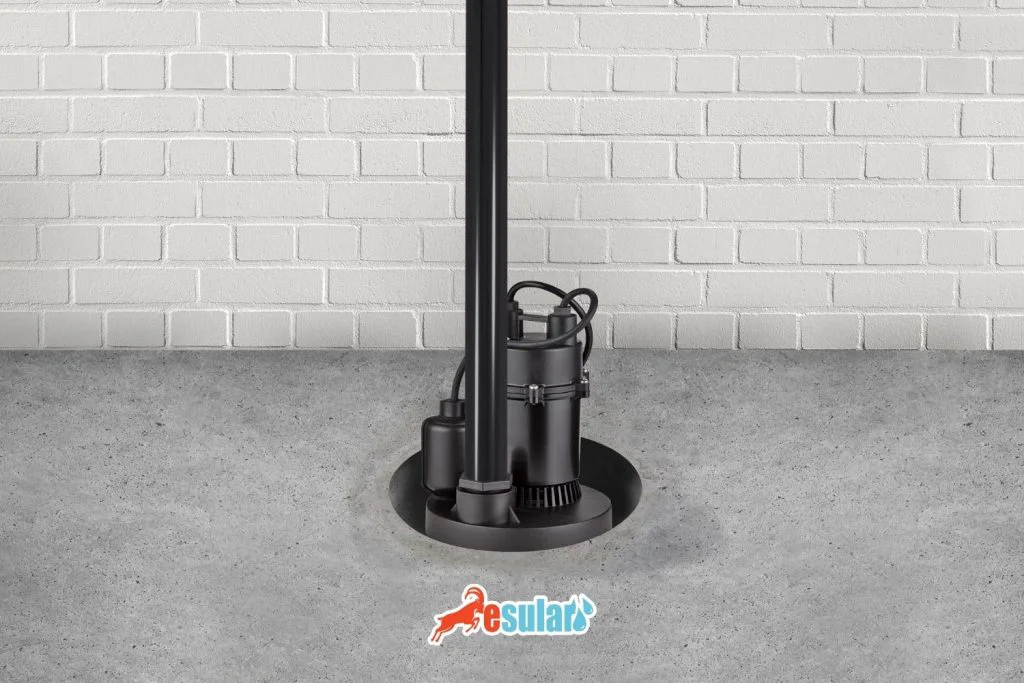
- Smaller submersible pumps used in homes are used for draining water puddles in basements or for tasks like garden irrigation.
Types of Submersible Pumps
Submersible pumps are produced in different types according to their usage areas and design features:
- Single-Stage Submersible Pumps: These types of pumps are generally used in surface applications such as drainage, sewage, general industry, and sludge pumping.
- Multi-Stage Submersible Pumps: Multi-stage submersible pumps used to extract water from deep wells bring water to the surface with high pressure. These pumps are generally used in artesian wells and deep boreholes.
When choosing a submersible pump, factors such as the properties of the liquid to be pumped, the depth of the well, the flow rate of the pump, and pressure requirements should be considered. Additionally, the conditions of the environment where the pump will be used and the construction material of the pump play an important role in the selection.
What is a Deep Well Pump?
Deep well pumps are special pumps designed to take and pump water from deep wells where normal water pumps cannot perform suction. They are generally used in cases where water resources are deep in the ground. These pumps have the capacity to extract water to the surface from high depths and are widely used in various areas such as agricultural irrigation, domestic water supply, industrial applications, and municipal water supply. The operating principle is pumping water from the bottom of the well to the surface. The pumps are immersed inside the well and push the water upwards. In this way, water is provided to a tank or system on the surface.
Usage Areas
- It is used in large agricultural lands to meet the water needs of plants.
- It is ideal for water supply in homes, gardens, and small farms.
- It is used to meet water needs in factories and industrial facilities.
- It is used by municipalities for water supply in cities and towns.
Advantages
- High Efficiency
- Reliability
- Flexible Use
Disadvantages
- High Installation Cost
- Maintenance Requirement
What is a Centrifugal Pump?
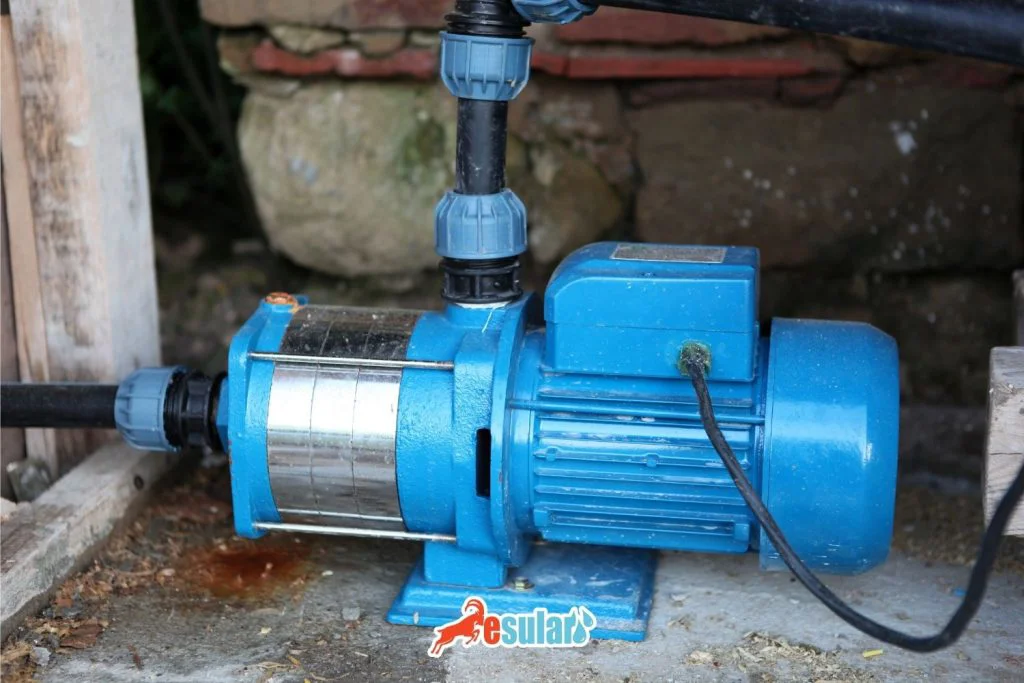
Centrifugal pumps are mechanical devices widely used for the transport of liquids. Having a simple but effective mechanism, these pumps utilize centrifugal force to move liquids rapidly. The basic operating principle of centrifugal pumps is based on moving the liquid through a rotating component called an impeller. The impeller is rotated by an electric motor, diesel engine, or turbine driver and draws the liquid to the center of the impeller. The rapid rotation of the impeller pushes the liquid from the center to the periphery and creates kinetic energy, ensuring the liquid is directed to the pump outlet. The liquid exiting the impeller is pressurized through structures called the diffuser and volute and is discharged.
Usage Areas
- Used for irrigation in agricultural areas.
- Used in water supply and pressurization systems.
- Used in wastewater treatment plants.
- Used to transport fuel.
Centrifugal Pump Types
Centrifugal pumps can be classified according to various features:
- Self-Priming Centrifugal Pumps: Provides ease of operation.
- Horizontal Centrifugal Pumps: Used for fast transfer of liquids.
- Vertical Centrifugal Pumps: Used by being immersed in a tank.
- Radial, Axial and Mixed Flow Pumps: Classified according to flow type.
- Single-Stage and Multi-Stage Pumps: Classified according to their stages.
Centrifugal pumps are indispensable in many industries with their high efficiency, wide application areas, and ease of maintenance. Meeting all kinds of liquid transport needs with various design and size options, these pumps form the backbone of modern industrial processes.
Remote Automatic Pump Control System
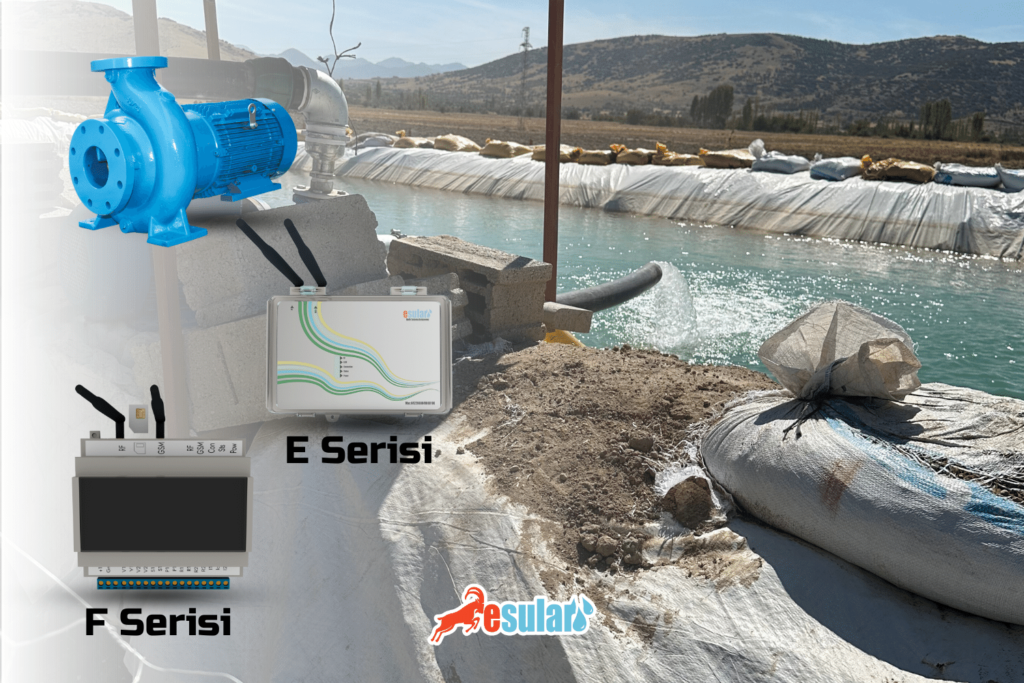
Managing your irrigation needs in the most effective way is now very easy! The Remote Automatic Pump Control System with GSM offers the monitoring and irrigation of your small and medium-sized greenhouses, gardens, and agricultural areas completely under your control. This innovative system, which works integrated with Esular web and mobile applications, provides you with time and cost savings in your irrigation processes.
Our device offers you full control and monitoring possibilities:
- Pump Control Outputs: Perform pump control remotely and automatically with 2 dry contact relays.
- Soil Moisture Sensor Input: Monitor the moisture level in your soil with 1 soil moisture sensor and perform the irrigation your plants need on time.
- Water Meter Pulse Input: Precisely monitor and control your water usage with 1 water meter pulse input.
Uninterrupted and Reliable Power Source
Our device works with any power source between 12-24V and with a current value of 1 ampere. To ensure uninterrupted control and not to be affected by power outages, you can feed it with batteries or similar backup power sources. Thus, the irrigation process continues uninterrupted and automatically.
Easy Management with Web and Mobile Applications
Manage your irrigation processes from anywhere you wish with Esular web and mobile applications:
- Automatic and Scheduled Irrigation Options: Provides effective irrigation without requiring continuous supervision by automating irrigation processes.
- Instant Notifications: Allows you to constantly follow the status of the system by sending you instant notifications in important situations.
Why esular Automatic Irrigation System?
- Remote Control: Thanks to the GSM module, you can control your irrigation processes from anywhere you wish.
- Energy Efficiency: Provides uninterrupted and efficient irrigation with external power supply and backup power sources.
- Ease of Use: Offers a system that can be easily managed with web and mobile applications.
- Efficiency and Savings: Provides both savings with the effective use of water and ensures that plants receive the water they need on time and in sufficient quantities.
Contact Us!
Contact us now to meet the esular Automatic Irrigation System and get more information! We would be happy to offer you the most suitable irrigation solutions. Create a revolution in modern agriculture with esular web and mobile applications!
Visit our website or contact our customer services:
📞 Phone:+90 850 399 6888
📧 E-mail: [email protected]
With esular Automatic Irrigation System, Control is Yours, Efficiency is Increasing!
Installing our F series central station, which we use for pump control, is just this easy!
Kategoriler
Etiketler