Tüm Yazılar
What is an Insecticide?
Insecticides are chemical substances used for the purpose of controlling or destroying harmful insects. These substances, widely used in agriculture, health, and pet care, are of vital importance for protecting plants, increasing crop productivity, and preventing insect-borne diseases that threaten human health. Insecticides are divided into various categories according to their chemical compositions, toxic effects, and ways of penetrating insects. In this article, detailed information will be provided about the classification of insecticides, areas of use, application methods, and environmental effects.
Classification of Insecticides
Insecticides are chemical substances used to control harmful insects and can be classified according to various criteria. These classifications are made according to their chemical structures, toxicological effects, and how they affect insects.
1. According to Their Chemical Structures
Insecticides are divided into various groups according to their chemical structures. These groups are determined according to their chemical compositions and active ingredients:
- Chlorinated Hydrocarbons: Organic compounds such as DDT and lindane. They are known for their long-term persistence and carry the potential to be harmful to the environment.
- Organophosphates: Compounds such as parathion and malathion. They have effects on the nervous system and are generally short-lived.
- Carbamates: Compounds such as carbaryl. They are effective on the nervous system and generally have short-term effects.
- Pyrethroids: Compounds similar to natural pyrethrins obtained from the pyrethrum flower and produced synthetically. They act quickly and have low toxicity.
2. According to Their Toxicological Effects
Insecticides can also be classified according to their toxicological effects. This classification is based on the lethal effects of insecticides on insects:
- Stomach Poisons: These are insecticides that are effective by entering the digestive system of insects. Insects die after eating these types of insecticides. For example, arsenate compounds fall into this group.
- Contact Poisons: These are insecticides that are effective when they come into contact with the bodies of insects. Insects die when they come into direct contact with these types of insecticides. For example, pyrethroids are included in this group.
- Fumigants: These are insecticides applied in gas form. Insects die when they inhale these gases. For example, methyl bromide falls into this group.
3. According to Their Penetration Methods
Insecticides can also be classified according to how they penetrate insects. This classification is based on the mechanism of action of insecticides on insects:
- Systemic Insecticides: These are insecticides that enter the plant and spread systemically, becoming effective when insects eat plant tissues. Insects absorb the insecticides when they suck the plant sap.
- Contact Insecticides: These are insecticides that are effective when they come into direct contact with the bodies of insects. They are generally applied by spraying onto the outer surface of insects.
- Stomach Insecticides: These are insecticides that are effective by entering the digestive system of insects. Insects die after eating these types of insecticides.
Classifying insecticides in this way helps in choosing the right insecticide for agriculture and pest control applications. Which type of insecticide to use is determined depending on the type of target insect, environmental conditions, and the application method of the insecticide.
Types of Insecticides
Insecticides are chemical substances used for the purpose of controlling and destroying harmful insects. They are effective against different insect species with various chemical structures and mechanisms of action. Insecticide types can generally be classified under the following headings:
1. Organic Insecticides: consist of carbon-based chemical compounds and are divided into various sub-groups:
- Chlorinated Hydrocarbons: Compounds such as DDT, dieldrin, and lindane. Their use has been banned in some countries due to their high persistence and environmental effects.
- Organophosphates: Compounds such as parathion, malathion, and diazinon. They have effects on the nervous system and show rapid action.
- Carbamates: Compounds such as carbaryl, aldicarb, and methomyl. They are effective on the nervous system and are generally less persistent.
- Pyrethroids: These are synthetic pyrethrins derived from the natural pyrethrum flower. Compounds such as permethrin and cypermethrin. They act quickly and have low toxicity.
2. Inorganic Insecticides: consist of chemical compounds that do not contain carbon:
- Arsenic Compounds: Compounds such as Paris green and lead arsenate. Today, their use is limited or banned.
- Sulfur Compounds: Compounds such as sulfur powder. It is especially effective against mites and fungal diseases.
- Borates: Compounds such as boric acid and borax. Used against household pests.
3. Natural Insecticides: are compounds obtained from plants and other natural sources:
- Pyrethrins: Obtained from the pyrethrum flower. It is fast-acting and has low toxicity.
- Neem Oil: Obtained from the seeds of the neem tree. It prevents the feeding and reproduction of insects.
- Rotenone: Obtained from tropical plants. It is effective against fish and insects.
- Nicotine: Obtained from the tobacco plant. It affects the nervous system of insects.
4. Microbial Insecticides: contain microorganisms such as bacteria, viruses, fungi, and protozoa:
- Bacillus thuringiensis (Bt): Obtained from a bacterium and is especially effective against caterpillars and larvae.
- Beauveria bassiana: A type of fungus that can be effective against many insect species.
- Nucleopolyhedrovirus (NPV): Targets insect larvae infected by viruses.
5. Biochemical Insecticides: compounds that affect the natural behavior and development processes of insects:
- Hormones: Hormones that affect the growth and development processes of insects. For example, juvenoids and ecdysoids.
- Pheromones: Chemicals that affect the mating and social behavior of insects. They are used in attractant traps.
- Plant Extracts: Extracts obtained from some plants prevent the feeding and reproduction of insects. For example, garlic and hot pepper extracts.
6. Fumigants: insecticides applied in gas form and used in enclosed spaces or for soil fumigation:
- Methyl Bromide: Used for soil pests and stored product pests.
- Phosphine: Used for insects in stored grain and other products.
Each type of insecticide shows different effects according to specific insect species and specific conditions, so its use must be carefully planned.
Application Methods of Insecticides
The effective and safe use of insecticides requires the selection of correct application methods. Insecticides can be applied through various methods and each method has its own unique advantages and disadvantages. Here are the main insecticide application methods:
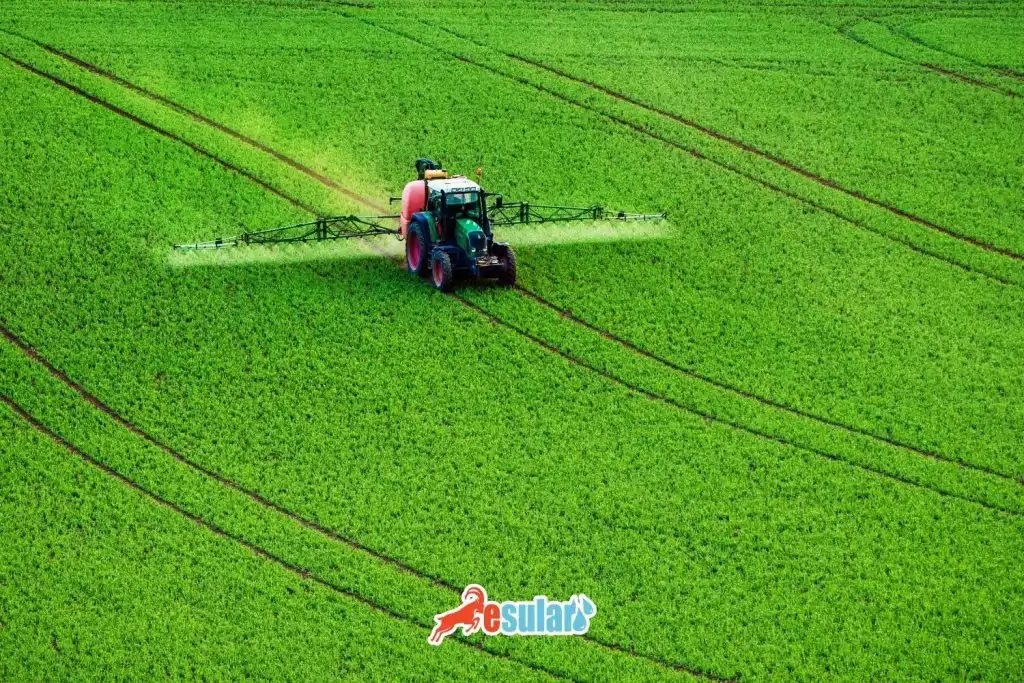
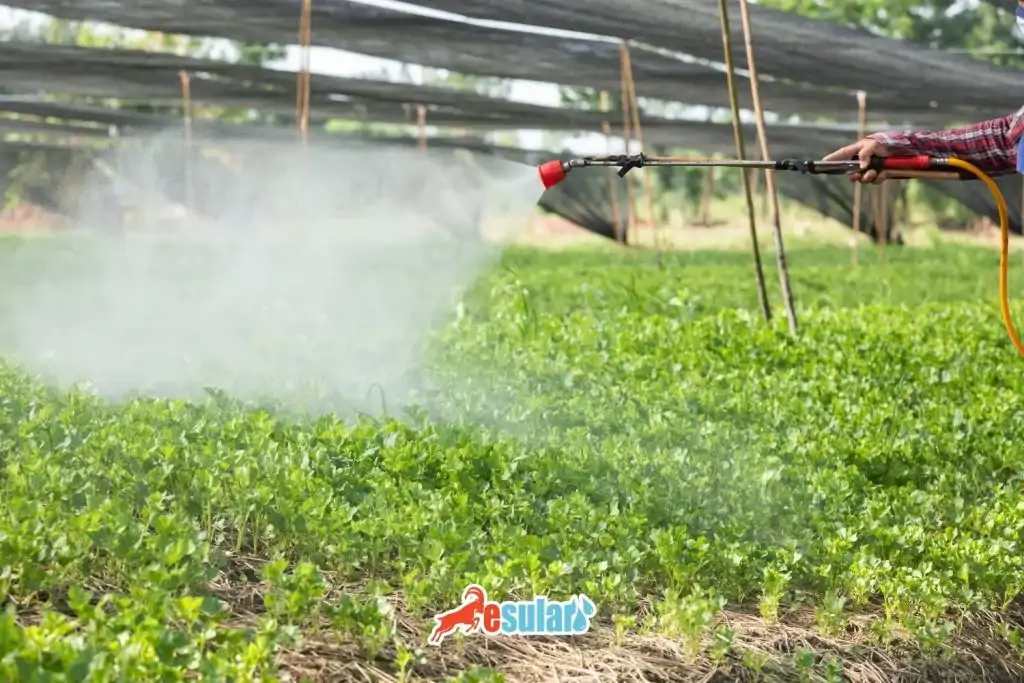
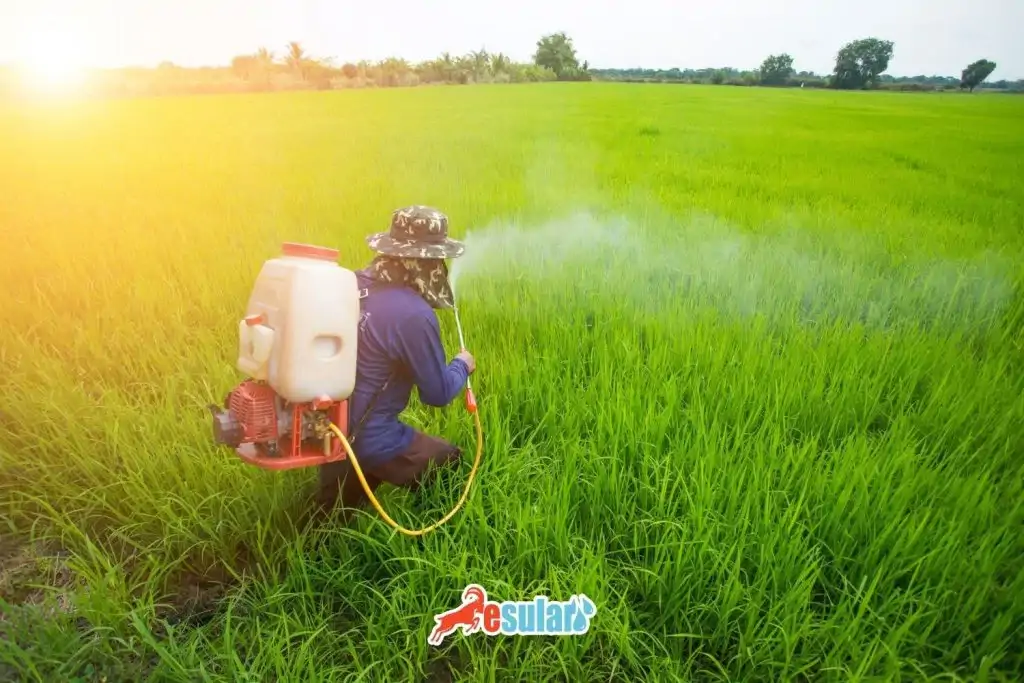
1. Spray Application: It is the process of spraying insecticides by mixing them with water or another carrier substance. This method can be applied both to the surface of plants and directly onto insects. It provides direct contact with target insects and can be easily applied to large areas. It carries a risk of drift in windy weather conditions and can harm the environment if not applied properly.
2. Soil Application: It is the method of mixing insecticides directly into the soil or giving them to the soil with irrigation water. It is effective for sub-soil pests and provides long-term protection. It can affect the structure of the soil and microorganisms, and carries a risk of leaking into waterways.
3. Dust Application: Insecticides are applied by sprinkling onto the plant surface or soil surface. It is easy to apply and low cost. It can be easily carried by the wind and there is an inhalation risk.
4. Granule Application: Insecticides in granule form are applied to the soil or to areas close to plant roots. It provides a long-term effect by providing slow release. It provides long-term control and application is easy. Use in high doses can disrupt the soil structure.
5. Fumigation: It is the application of insecticides in gas form to enclosed spaces. It is used in warehouses or greenhouses. It provides effective control in enclosed spaces and can spread to large areas. It requires special equipment and safety precautions, and can be harmful to human health.
6. Systemic Application: It is absorbed by the plant and carried in its tissues. Insects die by taking in the insecticide when they suck the plant sap. It provides long-term protection and prevents damage by insects in hidden areas. It can create a residue risk in consumer products and can affect non-target organisms.
7. Bait Application: Insecticides are applied as bait by mixing them with attractant substances. Insects are poisoned when they eat this bait. It provides high effectiveness on target insects and is less harmful to the environment. It can be attractive to other animals and can remain ineffective if not placed in the right locations.
8. Injection: Insecticides are given to the trunks of trees or large plants via injection. It is applied directly to the plant tissue and reduces environmental impact. Application is difficult and requires expertise, and can be used in specific plants.
9. Electrostatic Spraying: Electrostatic sprays ensure that insecticide droplets stick to plants with an electric charge. It ensures droplets stick better to the target and reduces insecticide use. It requires special equipment and its cost is high.
Insecticide application methods should be selected according to the type of target pest, the characteristics of the plant, environmental conditions, and the type of insecticide to be used.
Things to Consider in Insecticide Use
The effective and safe use of insecticides is extremely important for both human health and environmental protection. Wrong or careless use can lead to serious health problems and environmental damage. Here are the main points to consider during the use of insecticides:
- Carefully read and understand all instructions on the product label. Labels contain the correct amount of use, application time, and other important information.
- Wear appropriate protective clothing (gloves, mask, goggles, protective suit) during application.
- Avoid direct contact with insecticides. Wash your hands and face thoroughly after application.
- Apply insecticides in windless weather conditions. Wind can cause the product to drift to non-target areas.
- Apply insecticides during the periods when insects are most active. This is usually early morning or late afternoon hours.
- Prevent insecticides from contaminating water sources. Water pollution can threaten aquatic life and human health.
- Be careful to protect non-target organisms such as bees and other beneficial insects. Avoid using insecticides during flowering periods.
- Store insecticides in their original containers, in a cool, dry place out of reach of children.
- Observe the waiting period (pre-harvest interval) specified on the label before harvesting. This period is necessary for insecticide residues to decompose in the plant.
- Be careful to ensure there are no insecticide residues in food products.
- Avoid continuous use of the same insecticide group. Rotate to prevent the development of resistance in insects.
Careful and conscious use of insecticides helps to protect human health and the environment while increasing agricultural productivity. Therefore, it is of great importance to carry out insecticide applications by taking the above precautions into account.
Kategoriler
Etiketler