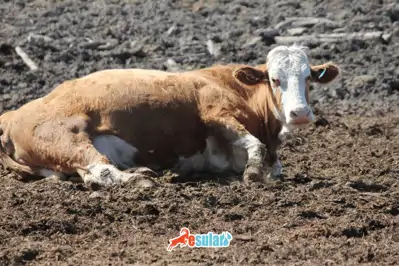
Butterfly disease is a major source of concern for sheep breeders and small ruminant breeders. Butterfly disease is an infection caused by leaf- or butterfly-shaped helminths. The mature forms of these parasites live in the liver of animals and release their eggs into the environment with the animal's feces. It can result in the death of animals that cannot be diagnosed and treated in the early stages. Especially if the recommended steps to prevent contagiousness are not applied during and after the treatment process, it is a disease that also affects non-infected animals.
What Causes Butterfly Disease?
Keeping infected animals in the same pen with other animals, using the same pasture, and contaminated water sources create an environment for parasite transmission. The eggs of the butterflies residing in the liver are excreted with feces. Especially slugs living in areas such as stream banks, lake shores, and troughs, or ants present in the environment, carry these eggs out. In this way, parasites contaminate the pastures. Consequently, these pastures become dangerous for grazing animals.
The ingested parasites activate in the intestines and settle in the abdominal cavity. These parasites, progressing through the liver tissue and bile ducts, can cause liver cirrhosis and bile duct obstructions in later stages. The livers of sick animals generally cannot perform their functions, and relevant symptoms become evident. As butterfly disease progresses, it damages the structure of the liver. This situation can seriously affect the general health of the animals and may require long-term treatment.
What Are the Symptoms of Butterfly Disease?
In case of suspicion of butterfly disease (Distomatosis) in sheep, it is critical to intervene effectively immediately. Symptoms of the disease include weight loss, swelling and fluid accumulation under the jaws, a drop in milk yield, and weakness. If the condition is confirmed by a diagnosis made by a veterinarian, a butterfly pill should be given immediately.
Especially if symptoms such as coughing, nasal discharge, diarrhea, weight loss, and loss of appetite are observed in animals; a diagnosis should also be made for lung, stomach, and intestinal worms. In this case, treatment with effective medications should be started without losing time. The medications to be used in the treatment process should be selected in line with the veterinarian's recommendations and determined dosages.
How is Butterfly Disease Treated?
For the treatment of butterfly disease in sheep, it is important to first seek help from a veterinarian. The treatment process may vary depending on the severity of the disease, the general health status of the animal, and environmental factors. The medications used in the treatment phase only affect young or adult fasciola. Therefore, the eggs in the liver and bile ducts continue to spread through the feces. Consequently, isolating sick animals is quite important.
In addition, it may be necessary to combat snails in the environment to prevent contagiousness. Finally, measures can be taken to improve the general health status of the animals. This is done with vitamins and minerals aimed at strengthening the animal's immune system. During the treatment process, the veterinarian's recommendations must be strictly followed. Additionally, regular veterinary checks of sheep and regular monitoring of farm conditions help in the early diagnosis and prevention of diseases.
What are the Ways to Prevent Butterfly Disease?
The following measures can be taken to prevent butterfly disease in sheep:
Veterinary Checks: It is important for your sheep flocks to undergo regular veterinary checks.
Hygiene Conditions: It is important to regularly clean grazing areas and maintain hygiene conditions. Limiting contact between infected and healthy animals can prevent the spread of the disease.
Parasite Control: Appropriate antiparasitic drugs should be used to combat the parasites that cause butterfly disease in sheep.
Isolation and Quarantine: Isolation and quarantine processes should be applied before new animals join the flock. This prevents potential disease carriers from infecting the flock.
Feeding Regimen: A balanced and healthy feeding program should be applied to the sheep. This can strengthen the animals' immune system and increase their resistance to diseases.
Is Butterfly Disease Transmitted to Humans?
Butterfly disease is a disease caused by a parasite found in animals, and the risk of transmission to humans is generally low. Especially if hygiene rules are not followed or if meat is not cooked sufficiently, it can be transmitted to humans. People may be exposed to parasite eggs if they consume the liver of diseased animals. Therefore, when consuming animal products, it is important to pay attention to cooking the meat well, hygiene rules, and consuming meat from reliable sources.