What is Drought? Types of Drought

24 Ocak 2026 Çağla Altıntaş 2 görüntülenme
Tüm Yazılar

What is Drought? Types of Drought

Drought is defined as one of nature's most challenging and complex events and is widely felt through its environmental, economic, and social impacts. It usually occurs as a result of precipitation falling significantly below normal levels, and this situation leads to the depletion of natural resources such as soil moisture, surface, and groundwater resources. Drought creates serious negative impacts on agriculture, water supply, energy production, and ecosystems. This event, whose beginning and end are uncertain, increases its effects cumulatively over time and can harm many resources simultaneously. In countries with different geographical and climatic characteristics like Turkey, the effects of drought become even more pronounced, making it mandatory to develop strategies to cope with drought.

What are the Types of Drought?

Although there are many types of drought defined in the literature, there are three distinct types;

1. Meteorological Drought is defined as the deviation from the normals (usually at least 30 years) belonging to a specific time period. These definitions are generally regional and are based on a full understanding of regional climatology. Meteorological measurements are the primary indicators in expressing drought. An ongoing meteorological drought event can intensify rapidly or end suddenly. Drought periods are defined as the number of days with precipitation below determined threshold values.

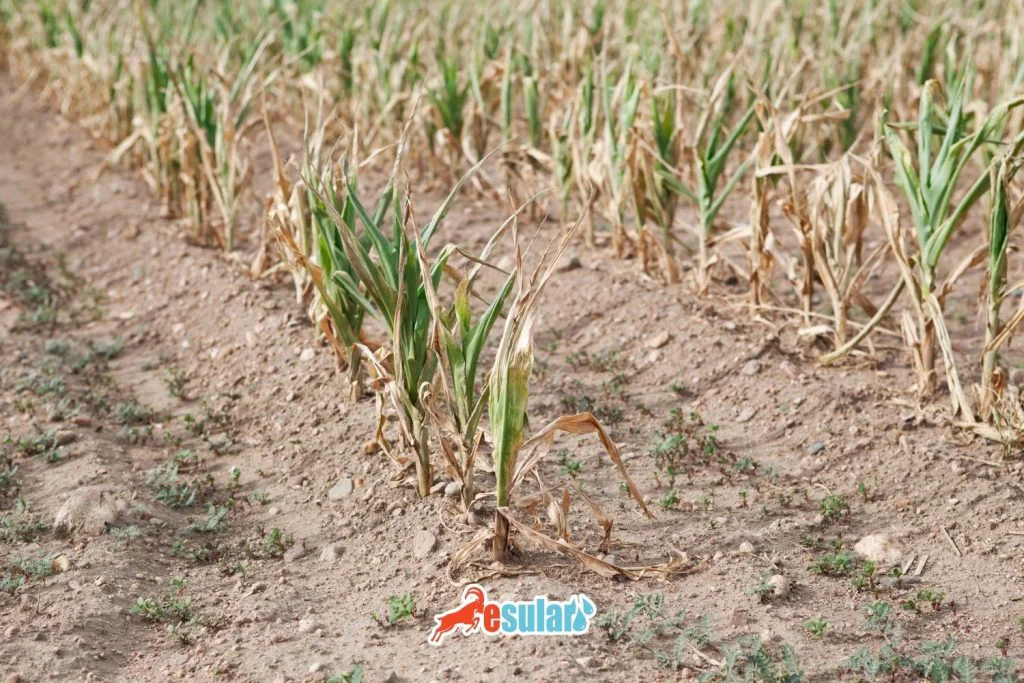
2. Agricultural Drought is expressed as the situation where there is not enough moisture in the plant's root zone for it to grow and develop. It occurs when there is insufficient soil moisture during the critical period when a specific plant needs water throughout the growth period. Agricultural drought is a typical situation that occurs after meteorological drought and before hydrological drought. Agricultural drought can significantly reduce crop yields even if the depths of the soil are saturated. High temperatures, low relative humidity, and drying winds multiply the effects of the lack of precipitation.

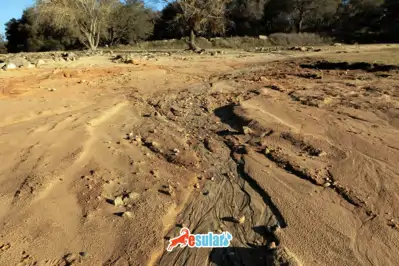
3. Hydrological Drought refers to the reduction and deficiencies in surface and groundwater as a result of a long-term lack of precipitation. It can be monitored through river flow measurements and lake, reservoir, and groundwater level measurements. Since there is a time interval between the lack of rain and the lack of water in rivers, streams, and reservoirs, hydrological measurements are not among the first indicators of drought. Hydrological drought can persist even long after meteorological drought has ended.

kuraklik-nasil-olur

Economic, Environmental, and Social Impacts of Drought

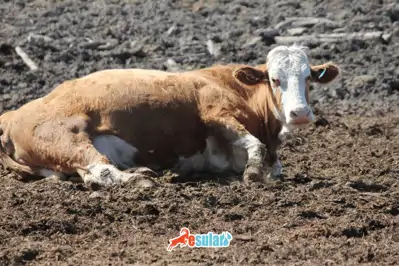
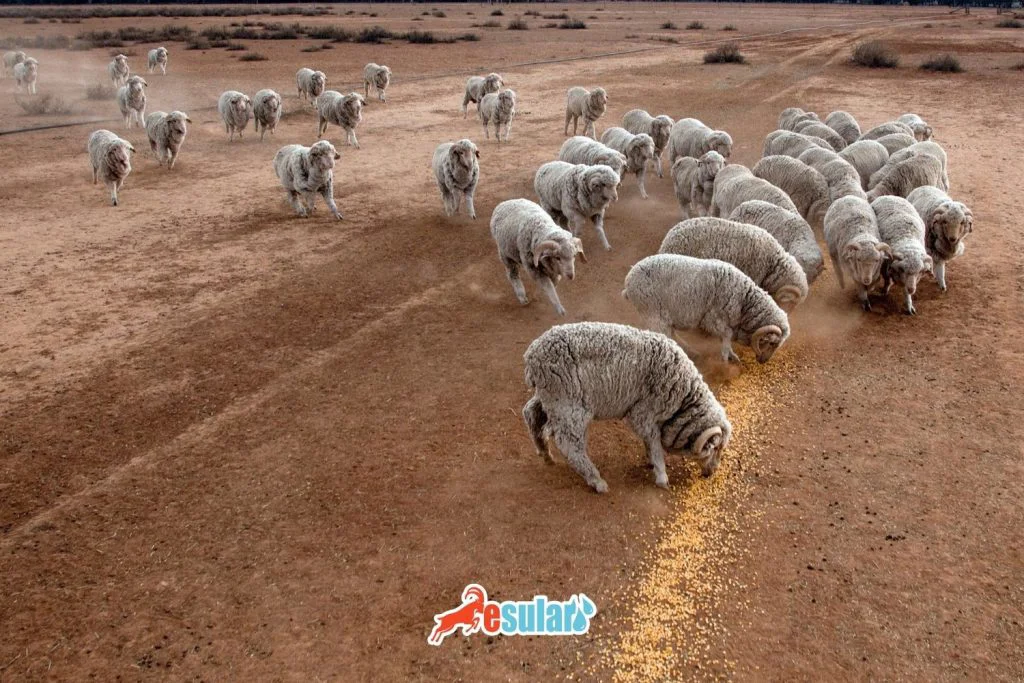
Economic Effects: Drought leads to serious economic losses. Problems such as reduced productivity of crop areas, insect infestations, plant diseases, and low product quality occur in the agricultural sector. In livestock farming, the productivity of pastures decreases, water and nutrient supply becomes difficult, which causes animal losses. Forest fires, tree diseases, and insect infestations negatively affect timber production. In fish production, the drop in water levels damages fish farming areas. National economic growth slows down, food production decreases, and difficulties in finding financial resources increase. Water transportation becomes costly, farmer incomes decrease, and industries dependent on agricultural production suffer.

Environmental Effects: Drought causes the soil to undergo water and wind erosion, which reduces the productivity of agricultural lands. Fish areas are damaged, vegetation is destroyed, and water quality decreases. Animal habitats are also negatively affected, leading to a decrease in biodiversity. Forest fires and insect infestations destroy forest ecosystems.

Social Effects: Drought causes food shortages and an increase in poverty. Living standards in rural areas decrease, social unrest increases, and migration movements begin. Unemployment rates rise, and governments experience losses in tax revenues. All these factors negatively affect the general welfare level of society and can disrupt the social order.

kuraklik-etkileri

Why Does Drought Occur?

Drought is a meteorological, agricultural, or hydrological event that can occur as a result of the interaction of various natural and human-induced factors. Its main causes are as follows:

  • Decreased Precipitation: The amount of precipitation may decrease due to reasons such as climate change, or the irregularity of precipitation can increase the risk of drought.

  • High Temperatures: Increasing temperatures can accelerate the transition of water vapor to the atmosphere, reducing precipitation formation and the retention of water in the soil.

  • Use of Soil and Water Resources: Human activities such as agriculture, industry, and urbanization can lead to the depletion or pollution of water resources, which increases the risk of drought.

  • Natural Eco-System Changes: The destruction of natural habitats such as forest destruction, erosion, and desertification can cause drought by affecting the water cycle.

  • Climatic Factors: Large-scale climate events such as El Niño or La Niña can increase the risk of drought by abnormally affecting precipitation patterns and the water cycle.

The combination of these factors or their influence alone can lead to different types of drought varieties, and these situations can have serious effects on ecosystems. Drought is also closely related to globally important issues such as the management of water resources and climate change.

How to Reduce the Effects of Drought?

Many factors are effective in preventing drought. First, preventing water waste is of great importance. Conscious solutions are needed for more efficient use of water in daily life, agricultural irrigation, and industrial activities. Treating and reusing wastewater is a critical step for sustainable water management. In addition, protecting natural water resources and increasing forested areas that increase humidity in the air are also important.

Agricultural irrigation plays a critical role in reducing the effects of drought and using water efficiently. Using smart irrigation systems instead of traditional irrigation methods ensures that water is used at the right time and in the right amounts. These systems continuously monitor soil moisture, weather conditions, and plant needs thanks to sensors and data analysis. Thus, efficiency increases with the optimum use of water and the protection of water resources is ensured. The smart systems used in our products increase the sustainability of agriculture while offering farmers cost savings and the opportunity for more efficient production. These systems contribute to the spread of resilient agricultural practices against environmental threats such as drought with technology-based solutions.

esularsa-yapar-tarim-arazisi-avuucnuzun-icinde

Yorumlar

Daha Fazla İçerik İster misiniz?

Akıllı tarım hakkında en güncel içerikleri takip edin.